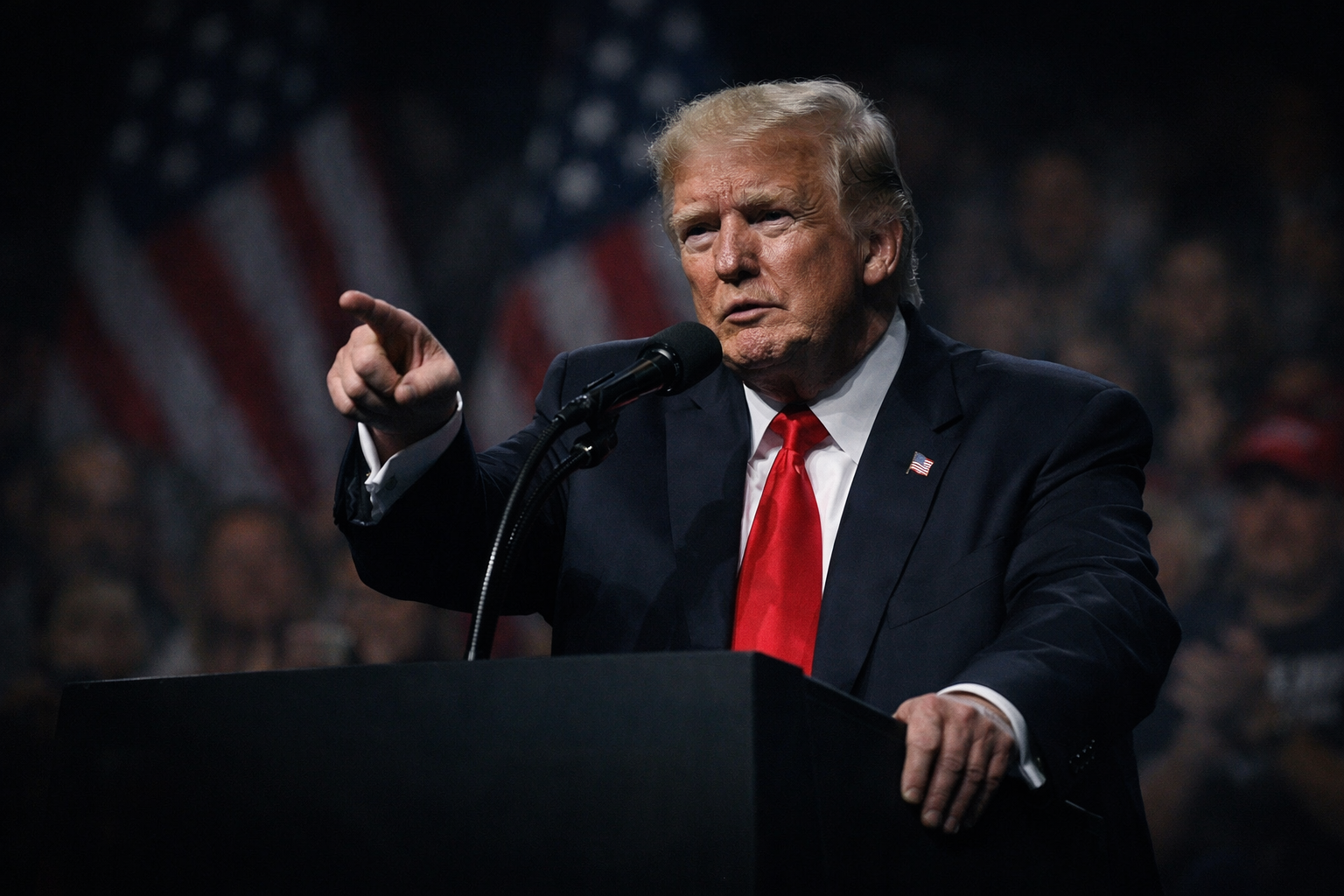
President Javier Milei called Congress to extraordinary sessions by decree. A period was set that will extend until February 27, with the opening of the regular sessions scheduled for March 1.
The agenda defined by the Executive Branch includes strategic bills for the consolidation of the economic program. It consists of labor reform, amendments to the Glacier Law, the consideration of the Mercosur–European Union agreement and diplomatic appointments.
The call seeks to sustain the Government's reformist momentum in a fragmented Congress. The ruling party constitutes the largest minority (both in the Chamber of Deputies and the Senate), and it has the capacity to build agreements.

Labor reform, the first major political test of the year
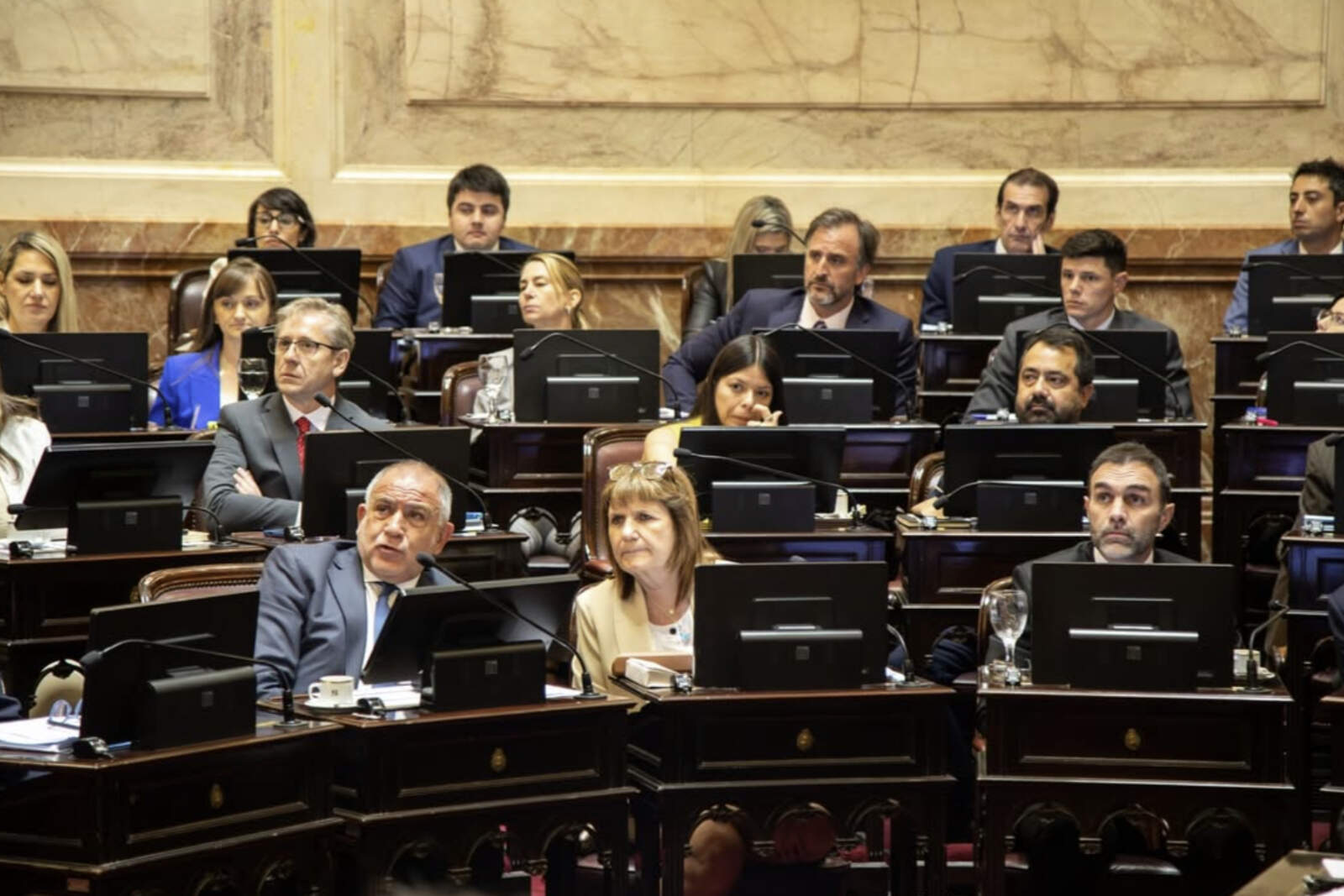
Within that agenda, labor reform became the first major political test of 2026 for the Government. The bill already has a majority opinion in the Senate and the ruling party aims to have it passed before mid-February. The parliamentary strategy is in the hands of Patricia Bullrich, head of the La Libertad Avanza caucus in the upper house.
The ruling party has 21 senators of its own, far from the required quorum of 37 seats, which forces intense negotiations with "dialogue-oriented" caucuses. The tentative date for holding a session is February 11, with an alternative on the 12th, although everything will depend on the agreements that are finalized in the coming hours.

Parliamentary arithmetic forces the Government to seek support from UCR, PRO and provincial caucuses. In that context, the Interior Minister, Diego Santilli, has been holding meetings with different governors to organize their legislators' votes and facilitate political agreements.
The main point of tension is the fiscal cost of the reform, estimated at around one percentage point of GDP, resulting from the tax cut that spreads the impact between the Nation and the provinces. The governors are demanding some compensation mechanism, while the Economy Minister, Luis Caputo, is maintaining a clear stance of not compromising fiscal balance or increasing taxes.
However, far from confrontation, the ruling party chose a pragmatic strategy. It sat down at the negotiating table, accepted uncomfortable concessions and prioritized a greater objective. The Casa Rosada understands that the approval of labor reform is a necessary condition to sustain growth and deepen the normalization of the economy.