Nicolás Maduro's regime detained and deported the journalistic team from the Kirchnerist outlet C5N, made up of reporters Adrián Salonia and Nicolás Munafó and cameraman Fabián Solís, after they arrived at a Venezuelan airport. The group was delayed, declared "inadmissible," and deported when they attempted to enter Venezuela for work.
The journalists arrived at the international airport Simón Bolívar, on the outskirts of Caracas. There, the delays began, along with interrogations and the confiscation of their documents, in an operation that ended with the expulsion of the team to Bolivia.
C5N described the episode as an act of "dangerous media censorship," denouncing that Maduro's government prohibited them from entering the country and ordered their deportation.
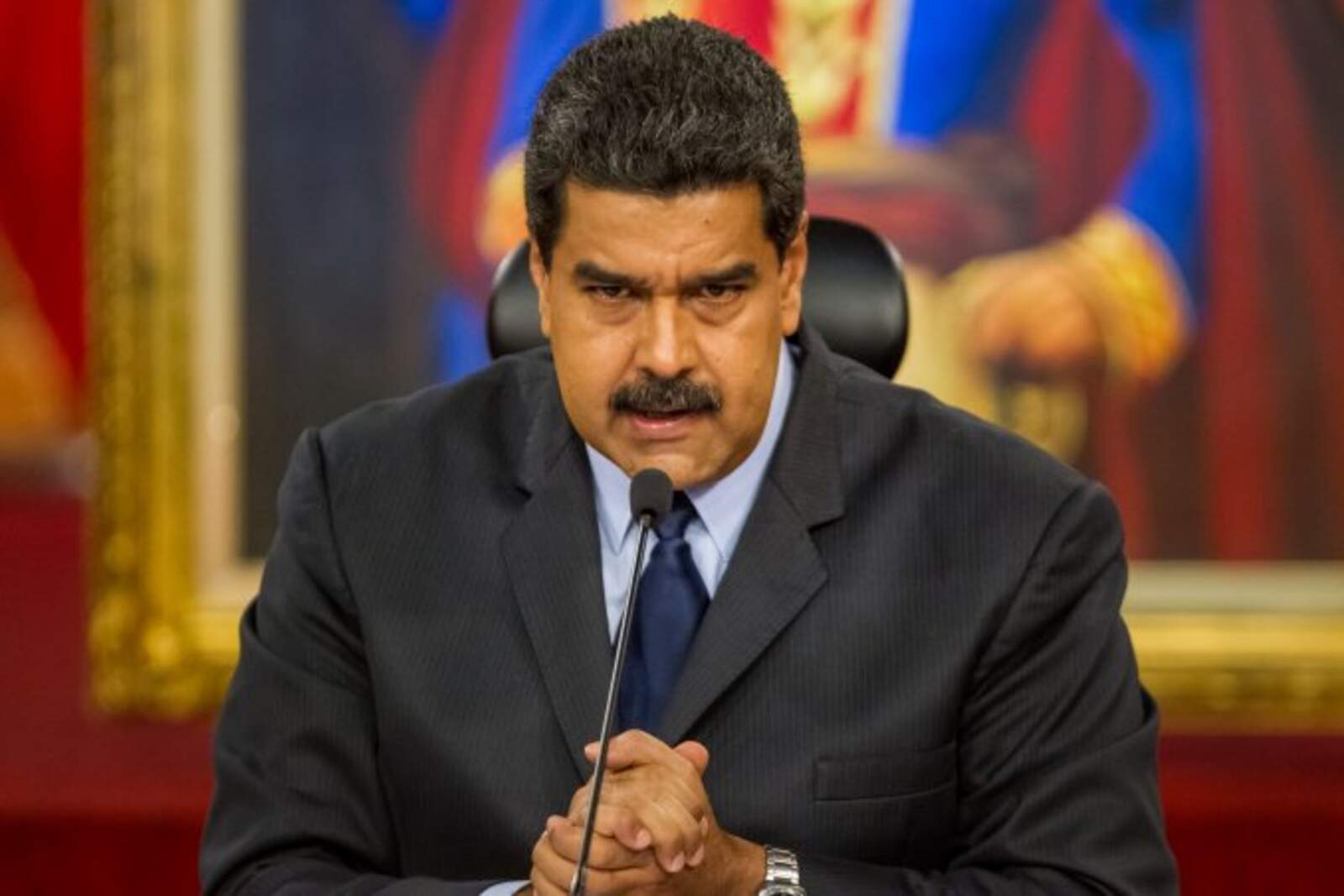
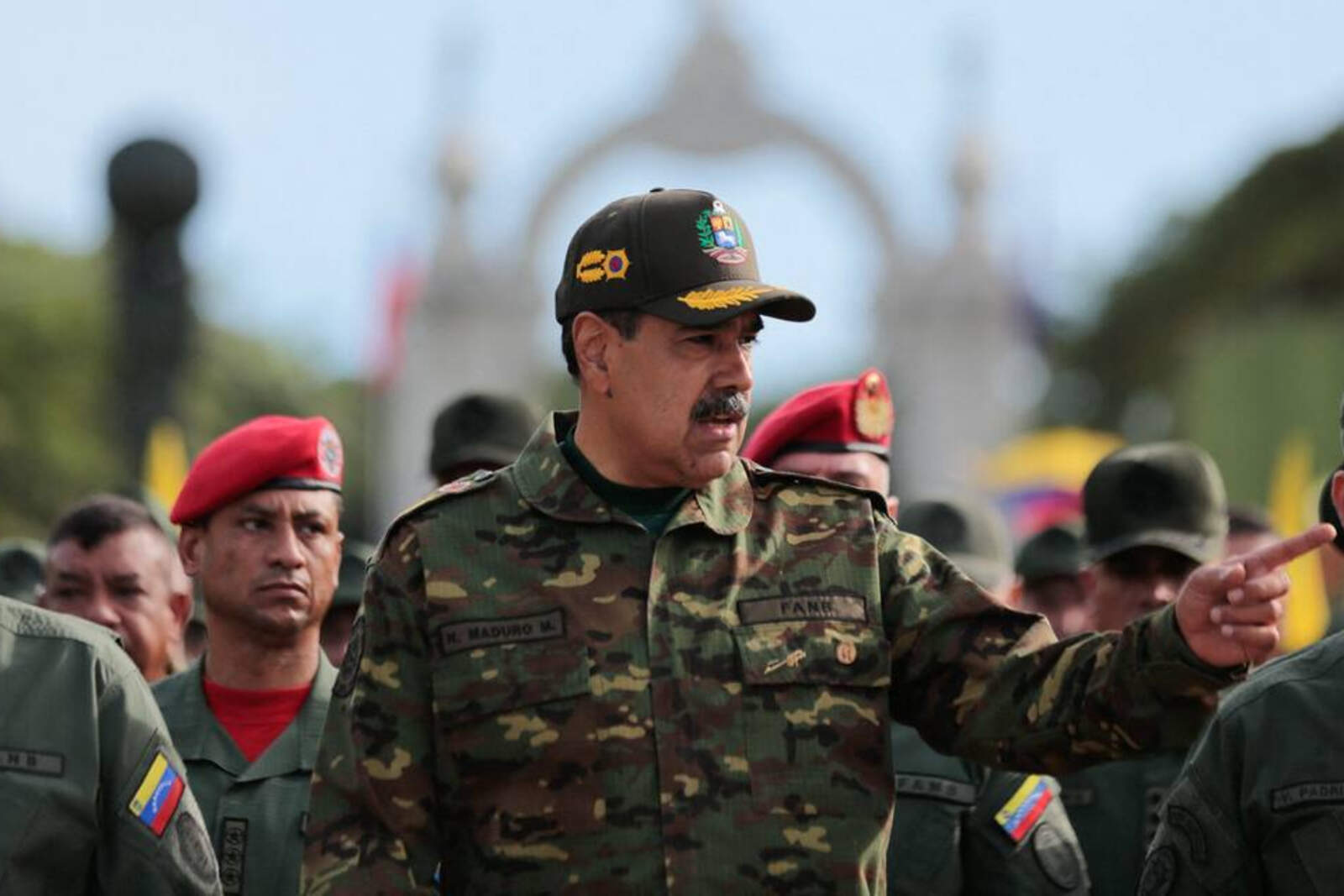
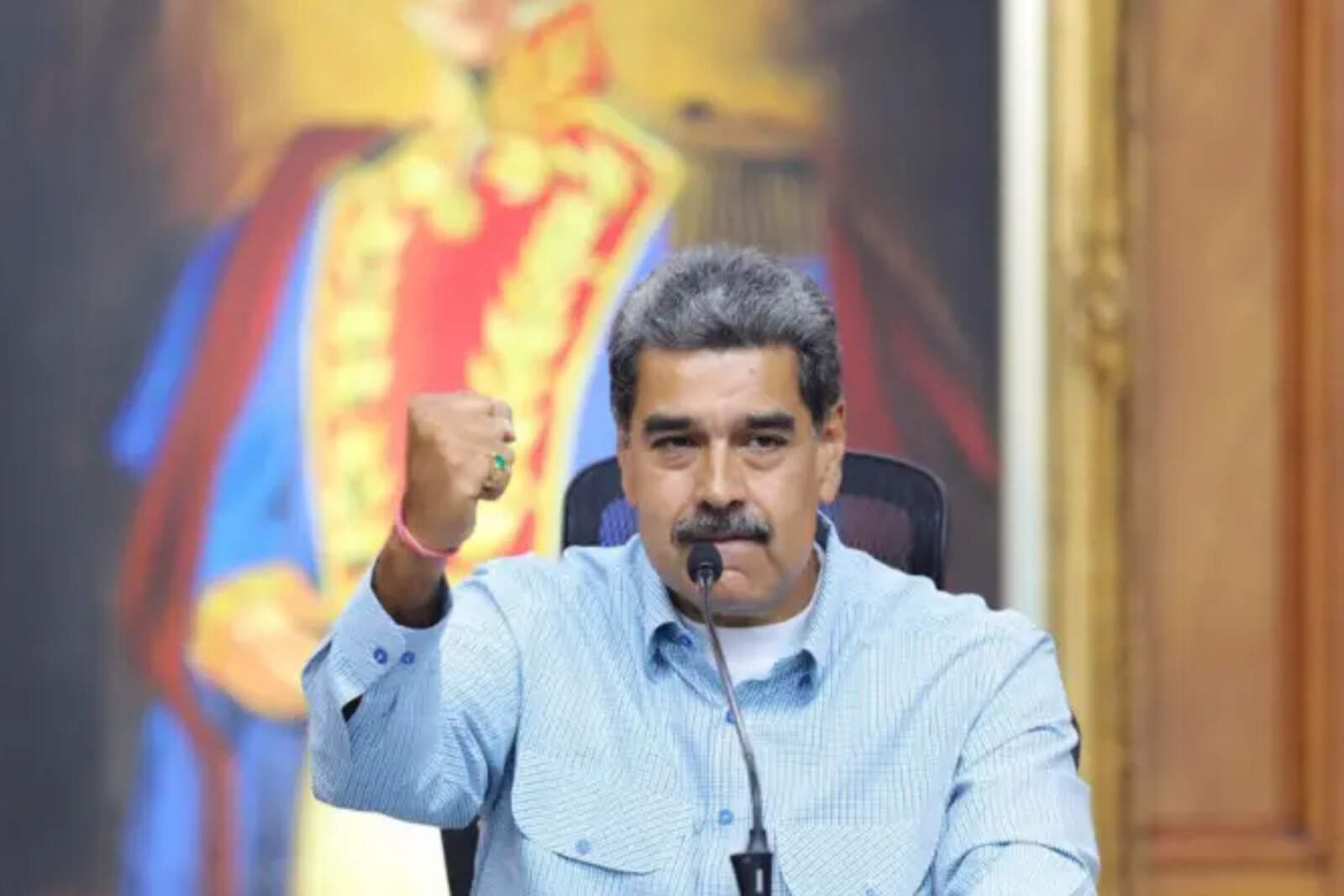
Nicolás Maduro
Delays, interrogations, and withheld passports
According to Salonia, everything began as soon as they landed in the early morning. "We arrived at Simón Bolívar International Airport in Caracas yesterday at 2 am (local time)," he explained. At Immigration, they were asked for their documentation and were left waiting.
During those two hours, they reported that photos were taken of them, they were asked "dozens of questions," and all their material was inspected before they were informed that they were not allowed to enter.
Then, the Immigration Police informed them that they were inadmissible. They were led through an internal corridor directly to the airplane jet bridge, without being allowed to enter Venezuelan territory.
Salonia himself described the moment as "a moment of great tension," emphasizing that the team never received a clear explanation for the measure.
Nicolás Maduro, dictador de Venezuela.
Deportation to Bolivia and passports not returned
After the regime's decision, the group was put on a flight to Bolivia. There, they awaited their return to Argentina from La Paz, already outside Venezuela but still without their documents in hand.
Salonia detailed that "before expelling us, they never returned our passports" and that, even after the deportation, "the team still hasn't recovered their passports."
Minutouno, from the same media group, emphasized that the three members were delayed for two hours and had their passports withheld before they were denied entry to the country and the deportation was carried out.
The case adds to a long list of episodes of harassment of the press in Venezuela. International organizations had already denounced the annulment and retention of passports of opposition members, activists, and journalists critical of the regime, as part of a strategy to intimidate and silence dissenting voices.
In this context, the deportation of the C5N team fits the pattern of repression against foreign press attempting to cover the country's political crisis and democratic deterioration.