A Colombian media outlet claimed that Álex Saab was captured by SEBIN
Nuevo
Agregar La Derecha Diario en
Compartir:
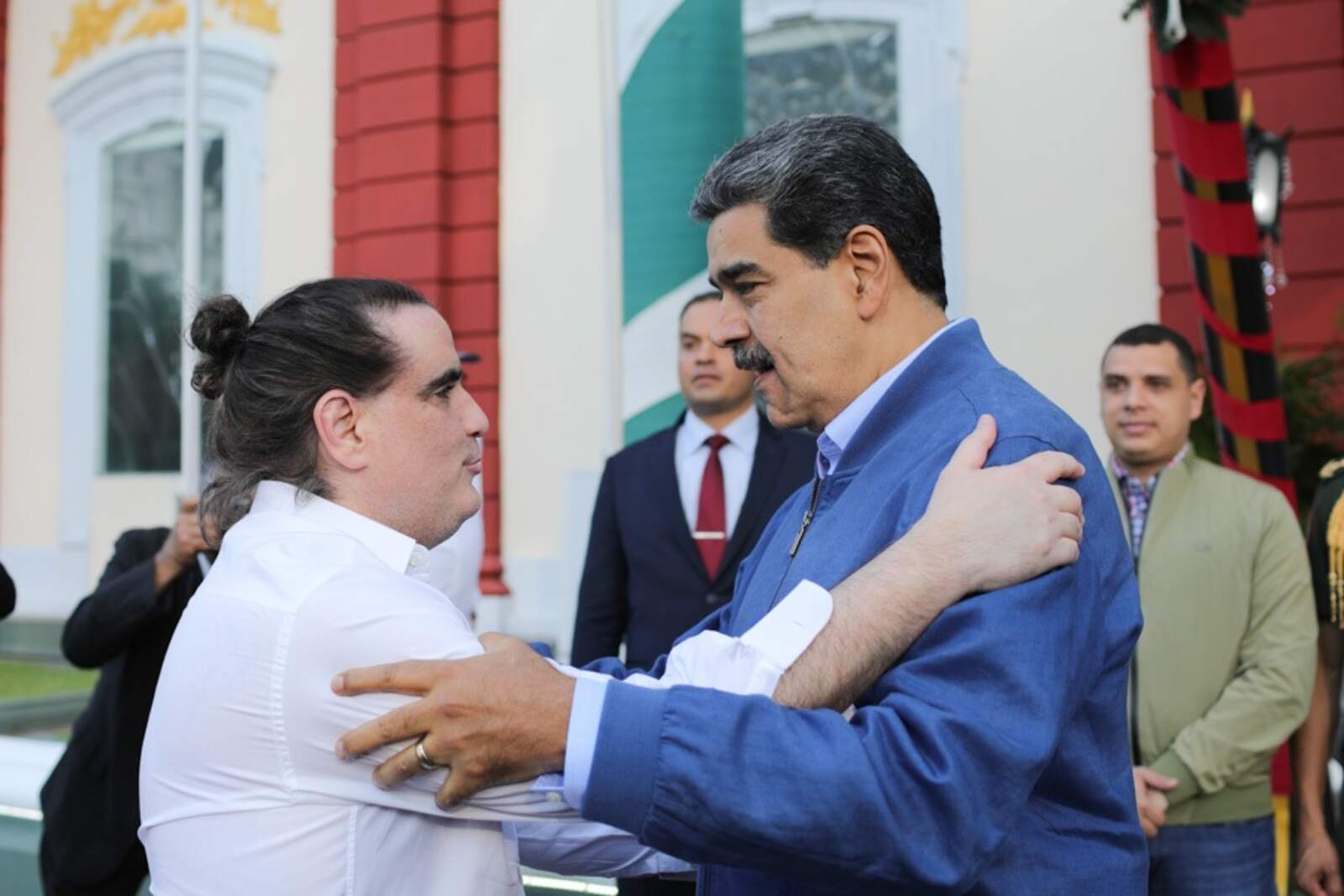
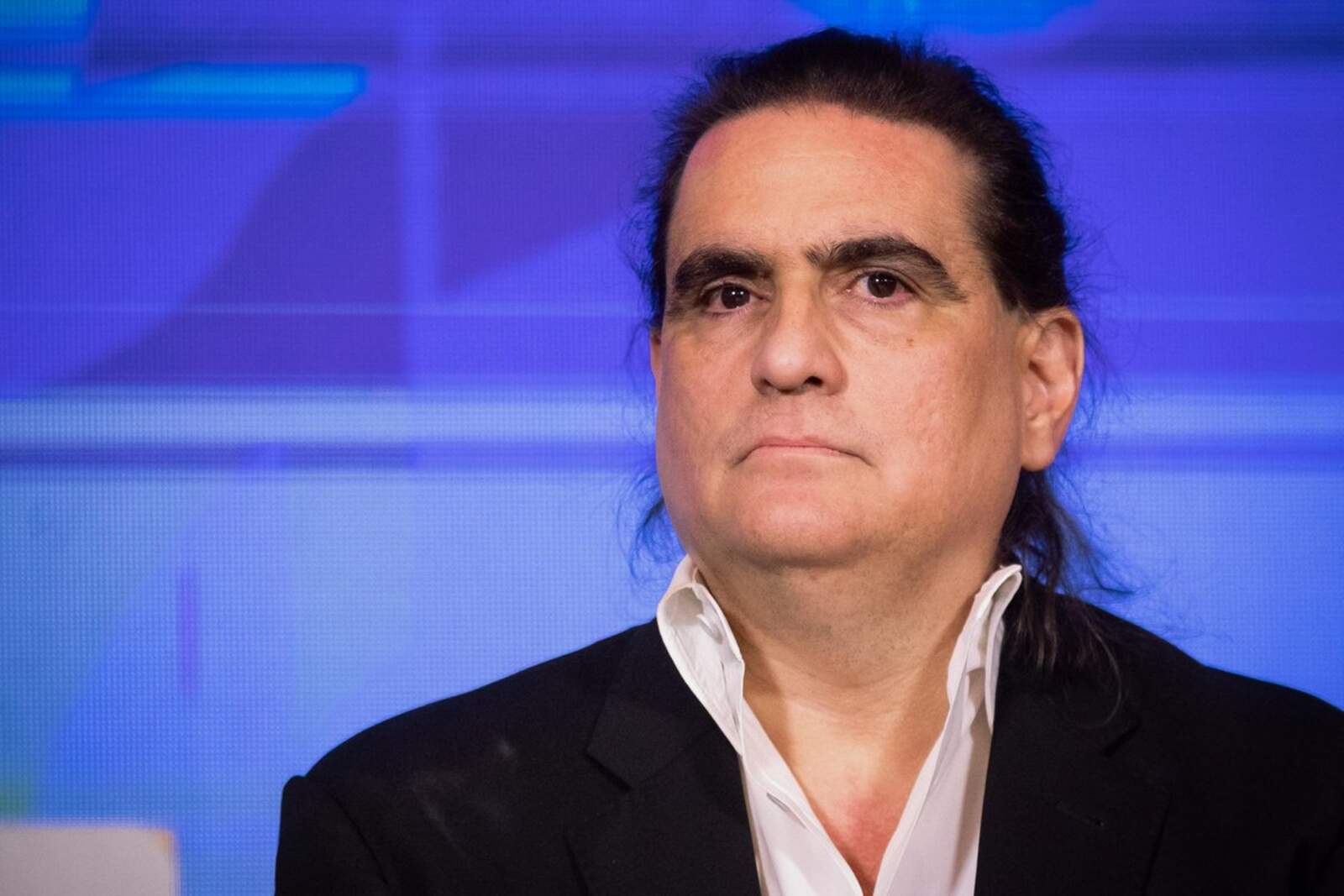
The Colombian businessman Álex Saab, identified as the front man of the former narco-terrorist dictator Nicolás Maduro, was reportedly captured in Venezuela, according to information attributed to intelligence sources.
According to data released by media outlets, Saab, who until just two weeks ago served as Venezuela's minister of Industries and National Production, was reportedly arrested by the Bolivarian National Intelligence Service (SEBIN) for his subsequent extradition to the United States.
Caracol Radio, from Colombia, was the outlet that reported the arrest through military intelligence sources. According to that information, Álex Saab was reportedly arrested during a joint operation carried out in Venezuela around 2:30 in the morning, in which the FBI reportedly participated.
Álex Saab
In the same operation, according to the aforementioned outlet, businessman Raúl Gorrín, another name closely linked to chavismo's economic network, was also reportedly detained.
So far, the Venezuelan transitional regime has not issued any official statement that confirms or denies the alleged capture of Saab or that of Raúl Gorrín.
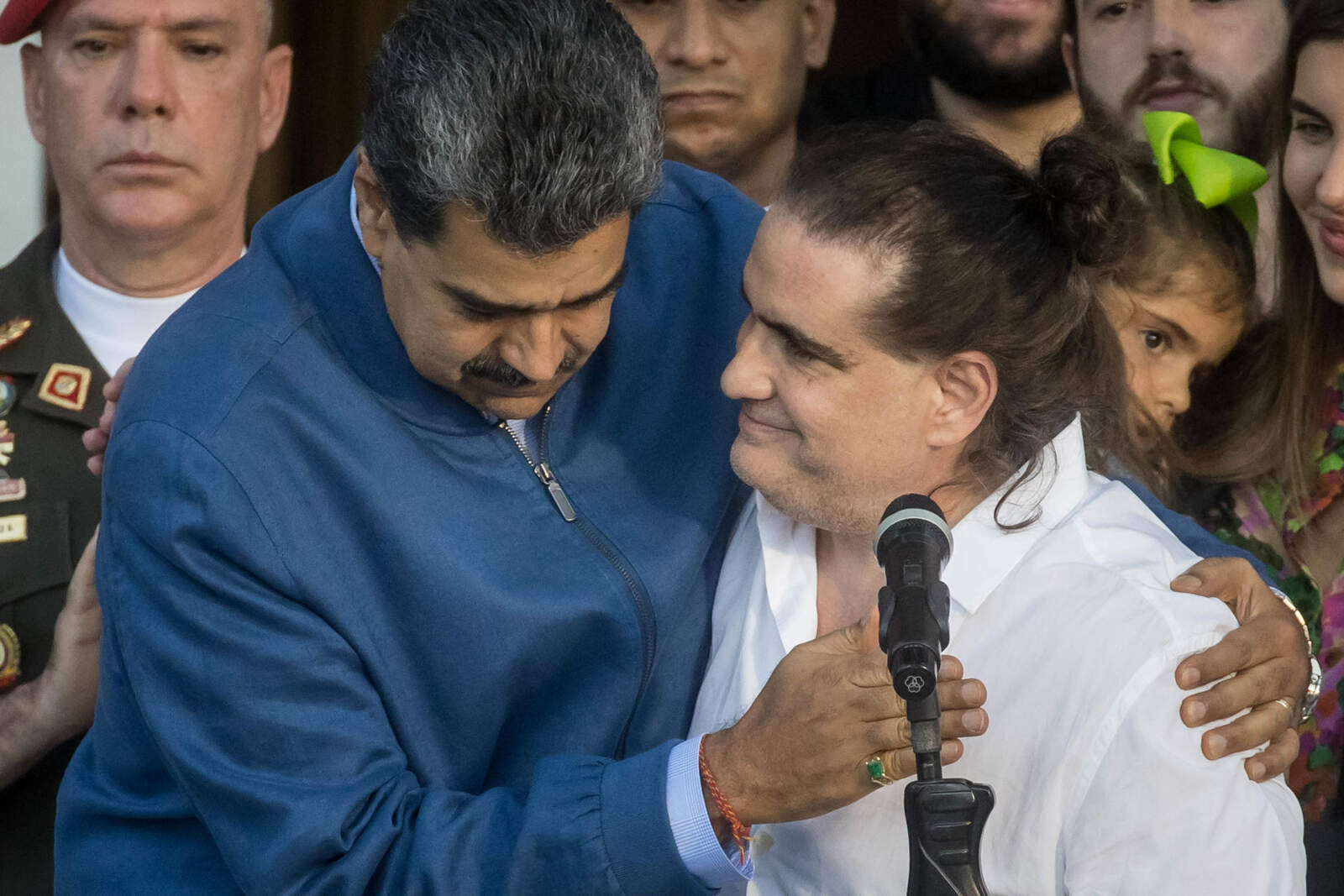
Álex Saab is a Colombian businessman who maintained a close and strategic relationship with chavismo. His name gained international notoriety for his role as a key intermediary in commercial operations of the Venezuelan dictatorship, especially in contexts of sanctions and financial isolation. Over time, he became an essential piece for the economic survival of the regime.
Nicolás Maduro y Álex Saab.
Saab was directly linked to multimillion-dollar contracts related to the importation of food through the CLAP program (Local Committees for Supply and Production), as well as to social housing construction projects.
Various investigations indicated that those operations were marked by overpricing, low-quality products, and money laundering schemes, which consolidated his image as one of chavismo's main financial operators.