He announced a project to tax large transfers of money abroad, arguing that he seeks 'to recover the wealth that leaves the country.'
Compartir:
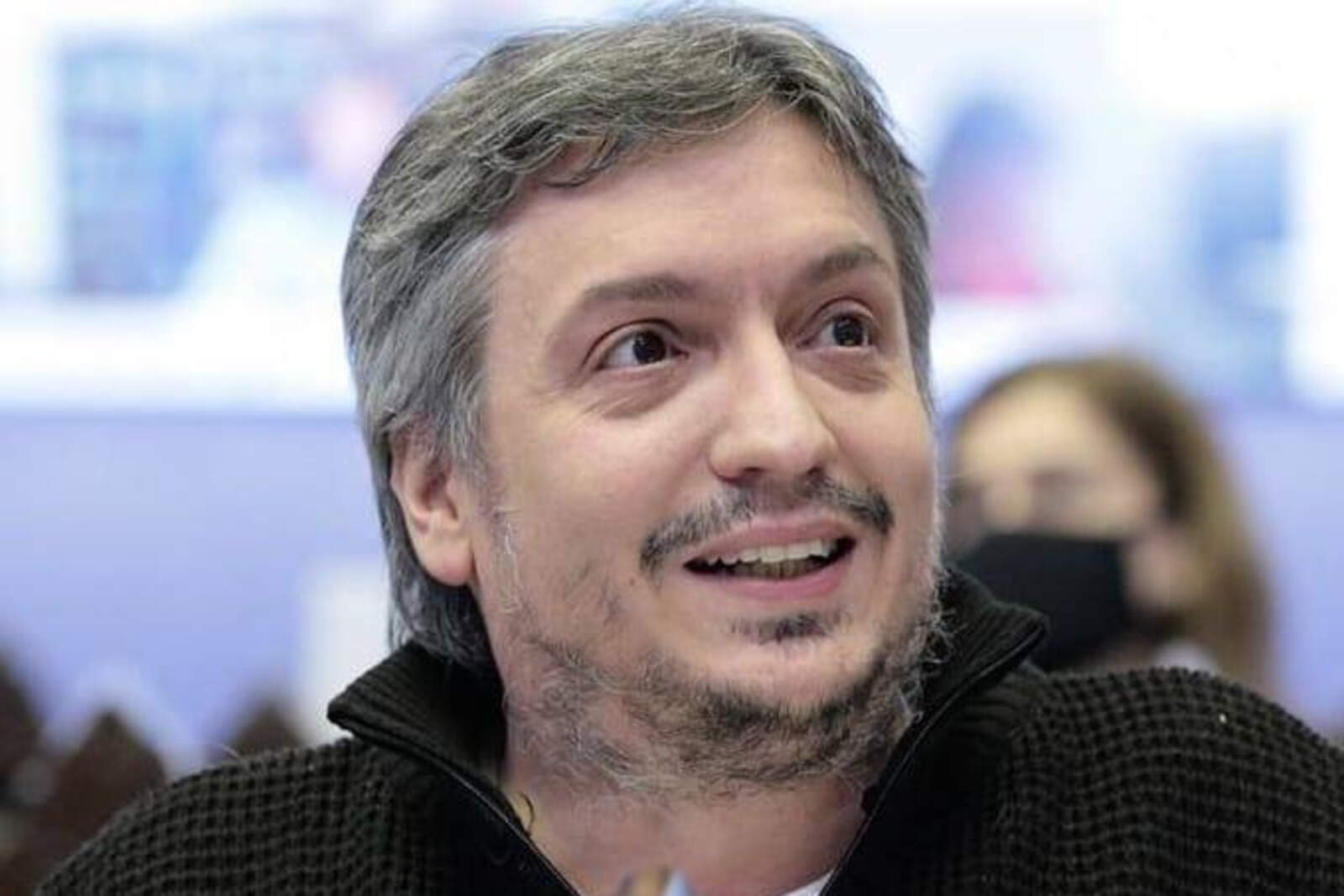
Máximo Kirchner announced on Wednesday that his caucus is working on a bill aimed at "taxing assets abroad and penalizing large transfers" so that Argentina "can retain something from the damage caused when wealth caused in the country ends up crystallizing abroad."
The Peronist legislator explained on Radio con Vos that it will be necessary to engage in dialogue with legislators from other parties to "build a majority" that would allow the initiative to be approved, known as the "exit tax." This tax would aim to curb capital flight and strengthen revenue collection, allocating the funds to Social Security, healthcare, and the provinces.
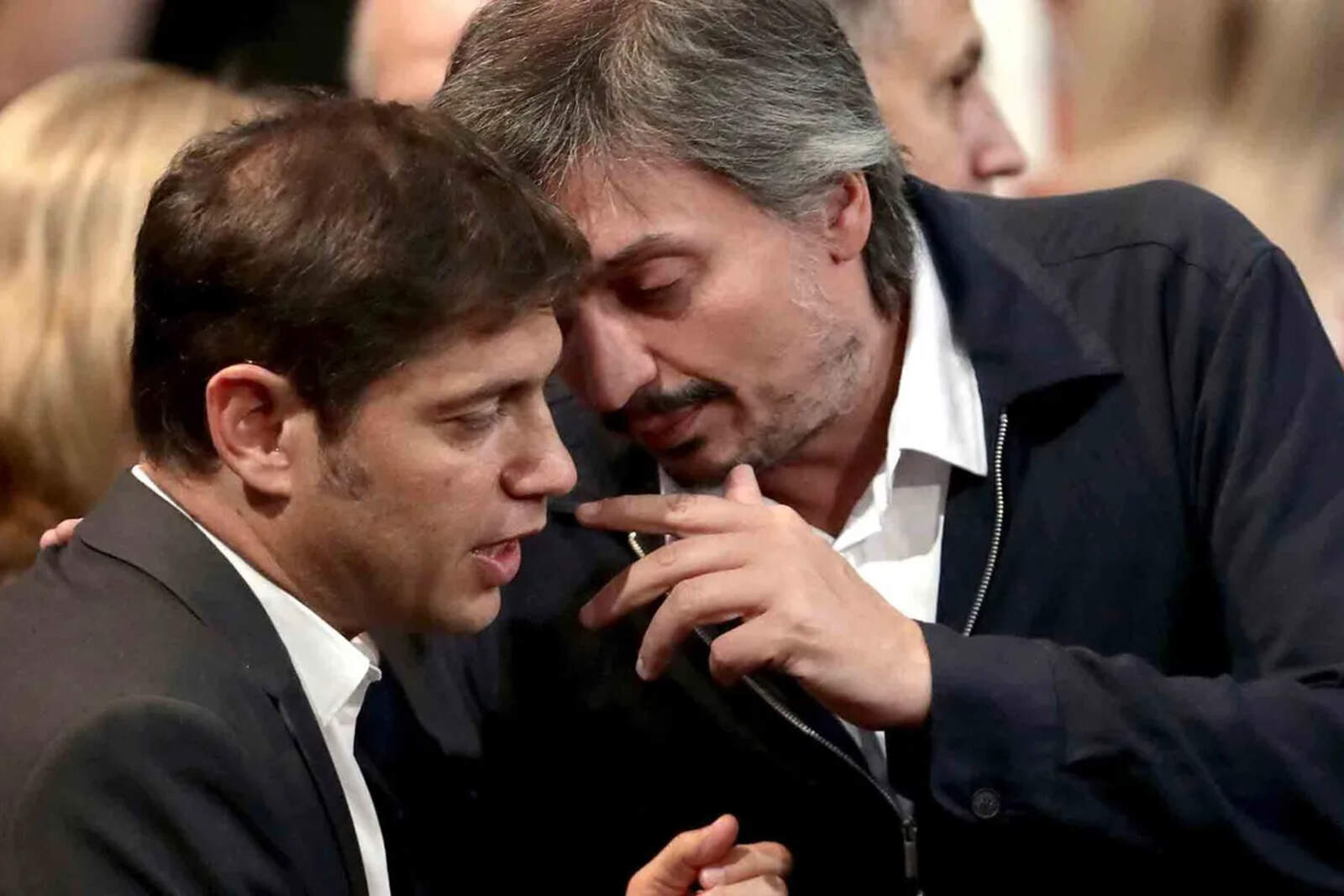
Máximo Kirchner y Axel Kicillof.
According to Kirchner, between April and August, 18 billion dollars left the country, and a levy similar to Brazil's 3% could generate 540 million dollars for public policies. "If someone decides to take their money out of the country, that must carry a penalty," he stated, assuring that the revenue will have a specific allocation to prevent the funds from "being lost in current expenditures."
The deputy also criticized Milei's administration, especially his recent meeting with Donald Trump, which he described as an act of "celebrity worship" instead of defending national interests. "He must defend Argentines, not be their fan," he emphasized, warning that the relationship with the United States is "concerning." He also questioned the government's borrowing, calling it "unpayable and political in nature" and comparing it to debt episodes from previous administrations.
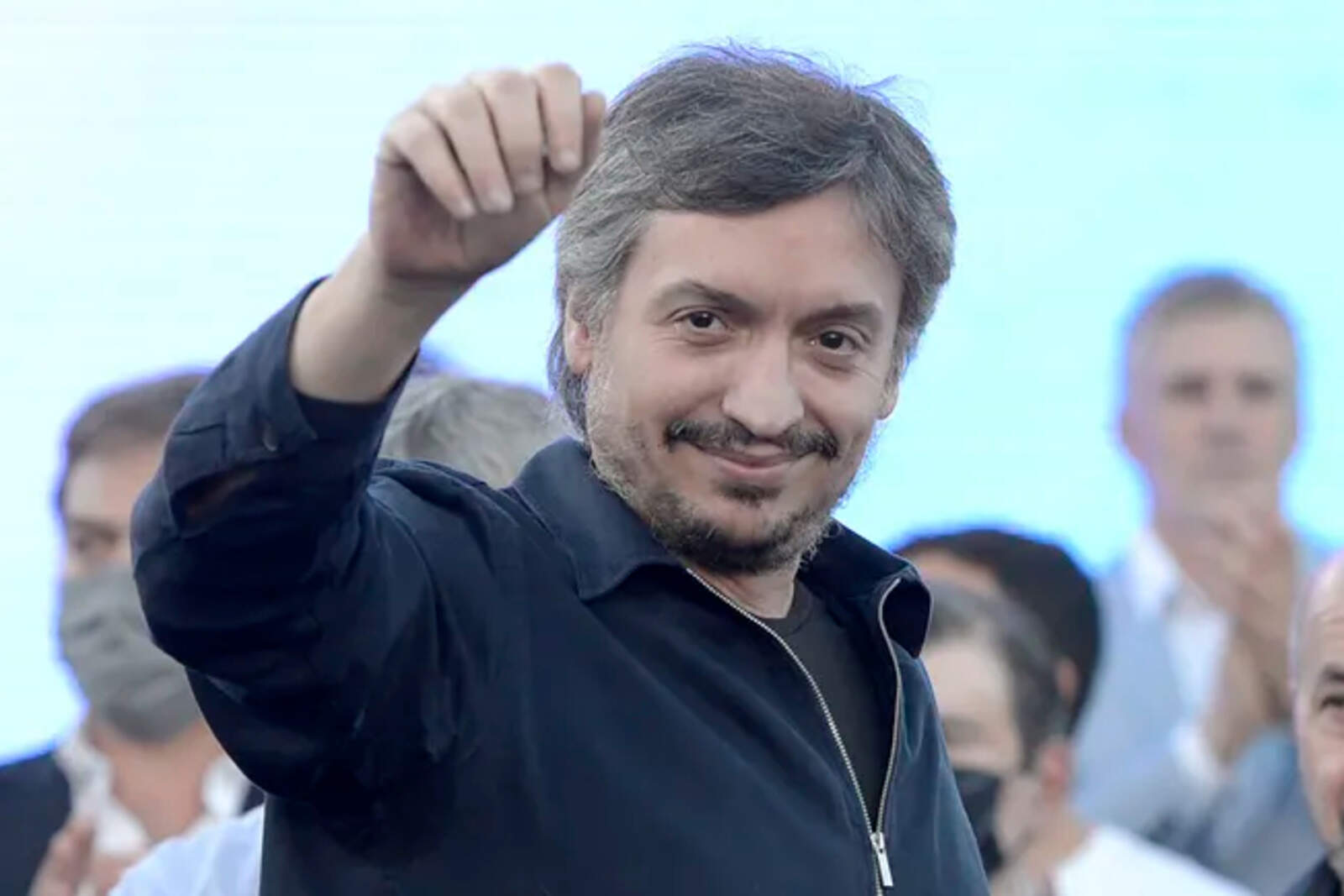
Máximo Kirchner.
From his inner circle, Kirchner detailed that the tax on Large International Capital Transfers (IGTIC) will tax the outflow of money through currency, stock market, or digital markets, seeking to ensure that a portion of these flows remains in the country. According to their explanation, the initiative would not affect investors or importers, but rather "addresses the structural inequality of those who take wealth without leaving value behind." The revenue would supposedly be directed to hospitals, universities, retirees, and public sector workers.
"This tax targets large capital transfers, because it is not workers or small and medium-sized enterprises who move money out of the country: it is those with the financial power to move millions abroad," Unión por la Patria concluded. Kirchner ended his message with a call to build a broad political majority that would "restore sovereignty" and prevent the country from being "remotely controlled from abroad."