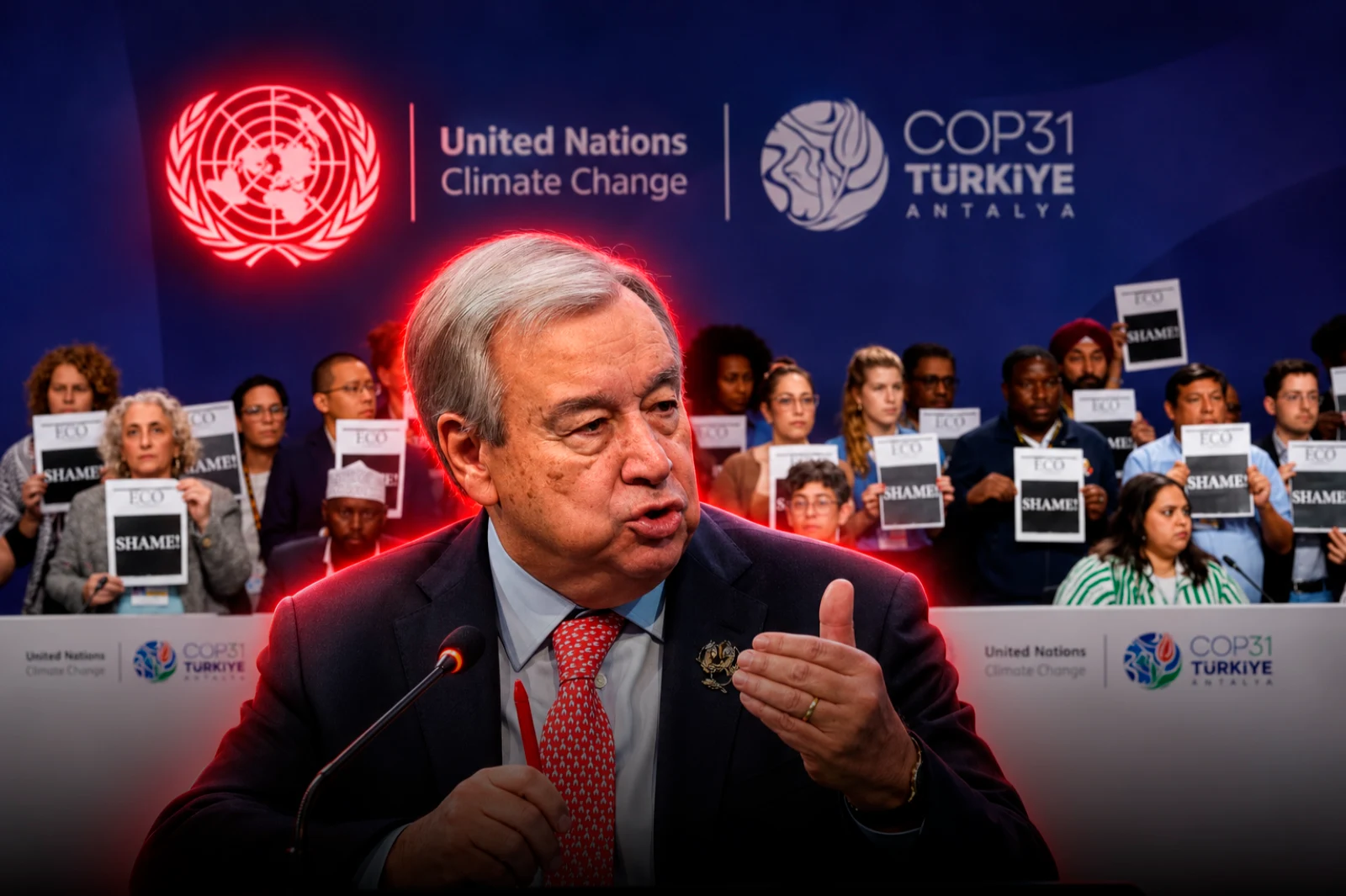
The lukewarm German chancellor warned that Moscow's ambitions exceed Ukraine and advocated for doubling military spending to strengthen European security
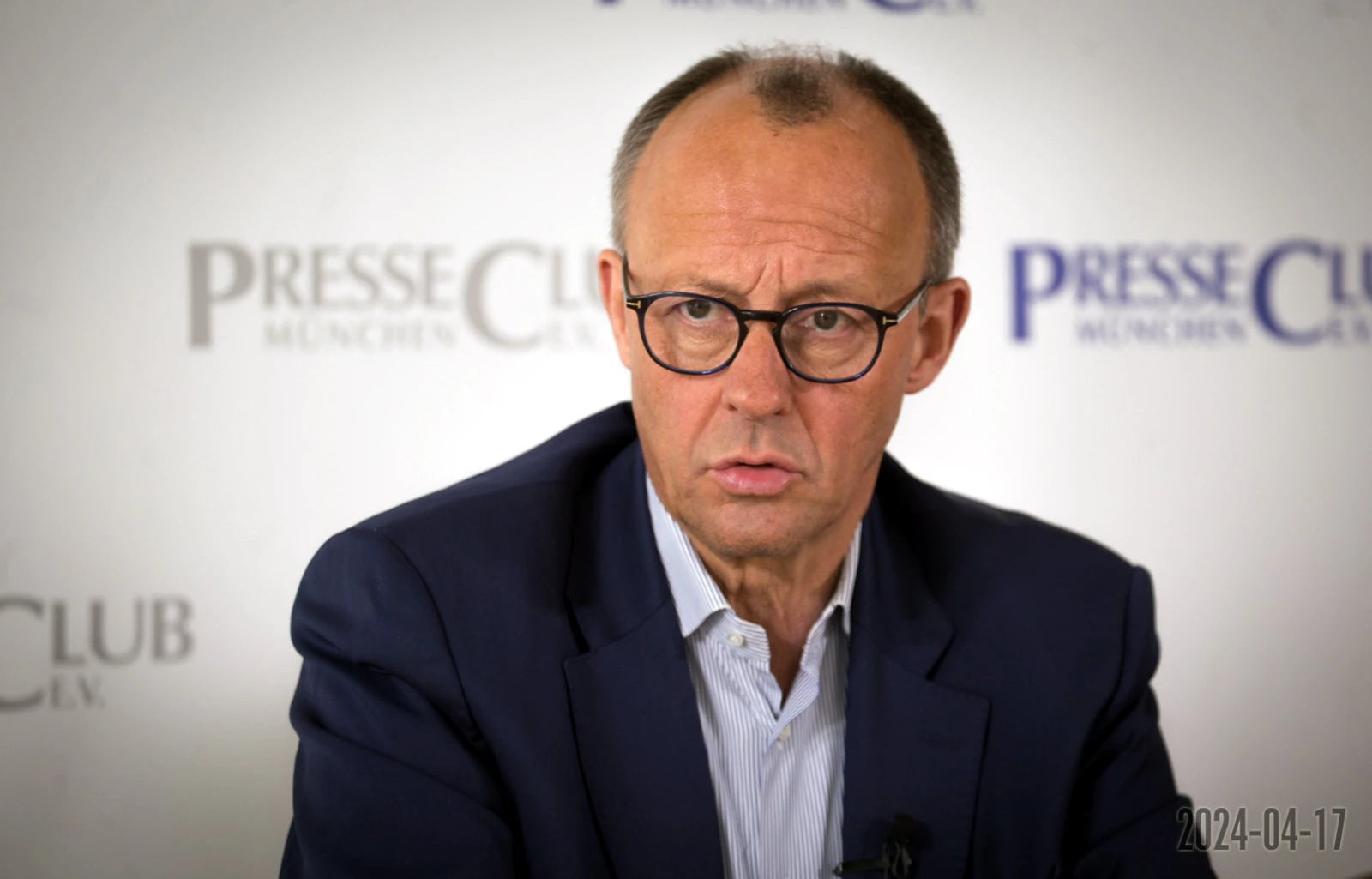
The German chancellor, Friedrich Merz, accused Russia on Wednesday of intensifying its threats against European security and warned that the Kremlin's ambitions go far beyond Ukraine. His statements came during a parliamentary debate on the 2027 budget, in which he defended the increase in Germany's military spending and the continuation of financial and military assistance to Kiev.
Merz took the opportunity during his speech before the Bundestag, the lower house of the German Parliament, to question those who demand an end to arms supplies to Ukraine. Among them is Alternative for Germany (AfD), which currently leads national polls.
''You cannot say it often enough, both in front of the right and the far left: Russia knows exactly what it wants. And Russia wants more than Ukraine,'' the chancellor stated.
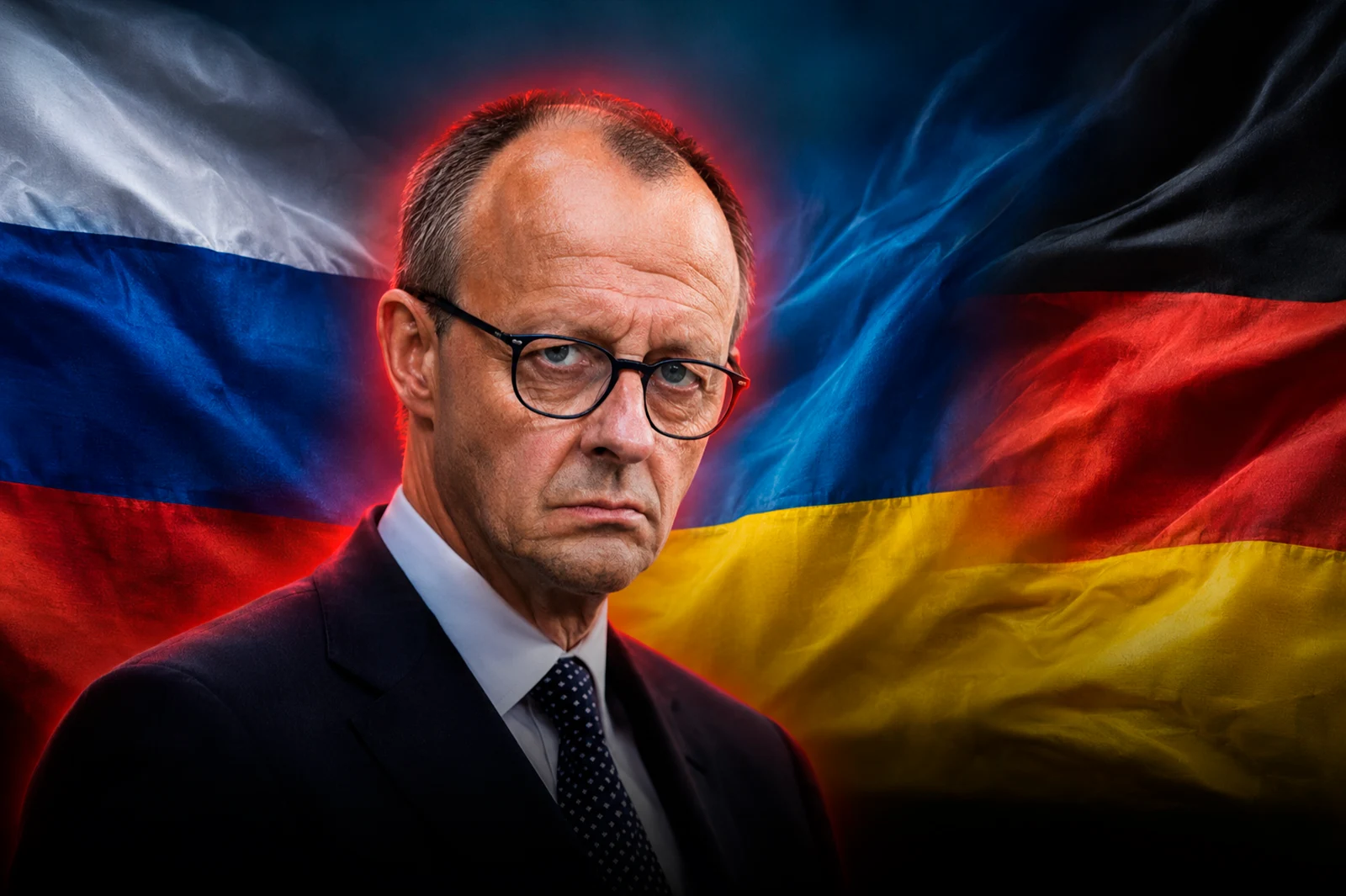
German Chancellor Friedrich Merz accused Russia of wanting to extend its territorial ambitions and promised to increase the defense budget
The head of the German government maintained that Moscow is intensifying its activities in various regions and strategic areas. He specifically mentioned the Baltic Sea, Poland, and the Black Sea, as well as outer space and German territory itself.
''Russia is escalating its actions in the Baltic, in Poland, in the Black Sea; Russia is escalating in space and is now also massively intensifying its actions here, in our own country,'' he declared.
The accusations come amid growing concern among European governments over security incidents attributed to Moscow. In September, the German government blamed Russia for an attempted drone attack on Leipzig/Halle airport. The Russian embassy in Berlin rejected these accusations and labeled them as part of a new wave of ''anti-Russian hysteria.''
Germany and other European countries have also reported a series of cyberattacks and sabotage operations against critical infrastructure, which they have often attributed to Russia. The Kremlin has repeatedly denied any responsibility and claims it does not seek military confrontation with NATO countries. It also states that its operations in Ukraine respond to the need to protect its own national security.
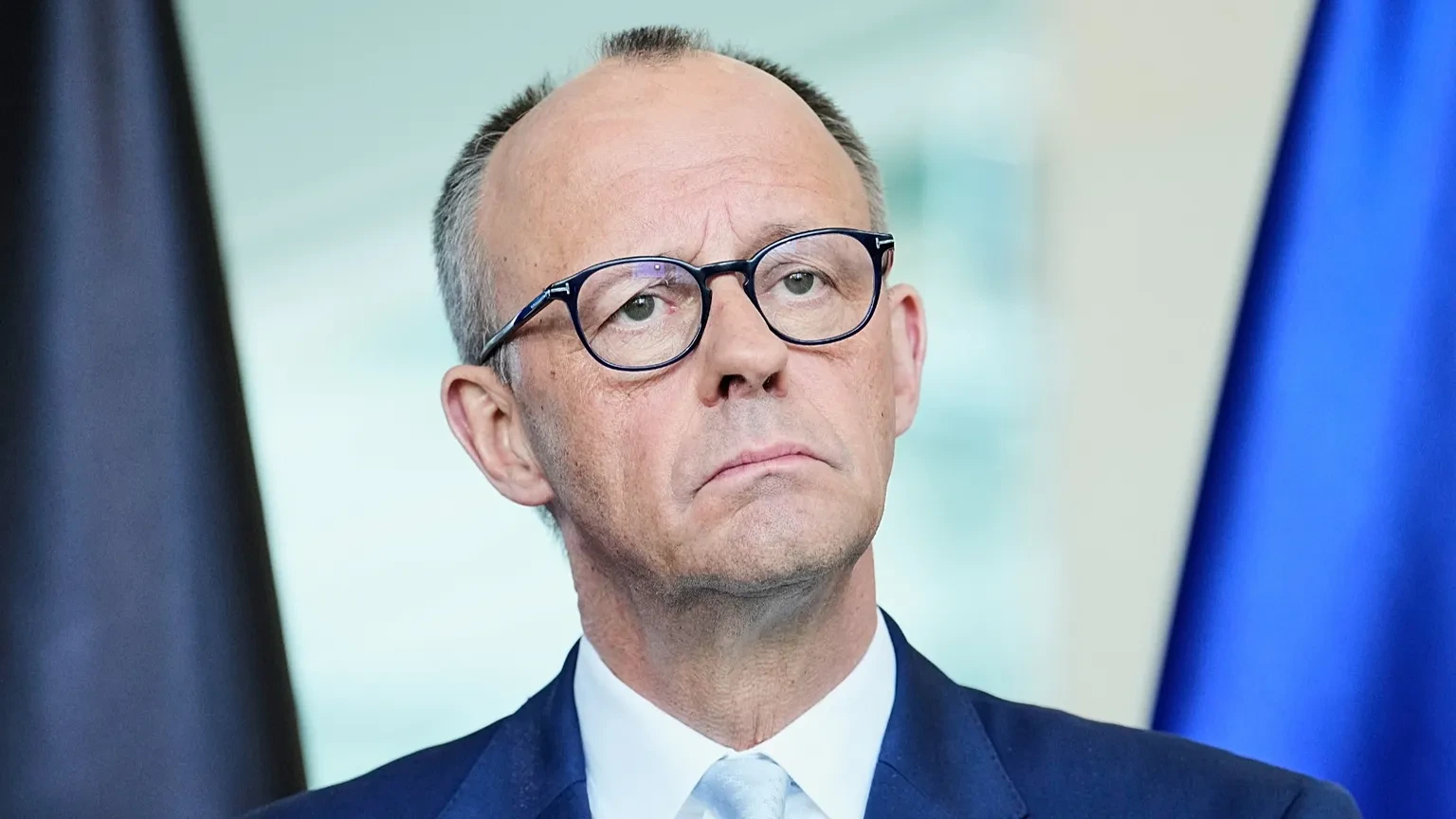
Merz explained that the Russians are expanding their operations in different areas and accused the Kremlin of operating in Germany.
Defense of military aid to Ukraine
Merz insisted that supporting Ukraine also represents a way to protect Germany, both against potential military threats and by learning new technologies and defensive capabilities.
''We are learning from Ukraine, technologically for civilian uses, but, of course, also in defense technology,'' he stated.
Germany has become the main military supporter of Ukraine within Europe since the large-scale Russian invasion on February 24, 2022. However, support from the German population for this policy has drastically decreased, partly due to rising living costs and internal economic concerns. A survey published on Tuesday, November 24, showed that a majority of Germans now oppose continuing to provide military assistance to Kiev.
During the parliamentary debate, the co-leader of AfD, Tino Chrupalla, directly questioned the chancellor's priorities and accused him of paying more attention to Ukraine than to the needs of German citizens. ''Whose chancellor are you really?'', Chrupalla asked, before reproaching him for his government supporting Kiev while not providing enough economic relief to the German population. ''What a mockery!'', he added.
Despite the criticism, Merz's government aims to double the defense budget and exceed 200 billion euros by 2030, according to the 2027 budget proposal. The goal is to reach spending equivalent to 3.7% of gross domestic product, in line with commitments made to NATO.
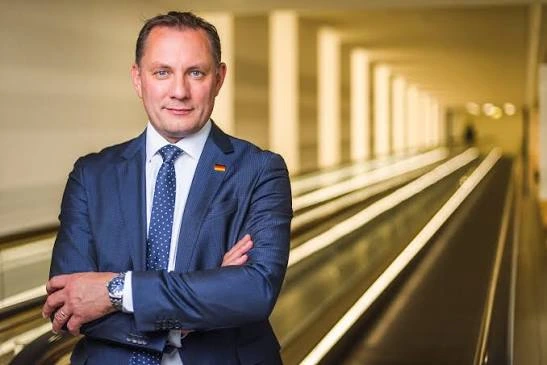
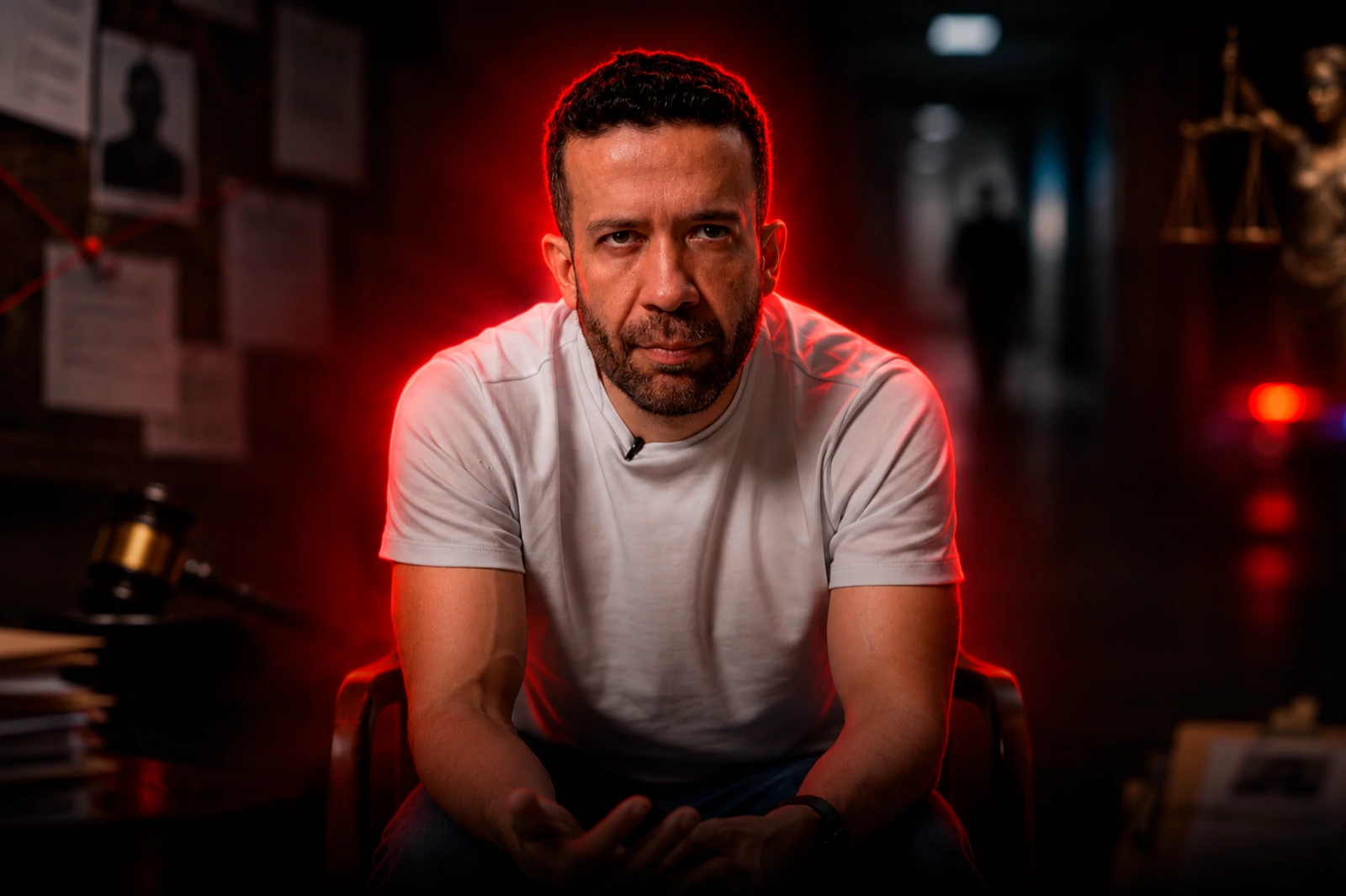
Tino Chrupalla, one of the leaders of the right-wing party, AFD, destroyed Merz after expressing his willingness to increase funding to Ukraine
Merz calls for clearer priorities for the European Union
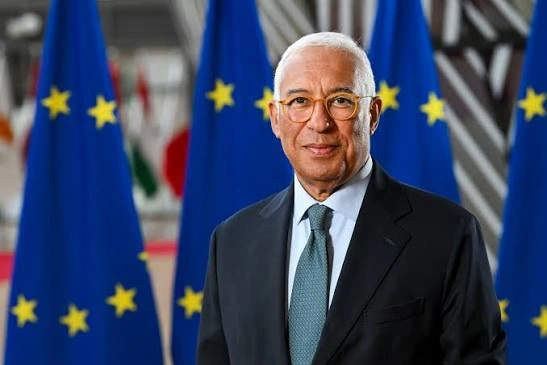
The chancellor also referred to negotiations on the multiannual budget of the European Union for the period 2028-2034, after the President of the European Council, António Costa, presented a new proposal.
The plan includes reducing the total budget to 1.582 trillion euros, approximately 40 billion less than the proposal presented in October by the Irish presidency of the bloc. European leaders will discuss the modifications during a special summit scheduled for Thursday and Friday.
Merz argued that community resources should be focused on areas considered strategic to strengthen the European position against international challenges.
''In these negotiations, I am pushing for spending to be limited and focused on what really makes Europe stronger: security and competitiveness,'' he stated.
The chancellor maintained that a more selective allocation of funds constitutes an additional protection for Germany, in a scenario marked by geopolitical tensions, threats to infrastructure, and the war in Ukraine.
The President of the European Council will announce new proposals regarding the budget for the period 2028-2034