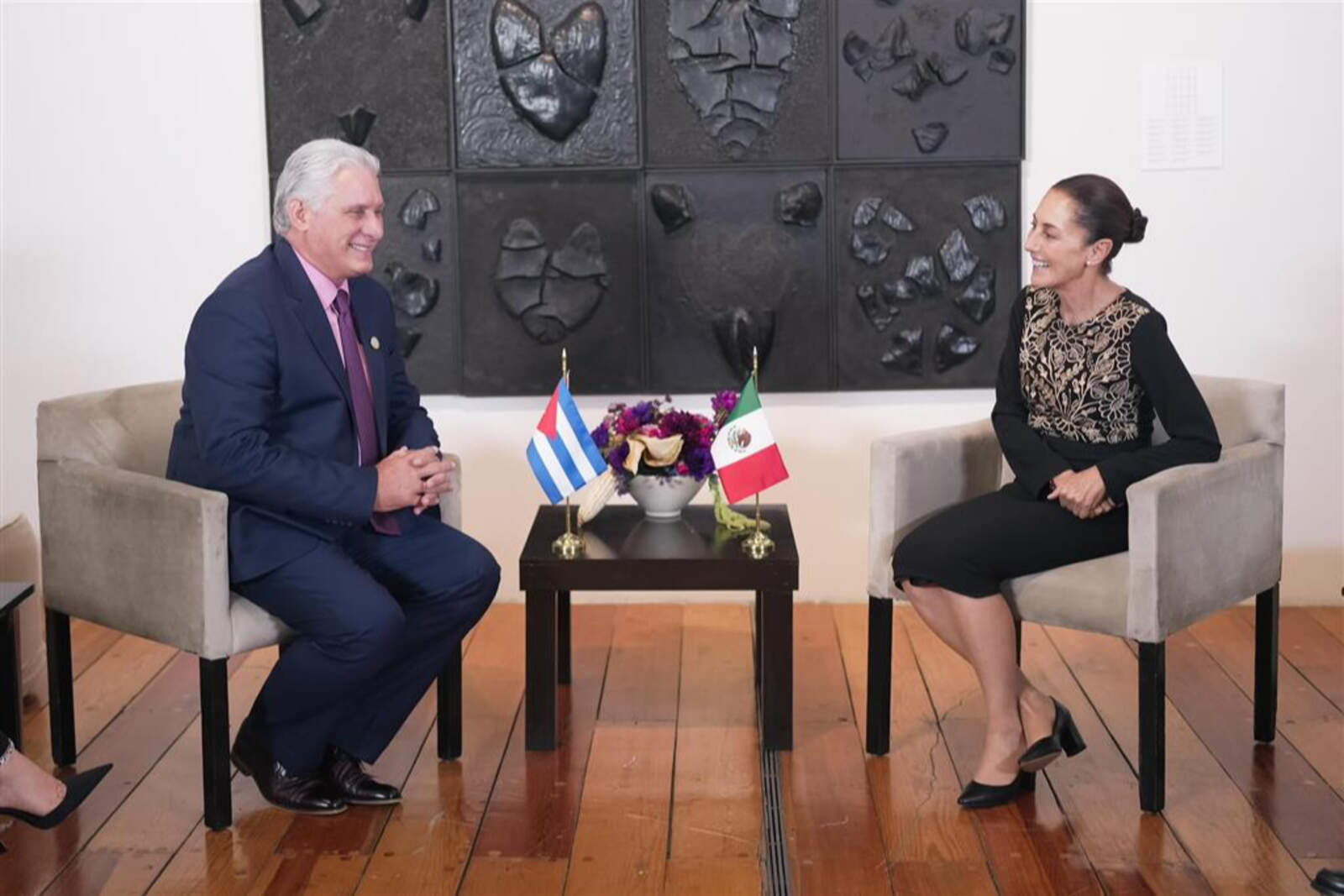
Mexico surpassed Venezuela and became Cuba's main oil supplier, consolidating a strategic shift that reinforces the communist regime in Havana after the fall of Venezuelan dictator Nicolás Maduro. Data from the energy monitoring firm Kpler reveal this, showing a deep change in the island's supply map.
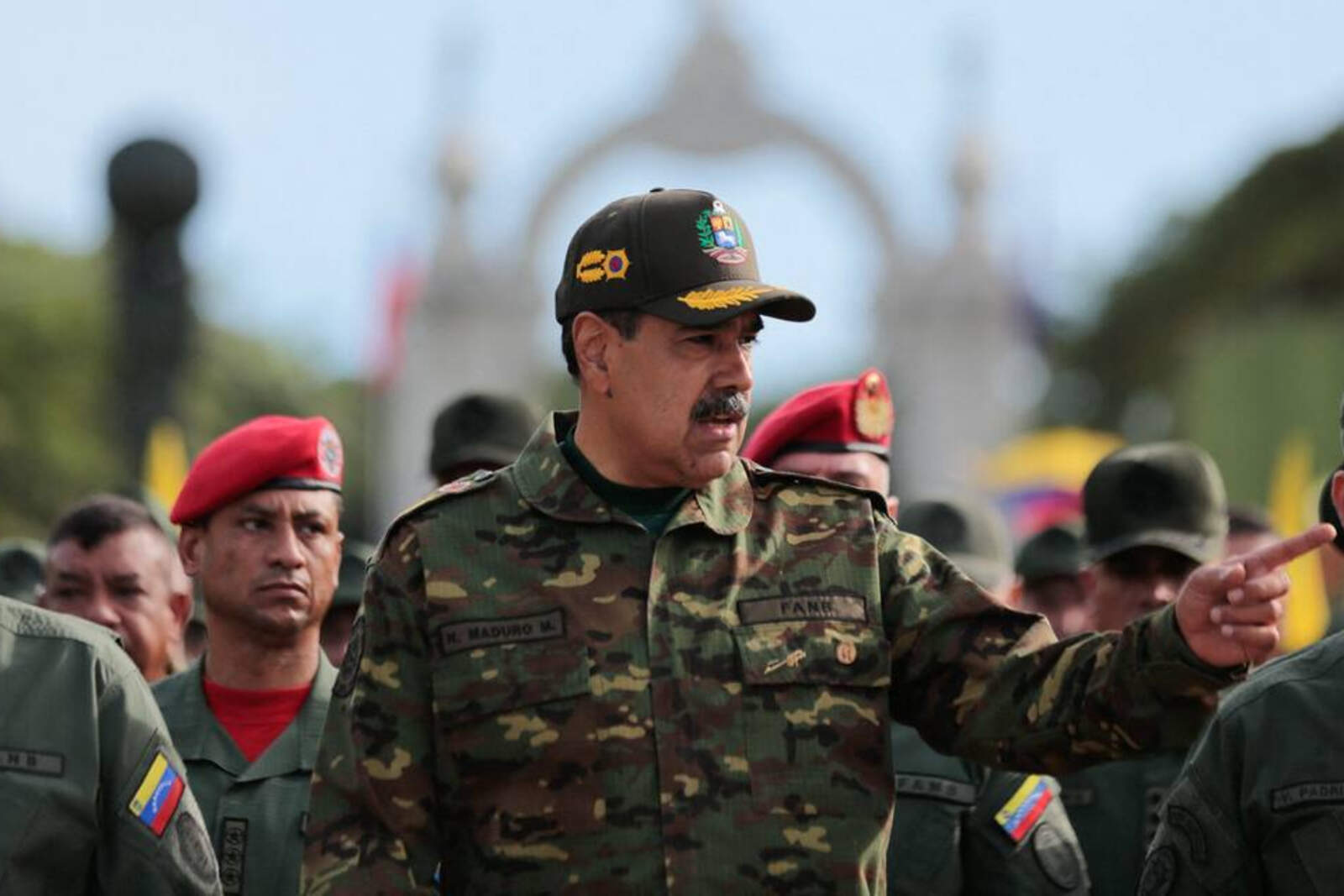
For years, Venezuela was Cuba's central energy backbone. Between 2020 and 2023, Venezuelan shipments reached peaks close to 30,000 barrels per day. However, that flow collapsed abruptly in 2024 and 2025, in a context marked by sanctions, diversions to the black market and, finally, Maduro's capture by the United States. Nicolás Maduro
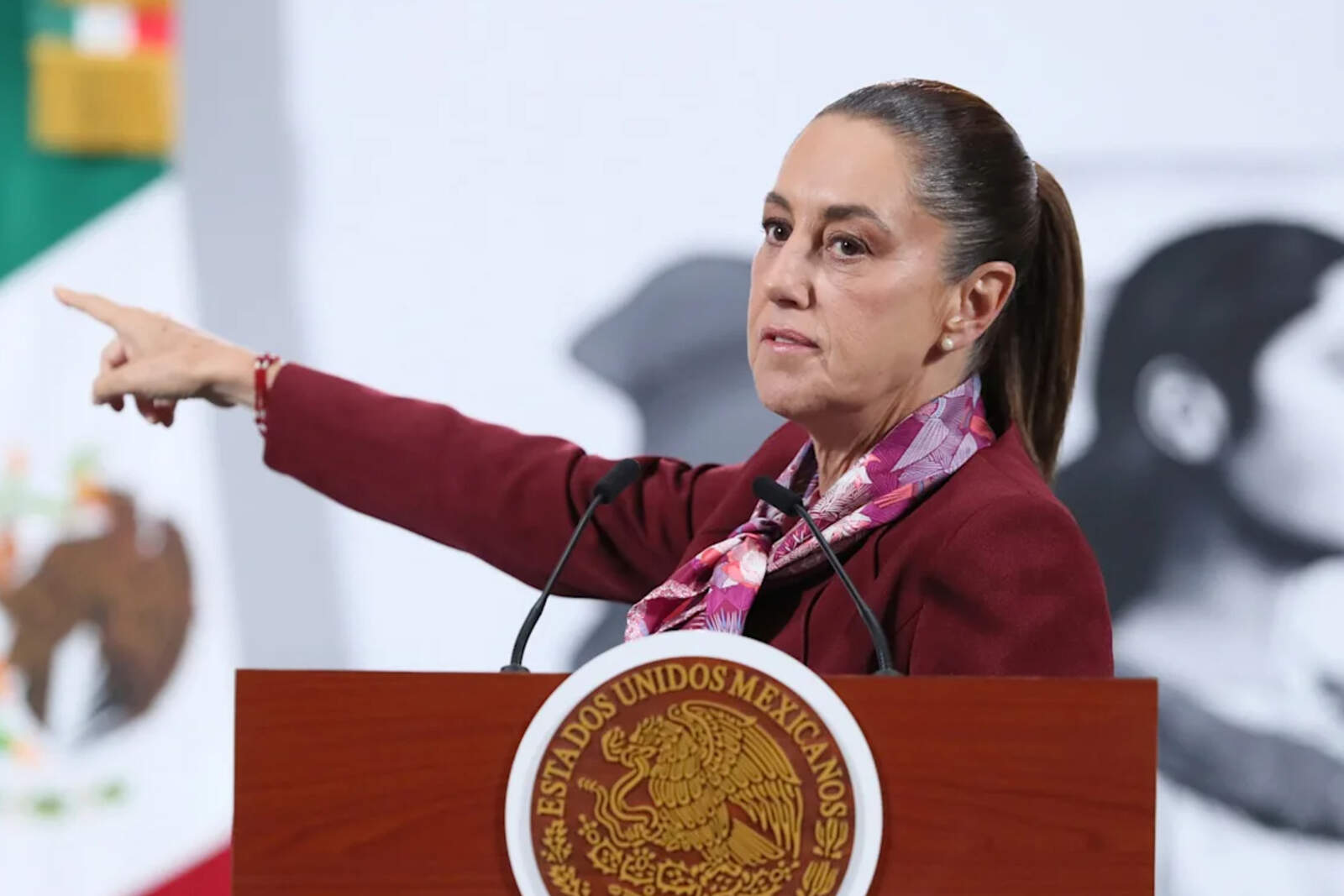
Mexico emerged in that vacuum. According to Kpler, the country governed by Claudia Sheinbaum exported in 2025 an average of 12,284 barrels per day of crude oil to Cuba, which represents 44% of the island's total imports. This is a 56% increase compared with the previous year, enough to push Venezuela into second place.
In contrast, Venezuelan shipments fell to about 9,500 barrels per day, just 34% of the total, a volume 63% lower than that recorded in 2023. Russia, Algeria and Libya complete the supplier scheme, although with clearly smaller shares.
Mexican state oil company Pemex confirmed the link in a stock market report filed in the United States in December, where it detailed that its subsidiary Gasolinas Bienestar sent 17,200 barrels per day of crude oil and 2,000 of refined products to Cuba during the first nine months of the year. The value of those exports was estimated at about 400 million dollars. Pemex asserted that the operations were carried out "within the legal framework".
The fact did not go unnoticed in Washington. After Maduro's capture, President Donald Trump stated that the Cuban regime was "ready to fall" due to its historic dependence on Venezuelan oil. However, the increase in Mexican shipments allowed Havana to cushion the blow and sustain its fragile economy, which is plagued by daily blackouts, a shortage of foreign currency and a collapse in tourism. Claudia Sheinbaum.
The Mexican decision exposes Sheinbaum's government to a direct conflict with the United States. In December, the Trump administration publicly reproached Mexico for not playing a "constructive regional role" aligned with the objectives of U.S. foreign policy. Republican lawmakers of Cuban origin even warned of possible trade consequences in the review of the free trade agreement scheduled for 2026.
Far from backing down, Sheinbaum defended the crude oil shipments to Cuba as a sovereign decision and condemned Maduro's capture, describing it as a unilateral action. Meanwhile, Mexico not only replaced Venezuela as an energy supplier, but came to occupy a key role in the survival of the Cuban dictatorship, at a moment of maximum geopolitical tension in the region.