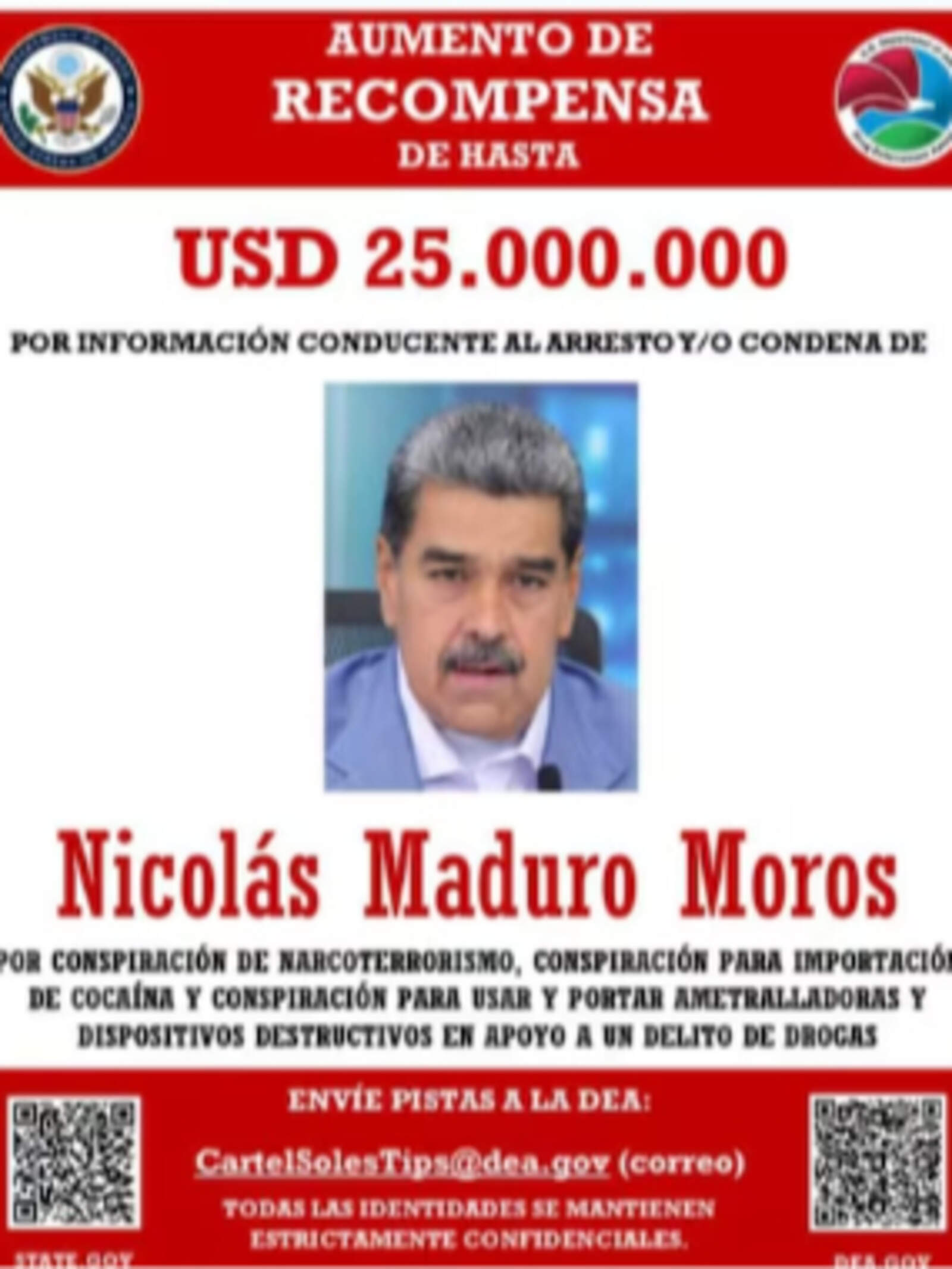

Javier Milei's government took a historic step in the fight against organized crime by declaring the Cártel de los Soles a terrorist organization, following the lead of the United States, Paraguay, and Ecuador. This measure will allow progress with investigations and possible arrests of members of that criminal network, led by dictator Nicolás Maduro, who are believed to have already carried out suspicious financial operations in Argentina.
Official sources confirmed that members of the narco-criminal group entered the country and even established family ties in Buenos Aires. "Many of them have their families here, their wives live in Buenos Aires, and their children attend schools in the city, because not even they trust leaving their loved ones in Caracas. We know that officials from the Bolivarian regime may have entered at some point," revealed an official familiar with the investigation.
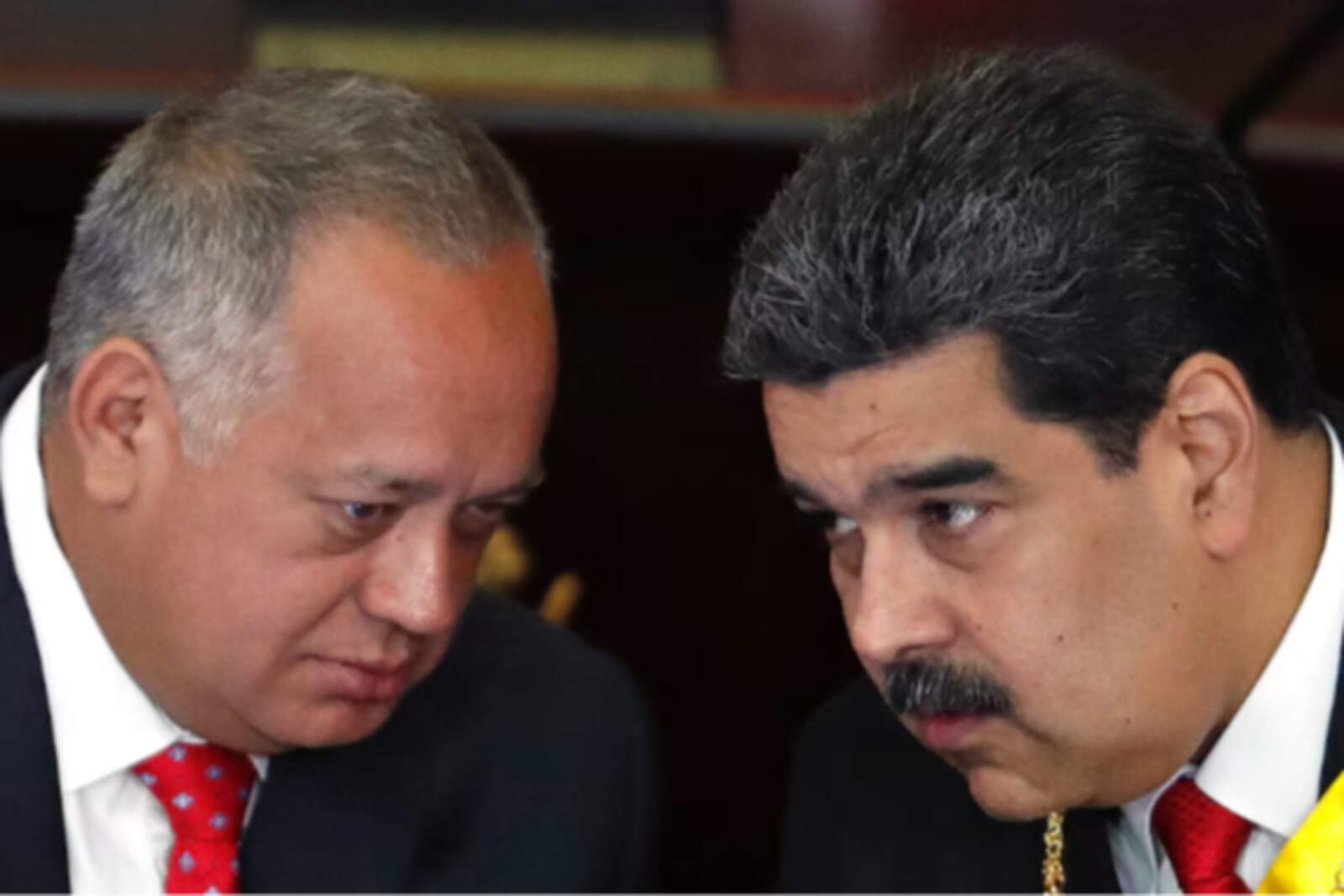
Based on this information, the Argentine judiciary opened several cases under seal, investigating maneuvers related to the purchase of properties, acquisition of high-value assets, and suspicious transfers.
The Ministry of Security, under the leadership of Patricia Bullrich, prepared a report with the background justifying the decision to add the cartel to the Public Registry of Persons and Entities Linked to Acts of Terrorism and Their Financing (RePET), which also includes organizations such as Hezbollah and Tren de Aragua.
According to the intelligence report, the Cártel de los Soles—whose name comes from the sun insignias worn by generals of the Bolivarian National Guard—controls 25% of the world's cocaine trade. The criminal structure is embedded at the highest levels of the Chavista regime: from Maduro himself and his right-hand man, Diosdado Cabello, to dozens of ministers and generals linked to the National Guard.
Although the organization would not have regular operations in Argentina—since its main market is concentrated in the United States, Mexico, and Europe—the libertarian government decided to act preventively in response to the regional expansion of these cells. The official document warns of the "real or potential risk to the internal security, life, and property of the inhabitants," and points to the cartel's alliance with other violent groups such as Tren de Aragua, Hezbollah, and Cártel de Sinaloa.