The government of Javier Milei, through the Ministry of National Security, now under the new leadership of Alejandra Monteoliva, is driving one of the most ambitious transformations of the libertarian administration in terms of border security.
Work is underway to create a Migratory Police, a new specialized force that will assume patrolling and surveillance of border crossings in place of the current system. The initiative aims to modernize the migration control system, combat illegal immigration, and strengthen the State's capacity to address crimes that occur in border areas.
The project did not originate with Monteoliva's arrival. Her predecessor, Patricia Bullrich, devoted much of her administration to promoting the creation of this force, provided for in the Migration Law and politically supported by President Javier Milei. During those months, Bullrich even managed the transfer of the National Directorate of Migration to the Security sphere after discussions with the then Chief of Cabinet, Guillermo Francos.
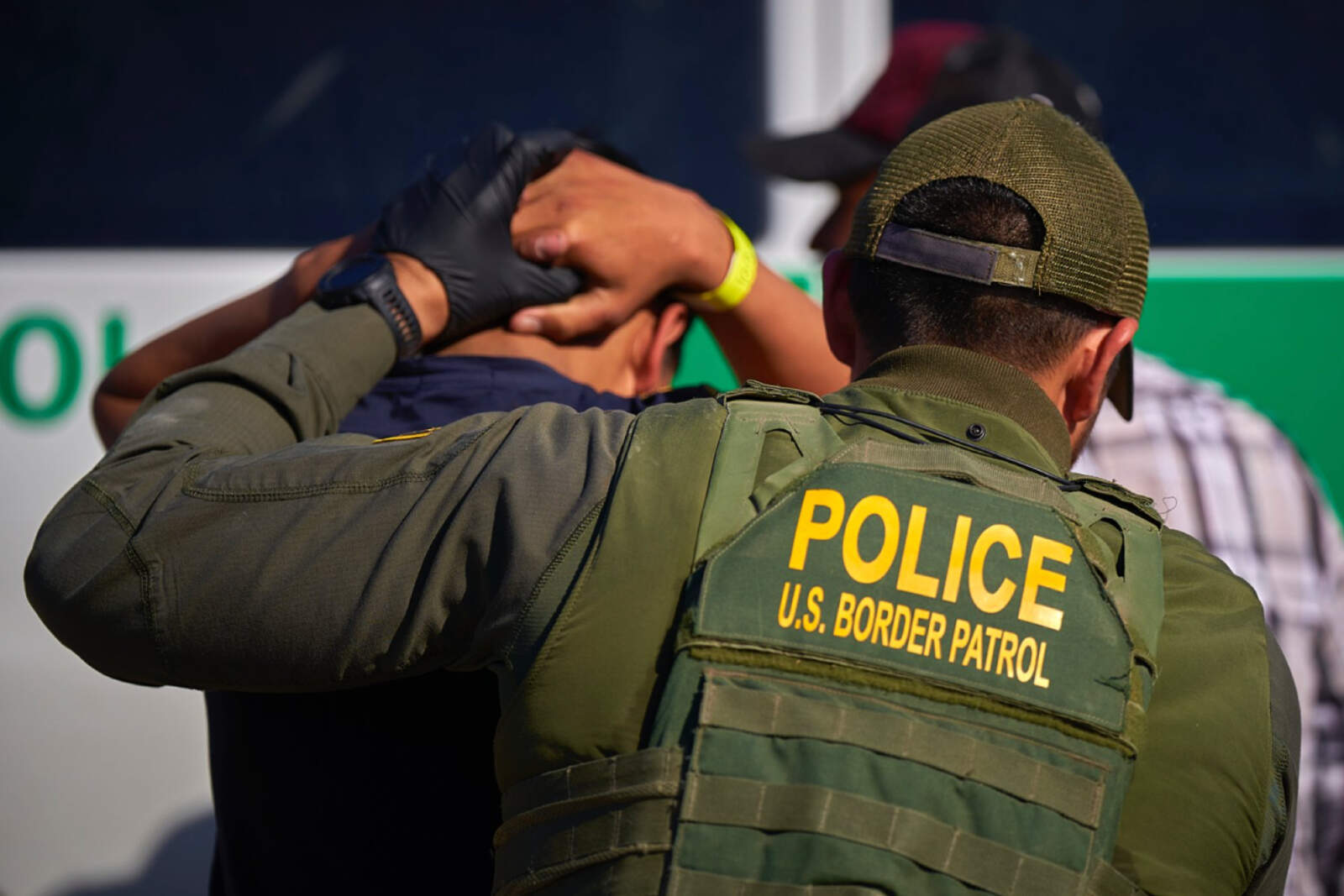
La Patrulla Fronteriza de EEUU
The initiative was set forth in decree 366/2025, which redefined the role of each force. There, it was established that Prefectura Naval, Gendarmería, Airport Security Police, and the Federal Police would operate as "Auxiliary Migratory Police" and that "in such functions, they will be required to provide the National Directorate of Migration with any assistance requested." However, the government's objective is to progressively replace that system with a new, exclusive, and professionalized force.
Currently, supervision of land crossings remains in the hands of Gendarmería, and airport security depends on the PSA. For Monteoliva's team, this is insufficient. "It is necessary to modernize border control. It is not Gendarmería's specialty. Migration needs to be professionalized," stated a key source following the reform.
The libertarian administration presents an operational and political urgency: reinforce the border and organize migratory transit. Training, technology, and new protocols will be the three pillars of action.
The plan includes specific training to address the main issues at the border: human trafficking, drug trafficking, and terrorism. The Ministry insists that illegal immigration and organized crime require a different approach from traditional forces. "It needs to be done immediately. This is a cultural change. The logic is that Migration must control border crossings; otherwise, it is a waste," they explained.
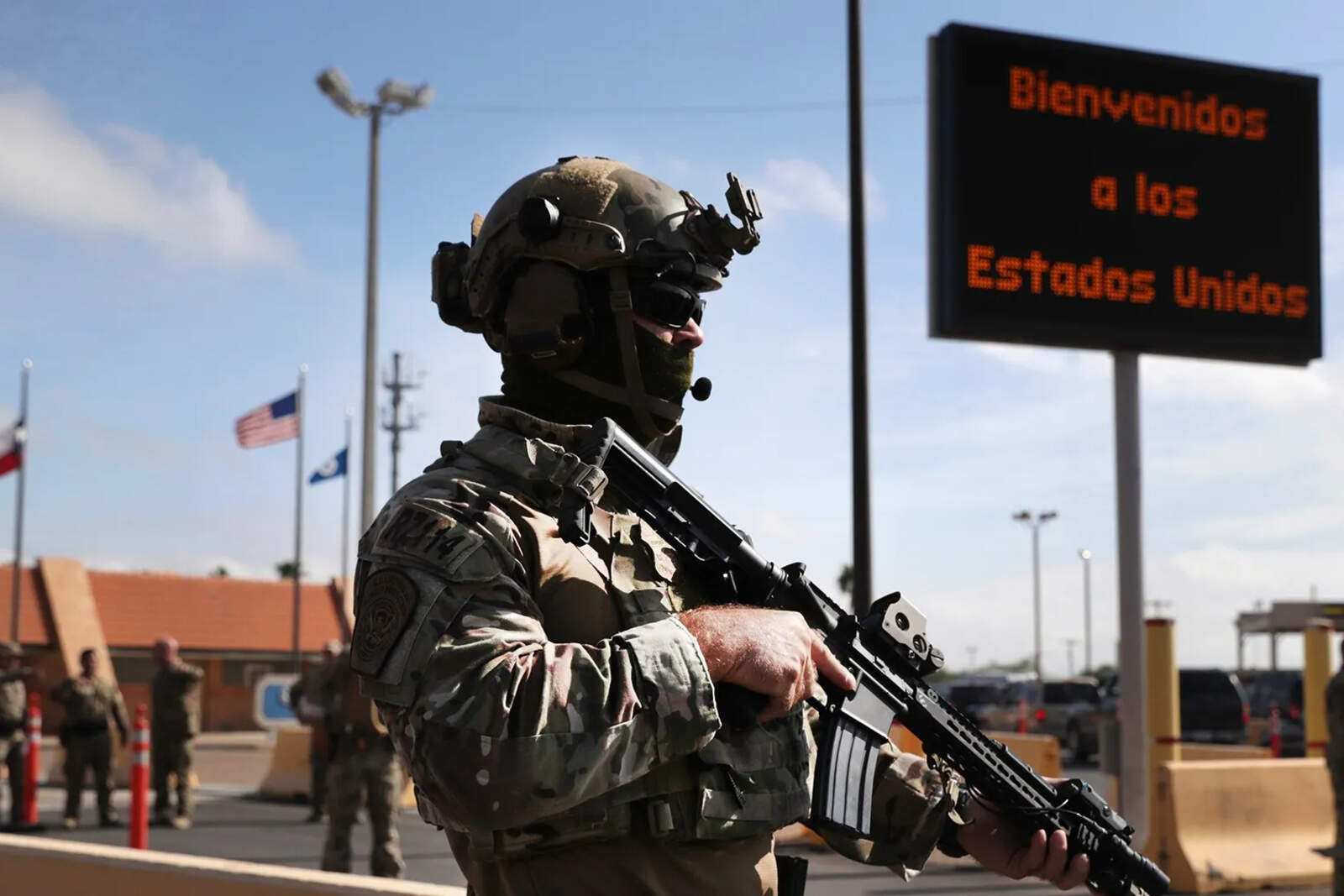
La Patrulla Fronteriza de EEUU
Although the institutional design is advanced, with the structure and chain of command already defined, the budget discussion is still open. Funding for 2026 is not included in the official forecast, although the Executive is confident that an adjustment will be made in Congress or, failing that, that costs will be covered with already allocated resources. "Only the political decision to create it was missing, and we made it. The numbers are not high; we will find a way," they assured.
The force will initially be composed of personnel reassigned from other institutions, who will be trained for their new roles. "We are not talking about large numbers because there would be a reassignment of human and operational resources. In addition, Migration's administrative structure is already functioning," government sources clarify.
Meanwhile, the reform includes changes in the Argentine Federal Police. Milei had already anticipated this direction in June when presenting the Federal Department of Investigations (DFI): "From today, we will have a Federal Police no longer focused on patrolling the streets, as local police do, but dedicated to dismantling criminal organizations."
The model chosen by the libertarian administration is directly based on the US Border Patrol. It also follows the path of international cooperation that Bullrich consolidated in October by signing an agreement with the FBI and the State Intelligence Secretariat (SIDE) for joint efforts against drug trafficking, terrorism, and cybercrime.