Milei also slipped criticisms toward the city administration for failing to fulfill fiscal promises:"They promised tax cuts and ended up raising them because public spending increases. There's a problem, which I understand is in the City. They've mocked people to their faces."
Asked about his relationship with former President Mauricio Macri, Milei clarified:"I didn't remove Macri, it's the place where he decides to put himself. If he decides to stand on socialist ideas to defend, who knows what in the City, let him explain the difference. The vast majority of PRO leaders not only work with us but also embrace the ideas of freedom."
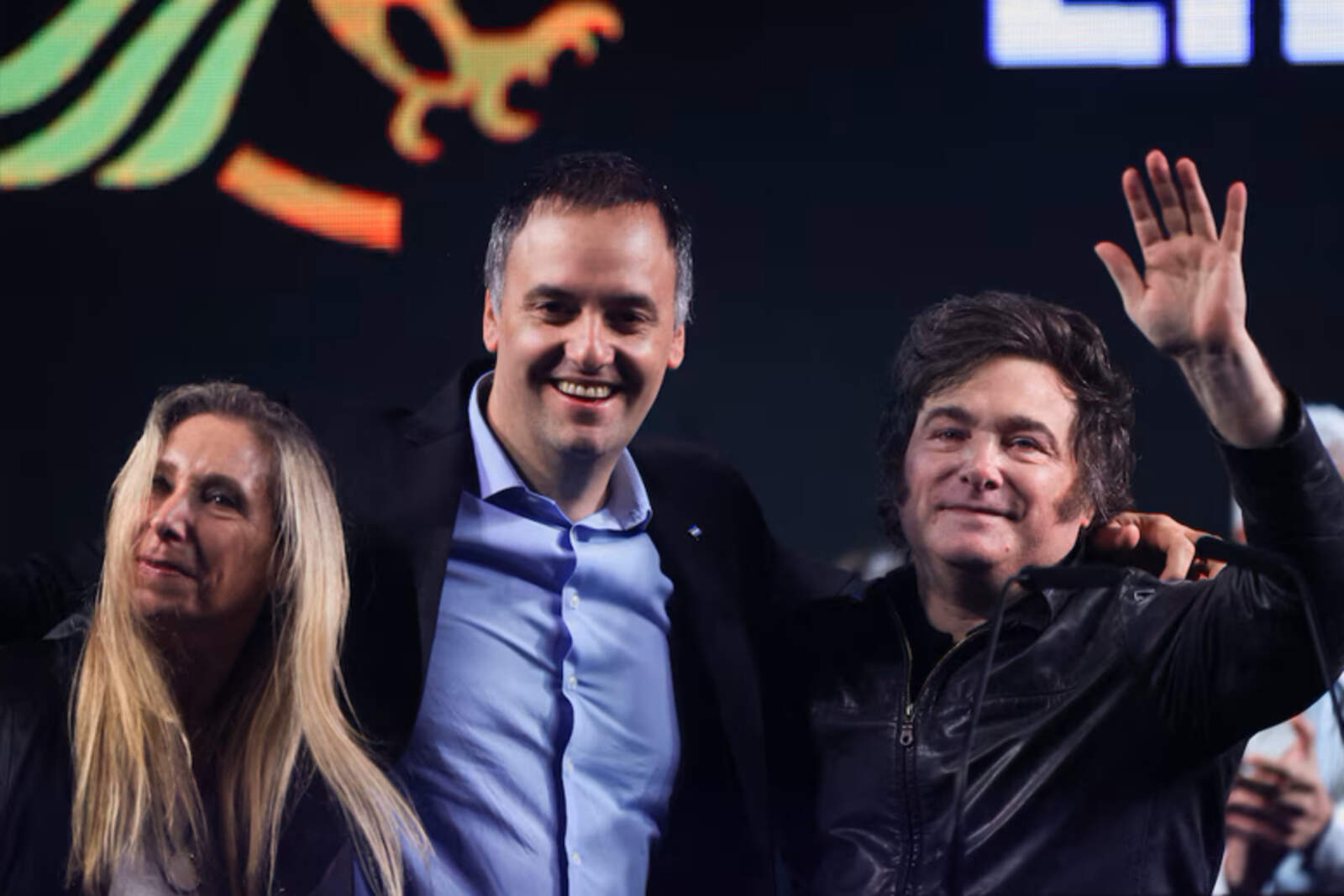
Javier Milei, Manuel Adorni y Karina Milei tras la victoria electoral en la Ciudad de Buenos Aires.
In another part of the interview, the president proudly praised the work of his sister and Secretary General of the Presidency, Karina Milei."She has always been underestimated, and she responds with results. Let them keep underestimating her, it seems she has some skills they don't understand, don't know, or don't want to see. If it weren't for her, I wouldn't have been able to be a deputy or president. I also wouldn't continue giving lectures," he expressed.
Regarding the catastrophe caused by the floods in the northern area of the province of Buenos Aires last weekend, Milei was blunt in blaming Peronism for the unfulfilled works:"The province has always been governed by Peronism, who are the champions of social justice and public works. They promised the works, didn't do them, so they defrauded the people."
In relation to the public works model promoted by his administration, he reiterated his commitment to private participation schemes:"We are trying to advance in that, so that the private sector itself is the one driving it," he explained.
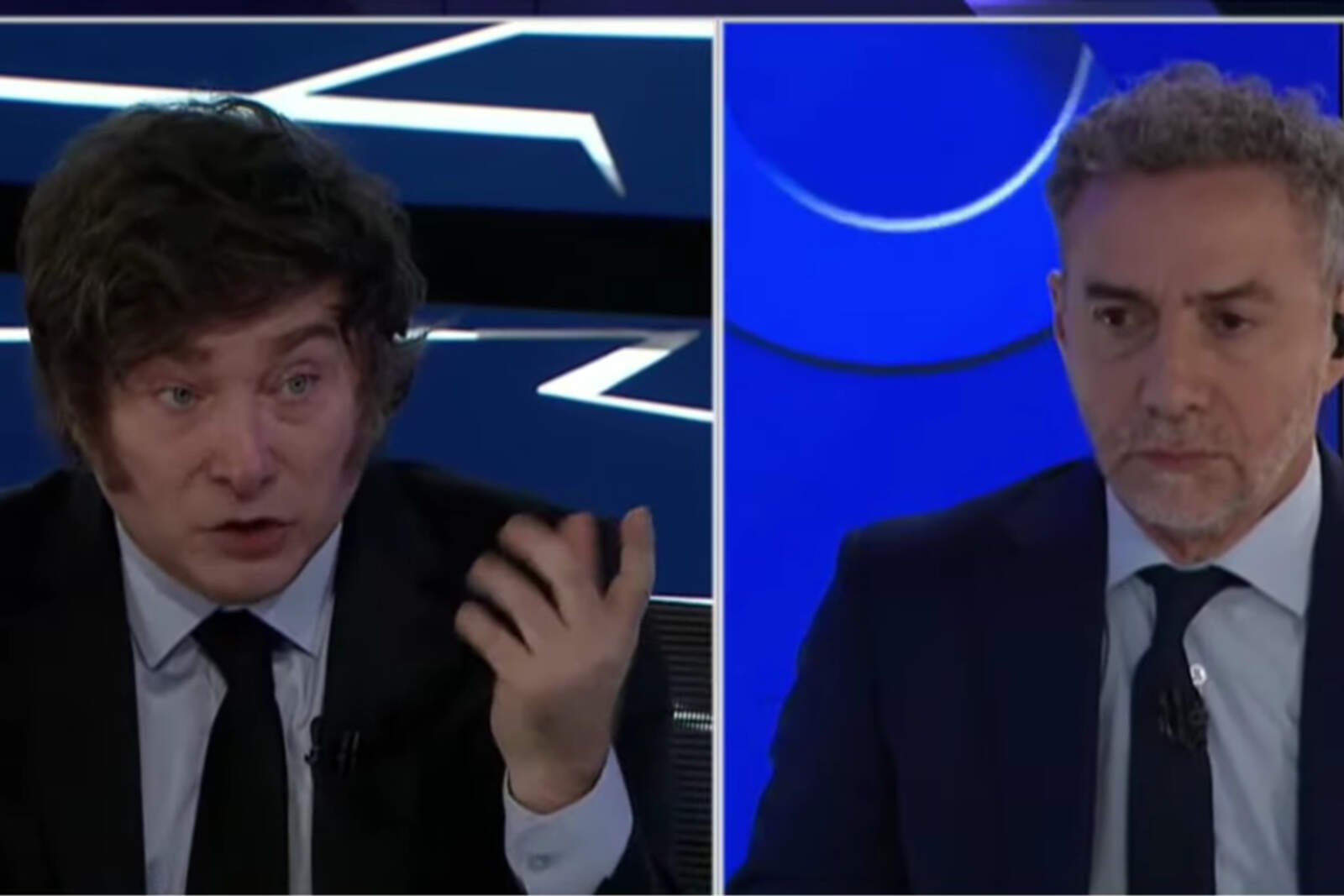
In a new gesture of openness and political leadership, President Javier Milei called for building an electoral agreement with figures from the PRO ahead of the elections on September 7 in the province of Buenos Aires. During an interview with Luis Majul on LN+, the president emphasized the need for unity against Kirchnerism, which he claimed to have beaten "very narrowly" in previous instances, but warned:"I don't like the problem of statistical error."
"We alone beat Kirchnerism, but we beat them very narrowly. And I don't like the problem of statistical error. This is the direction, and we must align. If we all go together, we beat them by more than 10 points. And I want to win, if it were up to me, 70 to 30," Milei stated bluntly.
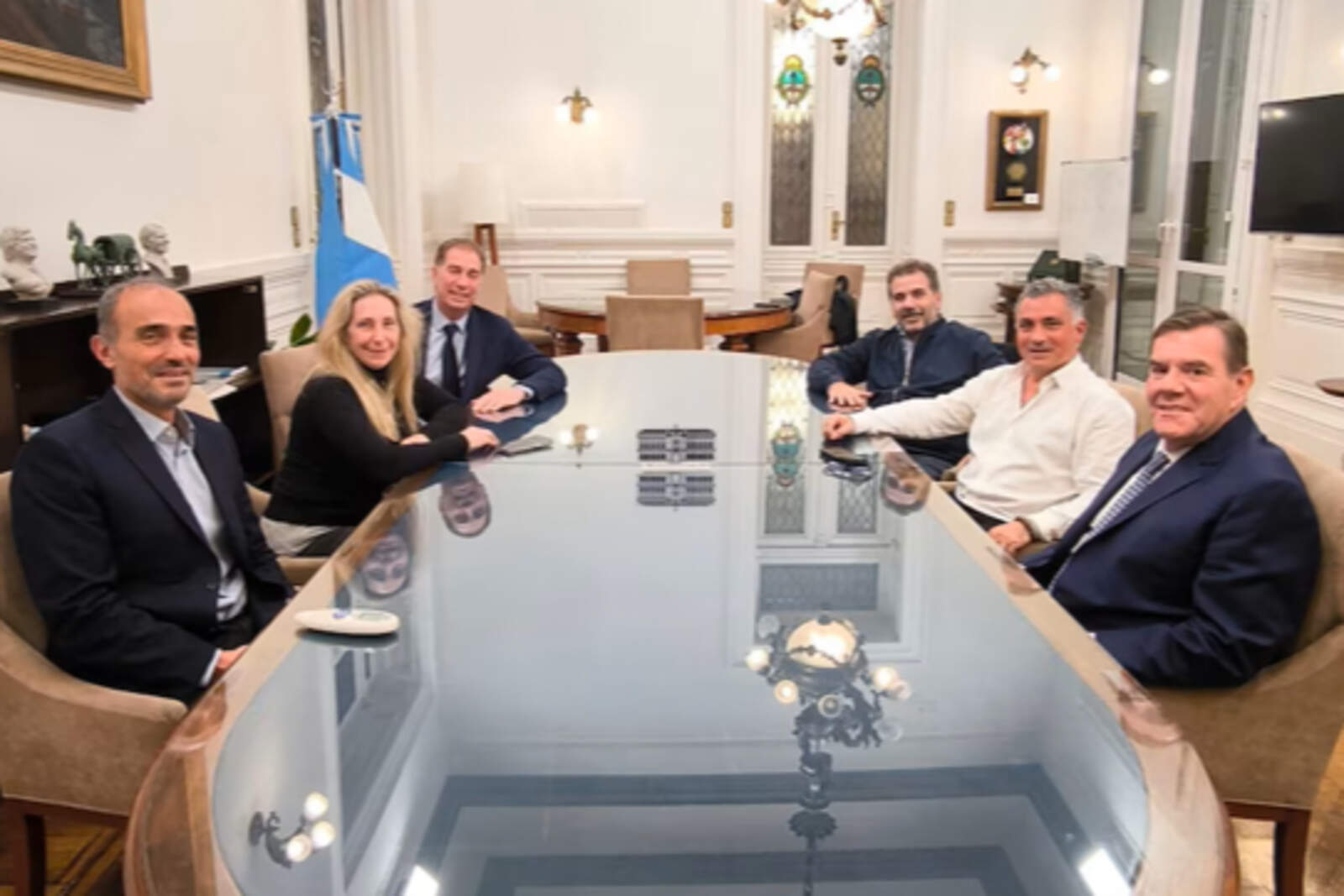
Karina Milei discute un acuerdo con el PRO.
The resounding victory of La Libertad Avanza in Buenos Aires City strengthened its position as a national political force and reinforces the president's intention to expand the support base in key districts."We can't risk winning the province of Buenos Aires. The colors are the violets that beat Kirchnerism. Out of 5 elections, it won 5 to 0. We welcome all those willing to embrace the ideas of freedom," the head of state said, describing the possible agreement with the PRO as "violet," in reference to the libertarian movement's signature color.
In that context, Milei did not avoid addressing the tensions that arose in Buenos Aires City due to the decision to split the local elections. "I don't feel it's broken. Things happened. If he calls me, I answer. Let's agree that my schedule is more complicated. The one who loses greets, not the one who wins. It's a matter of form," he declared. And he was categorical in pointing out what he considers a strategic mistake by Jorge Macri:"There the head of government makes a lethal mistake: splitting the elections. He can't overwhelm the people."
Meanwhile, he criticized certain inconsistencies of the PRO during the campaign. "Macri in some things is not so close to the ideas of freedom. The PRO's campaign left some doubts because they talk about more public works, which is a huge source of corruption, the inconsistency of lowering taxes without reducing the state... we know how it works," he pointed out.