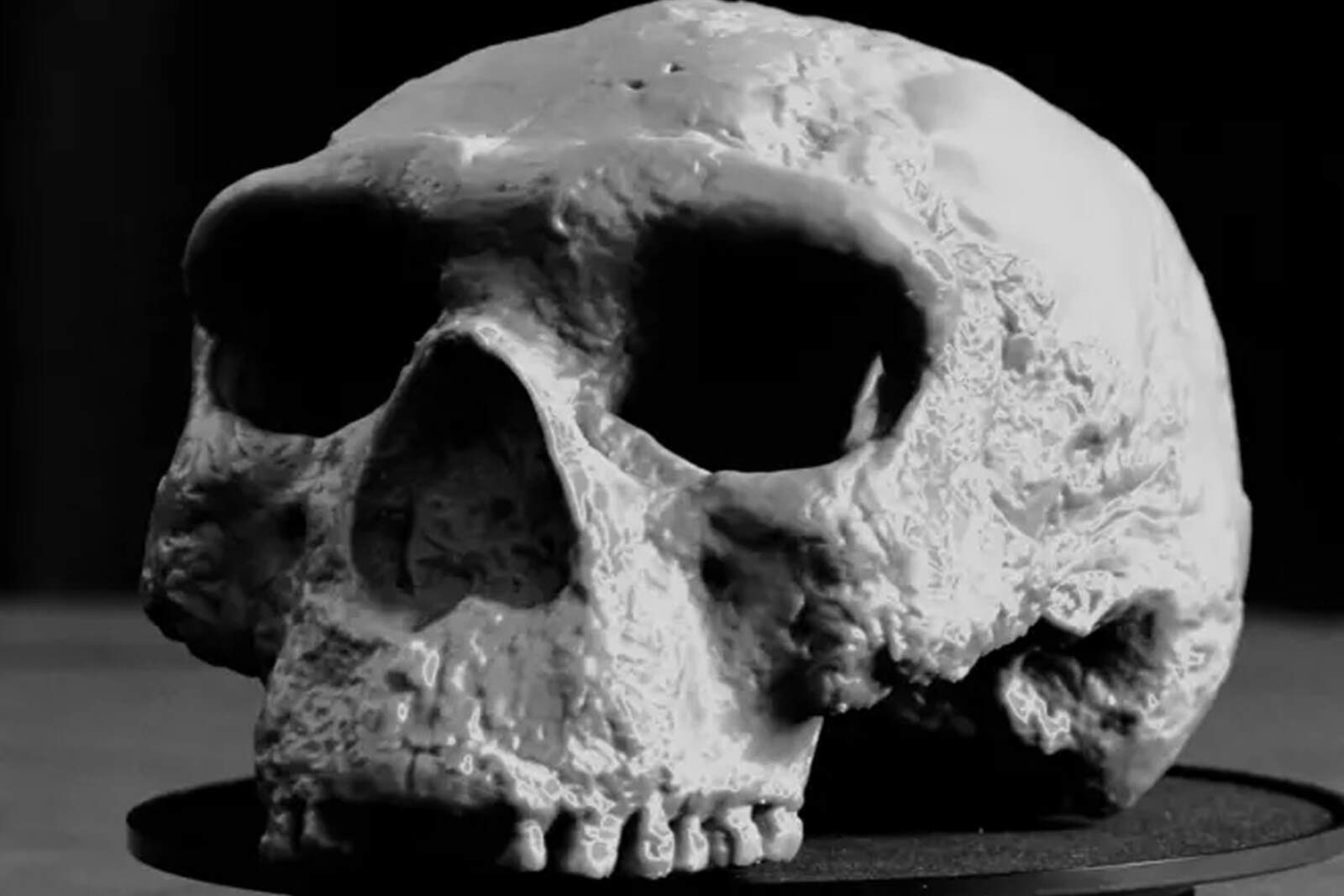
A human skull found in China, one million years old (2,204,623 pounds), could rewrite the history of Homo sapiens. Researchers claim that our species emerged half a million years earlier.
The study, published in Science and led by scientists from Fudan University and the Natural History Museum of the United Kingdom, has caused surprise within the scientific community. It opens debates about the chronology of human evolution.
Un cráneo humano hallado en China, de un millón de años de antigüedad, podría reescribir la historia del Homo sapiens
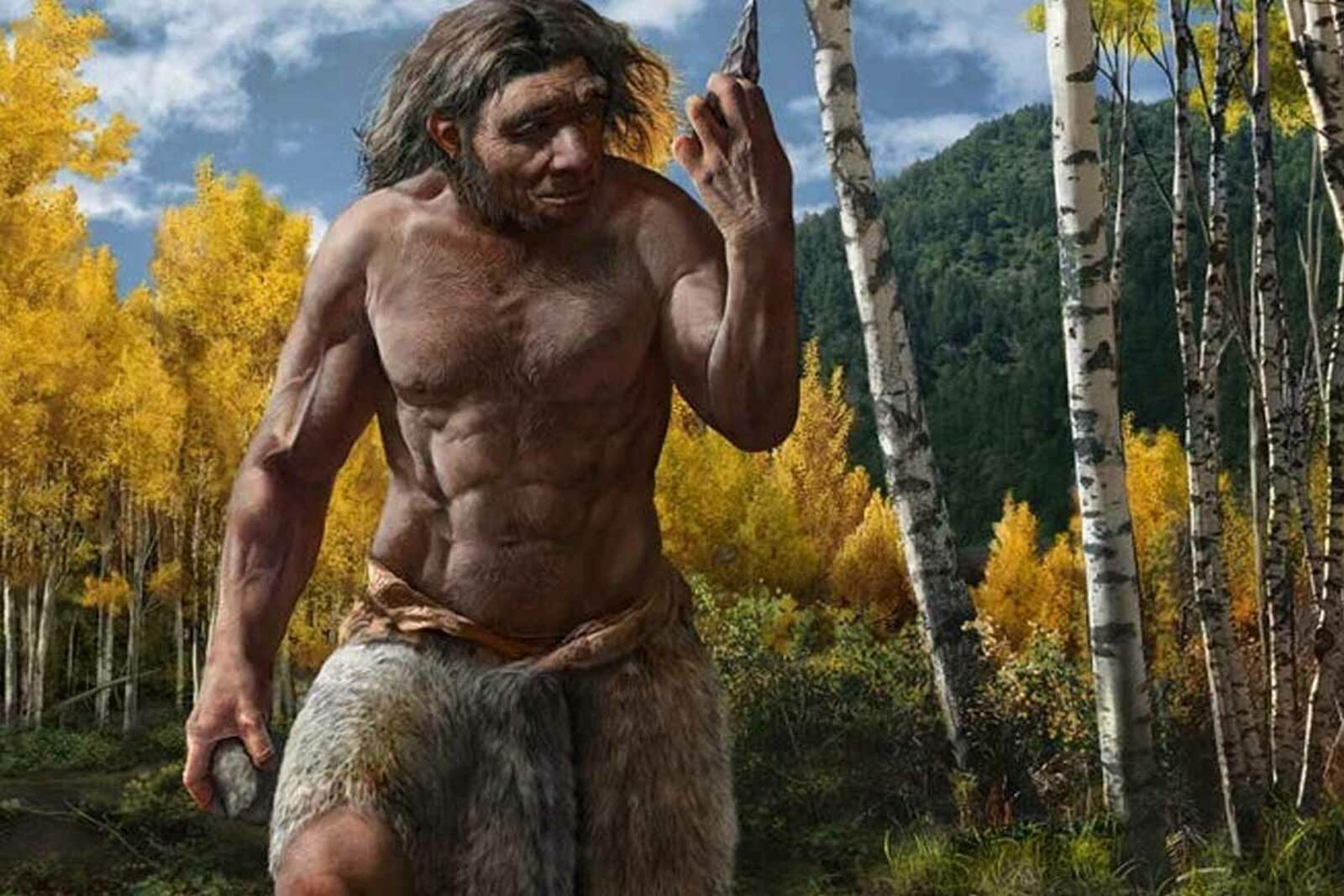
Homo longi: the skull that changed history
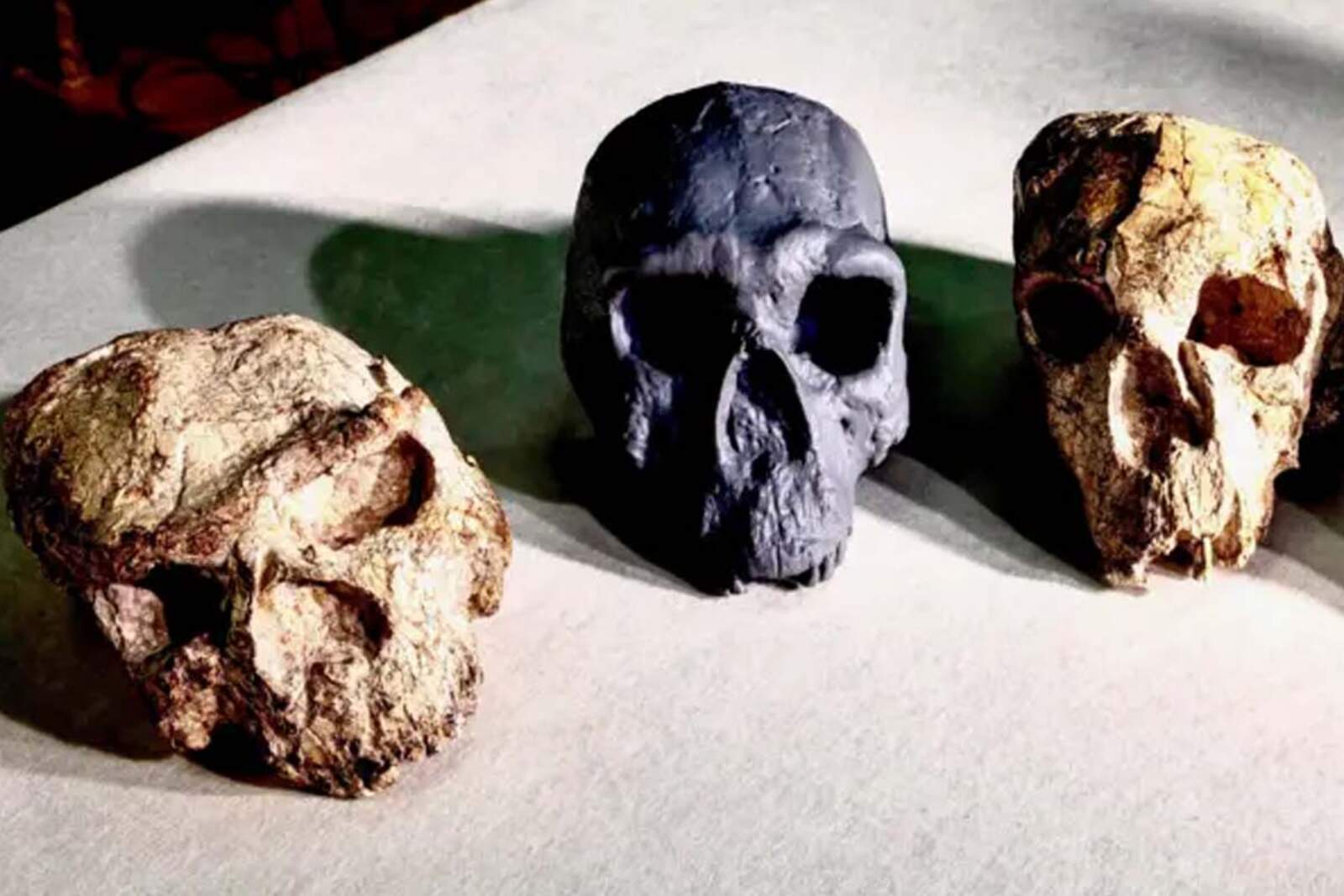
The fossil, called Yunxian 2, was initially identified as Homo erectus. However, detailed analyses suggest that it belongs to Homo longi, a sister species to Neanderthals and Homo sapiens, with similar levels of development.
"From the beginning it seemed unbelievable to us," stated Xijun Ni, co-director of the study to BBC News. After multiple tests and models, they confirmed their finding and highlighted the relevance of this skull for understanding the evolution of humans with large brains.
Coexistence and revised chronology
The discovery indicates that Homo sapiens, Neanderthals, and Homo longi coexisted for about 800,000 years. This considerably extends the estimated periods of interaction between the species, something that was previously considered much more limited.
Análisis detallados sugieren que pertenece a Homo longi
For Chris Stringer from the Natural History Museum, this finding suggests that older Homo sapiens fossils could exist in Asia, although they haven't been found yet. The evidence changes the way of interpreting fossils that are difficult to classify within the "big three" of evolution.
Methods and precautions
The team combined cranial shape analysis and genetic data to determine the species of Yunxian 2. However, experts such as Aylwyn Scally from Cambridge warn about the uncertainty of temporal estimates and the need for more evidence.
El equipo combinó análisis de forma craneal y datos genéticos para determinar la especie de Yunxian 2
The skull was digitally reconstructed and replicated in 3D to assess its original shape. Thanks to this, the researchers were able to place it as a more advanced human group, separate from Homo erectus, and better understand the evolution of our species.