
United States introduced the Genesis Mission this week, an ambitious program that seeks to apply artificial intelligence in strategic areas such as defense, biotechnology, and space exploration. The initiative, backed by Donald Trump's administration, aims to accelerate scientific discoveries and boost the country's competitiveness in frontier developments.
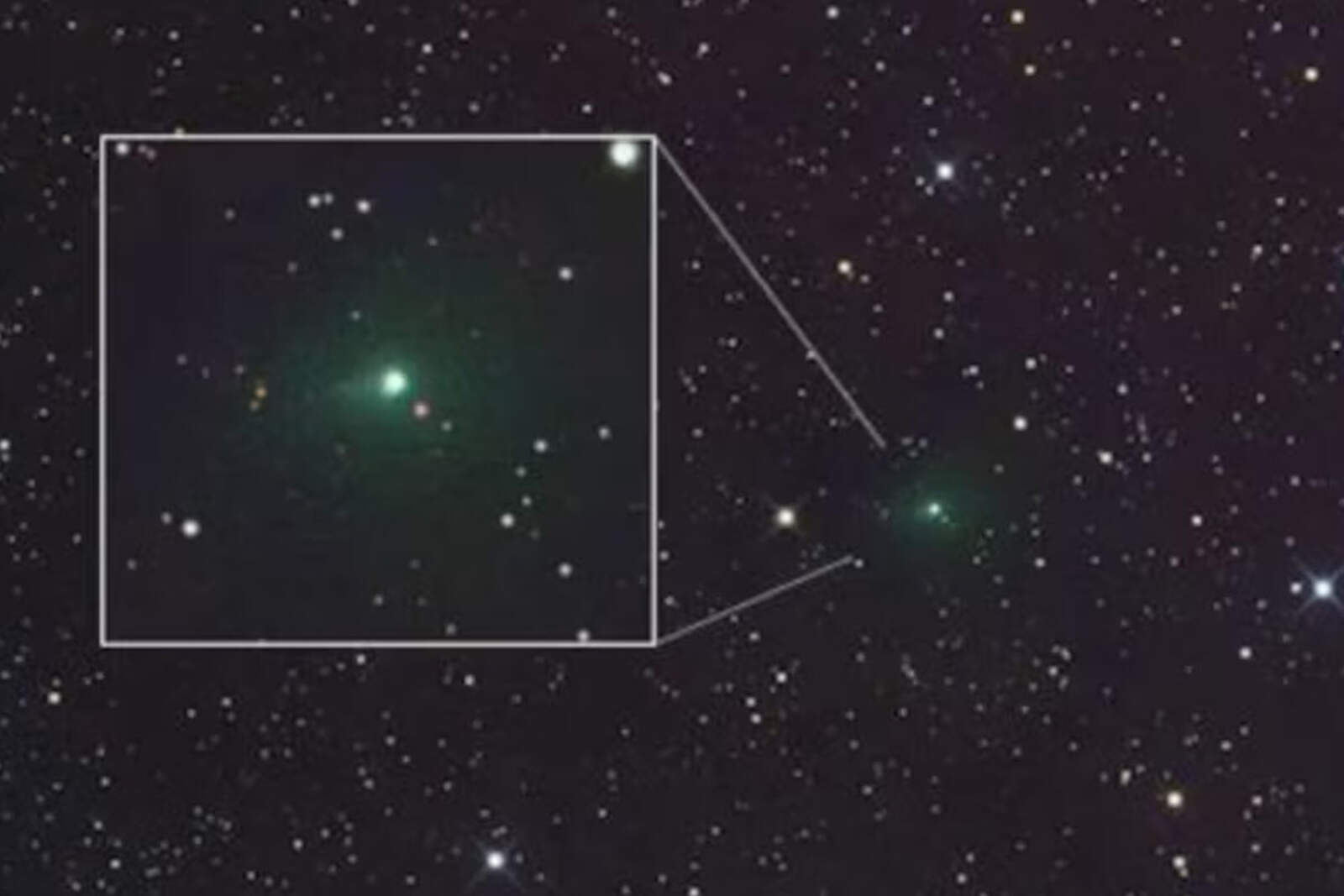
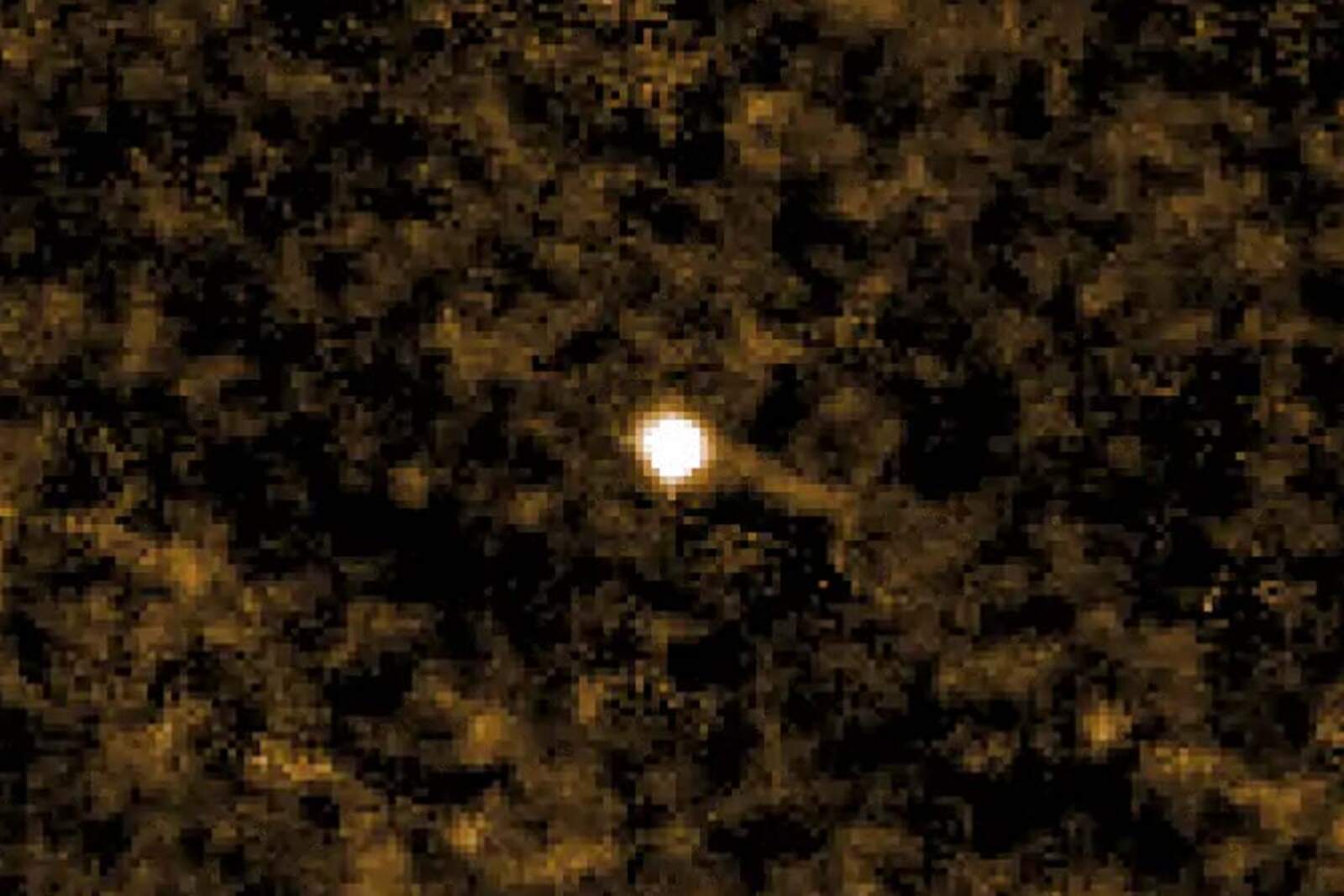
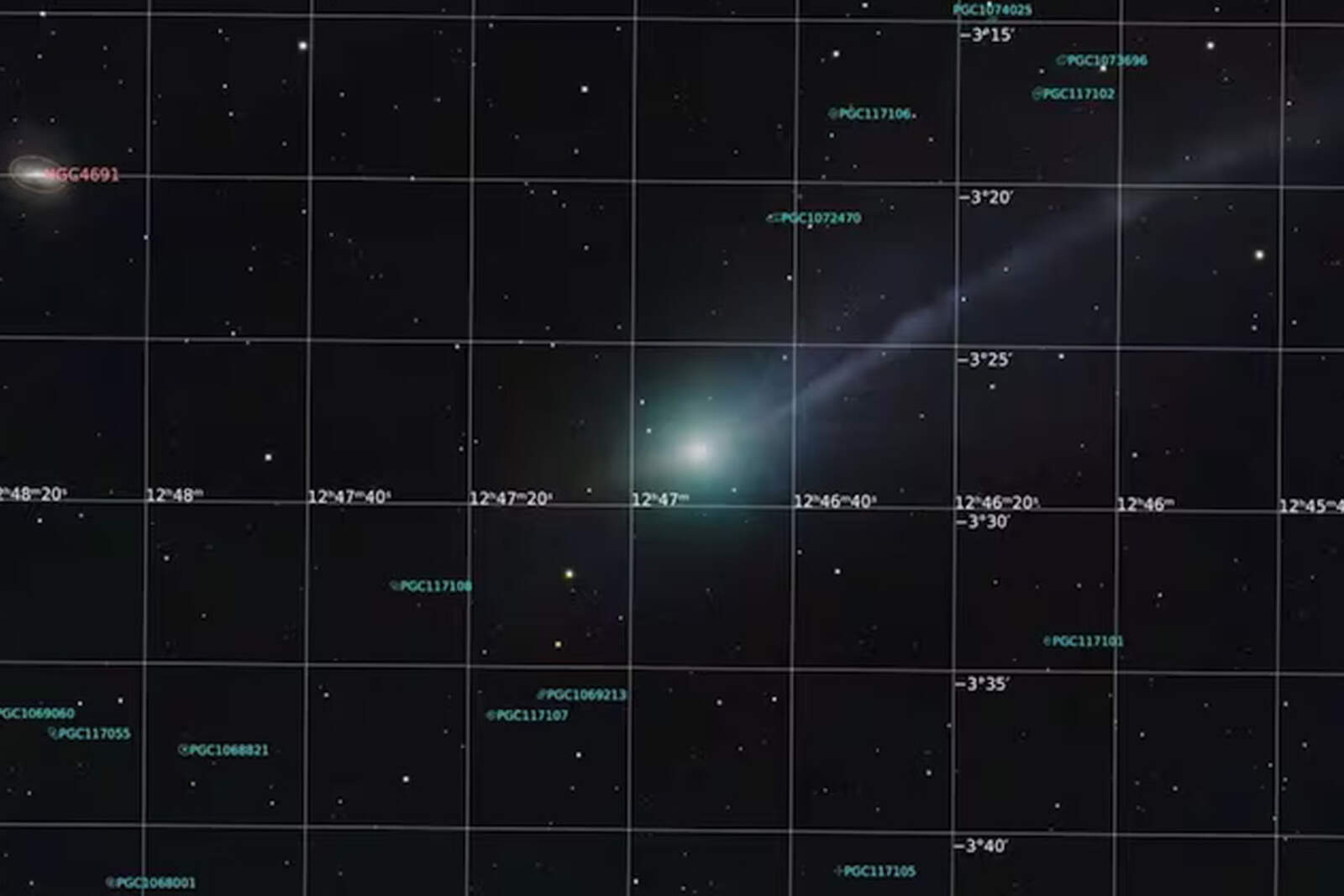
Within the project, one of the areas that has caused the most interest is the analysis of the interstellar comet 3I/Atlas, whose atypical behavior has reignited debates in the scientific community about its possible origin. AI could provide unprecedented tools to unravel these questions.
Why 3I/Atlas challenges traditional methods
Observatories have managed to gather a huge amount of data on 3I/Atlas, but its subtle variations have revealed the limits of current techniques. In order to understand its trajectory and behavior, specialists need systems capable of comparing millions of possible scenarios in a matter of seconds.
This is where the Genesis Mission comes into play, proposing advanced algorithms to identify statistically anomalous patterns and simulate trajectories with greater precision than classical methods.
A possible technological origin? The debate dividing experts
One of the most discussed proposals comes from astrophysicist Avi Loeb, who suggests that certain irregularities of the comet could be compatible with a technosignature, that is, signs of advanced technology. Although the idea doesn't generate consensus, there is agreement that more powerful tools are needed.