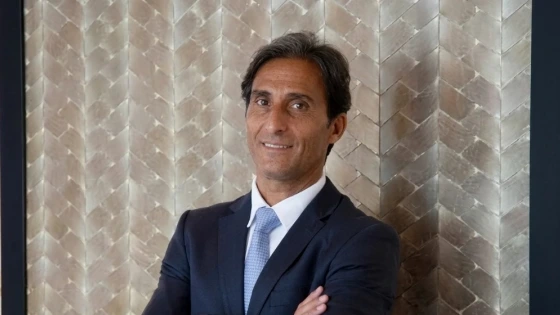
The chief economist for Latin America at Morgan Stanley, Fernando Sedano, shared his views on the economic outlook for Argentina and considered that the country has already gone through the most complicated stage of its stabilization process.
During his participation in the Alaya Summit 2026, held in Mendoza, he stated: “I have a constructive view” and added: “I believe that probably the worst is already over.”
The event, organized from November 9 to 11 for the 15th anniversary of Alaya, brought together entrepreneurs, investors, and key figures from the ecosystem. In this context, Sedano presented his economic outlook for 2027 and highlighted various factors that could favor the Argentine performance, with special attention to energy development and the evolution of purchasing power.
Fernando Sedano.
One of the main elements supporting his positive outlook is the transformation of the energy sector, which has shifted from recording a deficit to generating a growing trade surplus. According to the estimates he shared during his presentation, the favorable balance of the sector could be around USD 13 billion in 2026 and reach between USD 23 billion and USD 24 billion during 2027.
The economist linked this evolution to the expansion of the necessary infrastructure to transport and export oil from Vaca Muerta to the Atlantic. The increased export capacity would allow for a rise in foreign currency income and strengthen the availability of dollars in the Argentine economy.
“Perhaps that is where the authorities feel confident that they will have the dollars to honor debts and go through a year with much less volatility than we had in 2025,” Sedano noted.
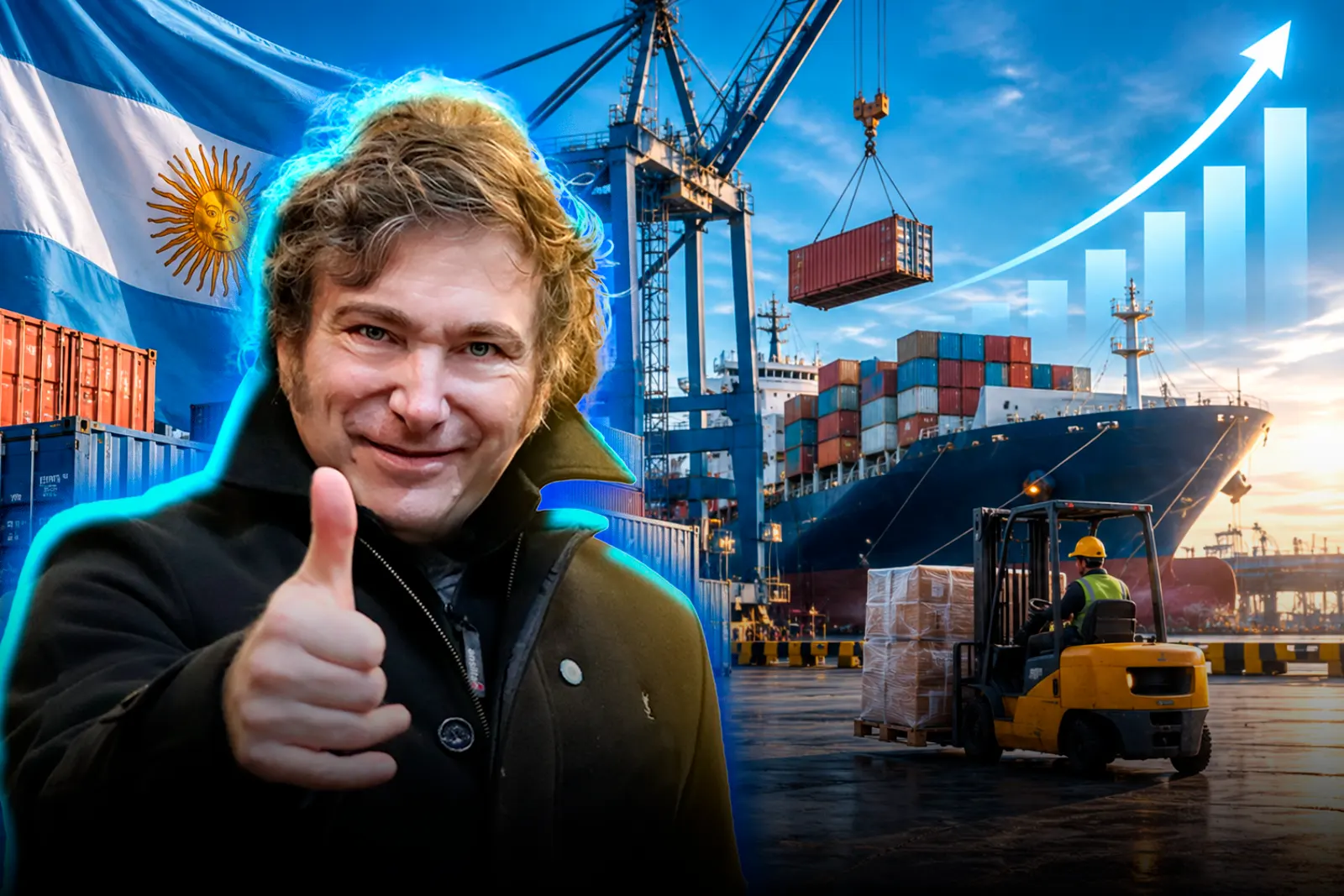
President Javier Milei.
Morgan Stanley projects a recovery of real wages in 2027
Another aspect highlighted by the economist was that the deceleration of inflation will allow for a gradual recovery of workers' purchasing power. In his analysis, if nominal wages continue to grow above prices, it will boost household consumption capacity.
Sedano suggested that exchange rate stability will be an important factor in sustaining this process and preventing a new acceleration of prices from interrupting the recovery of incomes.
“If Argentina is able to navigate 2027 without volatility in the exchange rate that impacts inflation, and we maintain these levels of inflation between one and a half and two monthly, it is likely that real wages will continue to recover,” he stated.
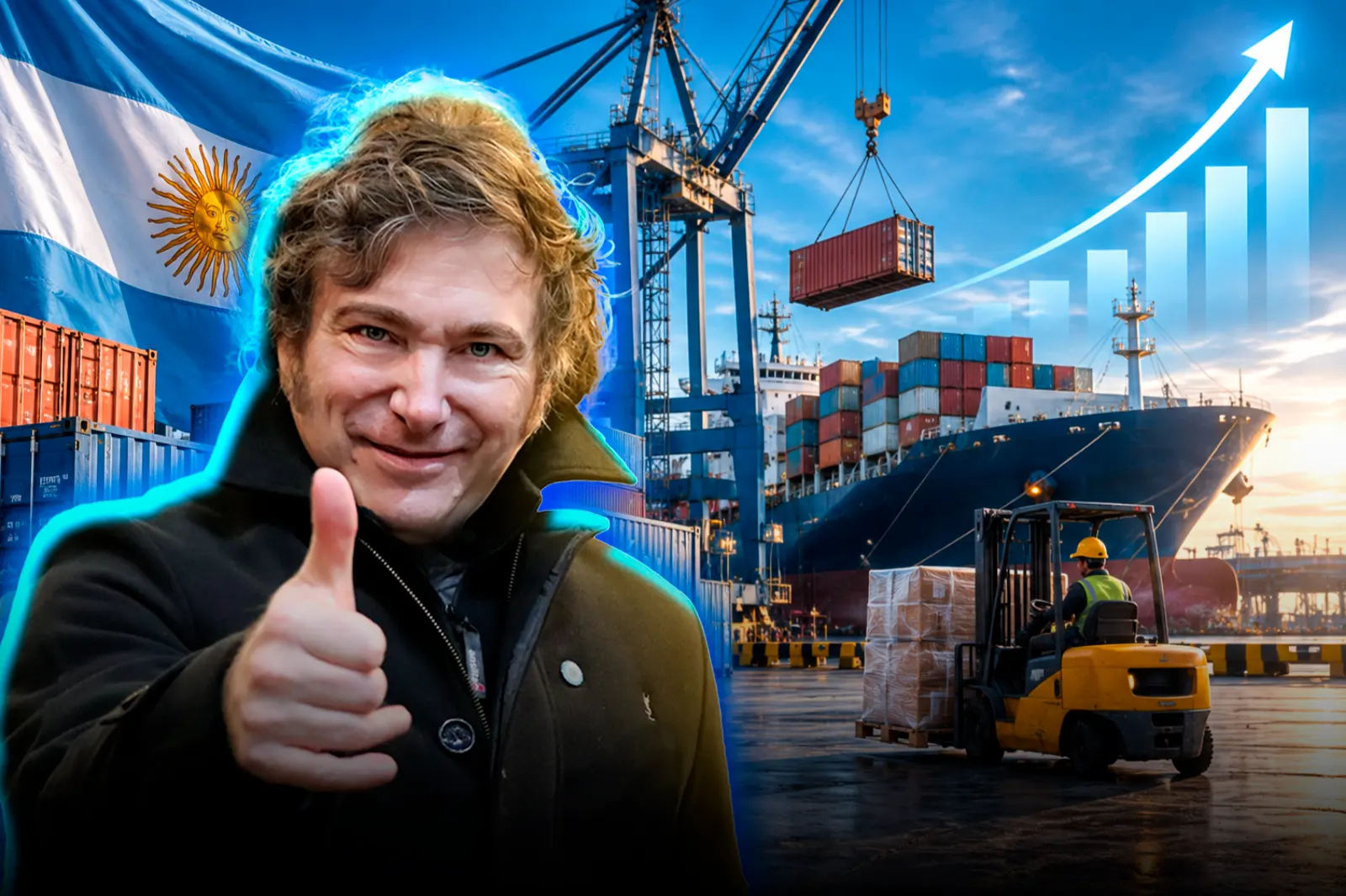
Javier Milei and Luis Caputo.
According to his perspective, an improvement in purchasing power could progressively translate into consumption and benefit sectors such as commerce and industry. He also identified recovery opportunities for construction, particularly from maintenance work on roads under private management.
Energy and mining, key sectors for investments
Sedano also noted that the continuity of economic policies could help unlock new investments in Argentina. In a first stage, he considered that the energy and mining sectors would concentrate a good part of those opportunities, although their effects could gradually extend to the rest of the economic activity.
His scenario for 2027 combines increased foreign currency generation from energy exports, exchange rate stability, and a progressive recovery of real incomes. These factors would contribute to improving economic performance and strengthening conditions to attract investments.