The review of the appeal by the convicted former president before the UN Human Rights Committee has been postponed until 2027, when the body will resume its sessions
The United Nations Human Rights Committee dealt a definitive blow to the impunity maneuvers of the convicted for corruption Cristina Kirchner, by closing its ordinary sessions at the beginning of November2026 without even addressing the submission made by the former president to reverse her perpetual disqualification from holding public office and to compete again as a candidate. In the midst of a process of republican reconstruction and respect for institutions under the management of president Javier Milei, the former head of state’s attempt to discredit local courts collided with the total indifference of the UN, which dismissed granting urgent treatment to her electoral claim.
This postponement in the multilateral organization moves any potential review of the submission before the United Nations to at least March 2027, when the formal session period will resume. The delay undermines the aspirations of Kirchnerism to condition the institutional calendar, as the standard procedure for verifying compliance with the International Covenant on Civil and Political Rights by the Argentine State requires transfers, admissibility observations, and defensive responses that usually take between two and three years.
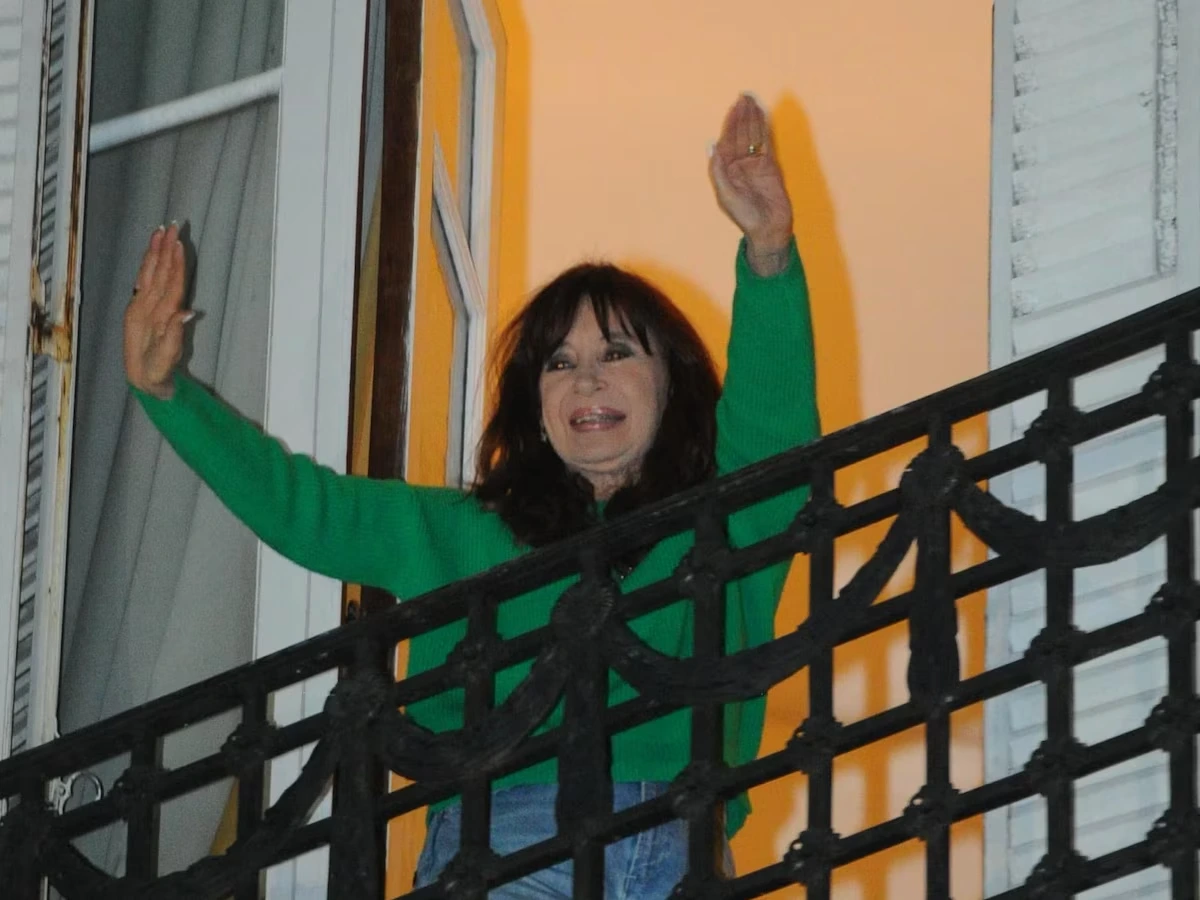
Cristina Kirchner from her balcony.
In its attempt to evade the consequences of her criminal acts, the technical defense of the inmate —led by lawyers Alberto Beraldi, Rafael Valim, and Javier Borrego— had requested three urgent precautionary measures aimed at suspending the disqualification for public office and easing the house arrest she is serving at San José 1111.
In the document submitted to the committee, the legal representation of CFK labeled the sanction as "illegitimate and disproportionate limitation" on her political rights and denounced the lack of a "competent, independent, and impartial tribunal". Additionally, it accused the Argentine Justice of engaging in "forum shopping", claimed that she was assigned criminal responsibility for "administrative management acts that did not correspond to her within the constitutional framework", and questioned that the Supreme Court of Justice ruled with a reduced composition of three ministers. Despite these allegations, the highest court upheld the sentence of six years in prison and perpetual disqualification for the crime of fraudulent administration to the detriment of the State in the context of the Vialidad case.
From a normative perspective, the Argentine legal system does not provide for a fourth judicial instance after the final ruling of the Supreme Court of Justice, and the UN Human Rights Committee lacks the authority to revoke judgments of the Judicial Power, limiting itself only to issuing recommendations to the Executive Power.
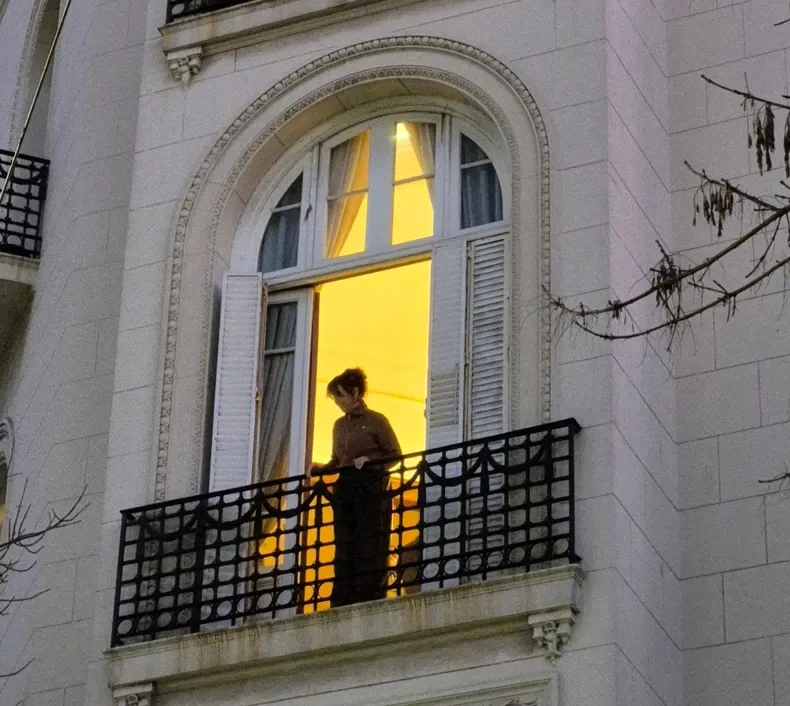
Cristina Kirchner from her balcony.
Faced with the institutional lock and cornered by the upcoming oral trials in the Cuadernos and Hotesur-Los Sauces cases —whose potential penalties will accumulate with the current conviction—, the convicted launched a desperate diplomatic tour sending the Kirchnerist delegation "Cristina Libre" to Washington.
The delegation —composed of deputies Jorge Taiana and Vanesa Siley, economist Delfina Rossi, and Mercosur parliamentarian Franco Metaza— unsuccessfully sought support from congress members Pramila Jayapal and Jesús “Chuy” García, leaders of the Progressive Caucus of the Democratic Party in the United States House of Representatives. Thus, the UN's refusal to address her case undermines her strategy to pressure internally against governor Axel Kicillof and destroys her capacity for negotiation in the formation of lists for the opposition electoral offer heading into 2027.