The court requires a Catholic school in Mallorca to teach the Islamic religion
Nuevo
Agregar La Derecha Diario en
Compartir:
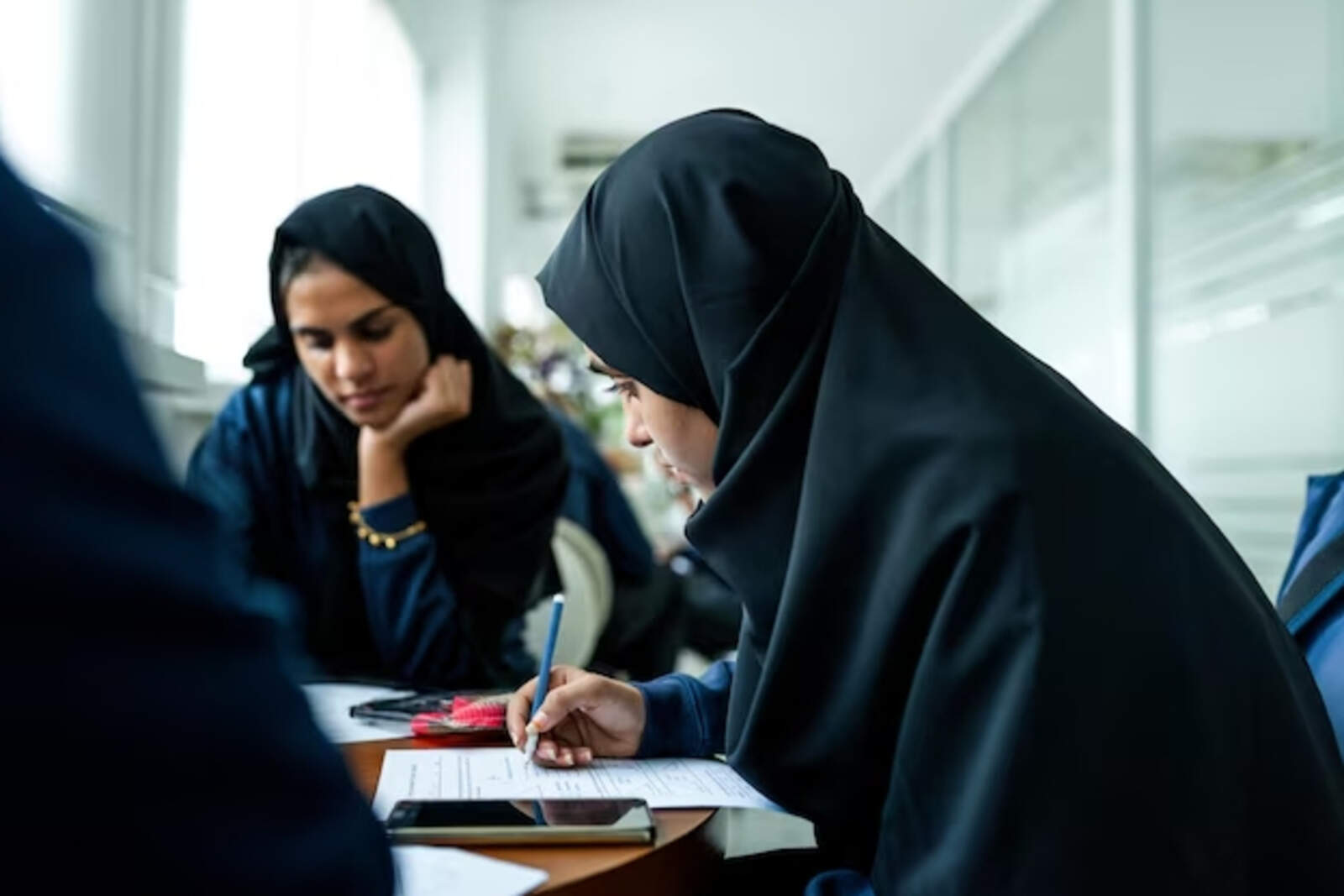
The imposition of Islamic religious education in several schools in Mallorca—including an openly Catholic institution—has sparked strong discontent among educational institutions on the islands. The decision came after the High Court of Justice of the Balearic Islands (TSJB) ruled in favor of five Muslim families who demanded that their children receive Islamic classes, considering that their constitutional right to religious education in accordance with their convictions had been violated.
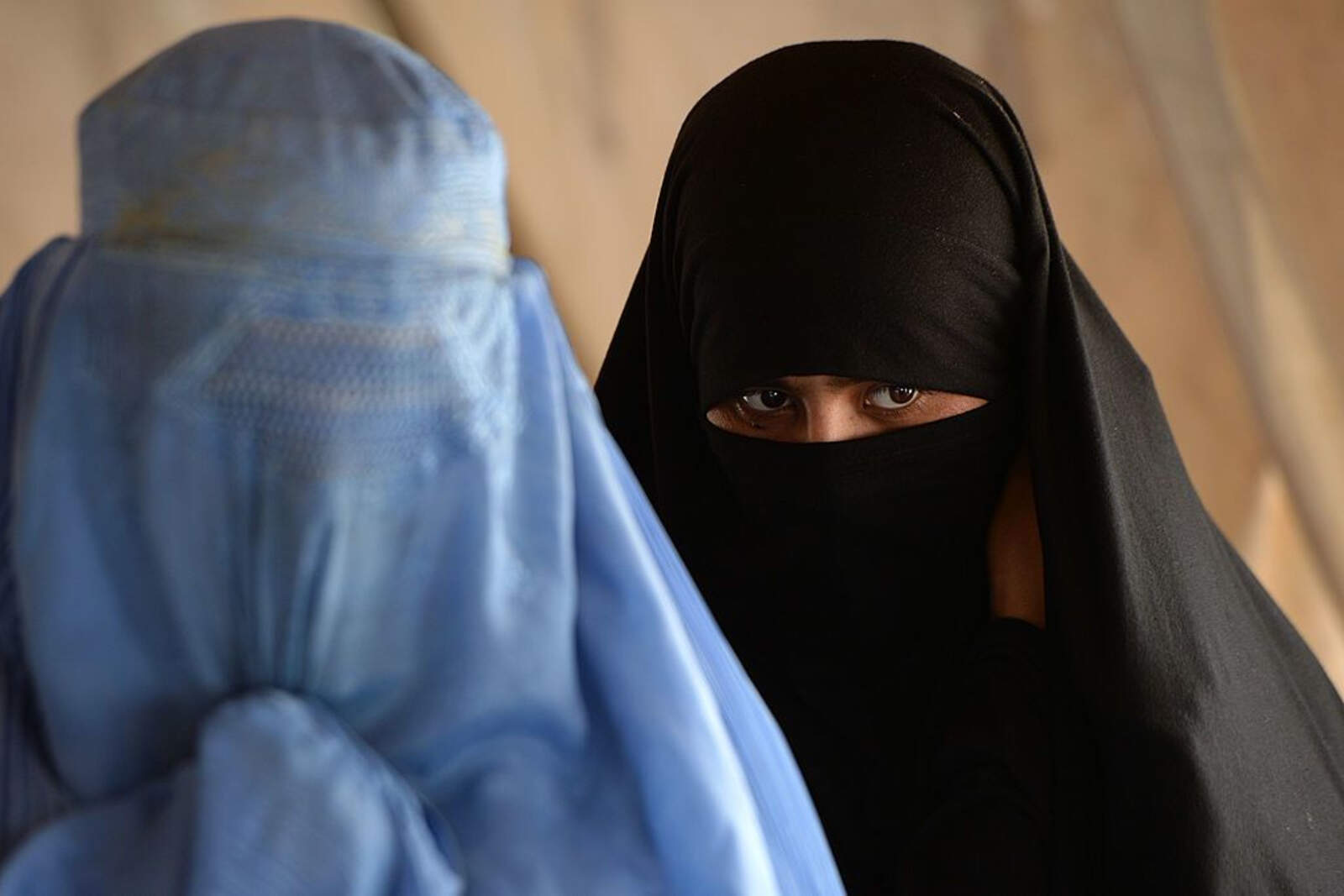
According to El Español, the five Moroccan mothers had repeatedly submitted requests to the Department of Education, which never replied. That administrative silence was ultimately interpreted by the court as a violation of Article 27.3 of the Constitution, which guarantees parents the freedom to choose the religious and moral education of their children. In other words: The court did not assess the pedagogical suitability or the compatibility with each school's institutional project, but acted in response to the lack of reply from the Balearic Government. Mujeres musulmanas.
Among the affected institutions, at least one is a Catholic school, whose management openly rejected the ruling, recalling that families are aware of the educational project and teachings of the institution before enrolling. They warn that forcing confessional subjects unrelated to their identity constitutes a direct intrusion into their educational freedom.
Meanwhile, from the Balearic Islamic community, its secretary J. Nur Bió stated that this case "is not isolated," asserting that more and more families are demanding the mandatory implementation of Islam, even in Christian religious schools. He keeps that current regulations require schools to offer the subject when there is sufficient demand.
The private sector doesn't share that view. The Catholic school management states that the ruling sets a worrying precedent, opening the door for any confessional minority to demand new subjects in schools with their own educational philosophy, eroding the basic principle of freedom of education. Consulted administrators emphasize an essential point: those who choose a Catholic school accept its educational proposal; in fact, thousands of Muslim students attend Catholic religion classes without issue, with the explicit consent of their families. Estudiantes musulmanes.
The case rekindles a debate that has already strained other autonomous communities such as Murcia, La Rioja, Andalucía, or Catalonia. There, too, the implementation of Islam caused clashes among three dimensions that rarely coexist harmoniously: individual demands, institutional freedom, and the use of public resources.
The court ruling, based solely on an administrative void, leaves a major question: whether the State's silence will be enough to force schools to modify their identity. A scenario that, for many institutions, is a clear risk of erosion of their educational freedom.