A 4,000-year-old wall discovered in Morocco forces a rewrite of the history of African civilizations

A 4,000-year-old wall discovered in Morocco forces a rewrite of the history of African civilizations

Most read in Argentina

Gemini connects with Google Wallet to analyze expenses and detect subscriptions

  1. Sánchez's Management: more than 3,600 African immigrants arrived in the Canary Islands in just three days

  2. Prepaid cards for Human Capital: which courses can be paid for and how to access them

  3. New AFA scandal: over 1 million dollars detected in payments to luxury yacht companies

  4. 5,000-year-old skulls confirm sacrifices in the tombs of Egypt's first kings

Imagen de Editorial Team
porEditorial Team
Argentina

An archaeological investigation identified in Morocco the oldest known large-scale defensive system in North Africa outside the Nile Valley

Add La Derecha Diario on
Share:

The need to control agricultural lands, resources, and circulation routes could also explain their construction, without necessarily implying an external military threat.

A 4,000-year-old wall discovered in Morocco forces a rewrite of the history of African civilizations

An ancient agricultural society much more developed than expected

Oued Beht had already gained relevance due to previous discoveries linked to prehistoric agriculture.

The investigations identified there one of the oldest and most extensive agricultural complexes known in Africa outside the Nile Valley, with evidence of activity dating back between 5,400 and 4,900 years.

The remains cover at least ten hectares and include polished stone tools, decorated ceramics, and evidence of wheat and barley cultivation.

There were also indications of livestock farming and the use of wild plants.

Although it is still unknown whether it functioned as a permanent village or a seasonal occupation center, the site demonstrates considerable productive activity during the Late Neolithic.

The finding reveals ancient connections with Europe

The discovery also provides information about the links between African societies and communities in the western Mediterranean.

During the second millennium BC, societies such as the El Argar culture were developing in the Iberian Peninsula, characterized by strategic settlements, metallurgy, and hierarchical social structures.

The evidence found in Morocco suggests that the Maghreb was involved in regional transformation processes and maintained connections with territories that currently belong to Spain and Portugal.

Furthermore, the excavations revealed that the site was reused during the 11th and 13th centuries, when defenses were rebuilt and settlements and funerary spaces emerged.

The discovery thus expands knowledge about a region whose prehistoric history had been poorly documented and opens new investigations into the organization of its ancient communities.


La Derecha Diario on X

  1. “LOS ESPAÑOLES SON DISCRIMINADOS EN SU PROPIA PATRIA” El candidato derechista de VOX, Santiago Abascal, apuntó contra la política de reemplazo poblacional del corrupto Pedro Sánchez y denunció que los extranjeros reciben ayudas sociales antes que los ciudadanos españoles.

    3 min ago

  2. SANÍSIMO: Donald Trump fue recibido en Filipinas al ritmo de “YMCA”, la canción que acompaña su icónico paso de baile.

    13 min ago

  3. “NO PUEDEN OCULTAR QUE LA MITAD DE LAS MUJERES SON ASESINADAS POR EXTRANJEROS” El candidato derechista de VOX, Santiago Abascal, apuntó contra el Gobierno del corrupto Pedro Sánchez y cuestionó duramente la eficacia de las leyes contra la violencia de género tras el asesinato de una mujer en Asturias.

    23 min ago

  4. AHORA — MÁXIMA TENSIÓN EN PARÍS: Estudiantes franceses rompieron las barricadas montadas por grupos de extrema izquierda que bloqueaban el acceso al liceo Claude Monet para poder ingresar al establecimiento y asistir a clases.

    33 min ago

  5. AHORA — El vocero presidencial de Milei, Adrián Ravier, brinda una nueva conferencia de prensa desde Casa Rosada. MIRALO EN VIVO: https://youtube.com/live/q3jKDWXxKzk?si=IdJVEUP4t-UE_G4s

    33 min ago

La Derecha Diario logo
TwitterInstagramYouTubeTikTokFacebook
Derecha Diario TV

Nosotros

  • Quienes Somos
  • Autores
  • Donar

Privacidad

  • Protección de datos
  • Canales
  • Sitemap
  • RSS

Contacto

  • info@derechadiario.com.ar
PUBLICIDAD
La Derecha Diario logo
ESX logoInstagram logoYouTube logoTikTok logoFacebook
ARGENTINAUNITED STATESECUADORISRAELMEXICOURUGUAY
DERECHA DIARIO TV
  • ES
    XInstagramYouTubeTikTokFacebook
  • DERECHA DIARIO TV
  • Sections
  • ARGENTINA
  • UNITED STATES
  • ECUADOR
  • ISRAEL
  • MEXICO
  • URUGUAY
  • Countries
  • La Derecha Diario logoLA DERECHA DIARIO
  • La Derecha Diario México logoLA DERECHA DIARIO MÉXICO
  • La Derecha Diario Uruguay logoLA DERECHA DIARIO URUGUAY
  • La Derecha Diario Ecuador logoLA DERECHA DIARIO ECUADOR
  • La Derecha Diario Israel logoLA DERECHA DIARIO ISRAEL
  • La Derecha Diario Estados Unidos logoLA DERECHA DIARIO ESTADOS UNIDOS
  • The Newspaper
  • QUIENES SOMOS
  • AUTORES
  • PUBLICIDAD
  • DONAR

Related news

Honda prepares the return of a historic sedan with two versions for the Argentine market

Honda prepares the return of a historic sedan with two versions for the Argentine market

Jorge Macri launched a regime that will refund 25% of SMEs' investments in Gross Income

Jorge Macri launched a regime that will refund 25% of SMEs' investments in Gross Income

The PRO finally confirmed its support for the suspension of the PASO that Milei is promoting

The PRO finally confirmed its support for the suspension of the PASO that Milei is promoting

Germany faces an electricity crisis: the networks are insufficient to connect new data centers and industries

Germany faces an electricity crisis: the networks are insufficient to connect new data centers and industries

School Assistance from ANSES: what procedure needs to be completed before December 31

School Assistance from ANSES: what procedure needs to be completed before December 31

LIVE | Adrián Ravier holds a new press conference and details the Government's agenda

LIVE | Adrián Ravier holds a new press conference and details the Government's agenda

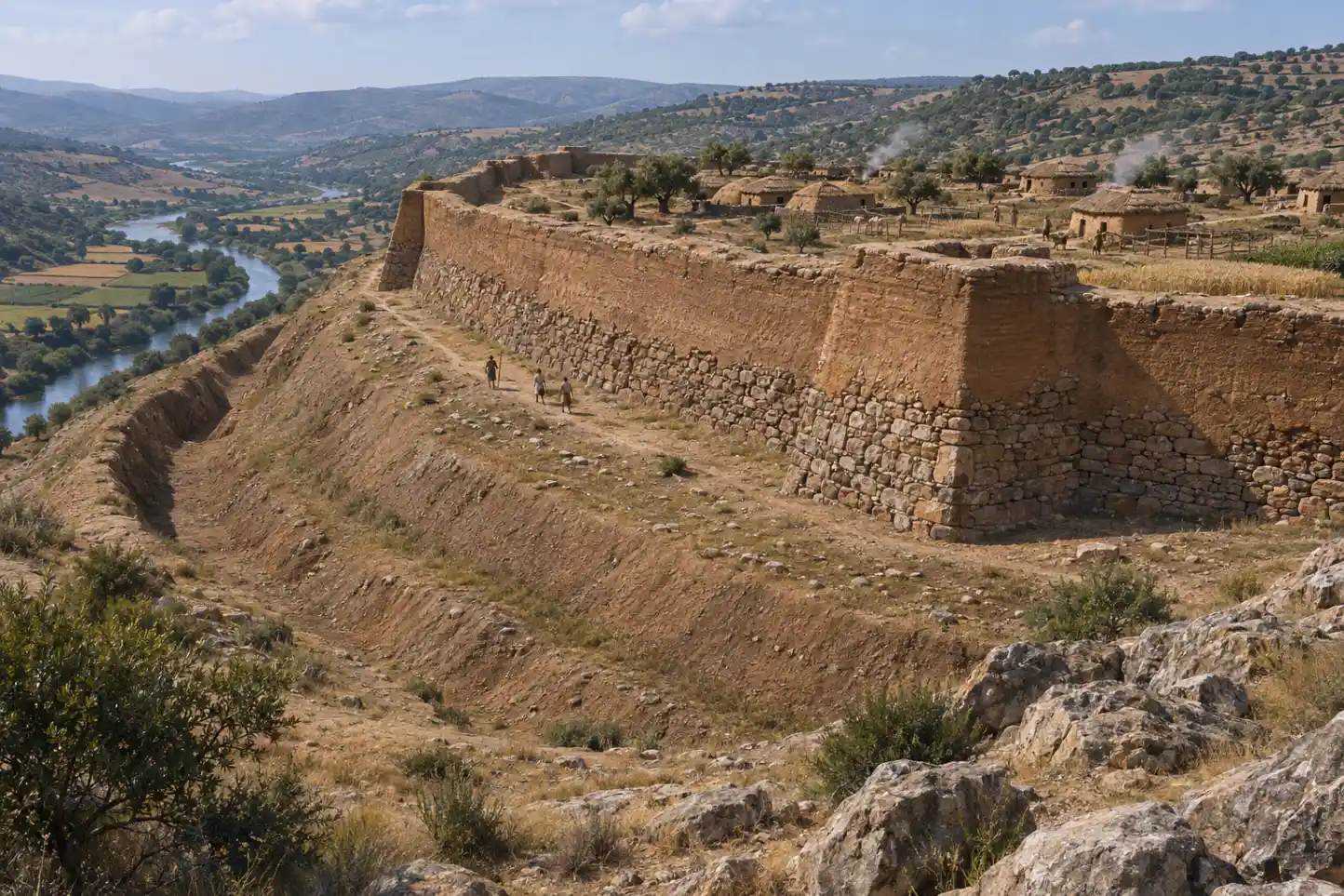
An archaeological discovery in Morocco is changing the understanding of the early civilizations of North Africa An international team of researchers identified in Oued Beht, in the northwest of the country, the remains of a fortification system built approximately 3,500 to 4,000 years ago, during a period equivalent to the Mediterranean Bronze Age.

The finding, published in the scientific journal Libyan Studies, constitutes the oldest known evidence of a large-scale defensive construction in North Africa outside the Nile Valley.

The researchers argue that the structure demonstrates an organizational and planning capability that had not been documented for that time in the region.

A mysterious fortification built 4,000 years ago

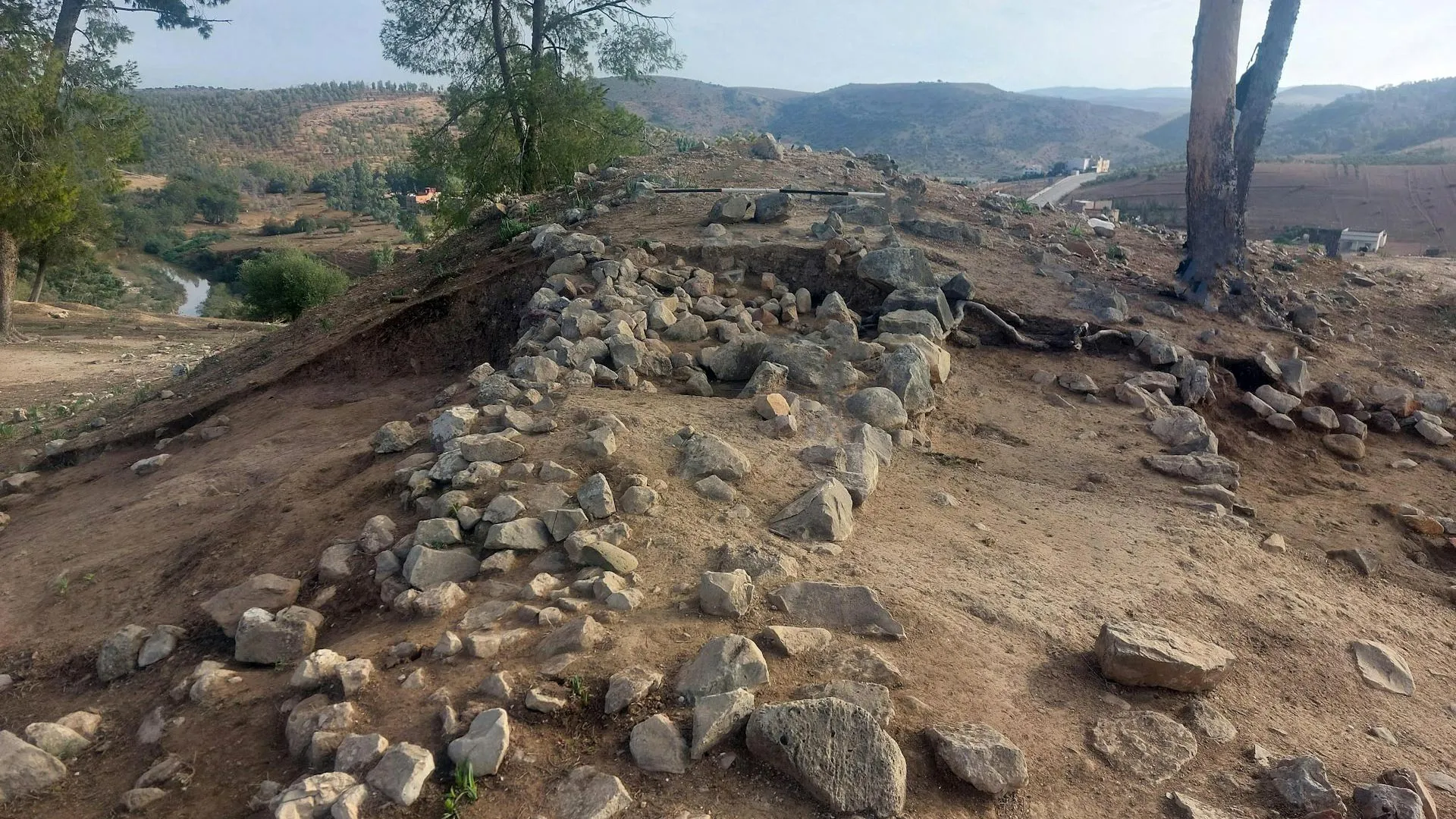
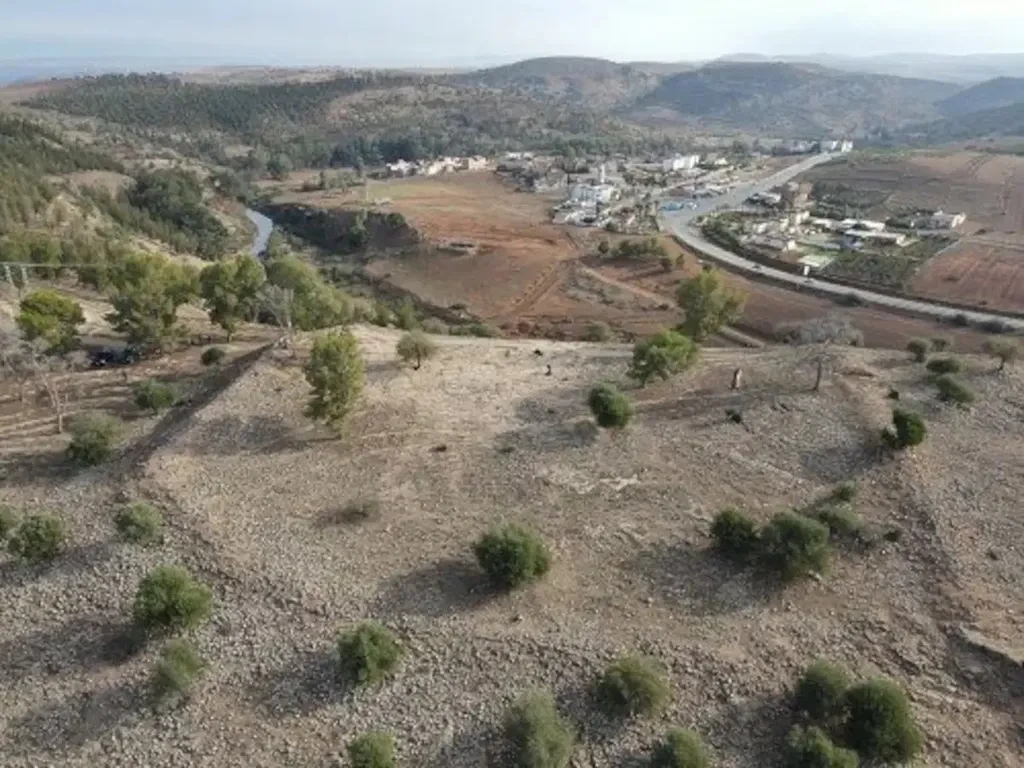
The excavations carried out in 2023 allowed for the identification of a complex system made up of moats, embankments, and remains of walls, built on a natural elevation situated between a river and a ravine.

The location offered strategic advantages, as it allowed control over access to a portion of the land using the natural features of the landscape.

Through radiocarbon analysis, scientists established that the earliest construction stages correspond to the second millennium BC.

Imagen 1468975

The research also allowed for the distinction of different phases of occupation. The large stone wall currently visible belongs to a medieval reconstruction, while the prehistoric structures lie beneath.

These results resolved a question that had remained open since the 1930s, when the French archaeologist Armand Ruhlmann first documented the possible fortifications.

Why ancient communities needed to build walls

Although the exact function of the structures is still being investigated, specialists consider it likely that they were related to the protection of territory and competition for natural resources.

The construction of such a system required mobilizing workers, planning tasks, and coordinating collective efforts.

The researchers believe that these capabilities reflect societies with organizational mechanisms more complex than previously thought.

However, there is still not enough evidence to determine whether the defenses were erected against invasions.