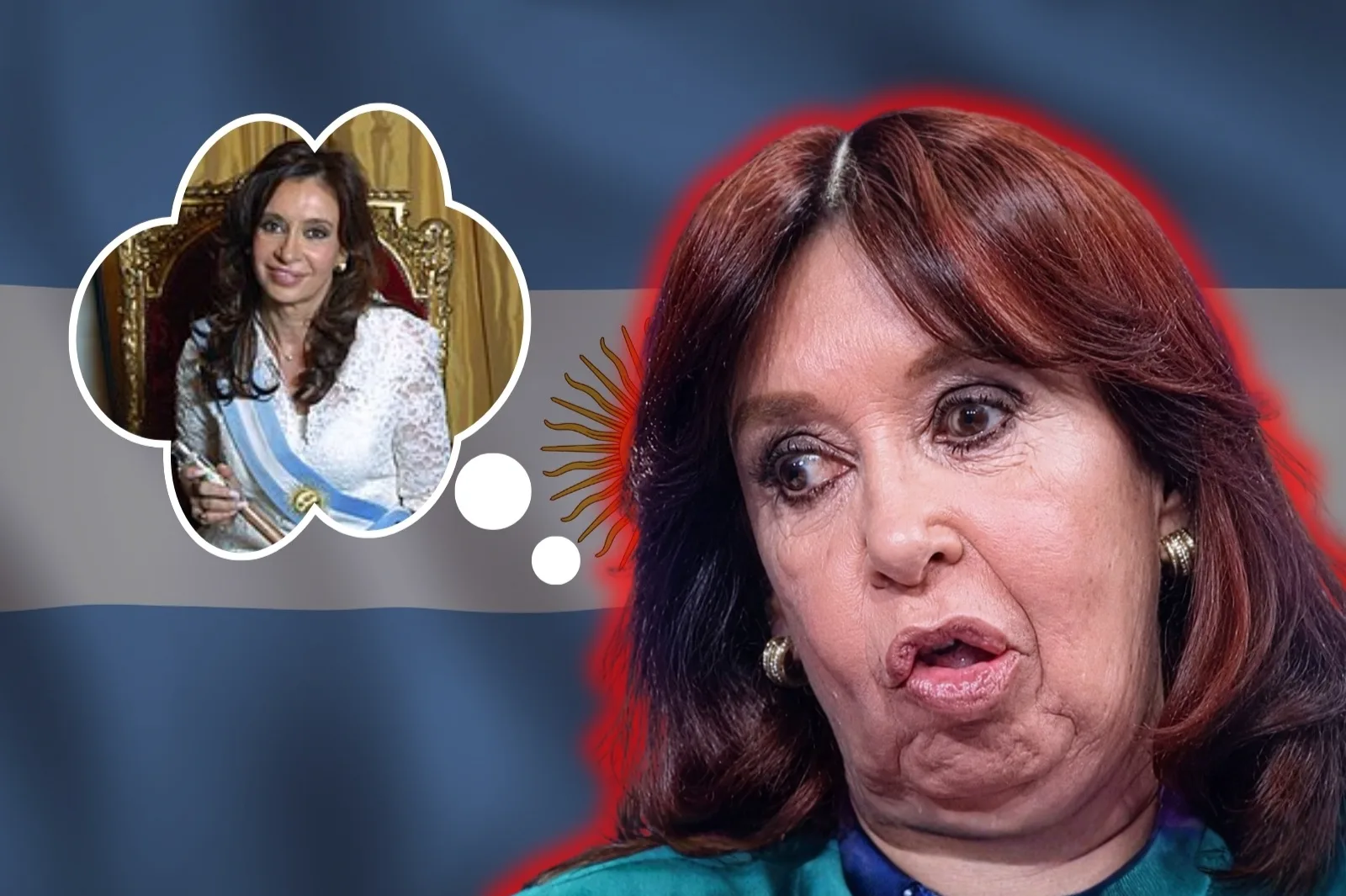
The former president left open the possibility of running for the Presidency in 2027, although she would first need to have the permanent disqualification she received in the Vialidad case overturned
The statement brings to the forefront one of the main difficulties of Peronism: rebuilding a political proposal after the defeat of 2023 and the economic crisis that the country went through during its last administration.
Cristina Kirchner also stated that progressive sectors need to present concrete proposals to recover income and improve the living conditions of Argentines.
The former president also predicted a defeat for Trump
In another part of the conversation, Cristina Kirchner referred to the midterm elections in the United States and anticipated an adverse outcome for Donald Trump and the Republican Party.
“Paradoxically, the man who has done everything possible to help right-wing governments win in Latin America will lose the elections in his own country,” she stated.
The former president linked that scenario to a possible return of progressive movements in Latin America and defended the idea that political cycles can change.
Meanwhile, her own political situation remains overshadowed by the judicial conviction and the restrictions placed upon her.
A candidacy that depends on the Justice
The interview with The Washington Post also described Cristina Kirchner's routine during her house arrest in her apartment at San José 1111, in the Buenos Aires neighborhood of Constitución. According to the newspaper, she engages in physical activity several times a week, studies English and Chinese, reads, and follows international news.
During the interview, she even briefly stepped out onto the balcony to greet supporters who were calling for her return to the presidency.
The scene reflects that, despite the judicial restrictions, the former president is trying to maintain her centrality within Peronism and project herself toward the upcoming elections.
However, there is a considerable distance between expressing her willingness to compete again and being legally qualified to do so. The firm conviction in the Vialidad case remains in effect, and the possibility of a presidential candidacy in 2027 will depend on her ability to modify her legal situation.
For now, Cristina Kirchner has once again placed her name in the electoral discussion, but her eventual return to the polls remains conditioned by the courts.
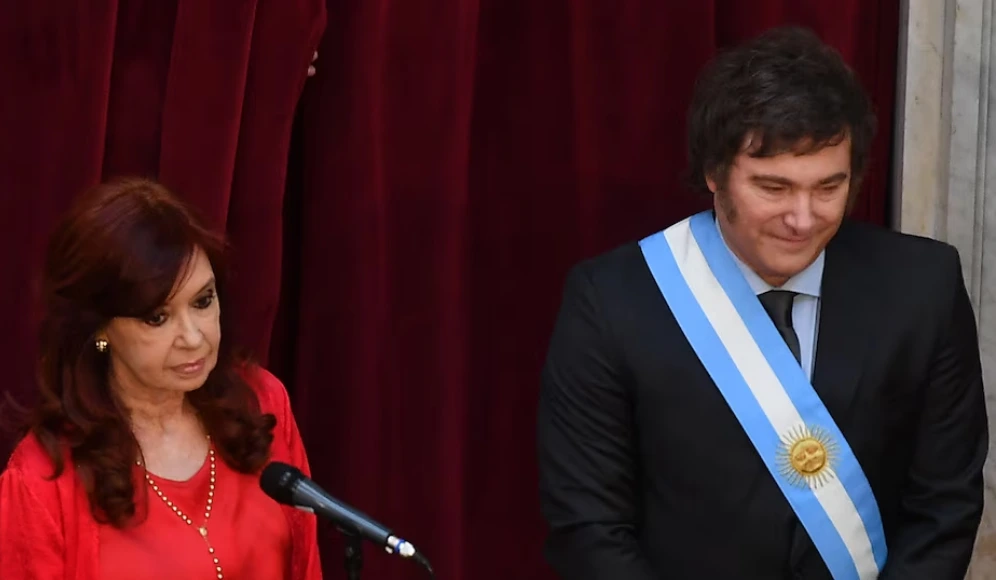
Former President Cristina Fernández de Kirchner has once again raised the possibility of running for the Presidency in 2027 and facing Javier Milei in an election. She did so during an interview with the American newspaper The Washington Post, where she left the door open for a candidacy, although she acknowledged that she first needs to recover her political rights, currently restricted by the firm conviction in the Vialidad case.
“When I recover my political rights, why not?” Cristina Kirchner responded when asked if she was considering running for the presidency again. The statement marks a new signal of her political intentions while she remains under house arrest and continues to lead the Justicialist Party.
The possibility of returning to the Casa Rosada, however, is conditioned by her judicial situation. The Supreme Court confirmed in June 2025 the sentence of six years in prison and a permanent disqualification from holding public office for fraudulent administration to the detriment of public administration.
Cristina Kirchner seeks an international exit to recover her political rights
The former president's strategy to attempt to compete electorally again includes a presentation before the United Nations Human Rights Committee. Her Brazilian lawyer, Rafael Valim, seeks for the body to examine the judicial process of the Vialidad case and to rule on the guarantees that, according to the defense, were violated during the trial.
The declared objective is to achieve the restoration of Cristina Kirchner's political rights and to reverse the disqualification that prevents her from running for elections.
However, there is a fundamental difference between obtaining a favorable international ruling and annulling an Argentine judicial sentence. The UN Human Rights Committee can examine potential breaches of the international commitments assumed by the country, but it does not have the authority to directly revoke the rulings of national courts.
Therefore, even a favorable outcome for the former vice president would not mean an automatic qualification to compete in 2027.
The defense seeks to reference the precedent of Luiz Inácio Lula da Silva, who was detained for 580 days in Brazil, regained his political rights after his convictions were annulled, and subsequently won the presidential elections again. However, both cases have legal differences, and their outcomes are not necessarily transferable from one country to another.
Cristina Kirchner criticized Milei and acknowledged errors of Peronism
During the interview, the former president also targeted Javier Milei's administration and stated that there is discontent among sectors of society that supported the current president in the 2023 elections.
“Many Argentines are frustrated because their lives have not improved, their money does not last until the end of the month, and they see a government that not only does nothing for the poor but actively attacks them,” she stated.
Cristina Kirchner questioned Milei and recognized Peronist errors
However, she also acknowledged difficulties within her own political space to explain the electoral defeat that led Milei to the presidency. In particular, she admitted that during Alberto Fernández's government, of which she was vice president, the work culture and social valuation of work deteriorated.