NASA announced a discovery that left astronomers perplexed: a massive red spot in space. This phenomenon could change the way we understand the structure of the galaxy.
It moves at extreme speeds, millions of kilometers per hour, and its characteristics remain the subject of study. Scientists are seeking to understand its origin and possible effects on Earth.
La NASA anunció un hallazgo que dejó perplejos a los astrónomos
What is CWISE J1249?
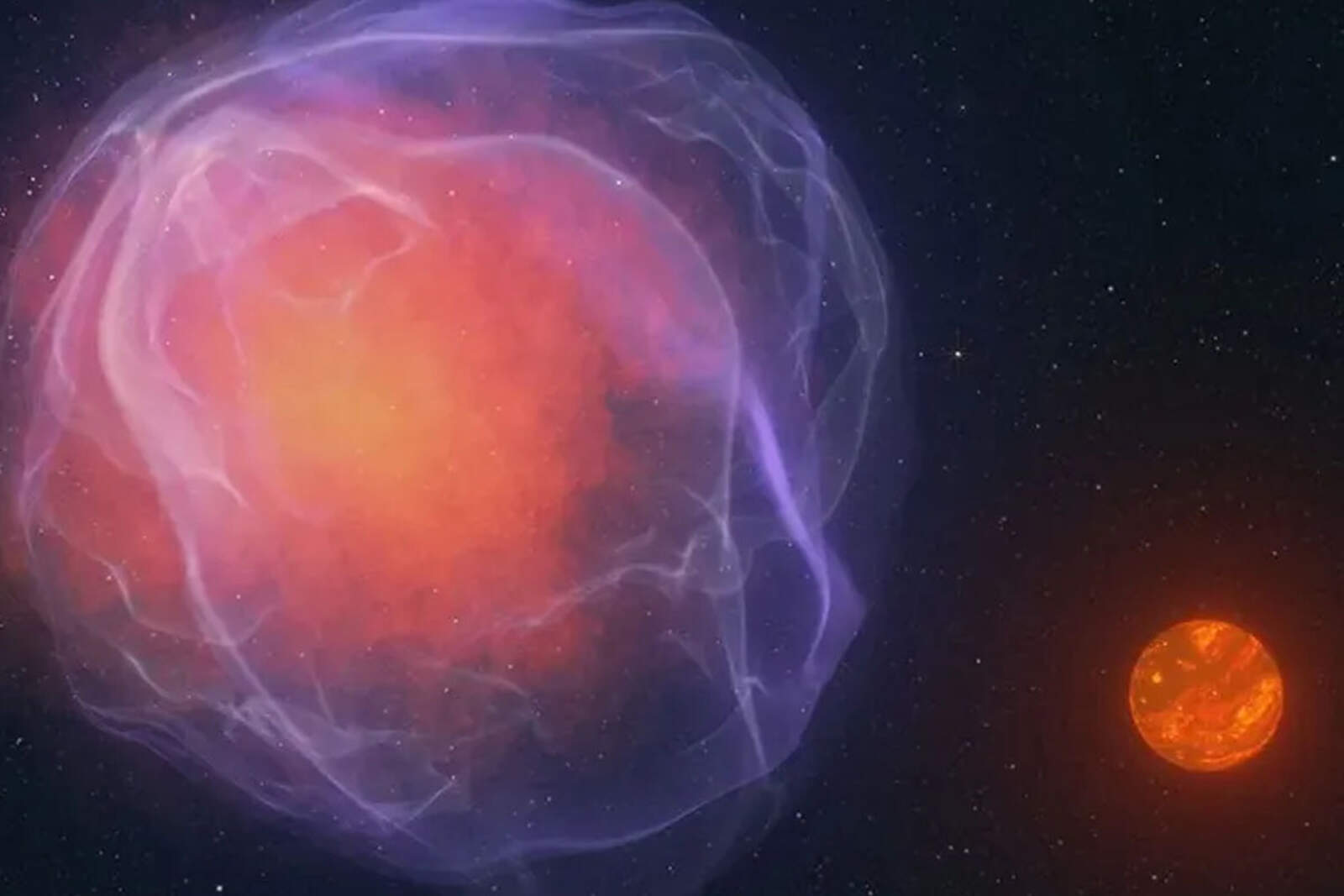
The object was named CWISE J1249 by NASA. It is 30,000 times larger than Earth, but represents only 8% of the Sun's mass, placing it between a star and a planet.
For this reason, specialists classify it as a brown dwarf, a rare celestial body that is complex to study. Three volunteers from the Backyard Worlds: Planet 9 project detected it first, before scientific confirmation.
Speed and possible explanations
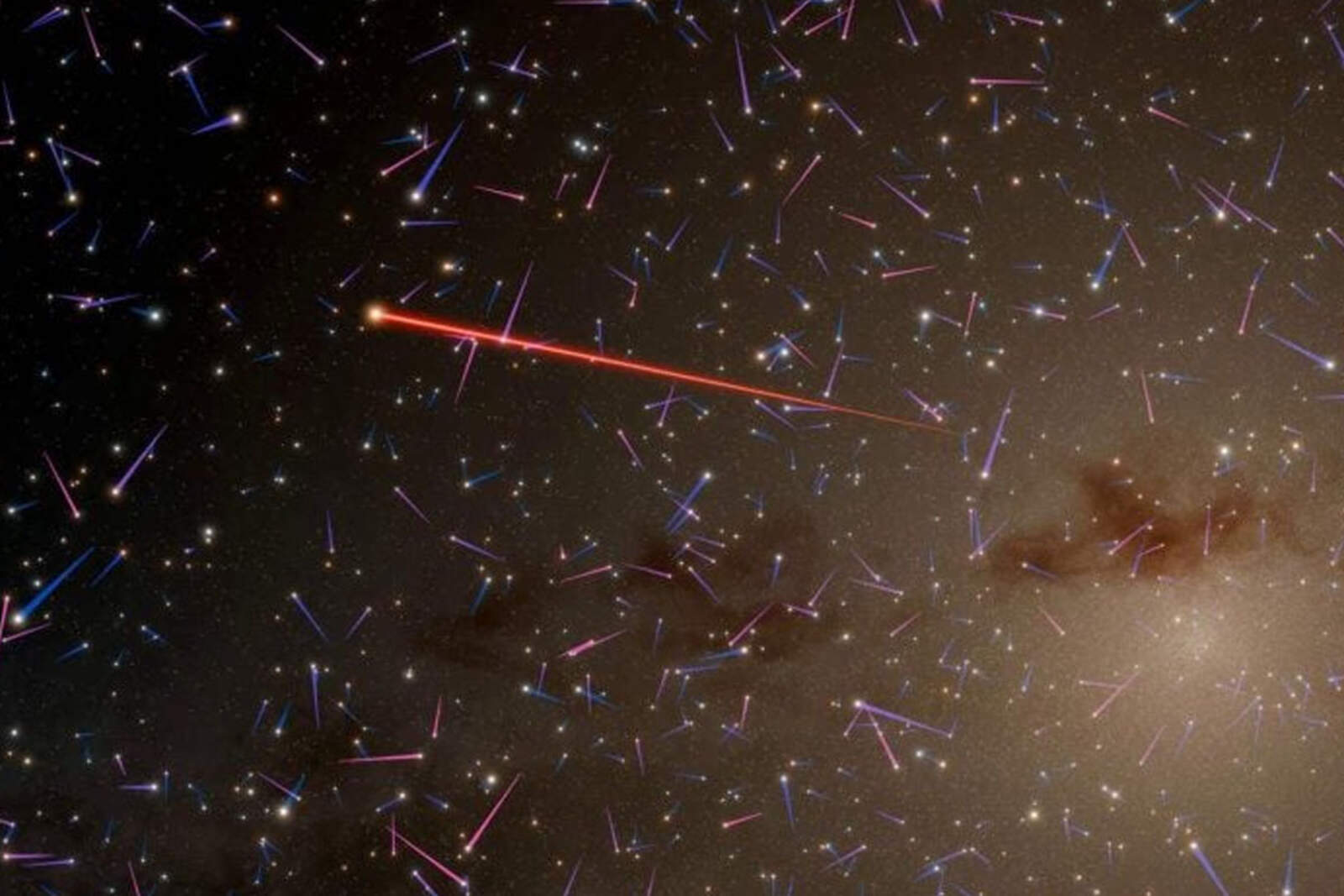
Its speed is extraordinary: 1.6 million km/h (1 million miles/h), more than twice that of the Parker Solar Probe, the fastest probe ever launched. According to Darren Baskill, only 1 or 2 stars out of every 1,000 reach similar speeds.
¿Qué es CWISE J1249?
Theories about its origin include:
Supernova explosion: it could have been part of a binary system and been ejected by the explosion of its companion star.
Interaction with black holes: another hypothesis suggests it was propelled after a gravitational encounter with two black holes.
Does it pose a danger to Earth?
Although it is a unique and strange phenomenon, CWISE J1249 is 400 light-years from our planet, that is, 3.784 trillion kilometers (2.352 trillion miles). For this reason, there is no risk of impact or direct effect on Earth.
La NASA confirmó que el cometa no representa peligro
Monitoring continues, but for now scientists are only seeking to understand how it formed and why it moves at such extreme speeds.