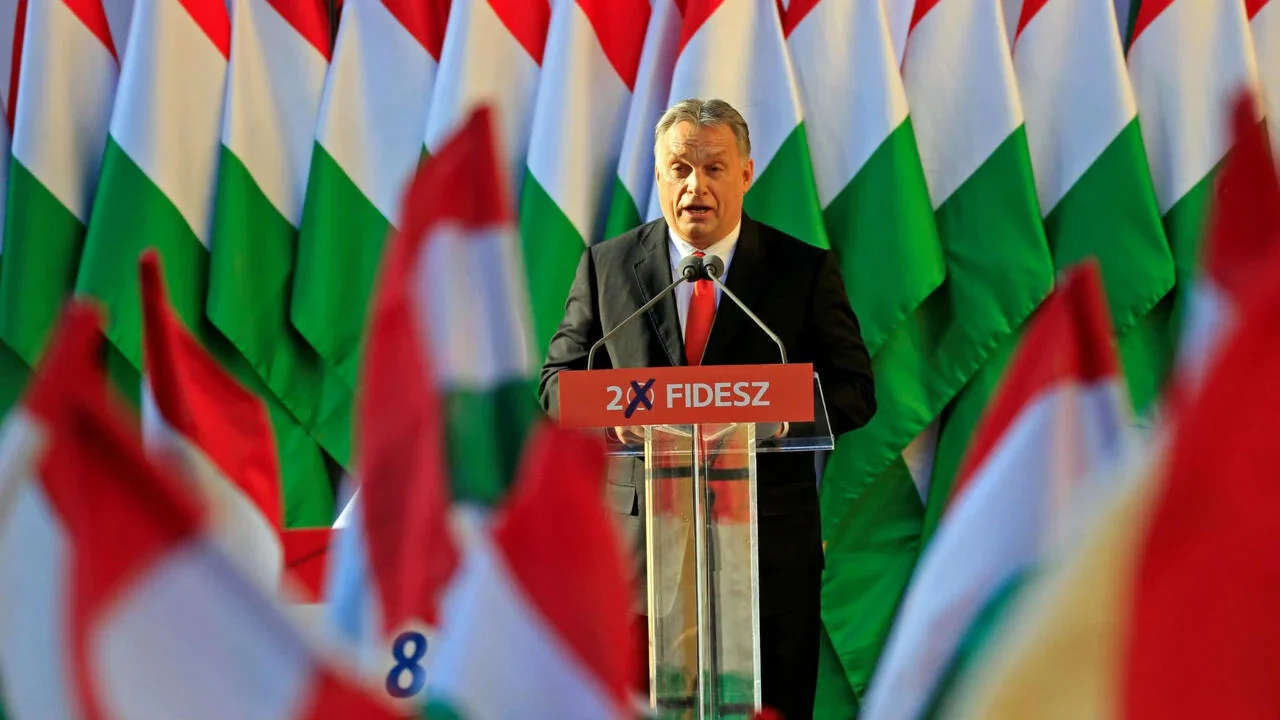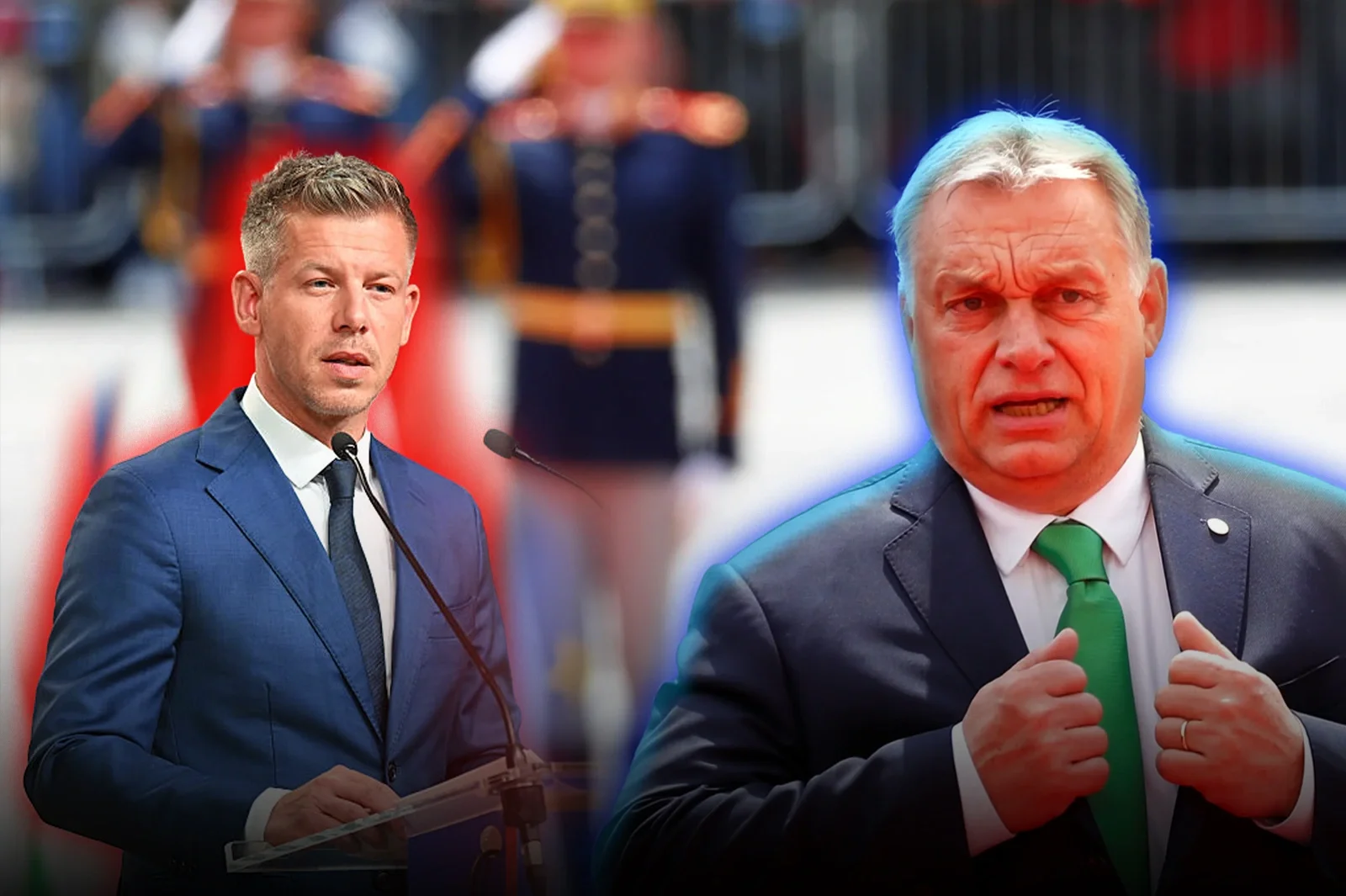

The political landscape of Hungary has undergone a radical transformation that threatens the foundations of national sovereignty. Following the electoral victory of the coalition Respect and Freedom (Tisza) in April 2026, the new government has begun a systematic dismantling of the structures that protected Hungarian identity. The leader of this movement, Péter Magyar, who was an internal actor of the system and now acts as an instrument of the European Union, has shifted from a campaign with right-wing undertones to executing a clearly leftist and surrendering agenda.
Last Wednesday, May 20, 2026, just a week after Magyar's inauguration, deputies Márton Melléthei-Barna and István Hantosi presented the infamous Sixteenth Amendment to the Fundamental Law. This project is nothing more than a tool for political persecution disguised as institutional reform, structured around three axes that directly attack the figure of the patriotic leader Viktor Orbán and the autonomy of the State.
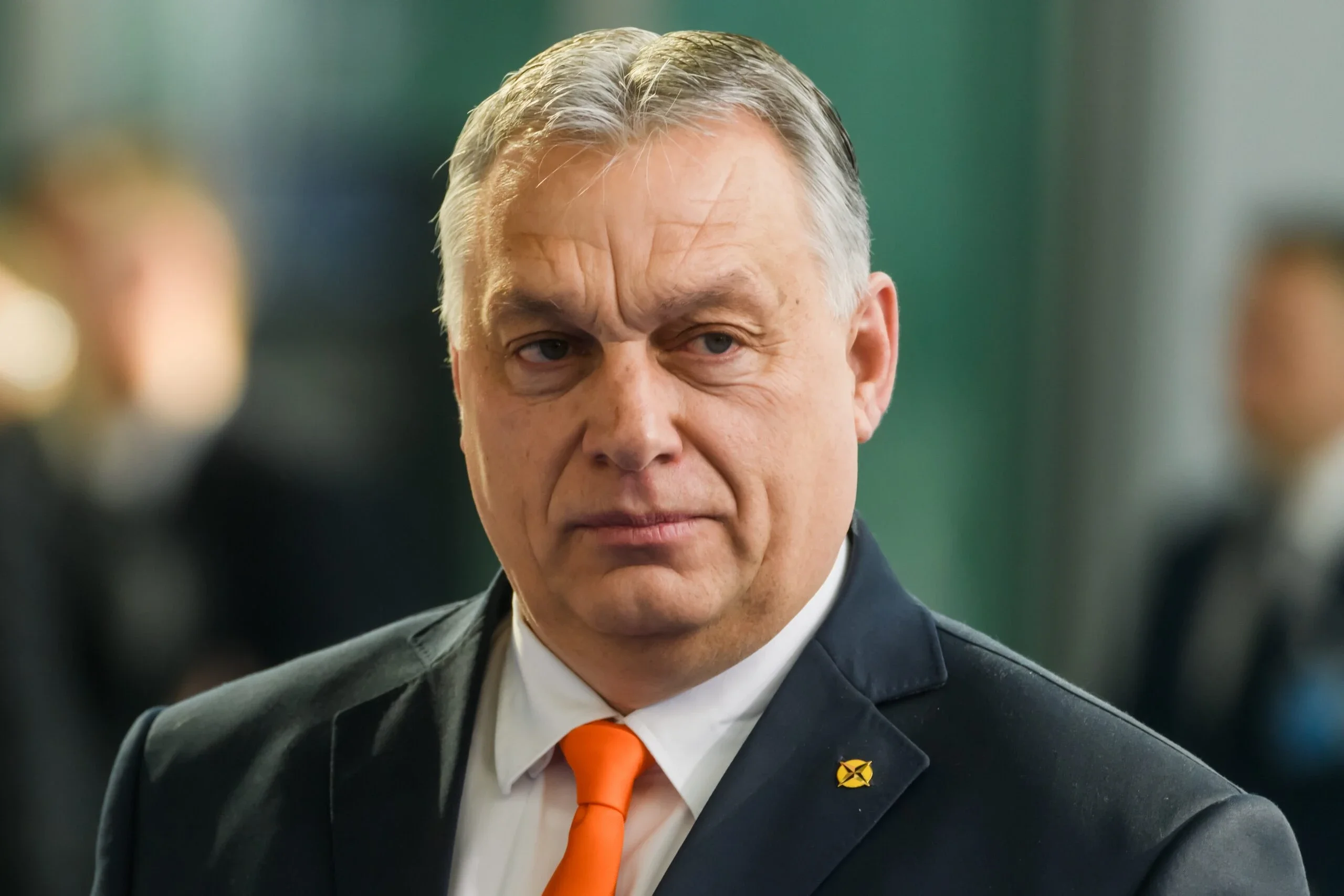
The most aggressive component of this reform is the retroactive limitation of the prime minister's mandate. The text establishes that no person who has held the position for a total of eight years can be elected again. In an act of clear legal arbitrariness, the amendment incorporates a retroactivity clause that starts the count from May 2, 1990.
Since Viktor Orbán has led the government for a total of twenty years, this measure represents an insurmountable constitutional impediment designed exclusively for his exclusion from executive public life. Furthermore, the reform imposes an automatic cessation immediately if a leader reaches that limit during their term.
In a clear concession to the dictates of Brussels, the Sixteenth Amendment abolishes the Office for the Protection of Sovereignty (SPO). This entity, which had a budget of 6 billion Hungarian forints, was essential for investigating external threats and safeguarding the nation.
To achieve this, the government of Magyar has repealed Article R) paragraph (4) of the Constitution, which stipulated that "the protection of Hungary's constitutional identity and its Christian culture is the duty of every State body". According to the head of the Fidesz parliamentary group, Gulyás Gergely, this elimination is a covert agreement with the European Union to force the acceptance of the Migration Pact.
The third axis of this attack consists of the forced renationalization of assets managed by the public asset management foundations (KEKVA). Since 2020, billions of forints had been transferred to these 34 foundations to protect universities and strategic assets from direct political control.