NASA has confirmed that the International Space Station will be destroyed in 2030 in a remote area of the Pacific
Nuevo
Agregar La Derecha Diario en
Compartir:
NASA has confirmed the plan for the retirement and controlled destruction of the International Space Station (ISS), scheduled for 2030. The structure will be directed toward a remote area of the Pacific Ocean, far from any landmass.
The process will mark the end of an era in space history, but it will also pave the way for a new stage of international cooperation and technological development in low Earth orbit.
El regreso desde la EEI está planeado para el 19 de marzo
How the operation to remove the ISS from orbit will unfold
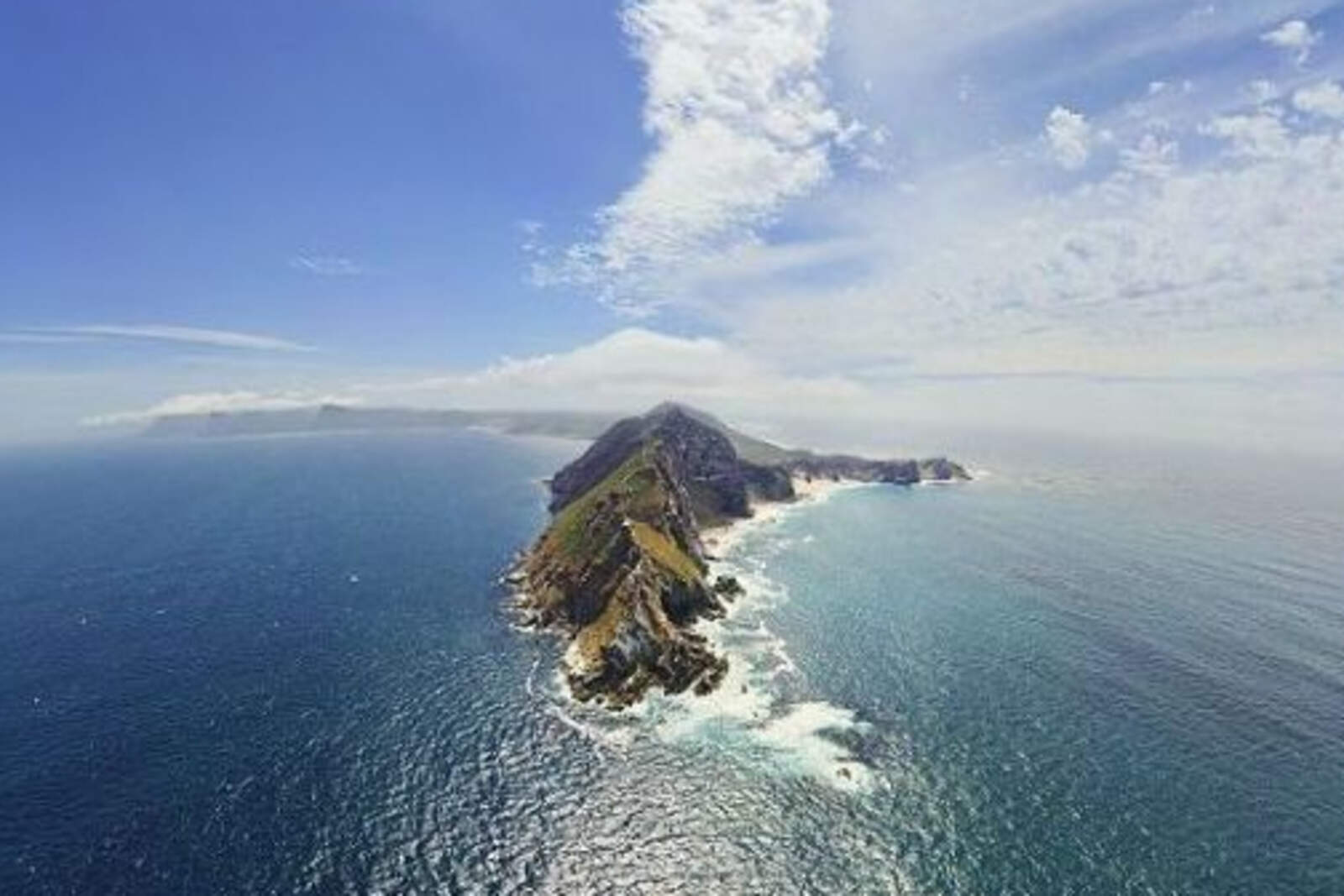
According to information confirmed by NASA, the International Space Station will be taken to the so-called Point Nemo, also known as the "cemetery" for satellites and spacecraft. This is the point farthest from any coast, located at the Pacific Pole of Inaccessibility.
NASA will use a special support spacecraft to carry out propulsion maneuvers, which will gradually reduce the station's speed and altitude. It is currently at an altitude of about 400 kilometers (248 miles) and 2,722 kilometers (1,692 miles) from Antarctica.
Former astronaut Ken Bowersox explained: "The choice of the deorbit vehicle will ensure a safe and responsible transition at the end of operations."
"Punto Nemo", el lugar más inaccesible de la tierra
A historic mission requiring millimetric precision
Calculations will need to be extremely precise to prevent fragments from drifting toward inhabited areas. For this reason, the impact zone was selected for its isolation, minimizing any risk to people or property.
The ISS will gradually lower its altitude in a controlled manner until atmospheric friction causes its partial disintegration. The surviving debris will impact at Point Nemo, where hundreds of satellite and spacecraft remains rest.
Estación Espacial Internacional
The operation will be supervised by an international team composed of NASA, Roscosmos (Russia), JAXA (Japan), ESA (Europe), and CSA (Canada).
What the International Space Station was and what it represents
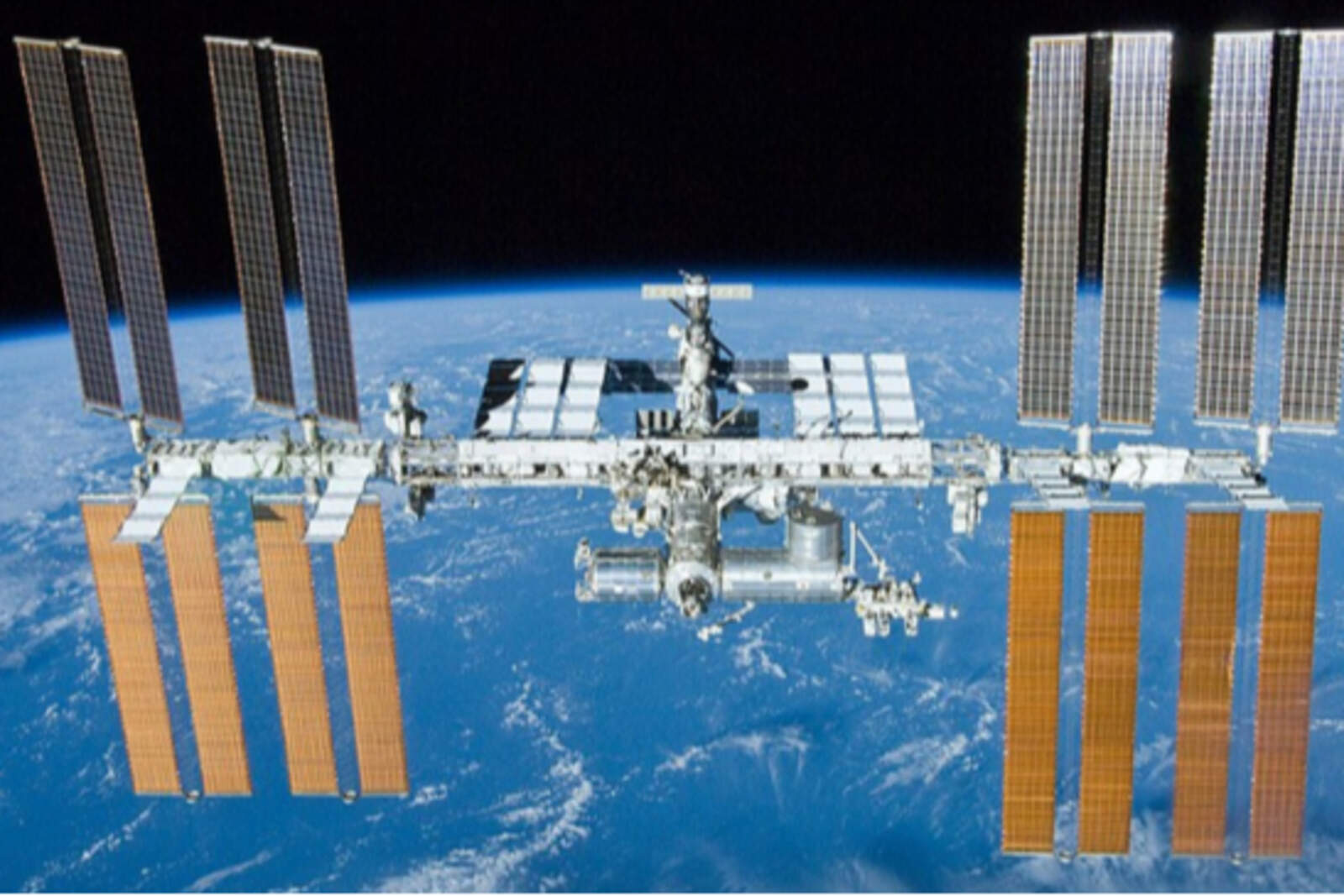
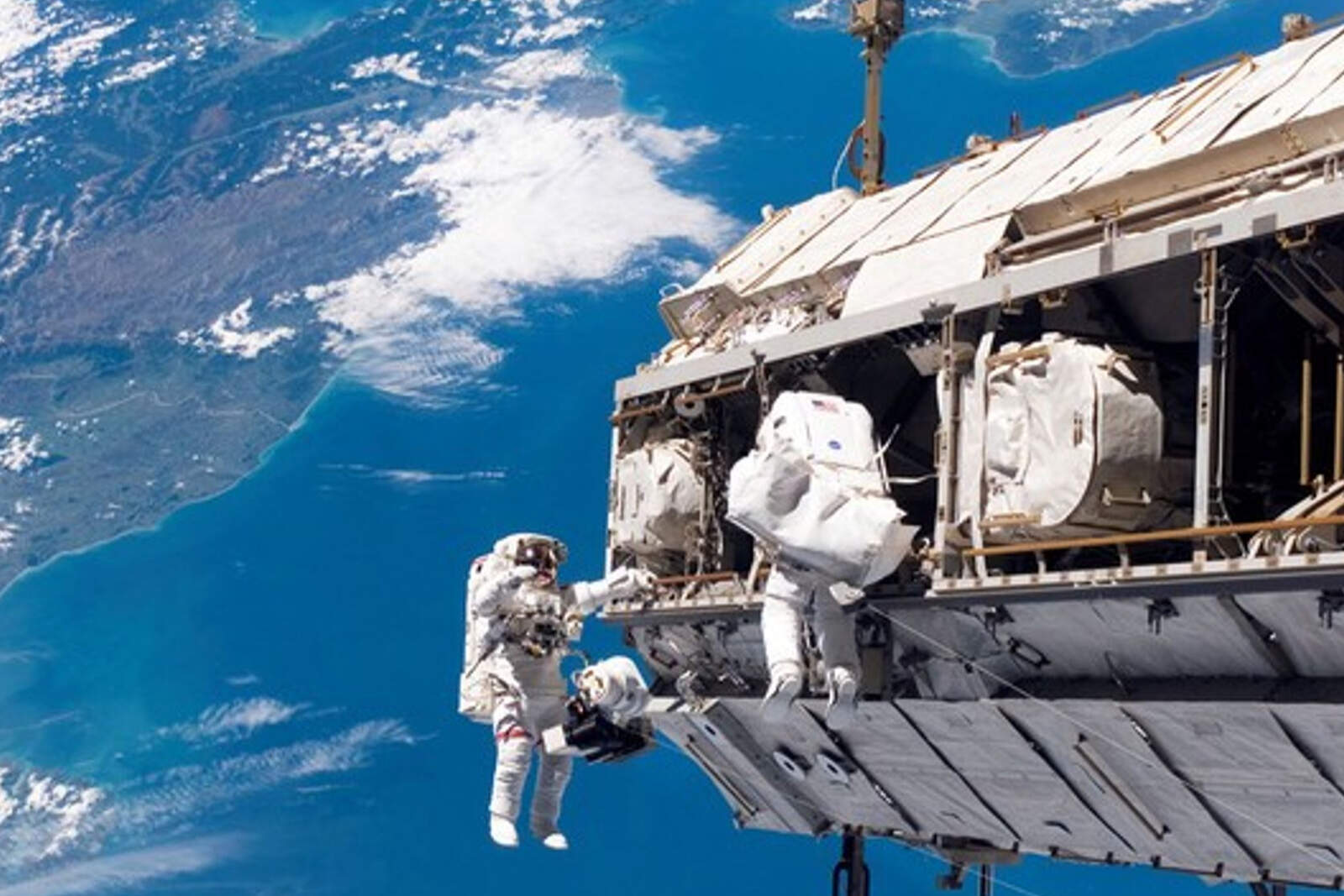
The ISS is a scientific laboratory in orbit that has served as a home for astronauts from different countries since 1998. It orbits Earth at about 28,000 km/h (17,398 mph) and completes a revolution every 90 minutes. Its main purpose has been to develop research on long-duration spaceflight and experiments in microgravity.