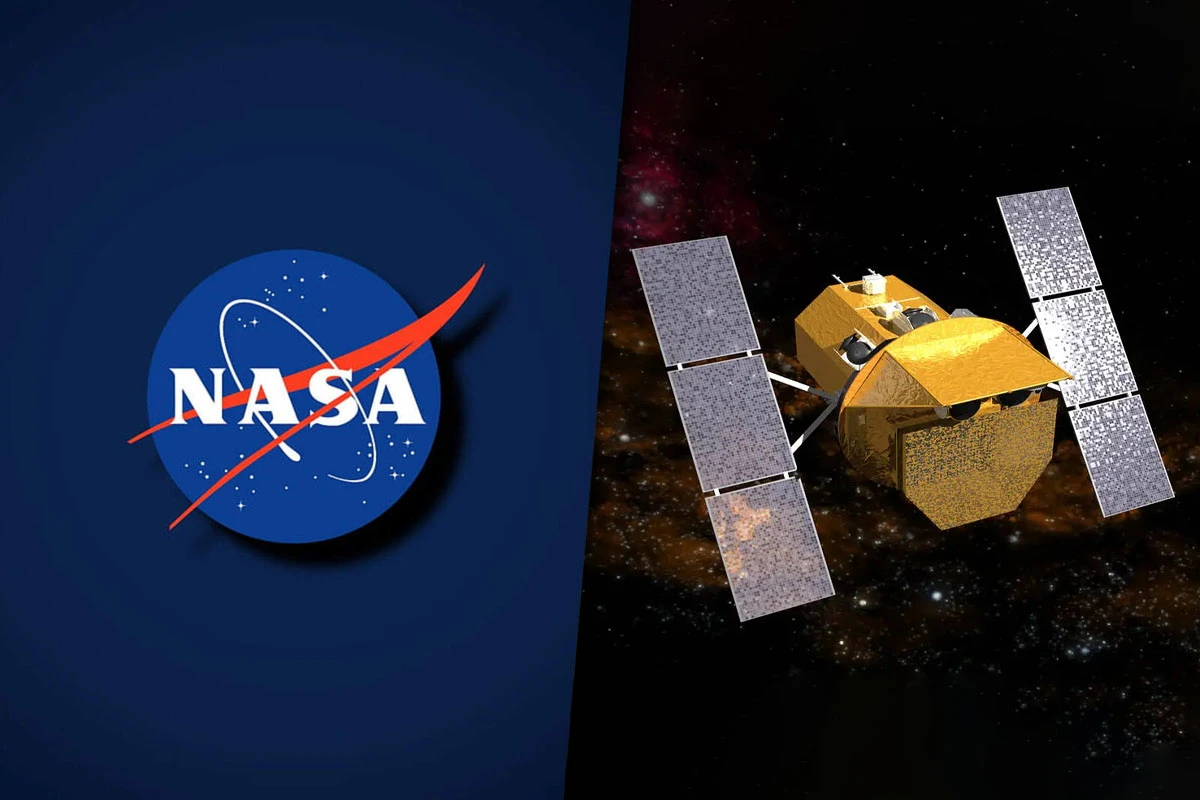
The Swift telescope was launched in November 2004 to study gamma-ray bursts and other high-energy phenomena in the universe.
Although it continues to provide scientific information, its orbit has descended due to increased atmospheric friction caused by recent solar activity.
The NASA has launched a mission to preserve the Swift telescope, whose orbit has descended due to increased friction with the atmosphere.
The operation includes sending the LINK satellite, which will dock with the observatoryand raise its orbit again to extend its operational life.
NASA launched a mission to preserve the Swift telescope
The NASA launched a mission to rescue the Swift telescope
The NASA confirmed the launch of the Swift Boost mission, aimed at preventing the Swift telescope from re-entering the Earth's atmosphere.
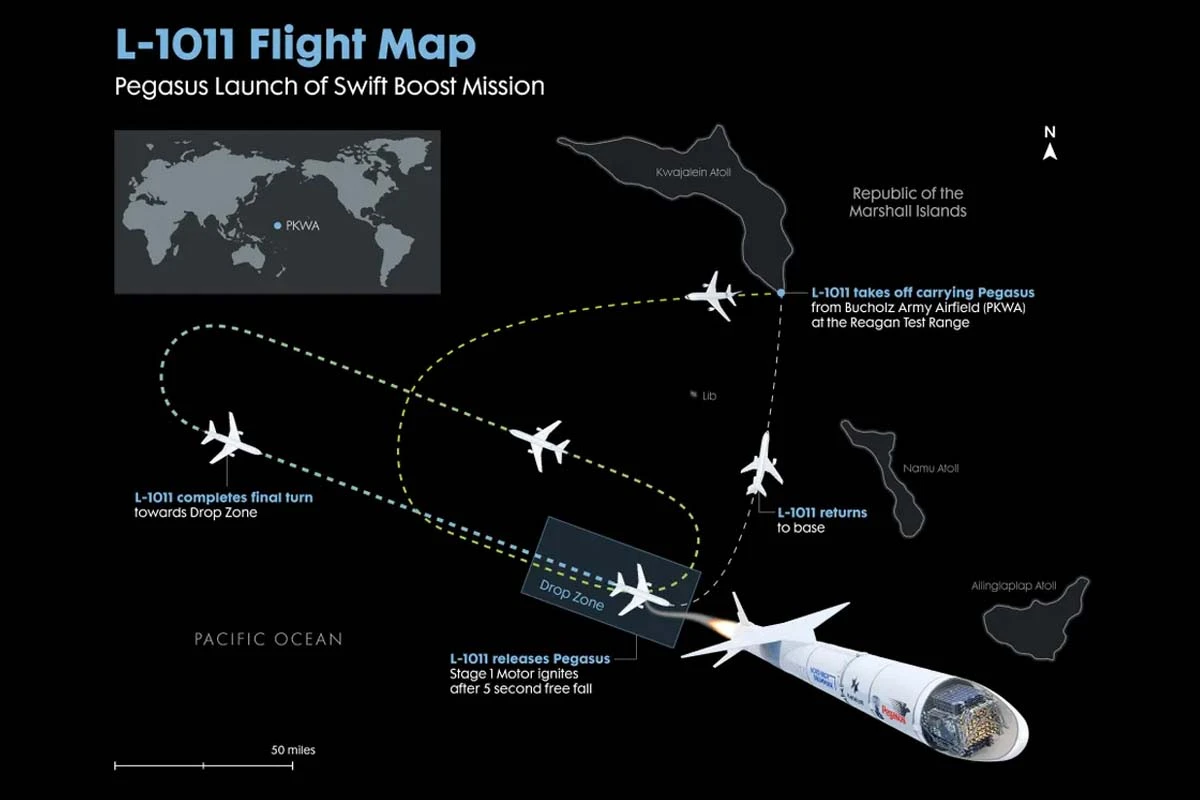
The launch took place on July 3 using a Pegasus XL rocket from Northrop Grumman, which placed the LINK satellite into orbit, developed by Katalyst Space Technologies.
How the rescue of the Swift telescope will take place
Once the initial checks are completed, the LINK satellite will begin its approach to the Neil Gehrels Swift Observatory.
NASA launched a mission to rescue the Swift telescope
Before attempting to dock, it will spend between two to three weeks observing the telescope to identify the best capture point.
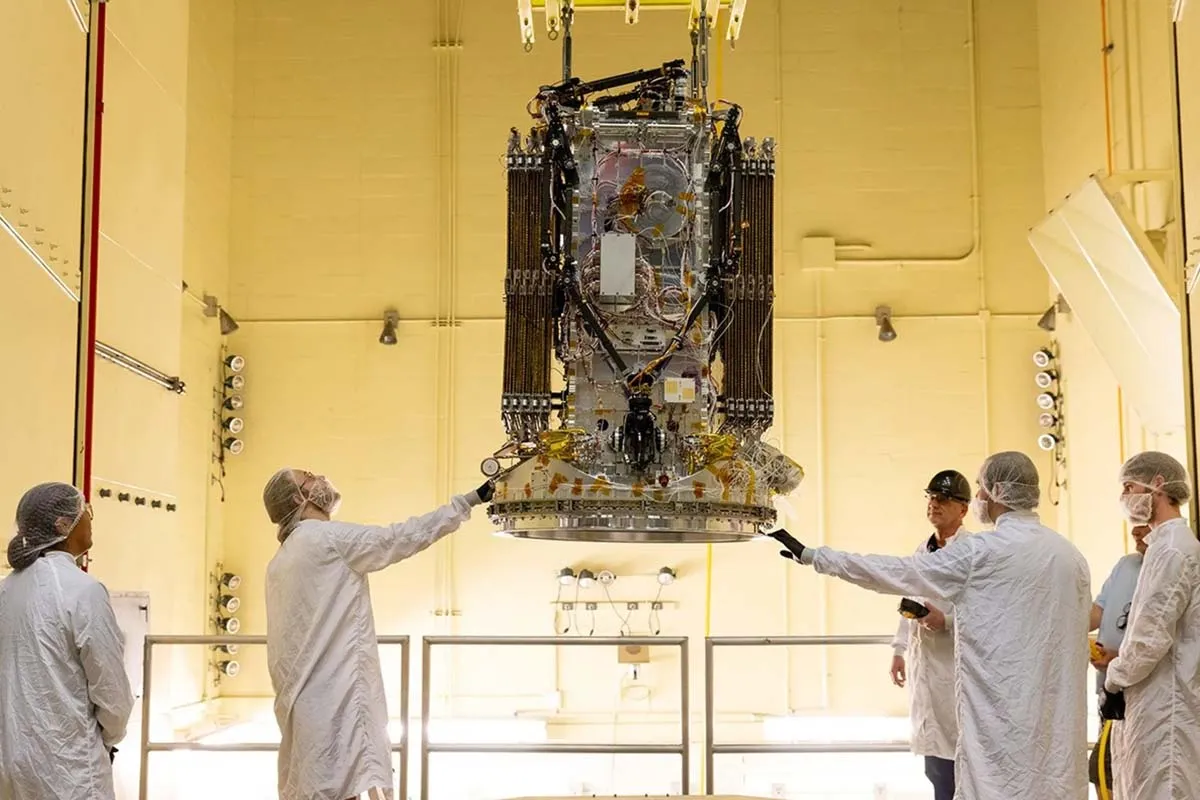
LINK is approximately 1.5 meters tall and has three robotic arms designed to hold the observatory, which is nearly 3.9 meters long.
How will the rescue of the Swift telescope be?
After docking, it will use ion thrusters to slowly raise the orbit of both vehicles over several months.
Why NASA decided to intervene
The observatory was not designed for maintenance in space and does not have its own thrusters to correct its trajectory.
The last flight of the historic Pegasus XL rocket
The mission also marked the last launch of the Pegasus XL, a three-stage rocket that debuted in 1990 and completed 45 missions.
The last flight of the historic Pegasus XL rocket
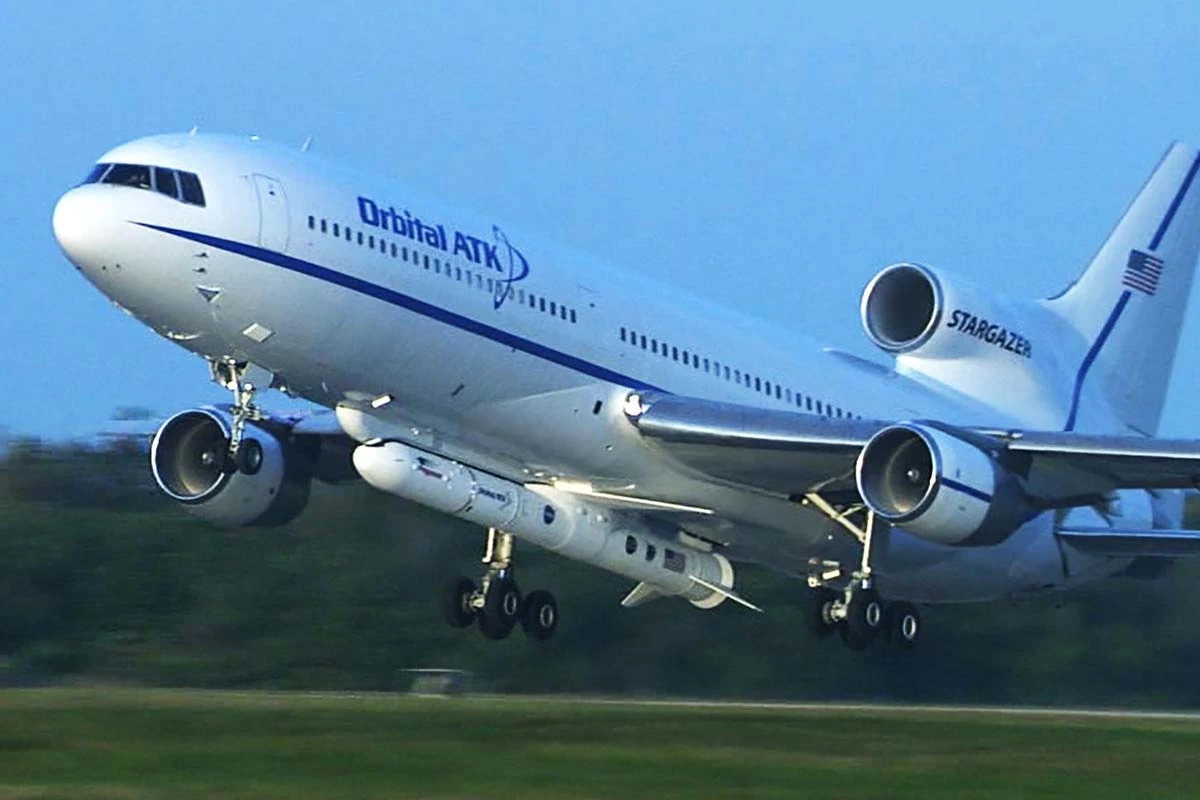
The vehicle was released from the L-1011 Stargazer aircraft over the Marshall Islands before igniting its engines and placing LINK into orbit.
Previous launch attempts had been suspended due to weather conditions and an issue with the rocket's navigation system.
What the Swift Boost mission hopes to achieve
The NASA aims to return the Swift telescope to an altitude close to 600 kilometers to extend its operational life for several more years, as long as its systems continue to function properly.
What does the Swift Boost mission hope to achieve
Additionally, the agency highlighted that this mission will demonstrate a key capability for future space operations, as it will be the first attempt by a private spacecraft to capture an uncrewed satellite from the United States government.