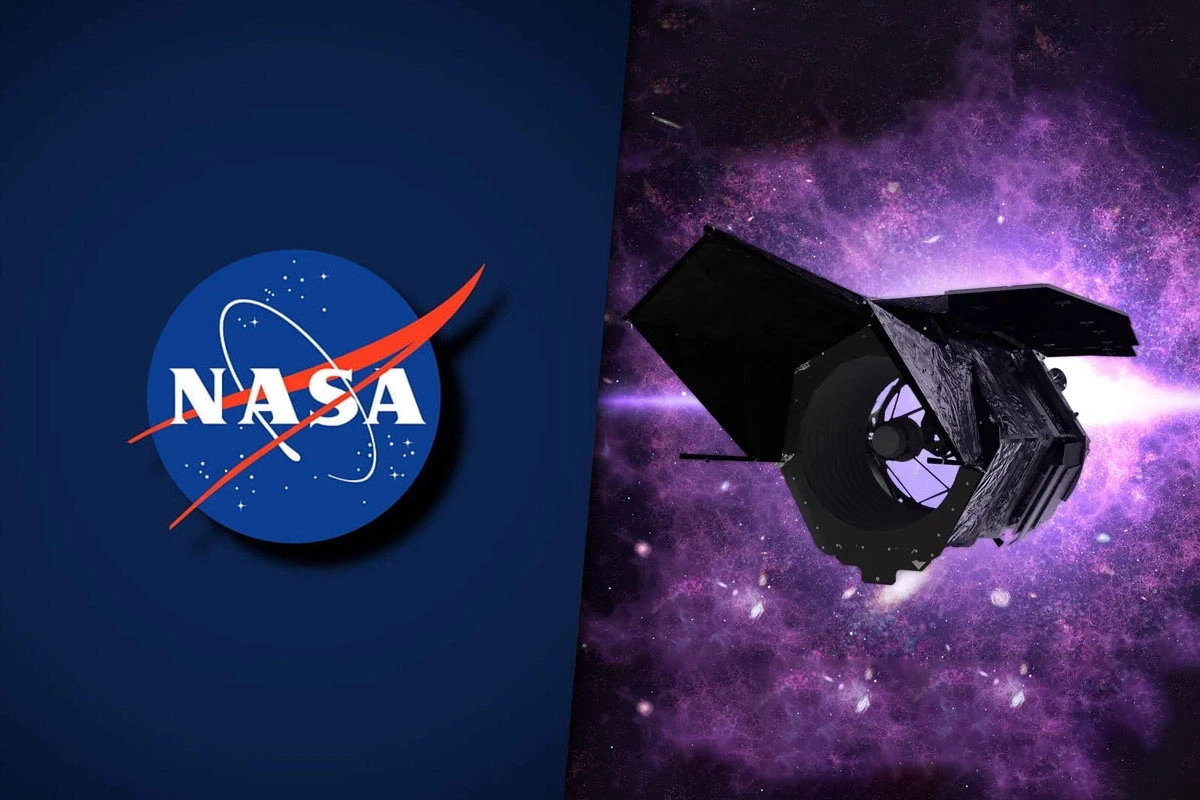
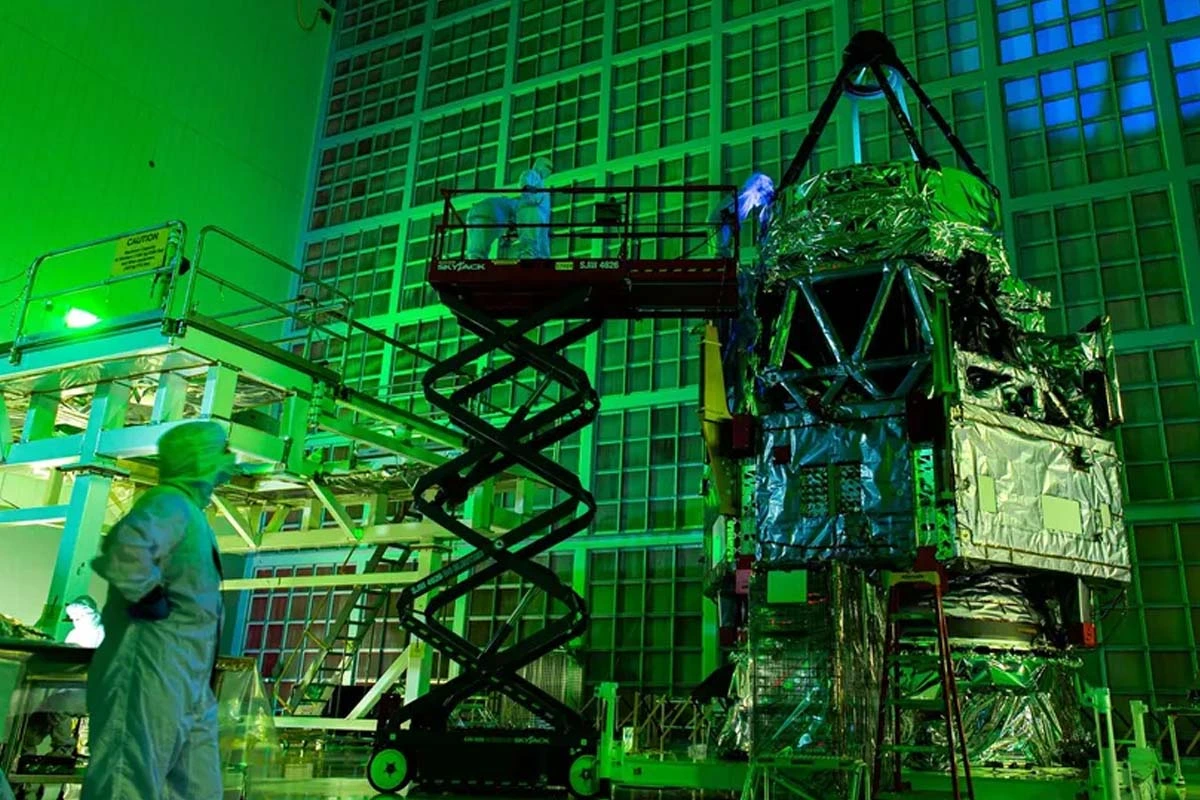
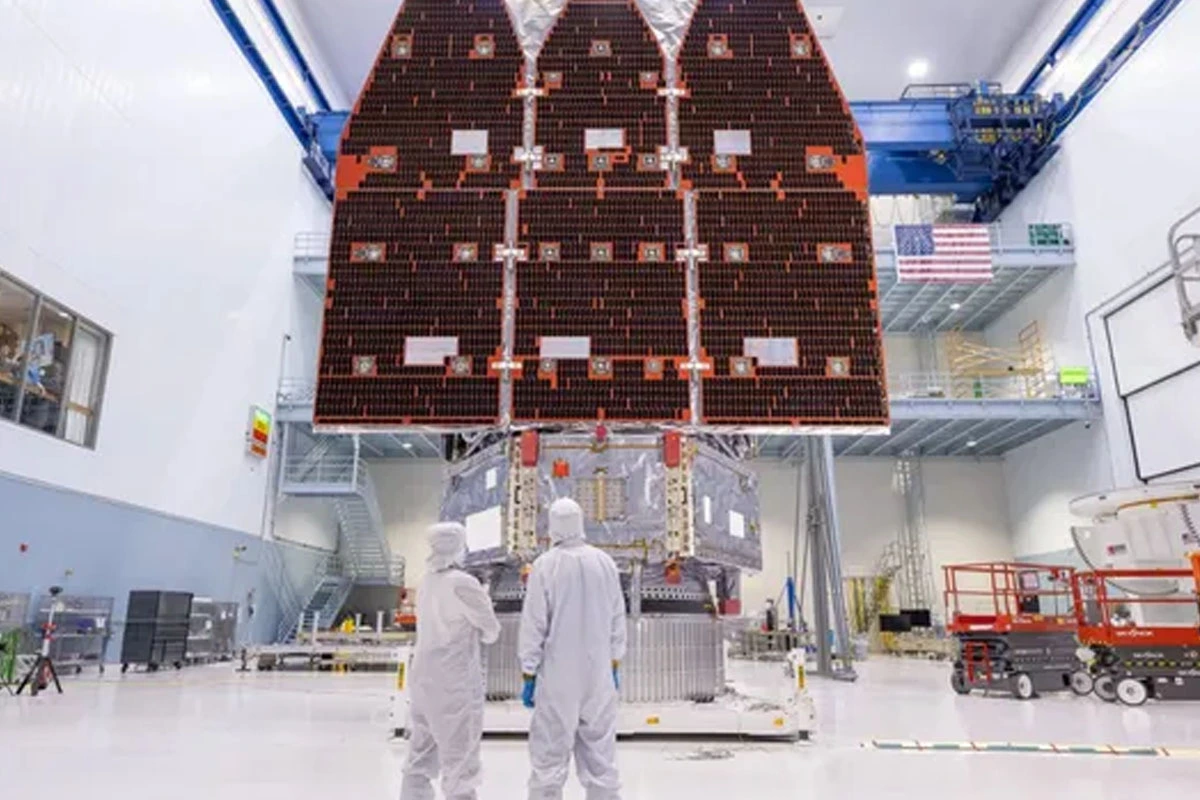
The Nancy Grace Roman Space Telescope, NASA's next major observatory, has now been completed and is in the pre-launch phase. The announcement was made at the Goddard Space Flight Center, where the scientific team presented the fully assembled instrument
.
As reported during the conference, the telescope has an estimated liftoff date of September 2026, even earlier than originally planned and within the allocated budget.
NASA's next major observatory has already been completed
What features will the Roman telescope
have
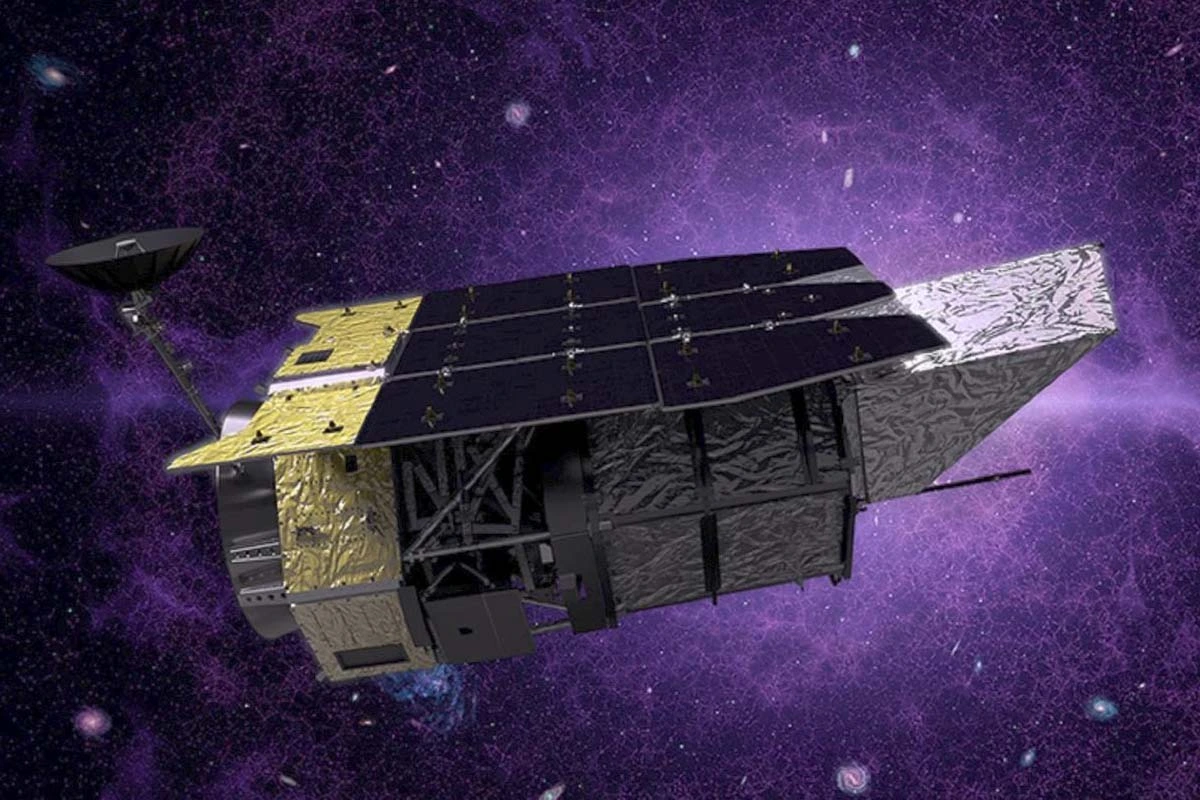
The Roman telescope was designed to expand the study of the universe with a much larger observation capacity than that of previous instruments
.
According to official data from NASA, its main mirror measures 2.4 meters, a size comparable to that of the Hubble telescope. However, its key difference lies in its ability to capture much larger images of the sky
. It
captures areas of the sky at least 100 times larger than Hubble
.
It can map space more than 1,000 times faster. It
will generate around 500 terabytes of data per year
.
This capability will allow us to observe large regions of the universe in less time and in
greater
detail. What features will the Roman telescope have
How NASA's new telescope will observe the universe El
Roman will work mainly with visible and near-infrared light, allowing it to analyze different layers of the cosmos
.
Its main instrument, the Wide Field Instrument, includes a 300 megapixel camera and a spectrometer. This will allow you to capture panoramic images of space and study the composition of the observed objects
. How NASA's new telescope will observe the universe
Unlike the James Webb telescope, which focuses on the deep universe, Roman is designed to carry out large surveys and detect phenomena such as supernovae or
short-term cosmic events.
The scientific objective: dark matter and dark energy
One of the main objectives of the Roman telescope will be to study dark matter and dark energy, two components that represent approximately 95% of the universe.
Thanks to its wide field of view, you can map galaxies in 3D and analyze how the universe expands. These data are key to understanding phenomena that do not yet have a definitive explanation in science.
It
will also search for exoplanets
.
The telescope will include a coronagraph, a tool that blocks starlight to detect
nearby planets. The scientific objective: dark matter and dark energy
According to NASA, this system will be able to identify planets up to 100 million times dimmer than their star, a significant improvement over current technologies
.
Next steps before launch
Upon completion, the telescope will be moved to the Kennedy Space Center to complete final tests. During its development, it was already subjected to extreme sound, temperature and vibration conditions to validate