The Office of the Treasury Attorney appealed the ruling that ordered the application of the Emergency Disability Law throughout the country
Compartir:
The national government appealed the court ruling that ordered the immediate enforcement of the Emergency Disability Law throughout the country, despite not having specific funding approved by Congress.
The appeal was filed by the National Treasury Attorney General's Office against the decision of the federal judge of Campana, Adrián González Charvay, who had declared invalid a key article of the presidential decree that suspended the implementation of the regulation.
The Executive's position before the Judiciary
The motion was signed by the Treasury Attorney General, Santiago Castro Videla, with the sponsorship of Deputy Attorney General Julio Comadira. In the brief, the State argued that the ruling causes institutional harm by encroaching on powers that are inherent to the Executive Branch and by disregarding the current legal framework on budgetary matters.
The judge granted the appeal with devolutive effect, so the ruling will remain in force until the Federal Court of Appeals of San Martín analyzes the case. The State has five days to expand on the grounds of the motion.
A debate that also runs through Congress
The decision to appeal occurred in parallel with a new legislative setback for the government. In the Chamber of Deputies, the opposition managed to reject the budget article that proposed definitively repealing the Emergency Disability Law.
From the Executive, officials believe that this vote reflects a recurring practice of Congress: passing laws with fiscal impact without defining the funding sources. For that reason, Casa Rosada will seek to reverse the result in the Senate and resume the budget discussion in the Chamber of Deputies.
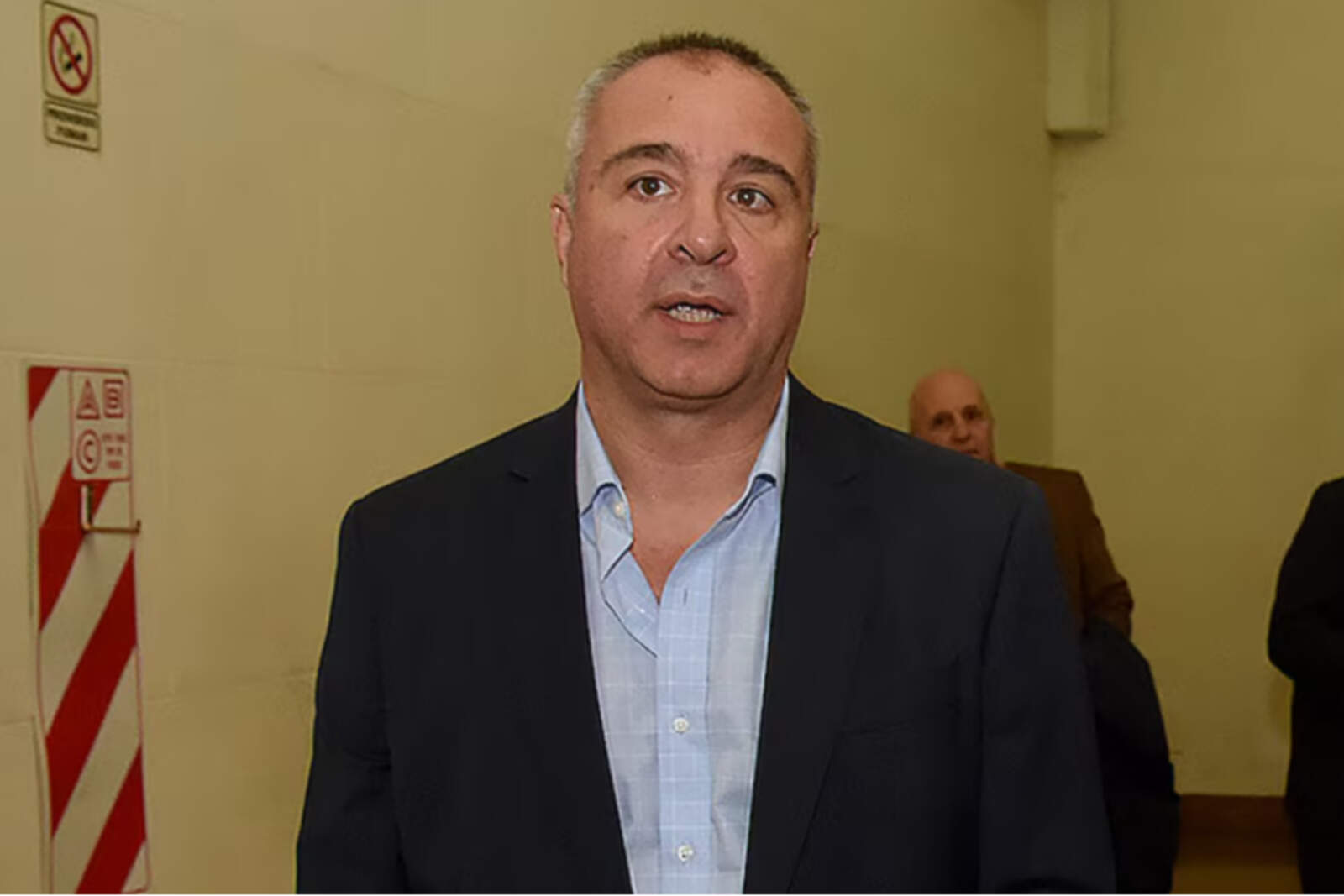
El juez federal de Campana, Adrián González Charvay
The origin of the legal conflict
The challenged ruling declared invalid article 2 of decree 681/2025, which suspended the enforcement of the law in the absence of specific budget allocations. The government had based the measure on the Budget Execution Law, which requires that any regulation that authorizes expenditures must provide for its funding.
After the rejection of the presidential veto, the Executive enacted the law, but decided to suspend its implementation until it had budgetary backing, in line with its fiscal consolidation policy.
The defense of balance and legality
From the government, officials maintain that the court ruling encroaches on decisions that are inherent to the State's economic administration. In addition, they emphasize that forcing the enforcement of a law without allocated resources entails disregarding basic principles of fiscal responsibility.
The ruling also challenged the budgetary argument and held that the Chief of Cabinet could reassign budget items. However, in the Executive, officials warn that this criterion ignores the real constraints of the budget and opens the door to a discretionary use of public funds.
The underlying discussion
The appeal seeks to have the Federal Court of Appeals review a decision that, according to the government, sets a delicate precedent. The Executive insists that the protection of vulnerable sectors must take place within a sustainable legal framework and not through rulings that constrain fiscal policy.
Meanwhile, the debate remains open in Congress and in the Judiciary, in a scenario in which the government reaffirms its commitment to institutional order, respect for the separation of powers, and responsibility in the use of State resources.