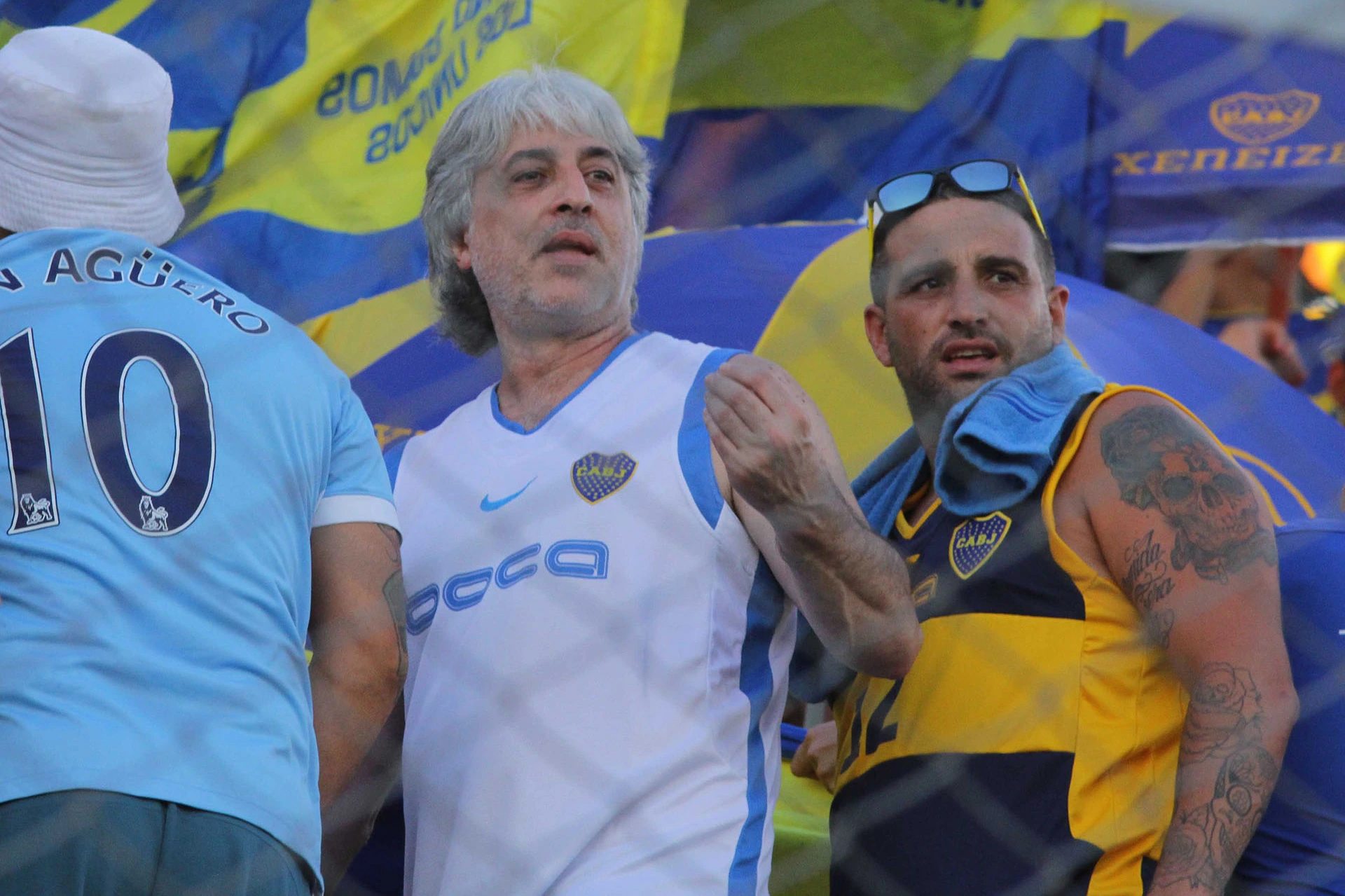
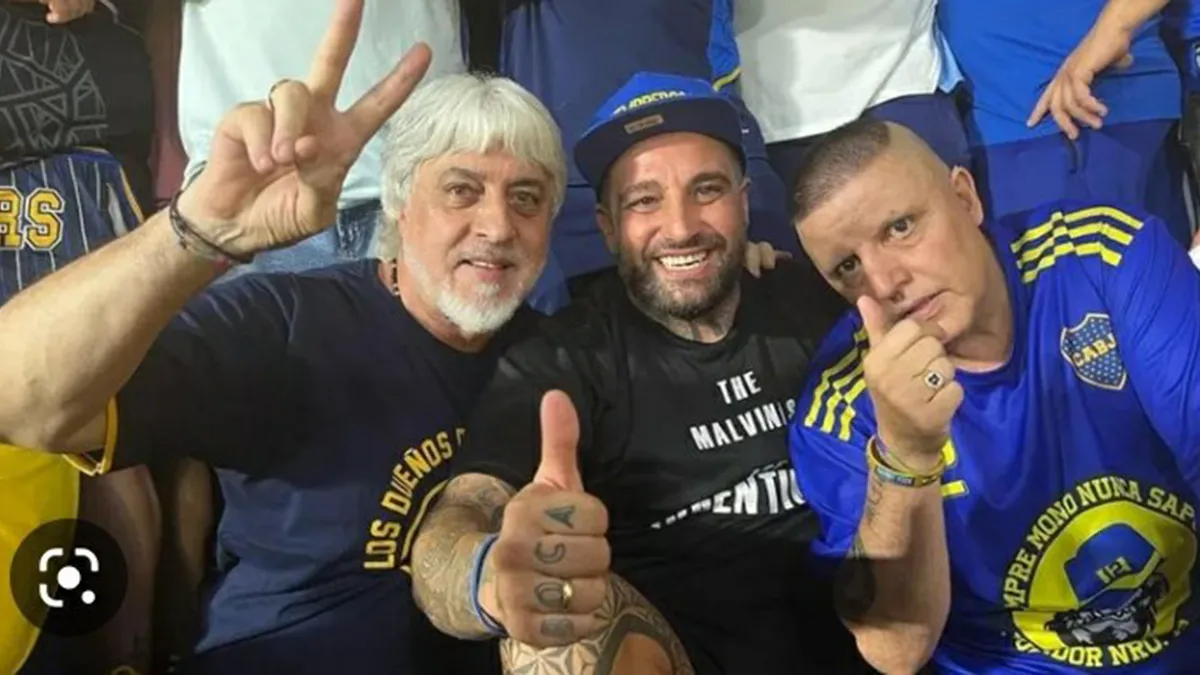
The national governmentconfirmed on Thursday the ban imposed on Rafael Di Zeo to attend sports shows in Argentina. Through Decree 180/2026, published in the Official Gazette, the Executive rejected the last appeal filed by the head of the Boca bar and upheldthe measure issued
in 2024.
The resolution does not introduce a new sanction, but rather ratifies the “restriction of administrative competition” that already prevented him from entering any stadium in the country for an indefinite period. With this decision, the Government closed the administrative route and left Di Zeo the possibility of going to justice as the only alternative
.
The origin of the conflict dates back to November 2024, when the then Ministry of Security moved forward with the sanction after the release of an audio in which the leader of “La 12” allegedly launched threats against Patricia Bullrichand officials in the area. In that record, it was linked to direct warnings in the context of questioning the Safe Courts program
. [IMAGE] {1387015} [IMAGE
] The Executive maintains that the measure is preventive in nature and responds to the need to “protect the integrity of people and preserve assets”, in line with security policies in football. In this regard, they emphasize that the sanction was applied within parameters of reasonableness and in use of the State's powers
.
For his part, Di Zeo had tried to reverse the decision with different arguments, including the alleged manipulation of audio using artificial intelligence and the violation of rights such as defense and free movement. However, the Government considered that it did not provide new elements that would justify modifying the previously adopted approach
. Di Zeo will have to go to justice if he wants to reverse the sanction
The decree also emphasizes that these types of restrictions do not require prior judicial intervention, since they fall within the scope of the police power in matters of security. In addition, it establishes that the administrative instance was exhausted, although it empowers the sanctioned person to go to justice within a certain period of time
.
In practical terms, the decision keeps Di Zeo out of Argentine stadiums and reinforces the official position of holding restrictive measures against bar leaders as part of the prevention of violence in football.