The Atlantic alliance launches a coordinated mission under Danish leadership to shield the Arctic from Russia's military advance and China's growing influence
Nuevo
Agregar La Derecha Diario en
Compartir:
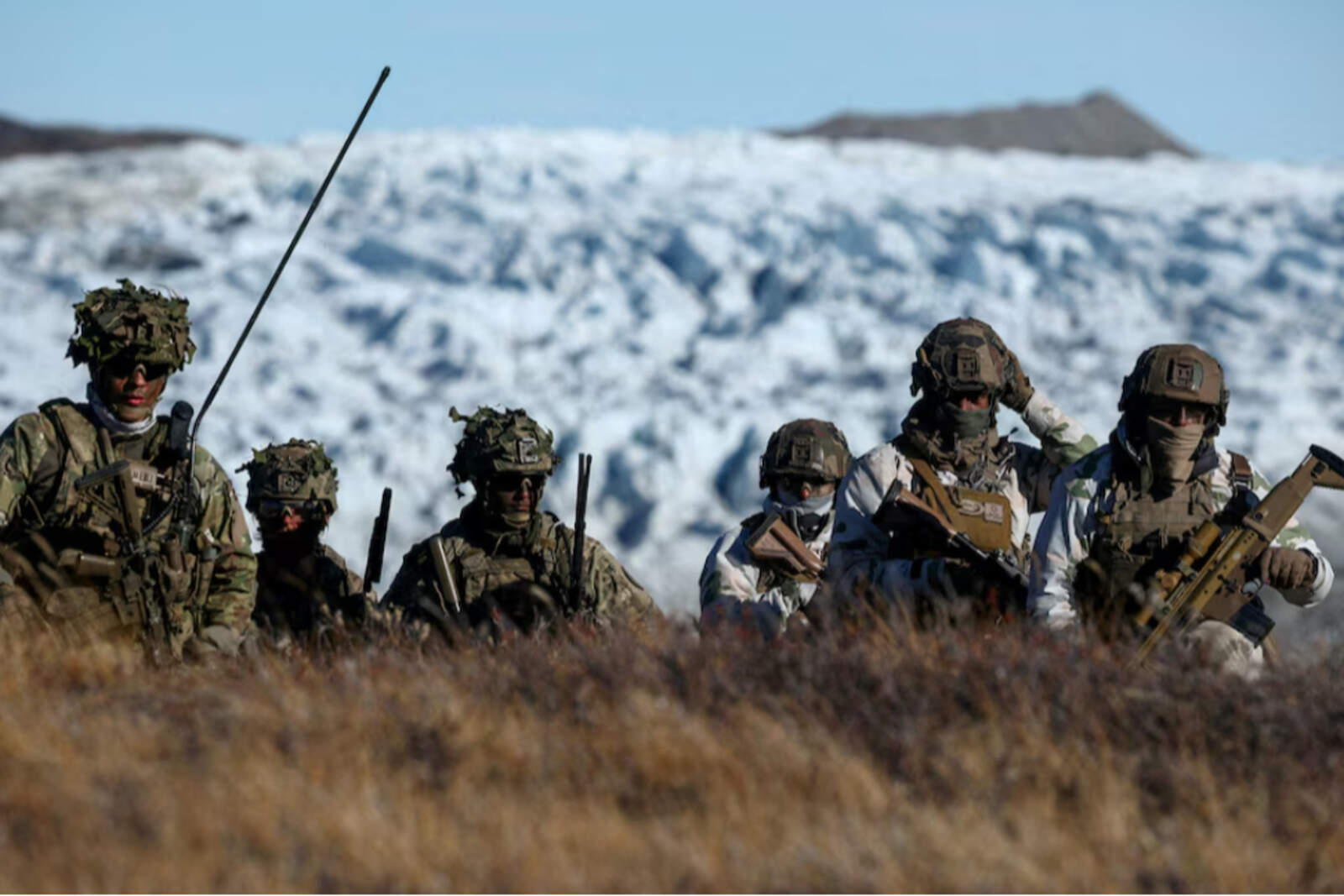
NATO launched the Arctic Sentinel mission to reinforce its military presence in Greenland and the High North, in a context of growing geopolitical pressure from Russia and China. The decision was formalized after an understanding was reached between the President of the United States, Donald Trump, and the Secretary General of the alliance, Mark Rutte.
NATO's headquarters reported that the mission coordinates allied operations in the Arctic region, including the deployment of forces in Greenland under Danish leadership. The objective is clear: to guarantee stability and protect the territory of member countries in an area considered strategic for its maritime routes, natural resources, and geopolitical position.
The Supreme Allied Commander in Europe, General Alexus G. Grynkewich, emphasized that the initiative seeks "to safeguard the territory and ensure that the Arctic and the High North remain secure."
Trump pushes for greater defensive commitment in the region
The planning of Arctic Sentinel accelerated after the talks held in Davos between Trump and Rutte, in the context of the crisis over Greenland. The U.S. President had stressed the island's strategic importance, noting that its location is key for Western security in the face of Russian and Chinese advances.
La OTAN lanza Centinela del Ártico tras la amenaza rusa y refuerza su presencia en Groenlandia
The agreement that was reached made it possible to channel the tension within the alliance and establish a reinforced defense scheme under NATO's umbrella, avoiding a unilateral escalation. Among the central points, the creation of a "Sovereign Bases" model was included, which allows the United States to operate in specific military areas without altering Denmark's ownership of the territory.
The installation of the advanced missile defense system Golden Dome, along with preferential rights for U.S. companies in the exploitation of rare earths, resources that are critical for the technological and military industry, is also envisaged.
United Kingdom and the Joint Expeditionary Force join the deployment
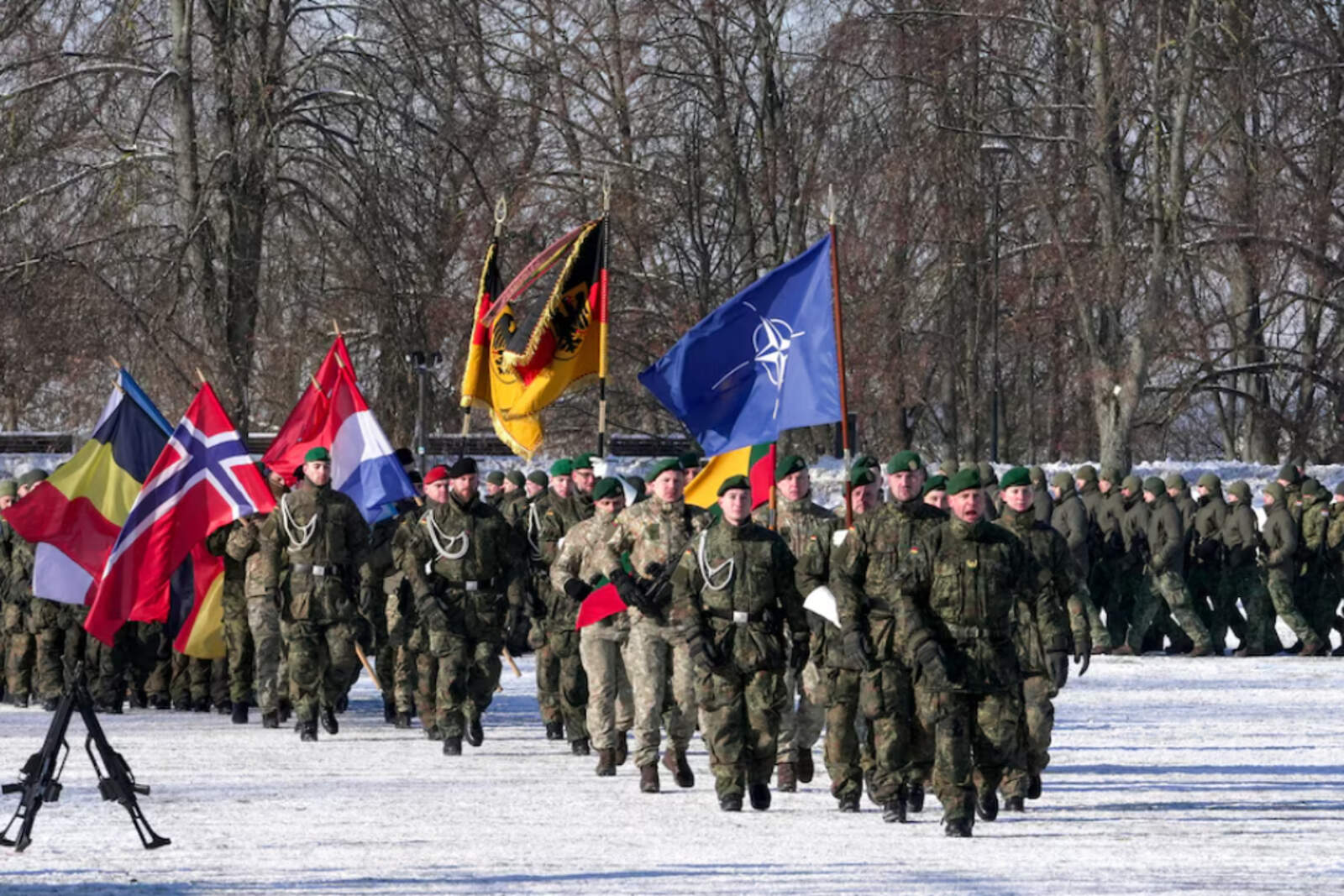
The British Defense Minister, John Healey, confirmed that the United Kingdom will have a central role in the mission. The Joint Expeditionary Force — made up of Denmark, Estonia, Finland, Iceland, Latvia, Lithuania, the Netherlands, Norway, Sweden, and the United Kingdom — will carry out military maneuvers in September in Iceland, the Danish Straits, and Norway.
NATO clarified that Arctic Sentinel integrates already existing exercises led by Norway and Denmark, although an expansion of capabilities is not ruled out if the strategic scenario requires it.
Russia threatens military countermeasures
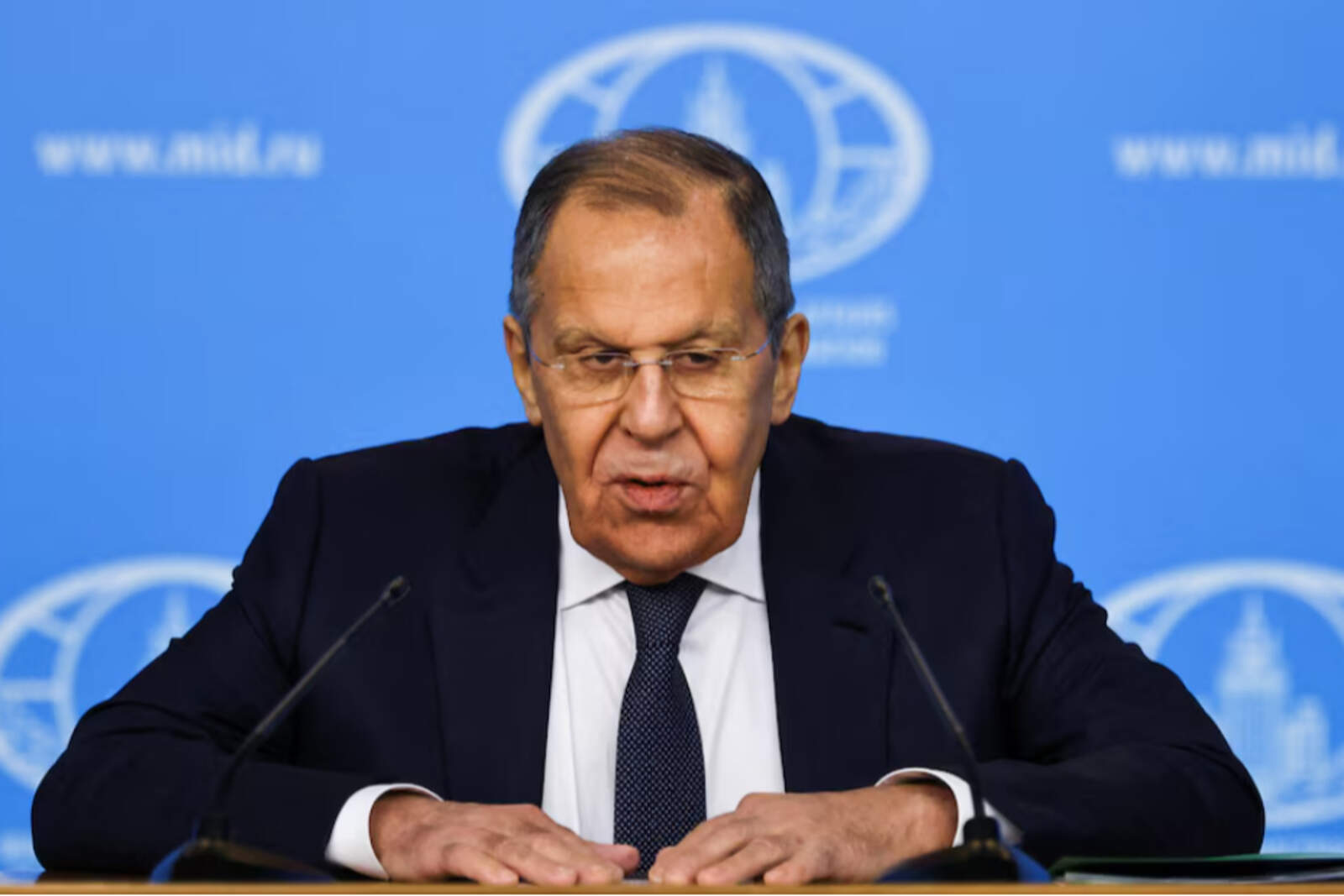
In parallel, Moscow raised the tone. Foreign Minister Sergey Lavrov warned that Russia will adopt "technical and military measures" if the West increases the militarization of Greenland or installs offensive capabilities aimed at its territory.
La OTAN lanza Centinela del Ártico tras la amenaza rusa y refuerza su presencia en Groenlandia
The tension in the Arctic has thus become one of the main focal points of the new global geopolitical stage. The progressive thaw is opening maritime routes and facilitating access to strategic energy and mineral resources, which multiplies the interest of the great powers.
The Arctic, new axis of global competition
The Arctic Sentinel mission marks a turning point in NATO's strategy. The alliance is collectively assuming greater responsibility for regional defense in the face of increased Russian military activity and Chinese economic expansion.
With this move, the West seeks to send a clear message: the Arctic is a strategic space that will not be left at the mercy of pressure from revisionist actors. Allied coordination and the strengthening of defensive capabilities aim to preserve balance and deterrence in one of the most sensitive regions on the international chessboard.