
A study from the Hebrew University of Jerusalem suggests that ancient wildfires may have kickstarted one of humanity's most transformative technologies: pottery making. According to geologist Amos Frumkin and his team, Neolithic communities in the southern Levant would have observed fire-hardened clays and learned to replicate that process.
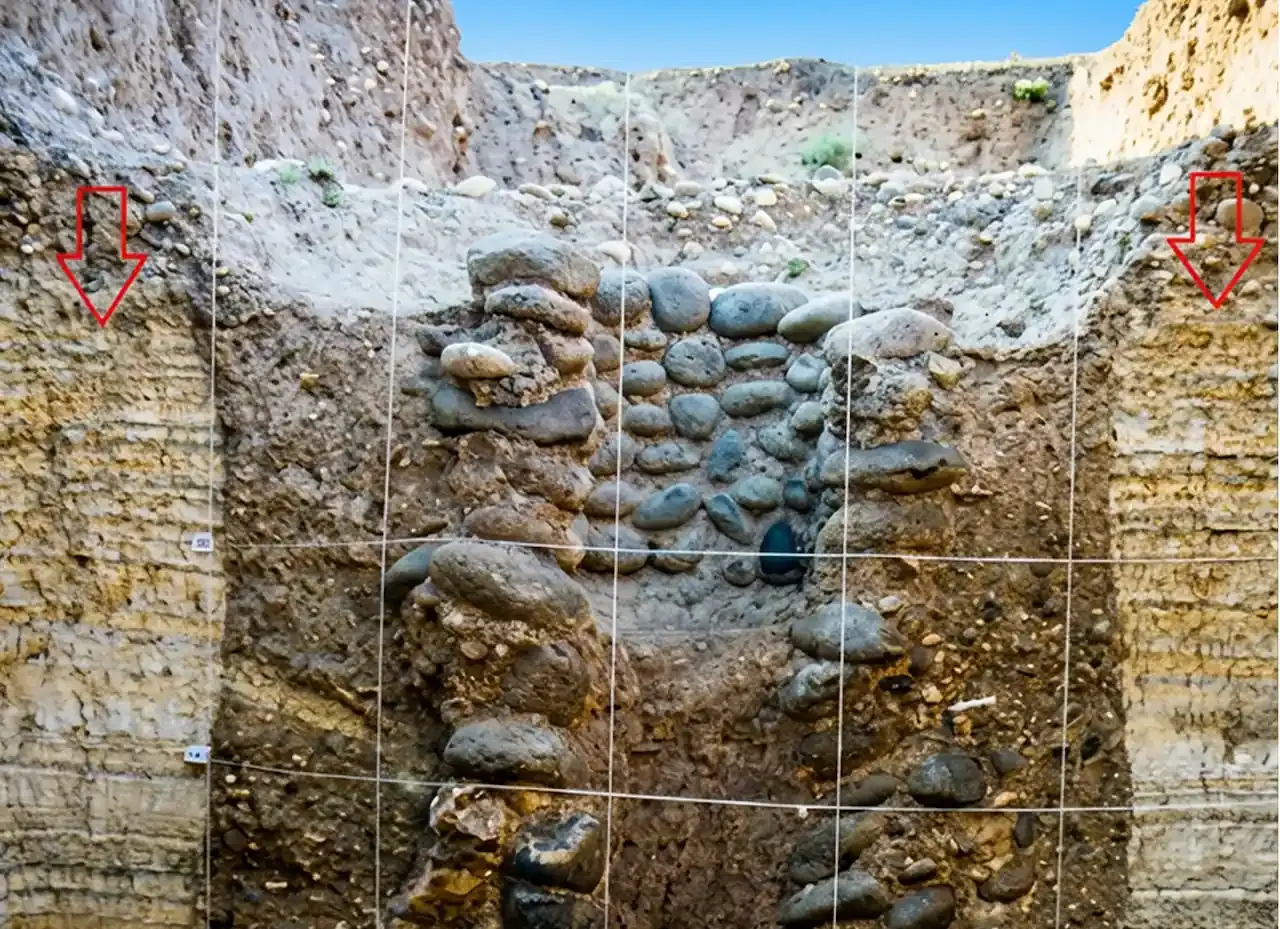
The researchers gathered data from lake sediments and cave formations corresponding to two key periods: between about 129,000 and 116,000 years ago, and then between approximately 11,000 and 7,000 years ago. In both intervals, they detected clear signs of extensive fires and intense soil erosion.
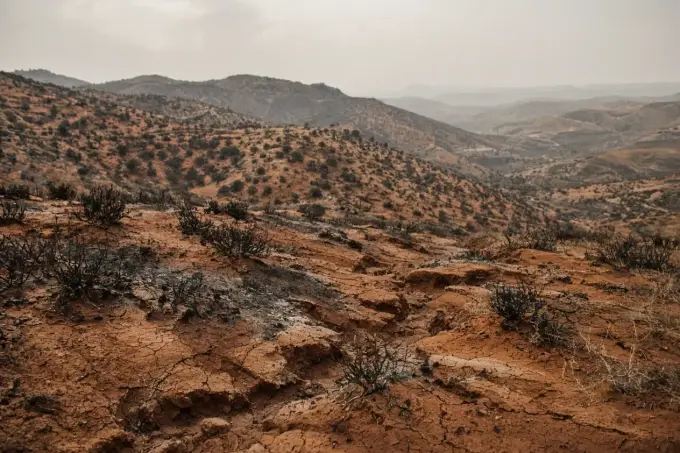
The peak of burning activity occurred between 9,500 and 8,200 years ago. Frumkin explains that, after this phase of repeated fires, vegetation was reduced, and erosion exposed layers of soil that rains and runoff carried into valleys and depressions.
These flows deposited clay-rich soils in low-lying areas, just where the first groups of farmers were beginning to settle. The emergence of pottery in the region coincides temporally with this scenario of a fire-altered landscape.
 Nature as an involuntary teacher
The central hypothesis is that these early farmers encountered patches of clay that had already been fired by wildfires. Upon seeing the hardened and durable material, they would have understood that heat could transform soft earth into a useful and lasting product.
Frumkin summarizes the idea with a phrase that encapsulates the finding: “One of humanity's most important technologies may have partly arisen from people learning to imitate what they had already seen nature do.” In other words, the natural kiln of wildfires would have functioned as an open-air laboratory.
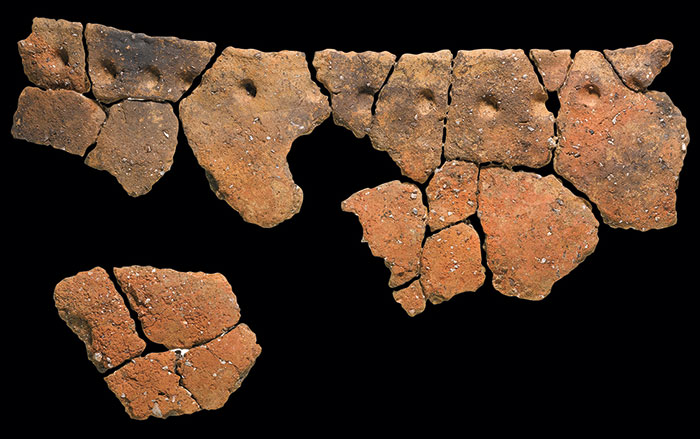 This proposal does not claim that fire invented pottery on its own, but rather that it provided an observable and repeatable model. Human groups, living in those valleys of newly exposed clay soils, had abundant raw material and a direct example of thermal transformation.