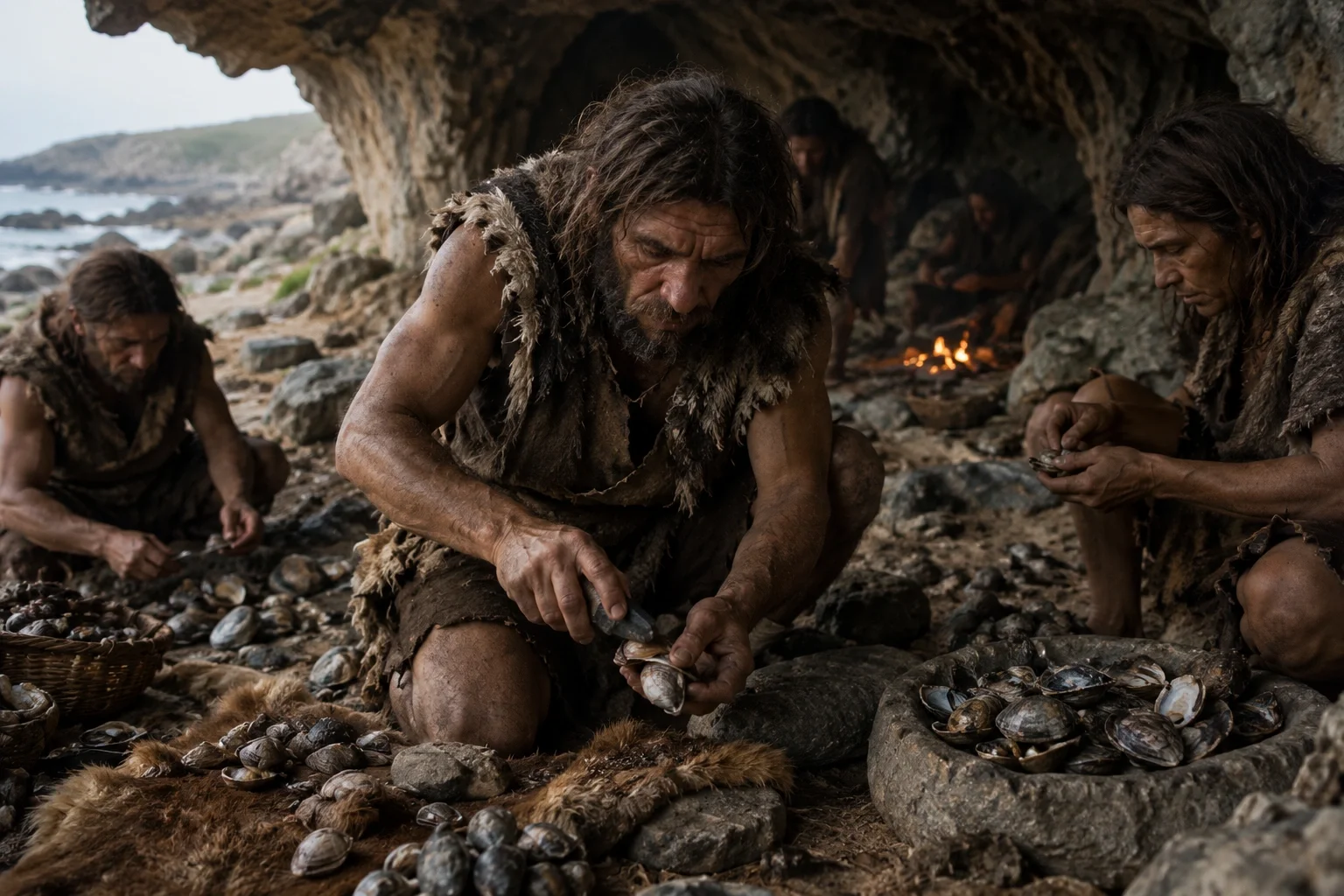
Researchers from the Autonomous University of Barcelona analyzed marine mollusk remains dating back 115,000 years found in the Los Aviones cave in southeastern Spain. The results indicate that Neanderthals followed a seasonal pattern in the collection of these shellfish.
This behavior, previously attributed only to modern humans, shows a planning similar to that of later populations. The team, led by Asier García-Escárzaga, measured the oxygen isotopes in the shells to determine what time of year they were collected.
The Prehistoric "Thermometer"
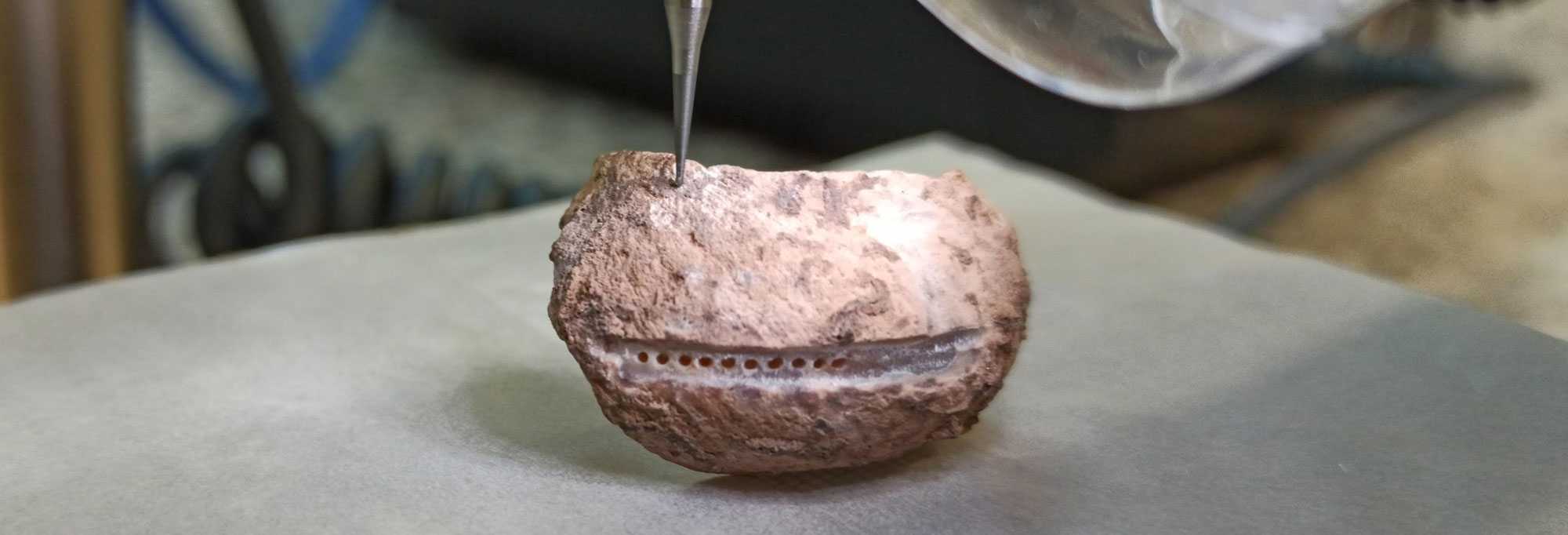
“By reconstructing the variation during the growth of the shell, these values act as a prehistoric thermometer,” explained García-Escárzaga. Neanderthals consumed marine resources year-round, but with a clear preference for the winter and autumn months.
This pattern does not seem coincidental, as it closely resembles that developed by modern humans in Europe and other regions. In winter, certain species of mollusks offer greater meat yield, better flavor, and texture due to their reproductive cycles.
During the warmer months, however, mollusks can be affected by toxic algae and decomposition due to heat. These foods provided proteins, fats, and essential minerals for brain and reproductive health, forming part of their subsistence strategy.
Nutritional Importance
Seasonal collection allowed Neanderthals to maximize the benefits of these marine resources. This evidence reinforces the idea that Neanderthals had more complex cognitive abilities than traditionally thought.
The study is based on the detailed analysis of carbonates in the shells, where the levels of oxygen isotopes primarily reflect the temperature of the seawater at the time of collection. In this way, scientists accurately reconstructed the exploitation calendar of these resources.
The findings from the Los Aviones cave provide new data on the adaptive behavior of Neanderthals in coastal environments. Far from being opportunistic gatherers, they displayed temporal organization in their diet.
The preference for autumn and winter coincides with periods of greater availability and quality of mollusks, indicating a deep understanding of the environment and its natural cycles. This type of seasonal planning would have been key to their survival in the Middle Paleolithic.
The work contributes to a better understanding of the subsistence strategies of our extinct relatives and challenges old views that considered them less sophisticated. The research was recently published and opens new lines of study on the use of marine resources in European prehistory.