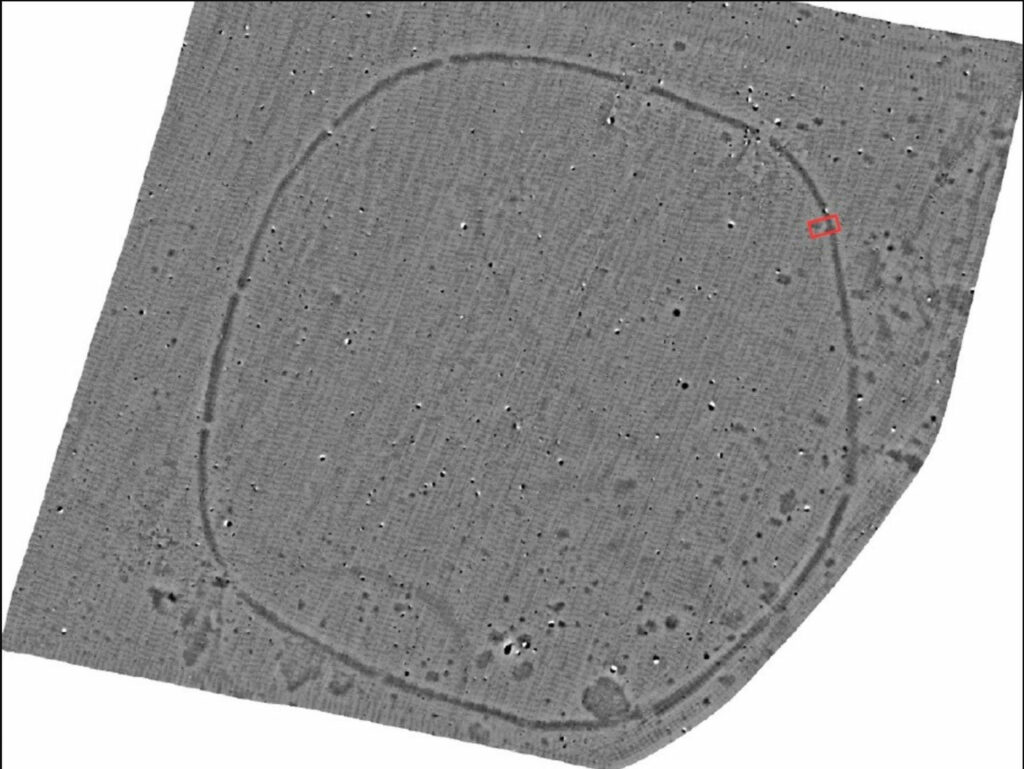

Near Chleby, in the center of the Czech Republic, a team of researchers identified a monumental structure erected about 6,500 years ago. According to the data collected, it is one of the oldest ritual centers found so far in Central Europe.
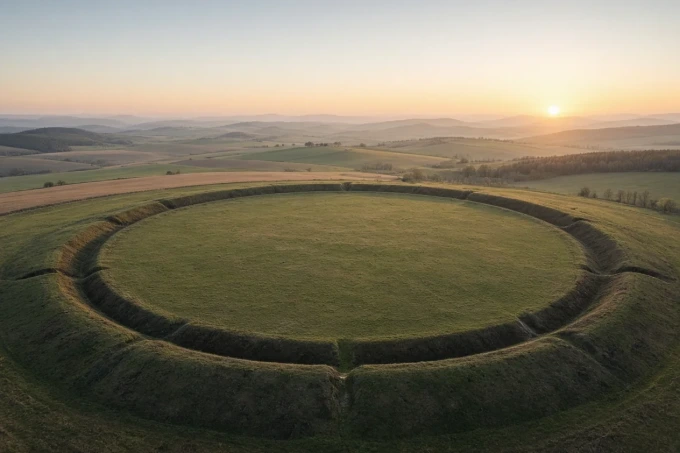
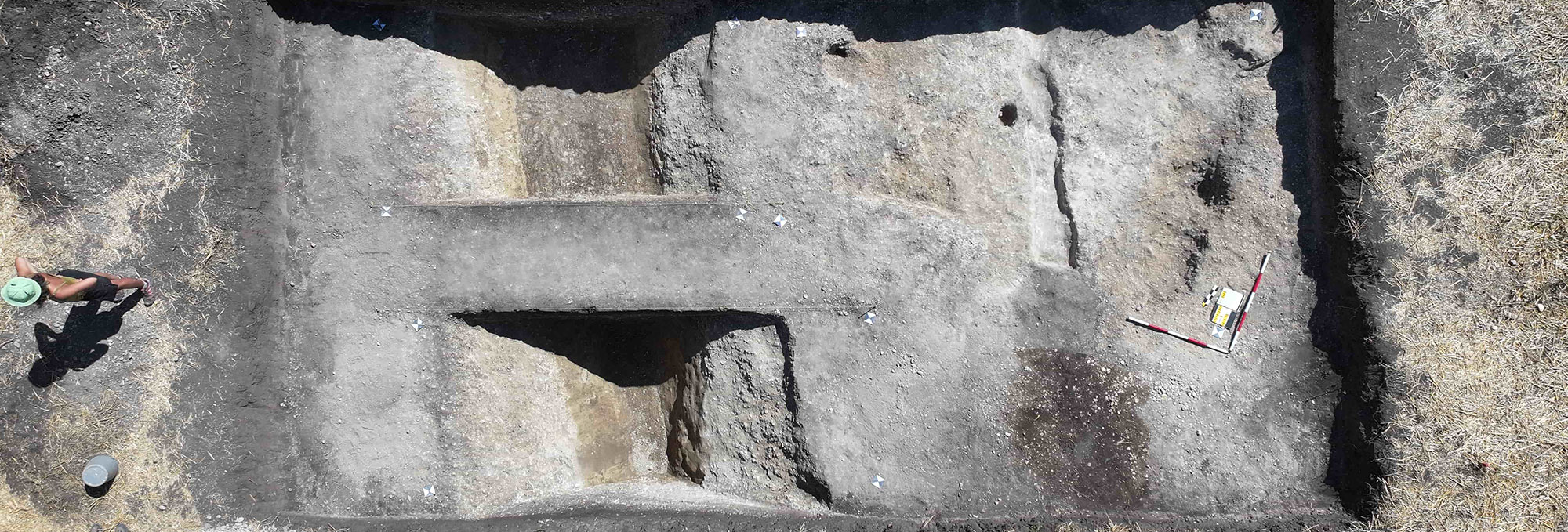
The enclosure is circular in shape and exceeds 230 meters in diameter. It is bordered by a ditch more than 2.4 meters deep. Twelve openings arranged around the perimeter were precisely oriented according to the cycles of the sun and moon.
Petr Krištuf from the University of West Bohemia explained that within the enclosure, two main observation points were recognized. From there, it was possible to track the rising and setting of the moon, the sunrise of the summer solstice, and the sunset of the winter solstice.
These axes coincide with the openings in the perimeter. The arrangement turns the whole into a monumental calendar that allowed marking key moments for both ceremonial activities and the agricultural cycle.
Ritual Uses and Connection to Agriculture
The discovery of skulls and bull horns at the site supports the idea that the place was used for ceremonies. These remains are associated with ritual practices common in the Neolithic period of the region.
At the same time, the alignment with the solstices and lunar phases indicates that the monument helped organize the planting and harvesting calendar. The combination of ritual functions and productive practices is a recurring feature in the large constructions of that time.