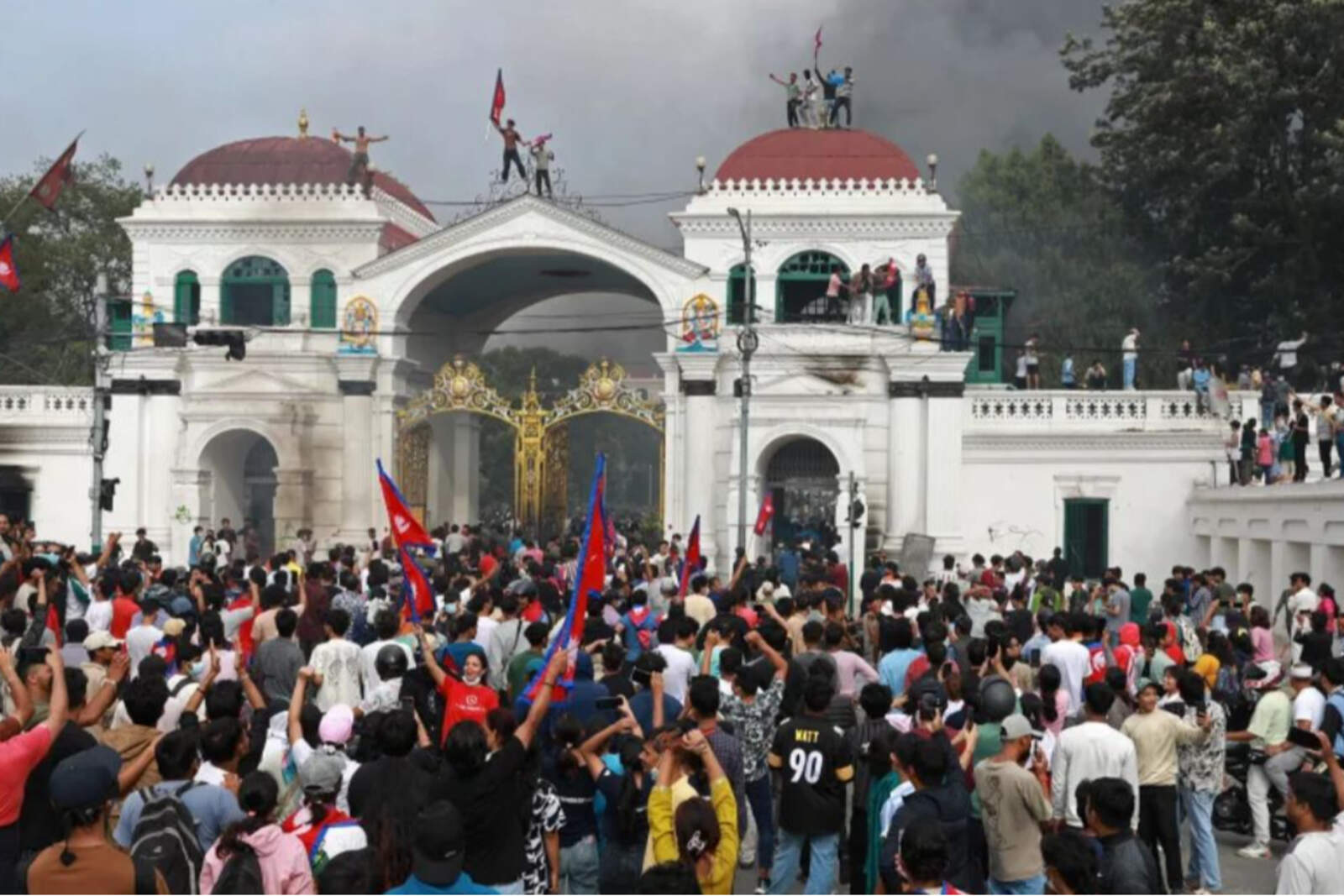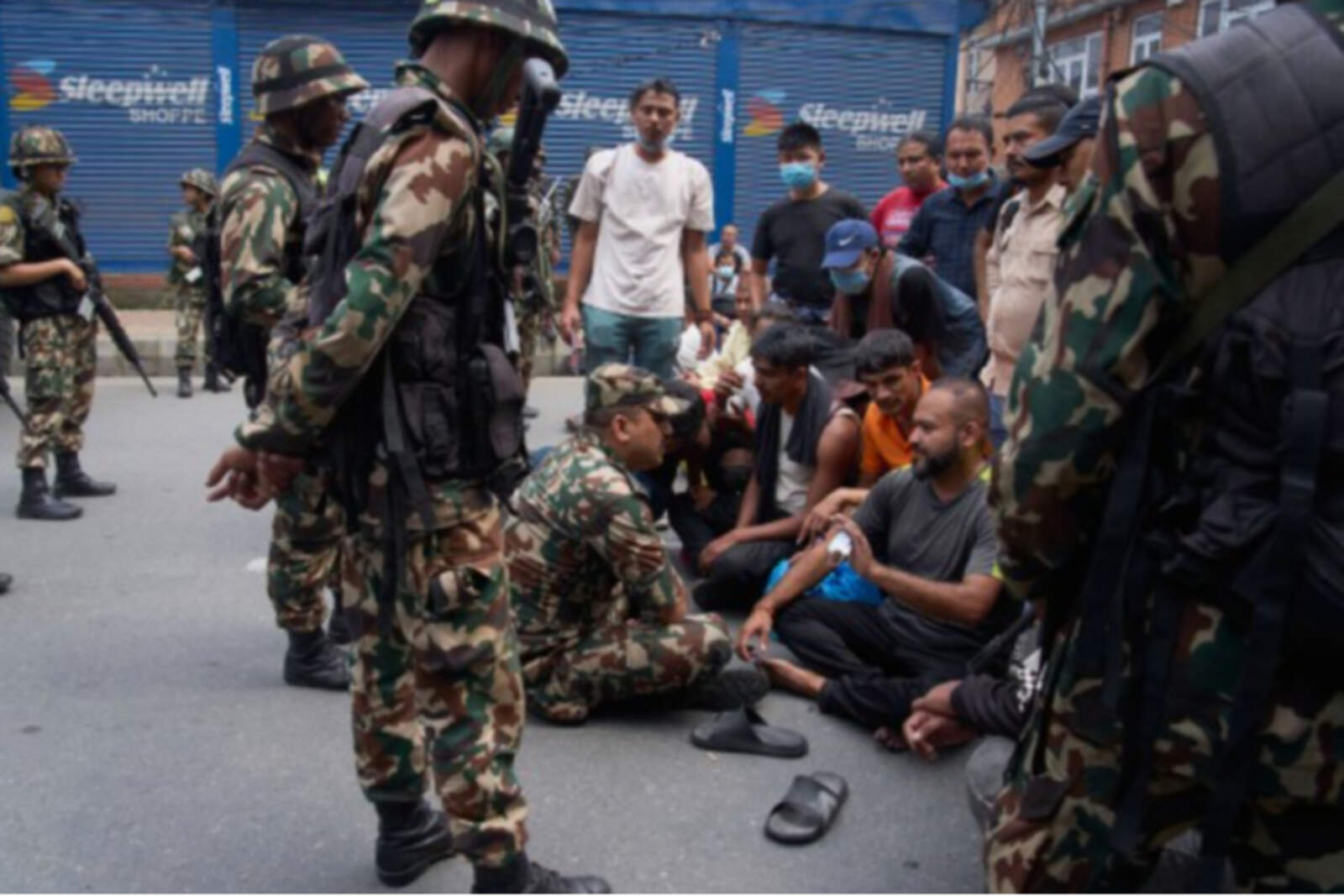

The communist regime of Nepal is experiencing its worst political crisis in decades. The crackdown ordered by the government left at least 22 dead and hundreds injured after protests against censorship, corruption, and economic inequality. Violence erupted after former Prime Minister K.P. Sharma Oli and his leftist coalition attempted to impose a blockade on 26 social networks, including WhatsApp, YouTube, and LinkedIn, in an attempt to silence critical voices.
The popular reaction was immediate: thousands of protesters, mostly young people, took to the streets of Kathmandu defying the curfew, setting fire to government buildings, hotels, and even officials' homes. Parliament and the Supreme Court were engulfed in flames, reflecting the exhaustion of a society that sees how a small group of the communist political elite accumulates wealth while the majority suffers from unemployment and precariousness.
The army took to the streets
The deployment of the Army in Kathmandu marked a drastic turn in Nepal's political crisis. After the resignation of communist Prime Minister K.P. Sharma Oli and the government's inability to control the wave of protests, the Armed Forces announced they would assume responsibility for "public order." Starting at midnight on Tuesday, heavily armed soldiers and police occupied the streets, surrounded groups of protesters, and in many cases forced them to kneel with their hands on their heads, in a scene reminiscent of the worst episodes of the civil war.
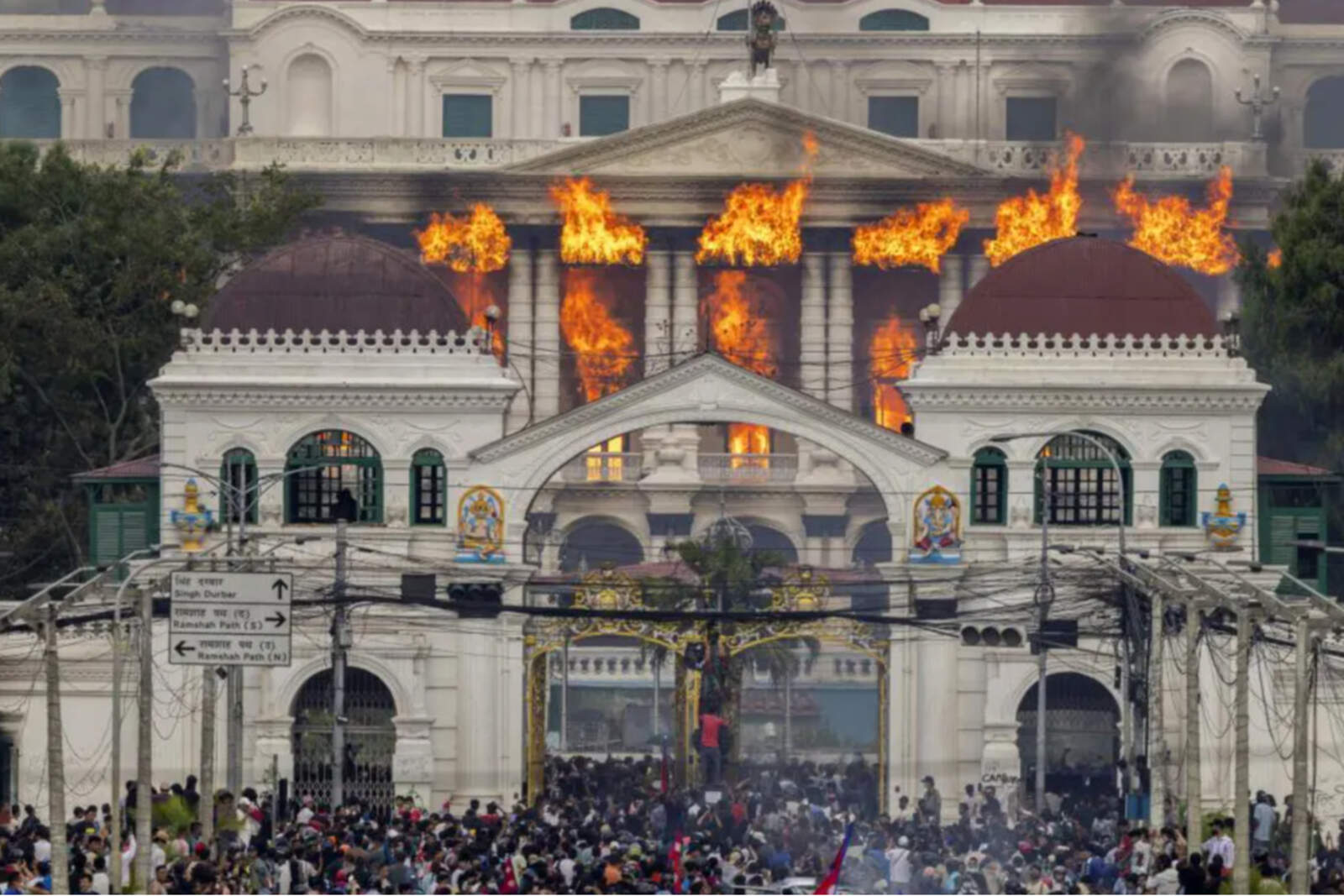
The Army's official statement claimed its mission was to protect public and private property, but in practice it meant a total militarization of the capital. International organizations and human rights advocates warned that this type of intervention often leads to abuses and indiscriminate repression, especially in a country with a long history of impunity for security forces. The "Army's dispatch" to restore order, far from guaranteeing peace, instilled fear that Nepal may fall even deeper into violence and communist authoritarianism.
Communism in free fall
The crackdown unleashed by the regime exposed the most authoritarian face of Nepalese communism. Security forces opened fire on the crowd with live and rubber bullets, as well as using water cannons, which caused a wave of international condemnation. The UN demanded explanations and an independent investigation, warning that the government violated basic human rights standards.