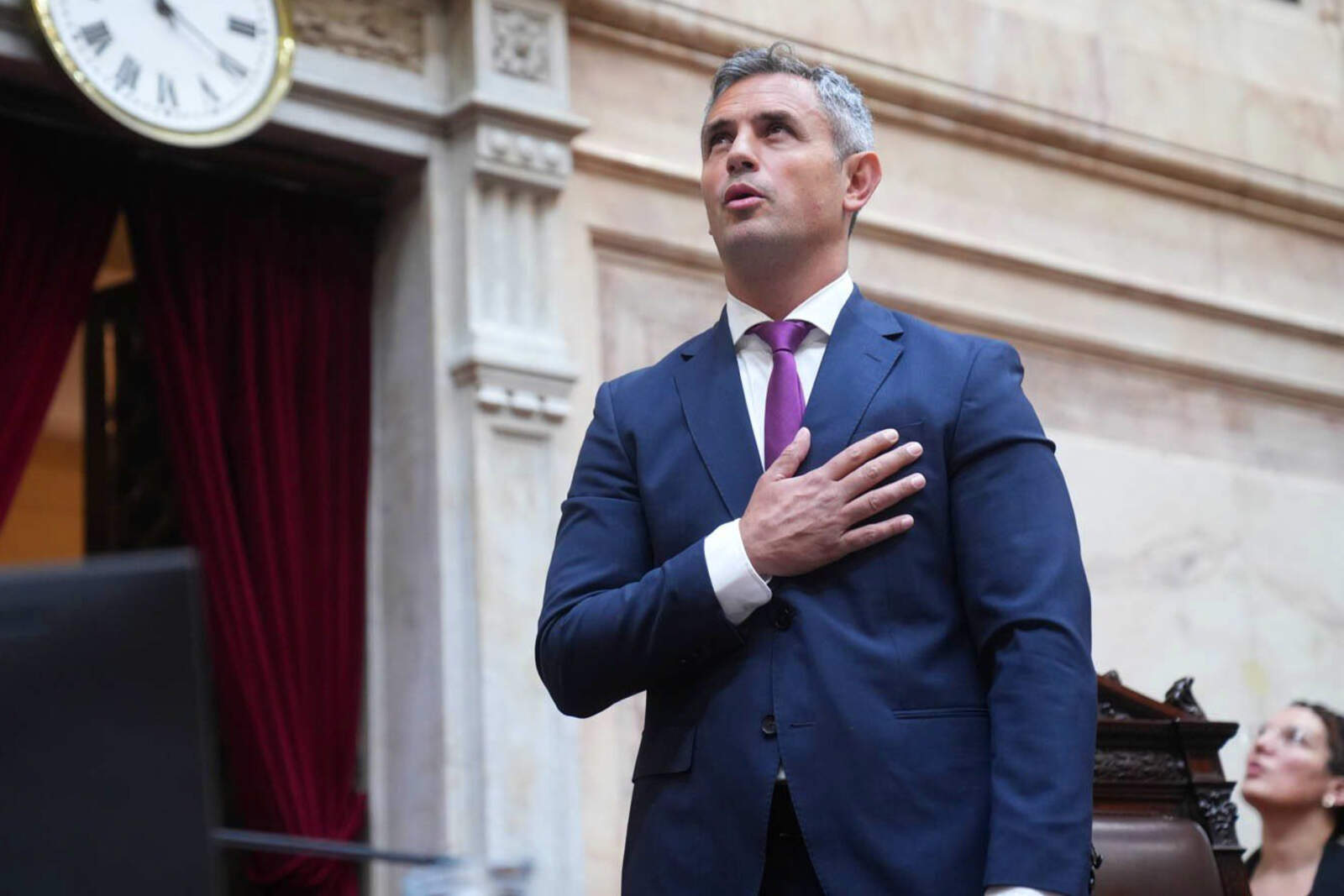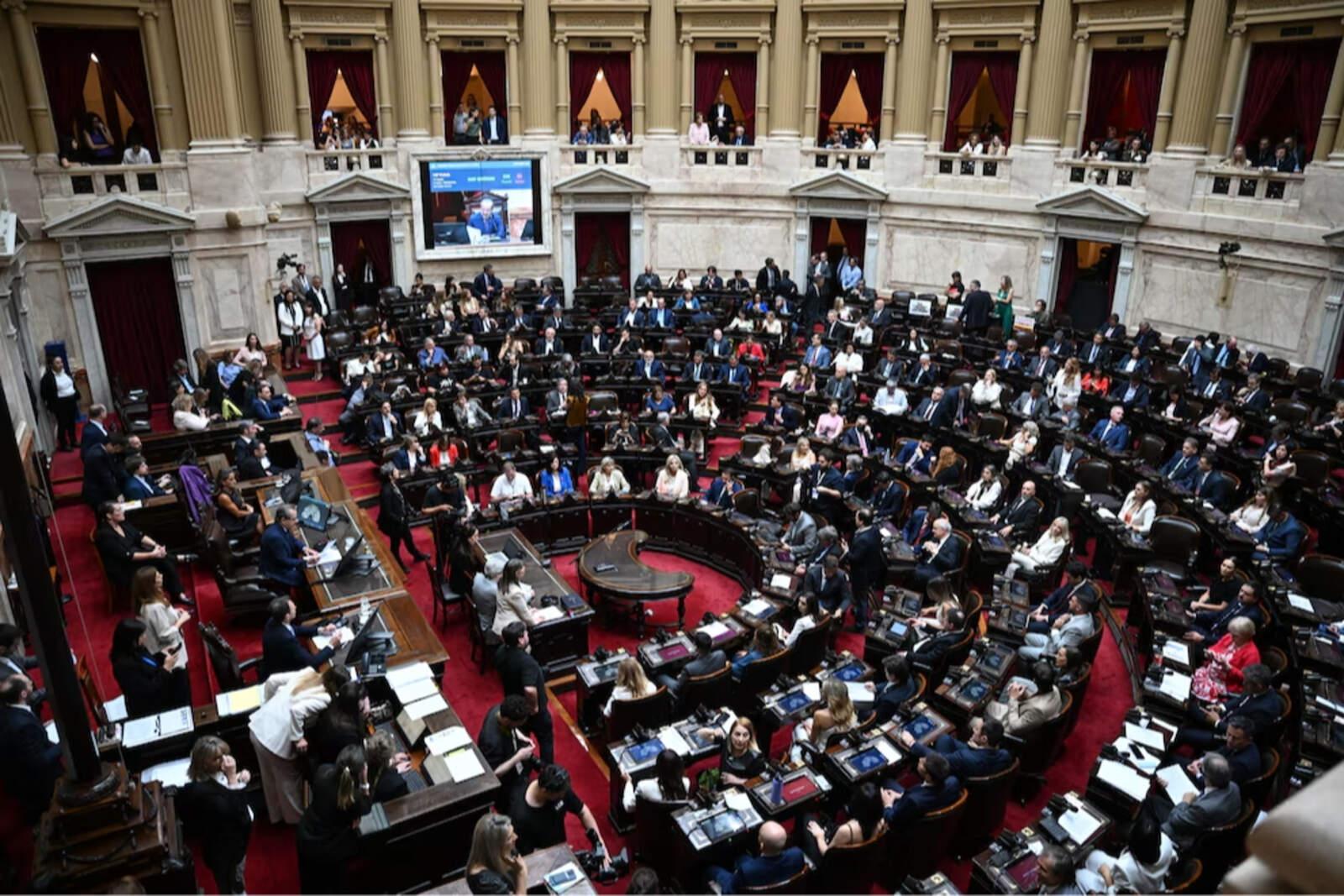

The swearing-in of the 127 new national deputies this Wednesday marked the birth of a new power map in the Chamber of Deputies. With Javier Milei following the session from the gallery, La Libertad Avanza completed a parliamentary engineering operation that allowed it to secure the largest minority with 95 seats and strip Peronism of a privilege it had maintained for decades.
The liberal bloc, which just a year ago barely had 37 seats and started with only 2, will now become the largest caucus as of December 10. To the deputies elected in October are added legislators who dared to make the leap after the electoral victory in October: figures with origins in PRO, radicals "with wigs", and other allies who joined the group led by the Cordoban Gabriel Bornoroni, with names such as Bertie Benegas Lynch, Luis Petri, Martín Menem, Alejandro Bongiovanni, and Patricia Vásquez among its 95 members.

On the other side, Unión por la Patria finished in second place with 93 deputies. Peronism expected to retain at least 98 seats, but ended up losing "soldiers" before the start. The representative from San Luis, Jorge "Gato" Fernández, refused to join the bloc; the Tucumán native Javier Noguera also distanced himself, and three deputies from Catamarca who answer to Governor Raúl Jalil formed the group "Elijo Catamarca." The Kirchnerist bloc will remain under the leadership of Germán Martínez, but arrives weakened and with less capacity to influence the agenda.
The fight for third place ended in a tie. On one side, the group of governors united in Provincias Unidas, with figures such as Juan Schiaretti, Martín Lousteau, Gisela Scaglia, Miguel Ángel Pichetto, Nicolás Massot, and deputies linked to the governors of Santa Fe, Córdoba, Chubut, Jujuy, Corrientes, and Santa Cruz. This group and its allies have 22 seats and seek to function as a "federal" hinge between the ruling party and Kirchnerism.