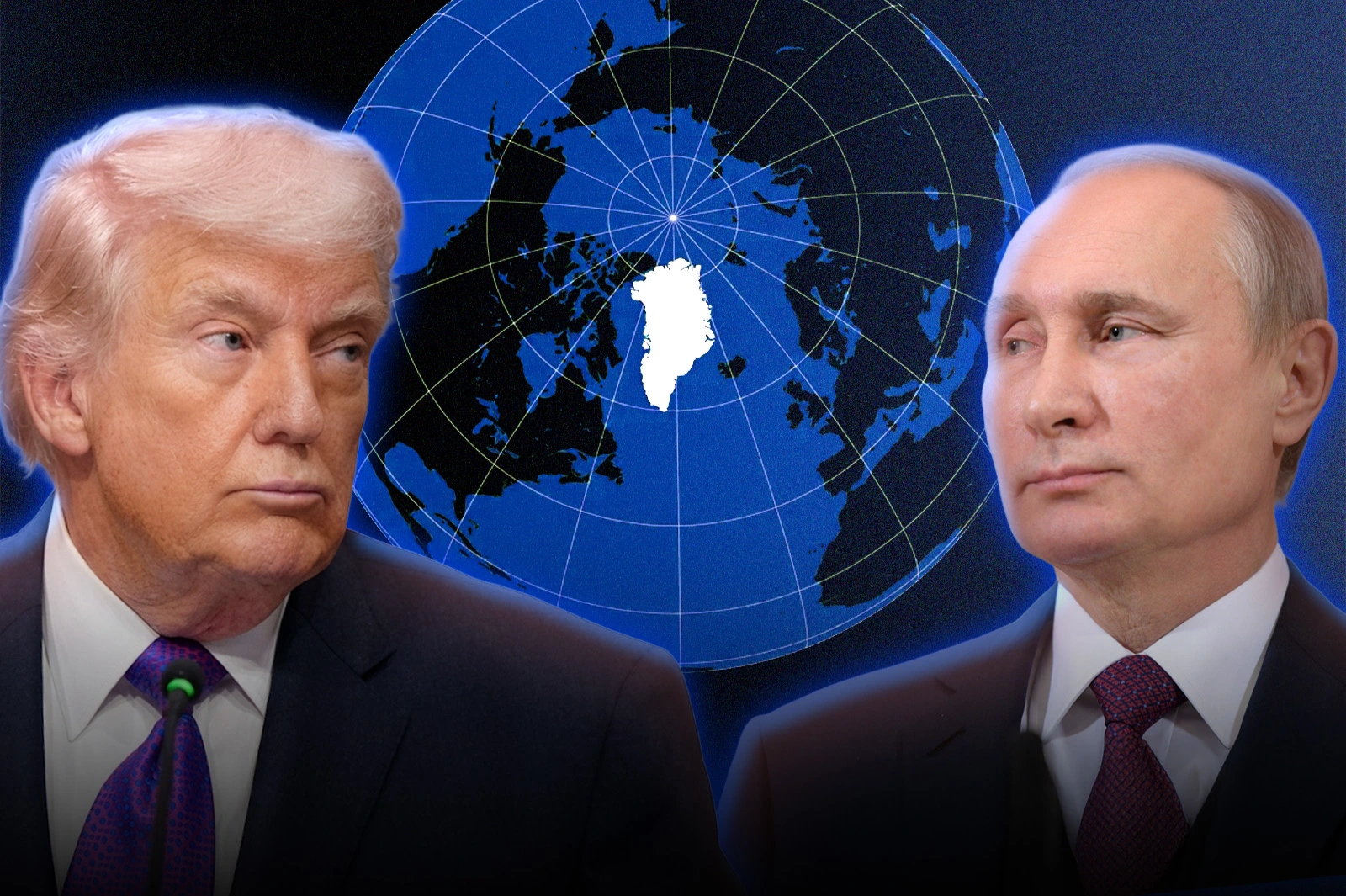
Despite the fact that, today, the focus of international politics is focused on the Middle East, the question of Greenland is still a priority issue for geopolitics.
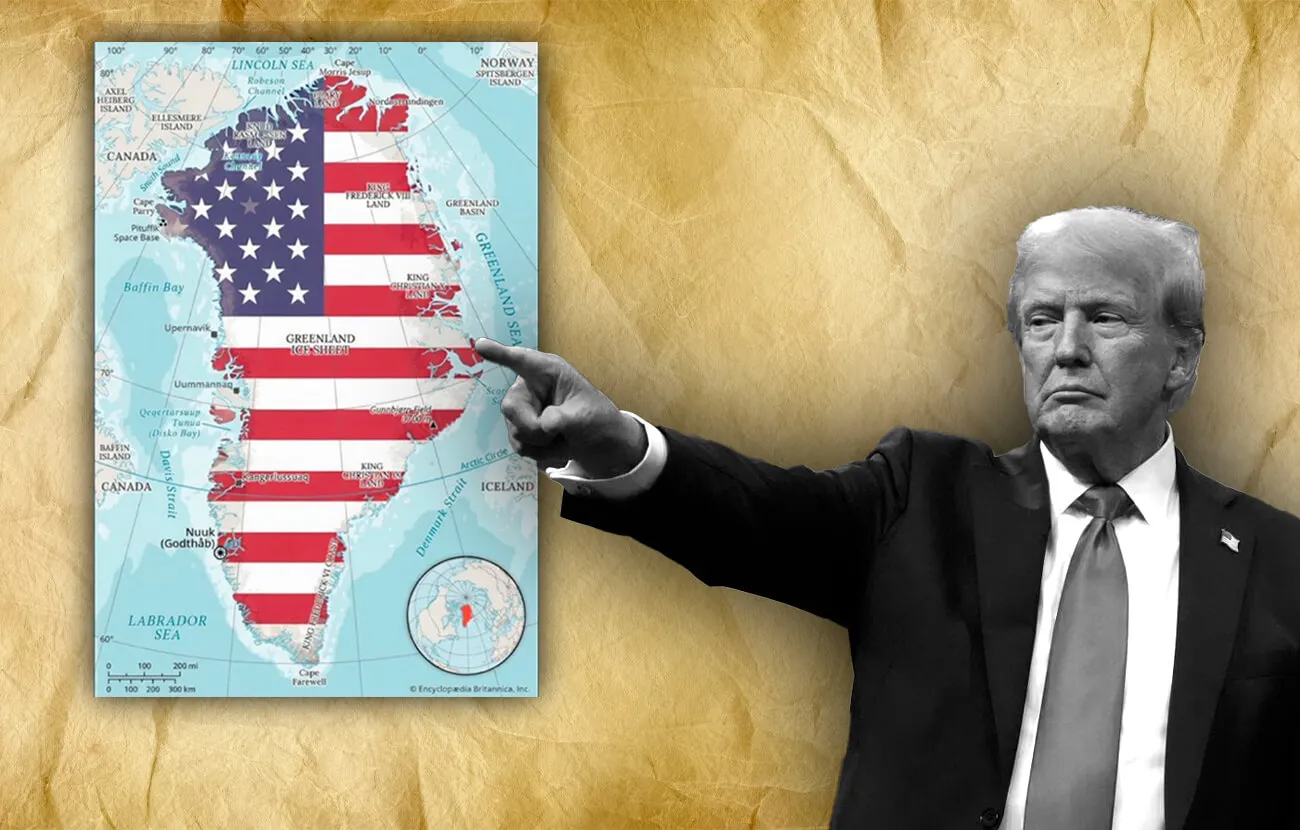
Earlier this year, the international dispute over the Arctic island intensified again. This dynamic occurred after President Trump's repeated statements about the importance of U.S. control of the island for hemispheric security reasons
.
The debate is part of the growing strategic competition in the Arctic, a region where disputes over emerging maritime routes, strategic surveillance and natural resources are concentrated.
Thus, the statements of Russian Foreign Minister Sergey Lavrov and other important Kremlin officials call into question the European narrative about the sovereignty of the territory and expand the political scope of the debate on the North Atlantic.
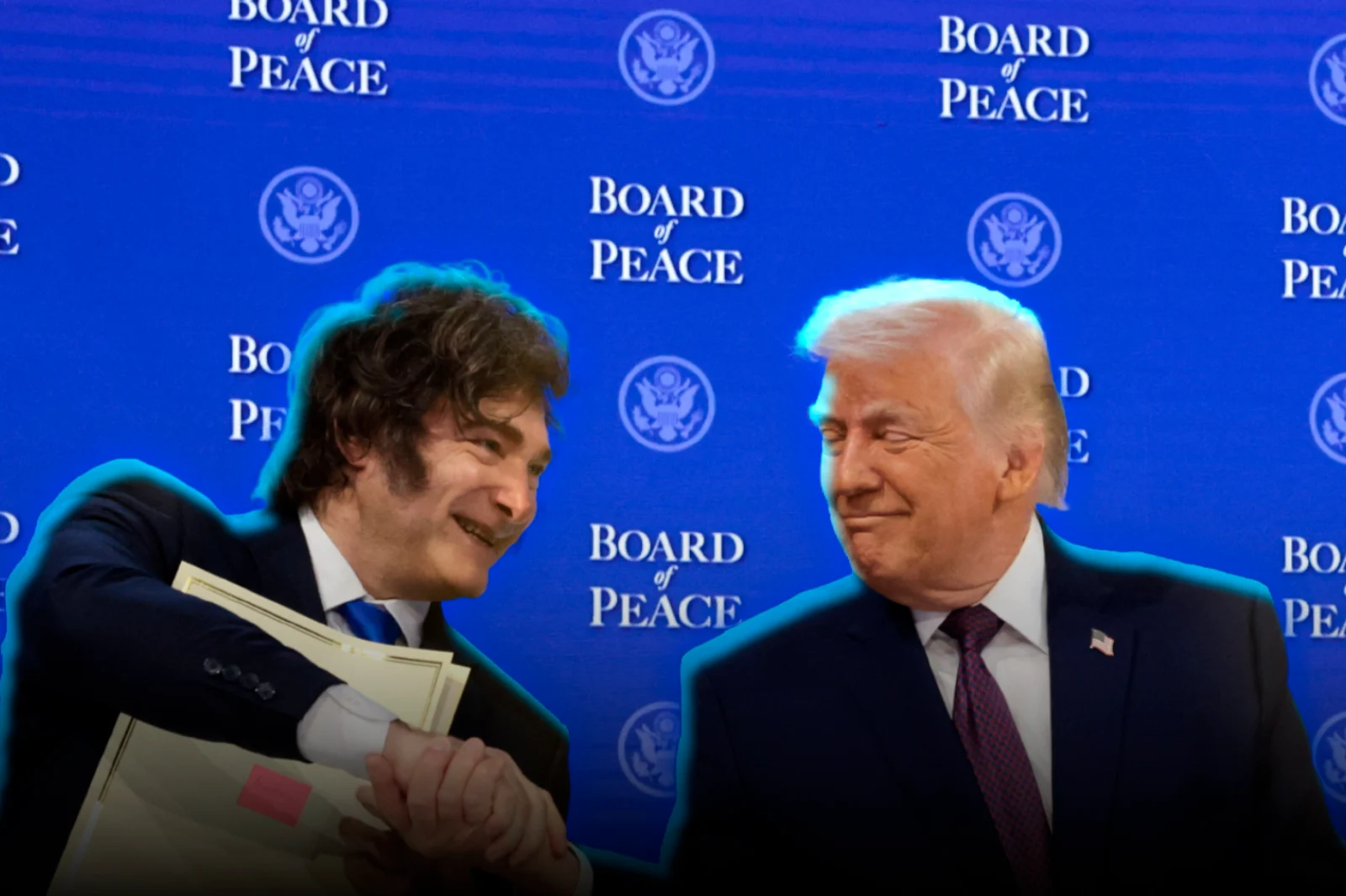
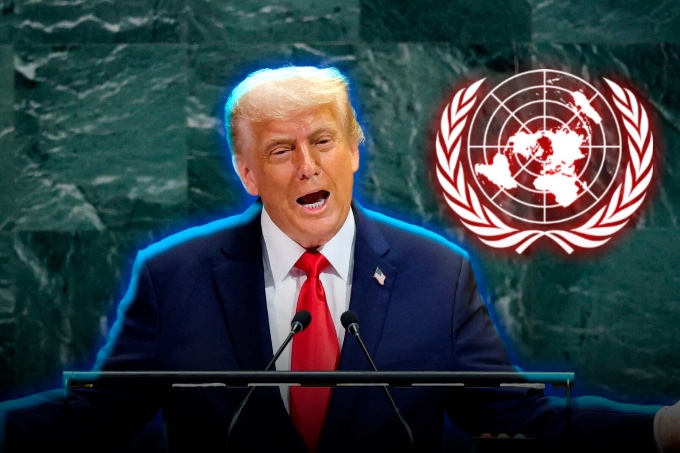
President Donald Trump.
In this scenario, it is pertinent to analyze the Russian position with respect to Greenland based on the facts and statements of the highest government authorities, as well as the strategic implications that arise from the competition for territories, maritime routes and military intelligence bases in the north of
the American continent.
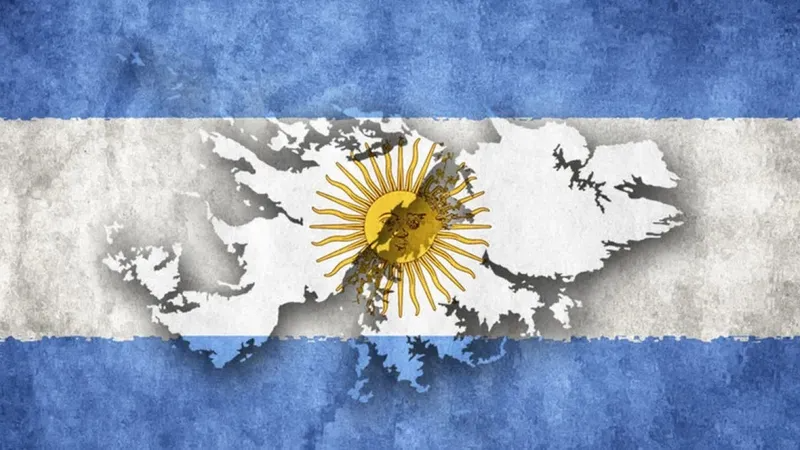
It is also key to highlight the historic opportunity that presents itself for Argentina in terms of the sovereignty of the Falkland Islands, Antarctica and the South Atlantic, as a result of this claim.
The statements of the Russian leadership on Greenland
On January 20, Foreign Minister Sergey Lavrov stated in Moscow that Greenland is not a natural part of Denmark and described it as “a colonial conquest”, in a context in which Trump reiterated the American need to control the territory for reasons of national security
.
With this intervention, Russia publicly joined a discussion that was already generating tensions between Washington and several European allies.
Presidential spokesman Dmitri Peskov argued that a possible US annexation would represent a historic event, and Lavrov indicated that neither Russia nor China have plans to dispute the island.
At a subsequent meeting of the Russian Security Council, Vladimir Putin argued that the fate of Greenland is not a priority issue for Moscow.
Vladimir Putin.
however, he compared the situation with the purchase of Alaska by the United States in 1867 and proposed that a possible territorial transaction could amount to around one billion dollars
.
These statements project a clear signal: Russia relatizes the European interpretation of the island and leaves open the possibility of a redefinition of territorial control in the North Atlantic.
Putin also stated that the current US administration's plans to annex Greenland “are not a crazy occurrence of the current president of the White House, but rather have historical roots.” With this statement, the Kremlin leader alluded to specific precedents of the American territorial acquisition, including the purchase of Alaska from the Russian Empire in
1867.
Added to this is the initiative presented by the United States in 1946, through which the administration of Harry S. Truman proposed to Denmark the purchase of Greenland for 100 million dollars in gold.
In this framework, a parallel can be drawn with the Second World War, given that Washington and Moscow are once again converging in the face of a European hegemonic position.
President Donald Trump.
Malvinas, South Atlantic and Antarctica: a strategic situation for Argentina
The main point to keep in mind to understand the scenario in which Argentina finds itself is the Monroe Doctrine, a historic principle of U.S. foreign policy that rejects the intervention of extracontinental powers in America—particularly China, Russia and European powers—in Greenland, in
this case.
Consequently, a possible annexation of the Arctic island by the United States would constitute a geopolitical precedent of great relevance for Argentina's position in the dispute over the Falkland Islands, the South Atlantic and Antarctic.
In such a scenario, Argentina — backed by the United States in its role as a guarantor of security in the Western Hemisphere — could strengthen and reposition its sovereign claim internationally.
If the international system were to legitimate the U.S. annexation of Greenland, it would, directly or indirectly, be recognizing Washington's hemispheric primacy, and thus weakening the legitimacy of the British presence in the Falkland Islands and in the South Atlantic.
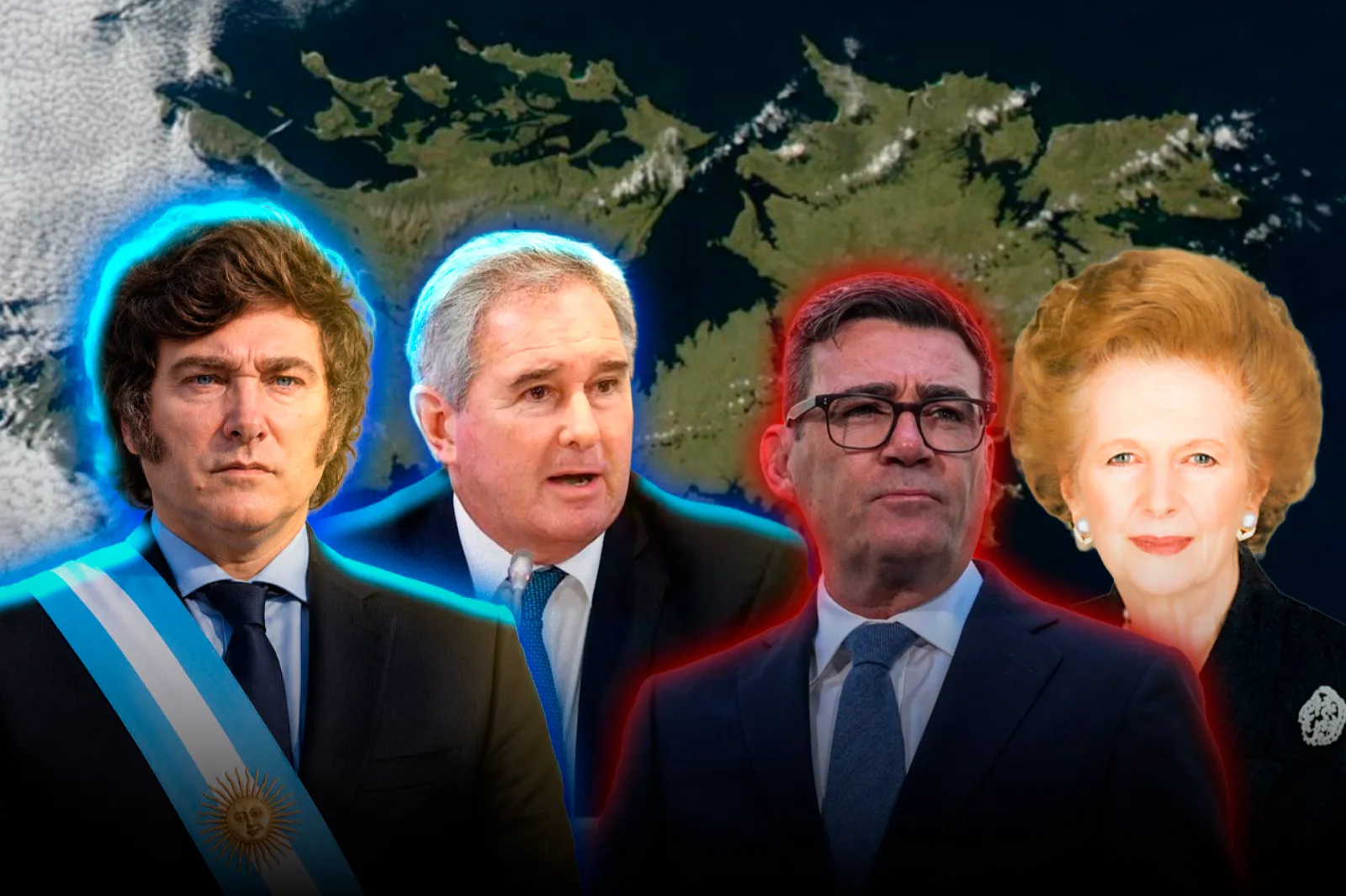
The Falkland Islands.
Conclusion
The intensification of the debate on Greenland confirms that the Arctic has become not only a focus of geopolitical debate, but also a
central stage for international strategic competition.
There are currently three commercial passages on the continent: the Northwest Passage Canal, the Panama Canal and the Beagle Channel. Washington seeks to ensure that commercial forms of passing through America are controlled by American countries
.
The statements of the Russian leaders show Moscow's willingness to intervene in a discussion that transcends the European level and affects the balance of power in the North Atlantic.
In this sense, by questioning the European narrative about the island's sovereignty and recalling the historical background of American interest in the territory, Russia is contributing to questioning the stability of the current territorial order.
For Argentina, this scenario has direct implications. If the international system were to legitimate a redefinition of control over Greenland in favor of the United States, the principle of hemispheric primacy over extracontinental powers enshrined in the Monroe Doctrine would be reinforced
.
In this context, the British presence in the Falkland Islands and in the South Atlantic would prove increasingly difficult to sustain in geopolitical terms. The current strategic reorganization thus opens up a concrete opportunity to strengthen Argentina's sovereign claim, in line with the continental vision summarized by Javier Milei: “Make America Great Again, from Alaska to