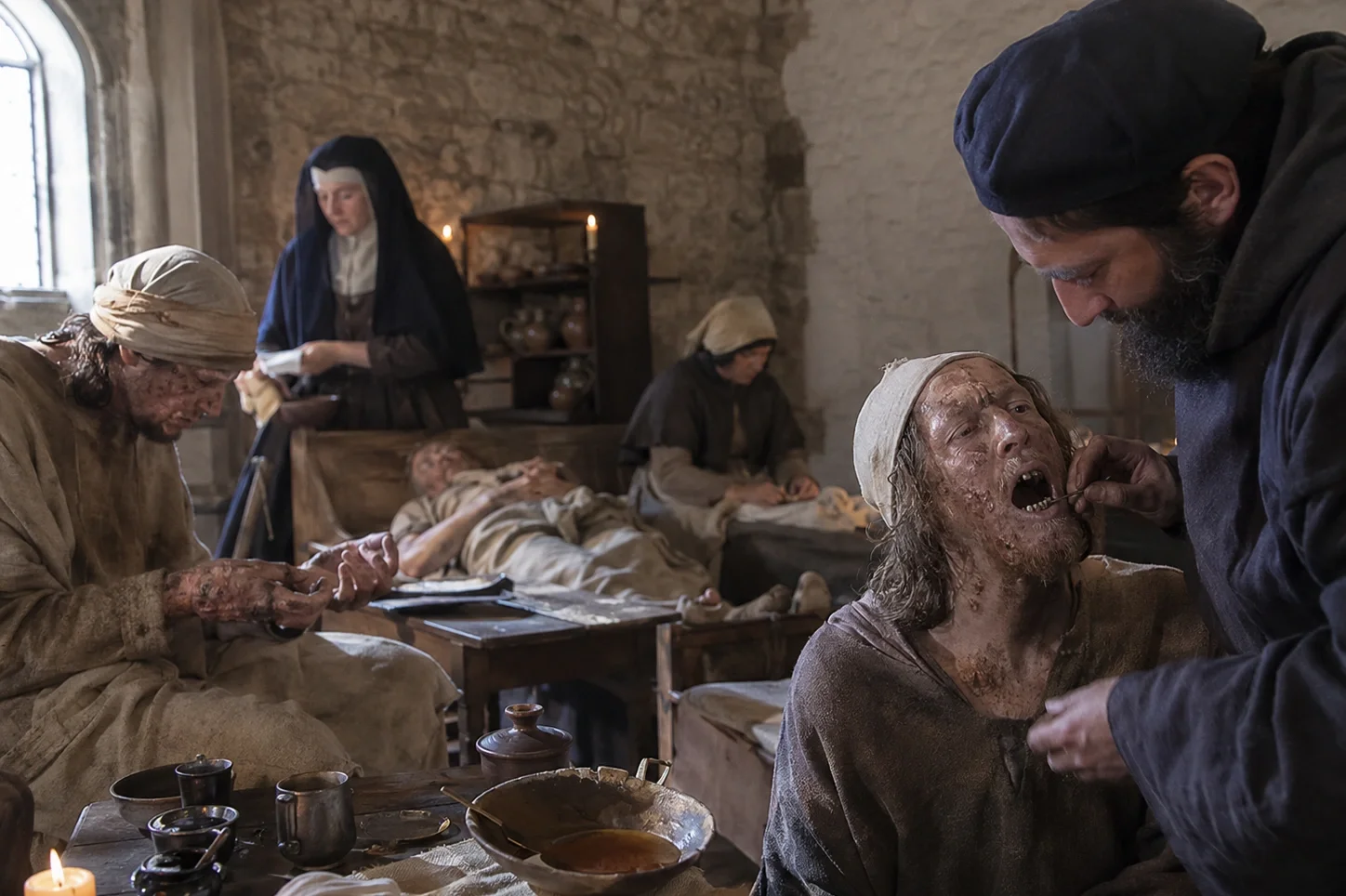

The use of mercury as a medical treatment in the Middle Ages left traces that can today be read in teeth. A team led by Elena Fiorin from the Sapienza University of Rome detected elevated levels of this toxic metal in dental calculus samples taken from individuals buried in ancient leper hospitals. The finding allows for the reconstruction of medieval therapeutic practices and opens a new avenue to study how diseases such as leprosy and syphilis were treated.
The research focused on human remains from two European leprosariums: Peterborough Abbey in England, founded in 1125, and Saint-Thomas-d’Aizier in Normandy, France, built in the late 11th century. During the medieval period, mercury was used in ointments applied to the skin to treat diseases considered severe or stigmatizing. The presence of the metal in the analyzed remains suggests that some of these individuals received medical treatments while alive.
Dental calculus: a new window to study medieval treatments
Until now, studies on mercury exposure in human remains typically focused on bones, teeth, or hair. The novelty of this work is that the team analyzed dental calculus, a mineralized plaque that forms in the mouth during life and can preserve traces of substances incorporated by the body. This material acts as a biological capsule capable of providing complementary information about diet, environment, health, and medical treatments.
Fiorin explained the value of this methodology with a central phrase: “Dental calculus offers a new and complementary perspective.” She then detailed why this record can be so useful: “As it forms in the mouth during life, it can more directly capture substances that enter the body, including medical treatments applied in or around the mouth.” The quote highlights that dental calculus not only preserves food residues but also signals therapeutic practices.
The team also sought to rule out an alternative explanation: that mercury had entered the remains after burial. To do this, the researchers analyzed soil samples taken from the graves and compared the results with remains from individuals buried in cemeteries not associated with leprosariums in England and France. The comparison reinforced the hypothesis that mercury was incorporated during life and not from later contamination.
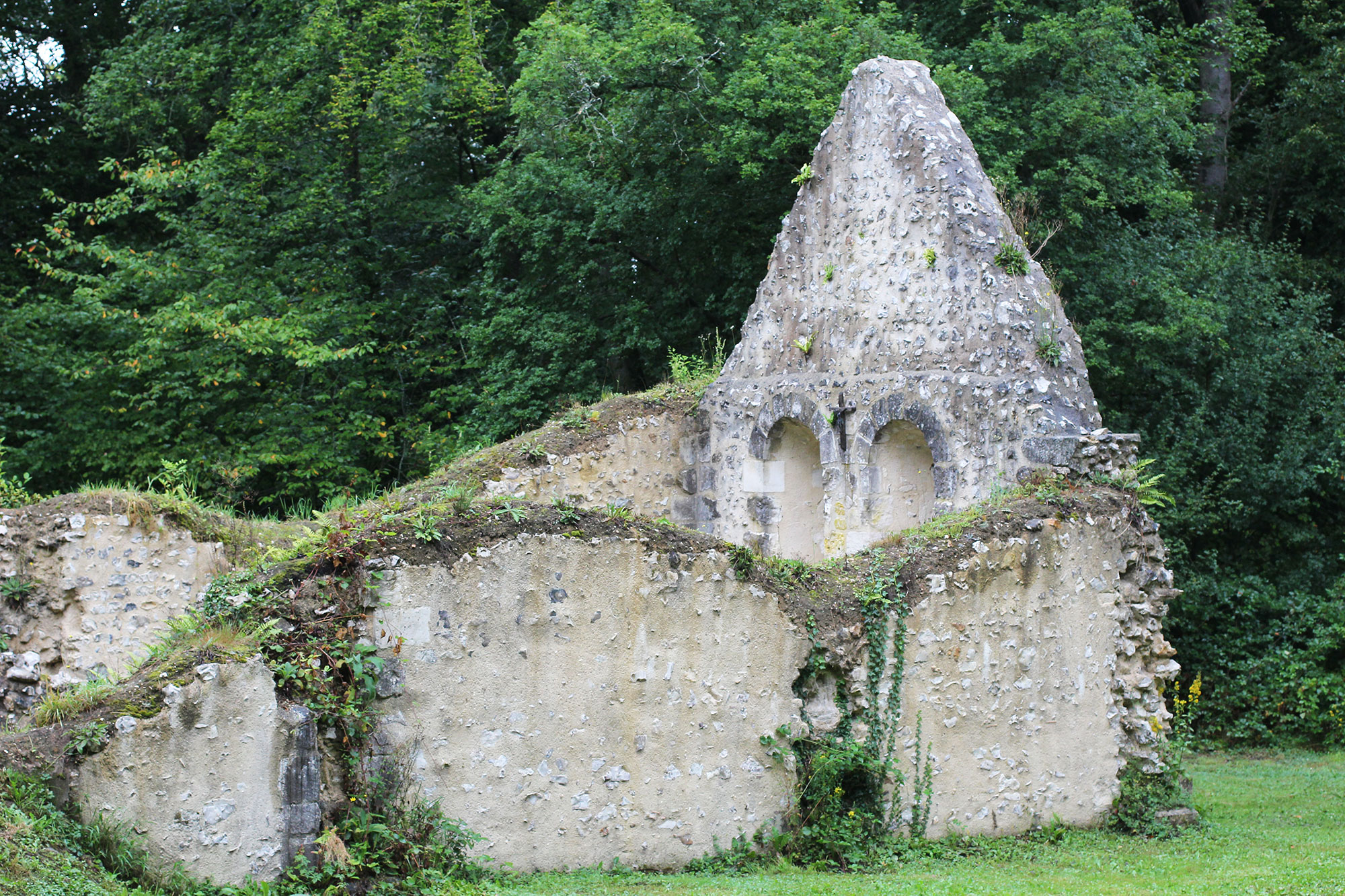 Medieval leprosariums: high levels of mercury and possible inequality in access to treatment
The results showed a clear difference between those buried in leprosariums and those who were not. “Individuals buried in leprosariums show significantly higher levels of mercury than those from other cemeteries, and our analyses indicate that this mercury was incorporated during life and not from the soil,” noted Fiorin. The researcher added: “Moreover, there is no evidence of local environmental sources, such as mining, that could explain these patterns.”