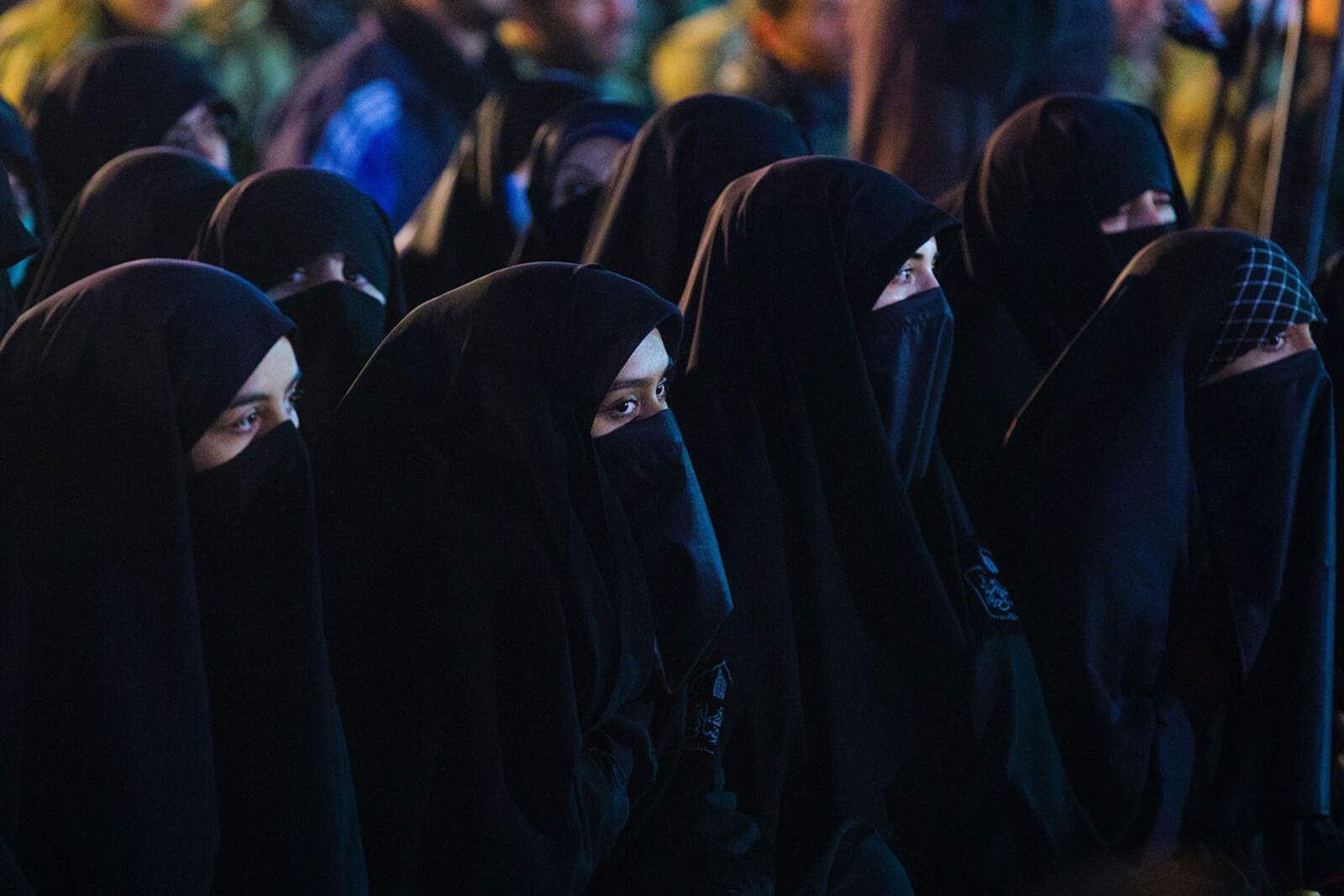










That is, this is not simply a "religious" or "cultural" issue. It is a legal, institutional, and political structure of systematic oppression against women and sexual minorities. Meanwhile, this structure is promoted by the very same "political actors" who dominate the current Palestinian scene: the terrorists.
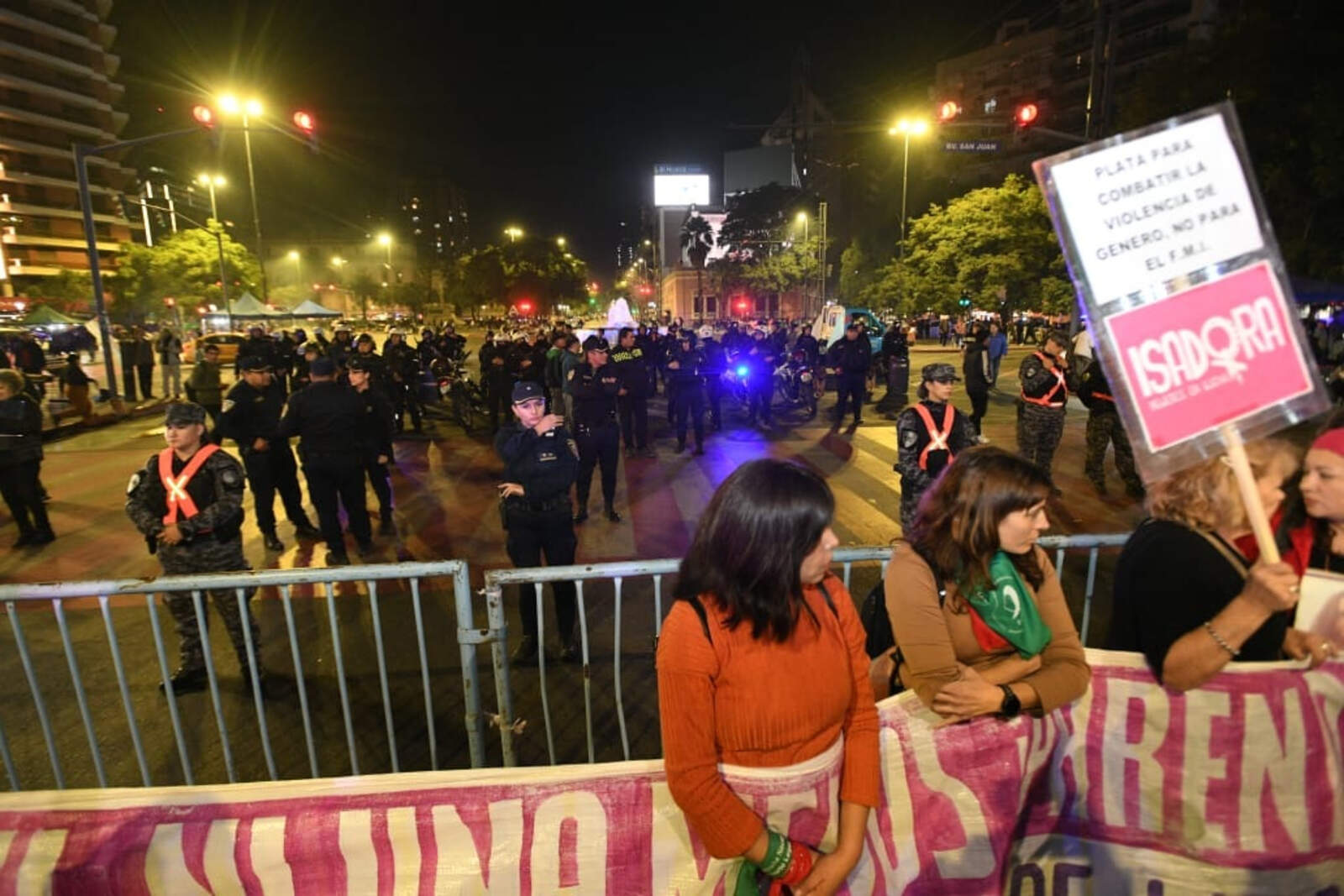
To this, we must add the striking stance of these feminist groups that march against a government that, without a Ministry of Women, reduced the rate of female homicides. During 2024, the direct victims decreased by 8% compared to the last year of the former Kirchnerist president's government, Alberto Fernández, who was prosecuted for beating his wife.
Where does the Palestinian woman stand?
There are, of course, Palestinian women who fight for their rights, for gender equality, and who reject internal oppression. Many of them have been persecuted, silenced, or excluded both by Palestinian authorities and by the deeply patriarchal social environment in which they live.
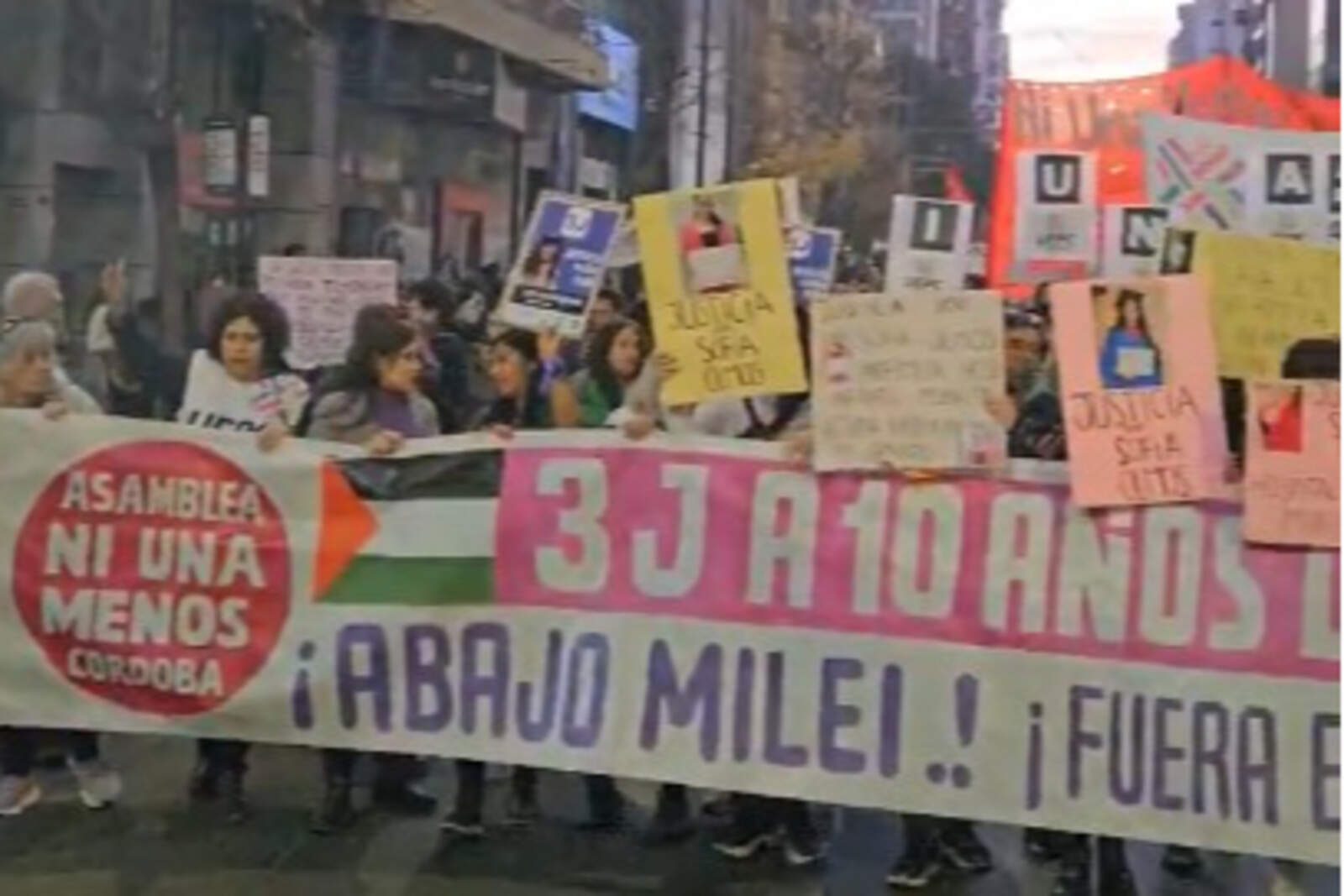
Raising the Palestinian flag in a demonstration like "Ni Una Menos" doesn't make these women or their internal struggles against the authoritarianism of their own leaders visible. Instead, it erases their suffering by equating the Palestinian cause with a single narrative of external oppression, omitting the internal patriarchy that punishes them daily.
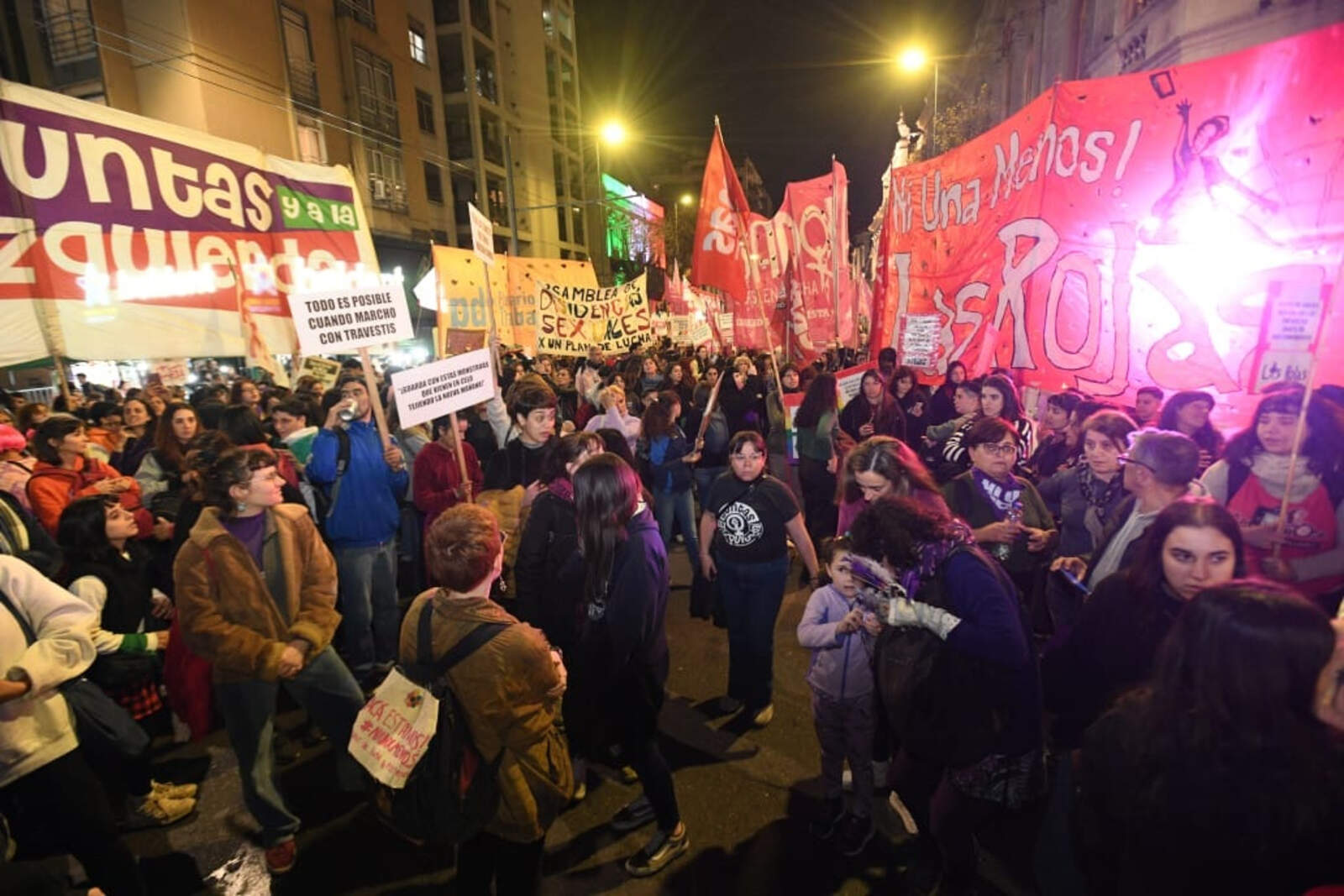
One can't demand "not one less" while supporting, even symbolically, regimes that multiply abuses against all women. If feminist solidarity truly exists and is genuine, it must be critical and informed, not ideological and selective.