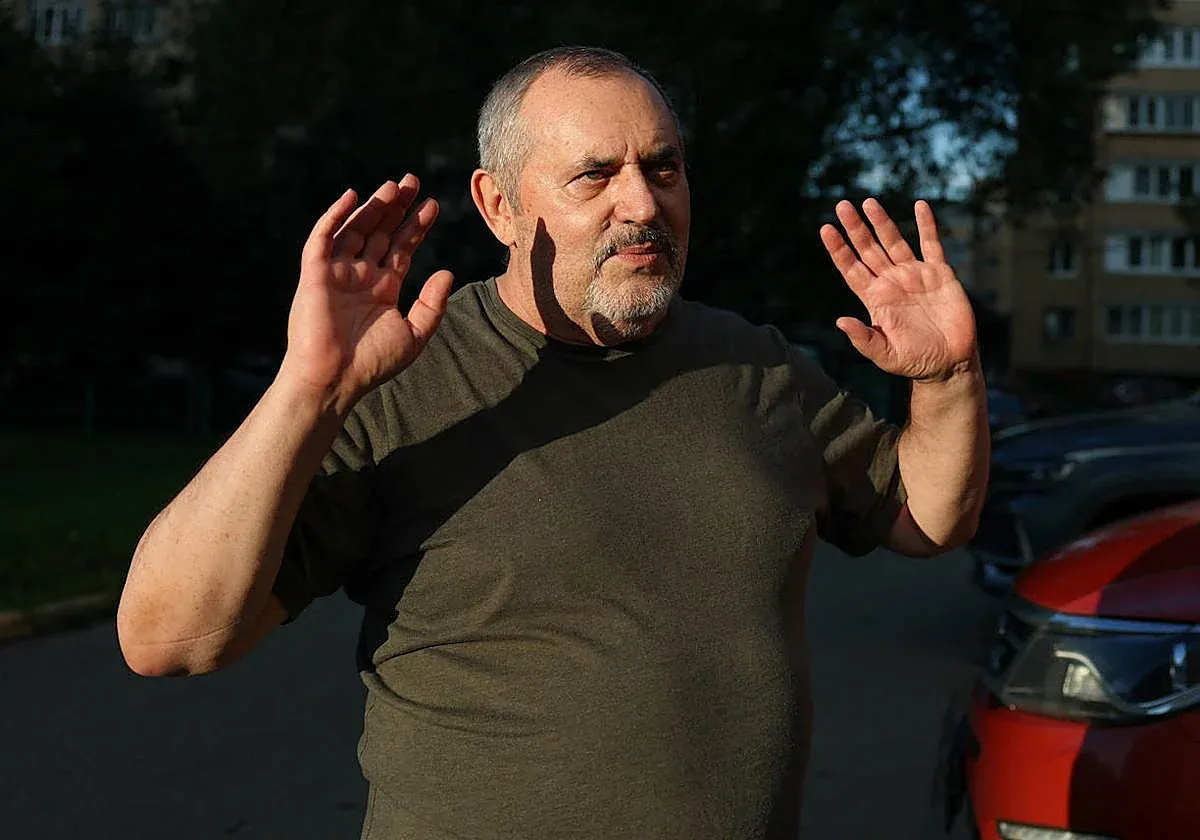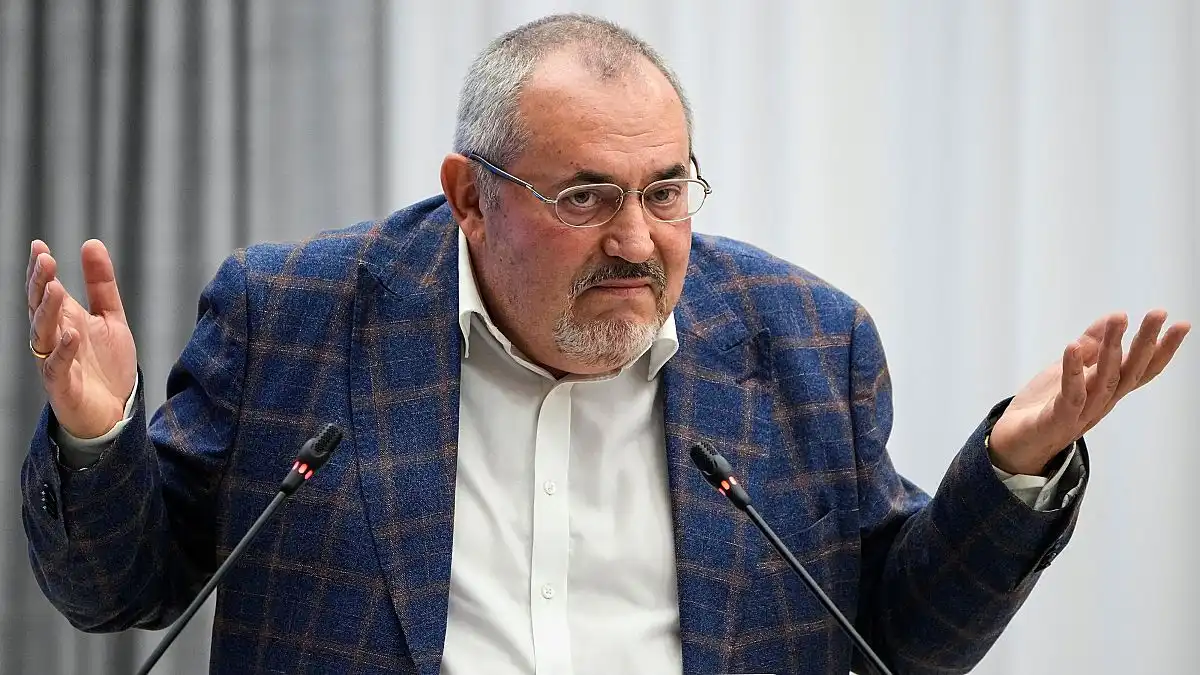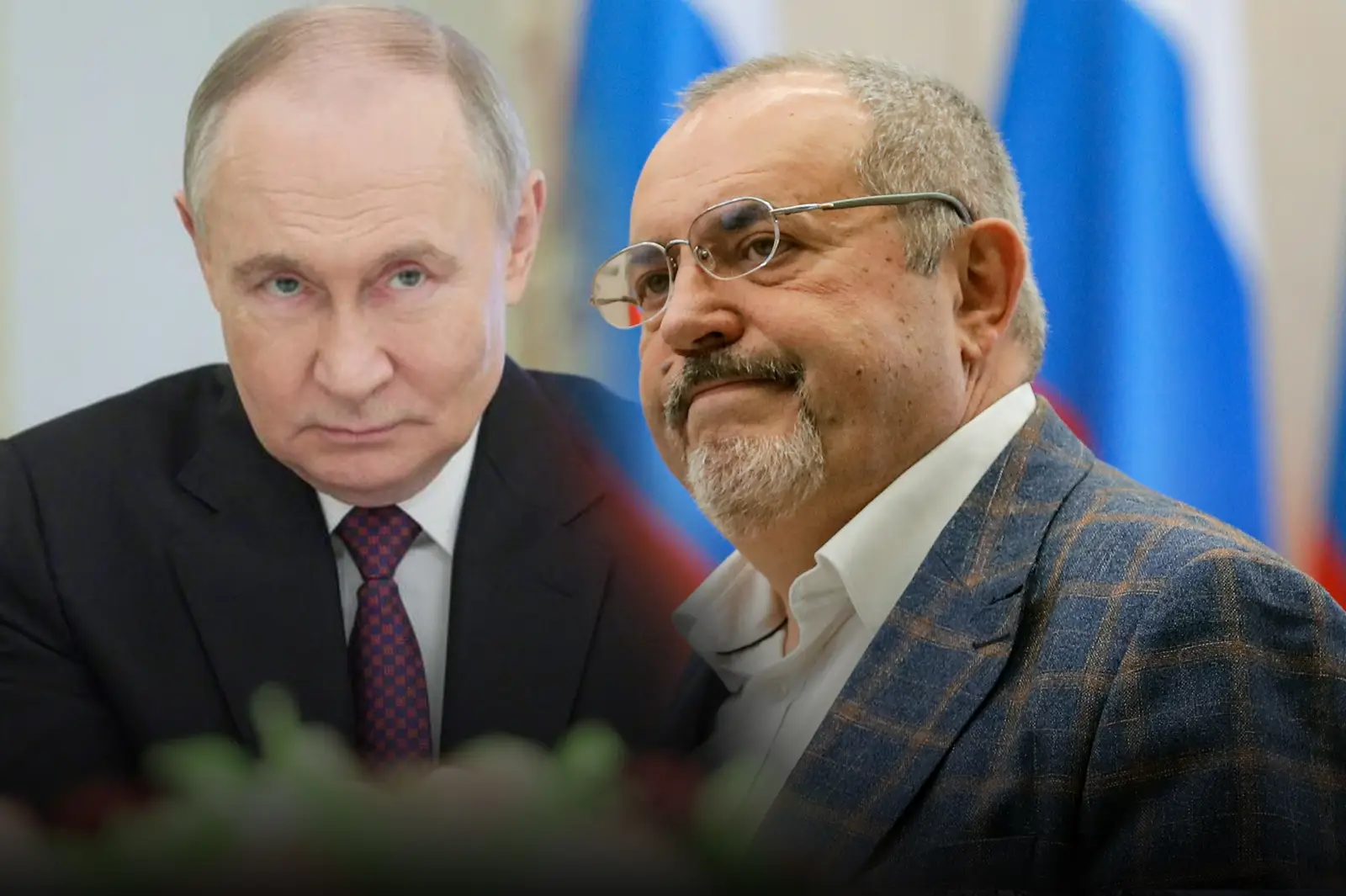









The Russian opposition politician Boris Nadezhdin, known for having attempted to compete against President Vladimir Putin in the 2024 presidential elections with a program against the war in Ukraine, was detained this Monday by Russian authorities and taken to a police station in a town located west of Moscow. The information was disseminated through the leader's own social media accounts.
According to the details known so far, Nadezhdin was accused of ''displaying extremist symbols'', a charge related to the publication of a video shared in November 2023 on his social media. In the images, the deceased opposition leader Alexei Navalny, who is considered by Russian authorities to be a figure linked to extremism following the illegalization of his organizations, appeared for about ten seconds.
The detention occurred just a few days after the Russian Ministry of Justice included Nadezhdin in the official register of ''foreign agents'', a designation used by the government to identify individuals or organizations that, it claims, receive support or influence from abroad.
In addition to that classification, authorities accused the leader of spreading information deemed false about the Russian government and calling on citizens to participate in unauthorized protests.
Boris Nadezhdin was detained for displaying ''extremist symbolism'' related to the late leader Alexei Navalny
The ''foreign agent'' status already prevented him from running as a candidate in the parliamentary elections scheduled for September. Now, the new accusation of displaying extremist symbols adds to this, an offense that also entails a ban on competing in electoral processes for one year, eliminating any possibility of participating in the upcoming elections for the Duma, the lower house of the Russian Parliament.
Boris Nadezhdin gained international notoriety in early 2024 when he announced his intention to run as a presidential candidate with a platform focused on ending the war in Ukraine and promoting the normalization of relations between Russia and Western countries.
During that campaign, he stated that millions of Russian citizens were tired of the conflict and wanted a change in political direction. Among his main proposals were to stop hostilities in Ukraine and rebuild diplomatic ties with the West.
Boris Nadezhdin spoke out against the war in Ukraine and had launched a campaign focused on rebuilding Russia's relations with Western governments
Despite his criticisms of the Kremlin, Nadezhdin maintained a relatively moderate tone towards Putin, which led some analysts to suggest the possibility that authorities would allow his participation to project an image of plurality in the presidential elections.
However, that possibility was ruled out when the Central Election Commission officially rejected his candidacy. The body stated that more than 15% of the supporting signatures submitted by the candidate contained irregularities, a percentage sufficient to invalidate his registration.
Nadezhdin denied those conclusions and challenged the decision, but ultimately could not compete in an election in which other significant opposition representatives also did not participate.
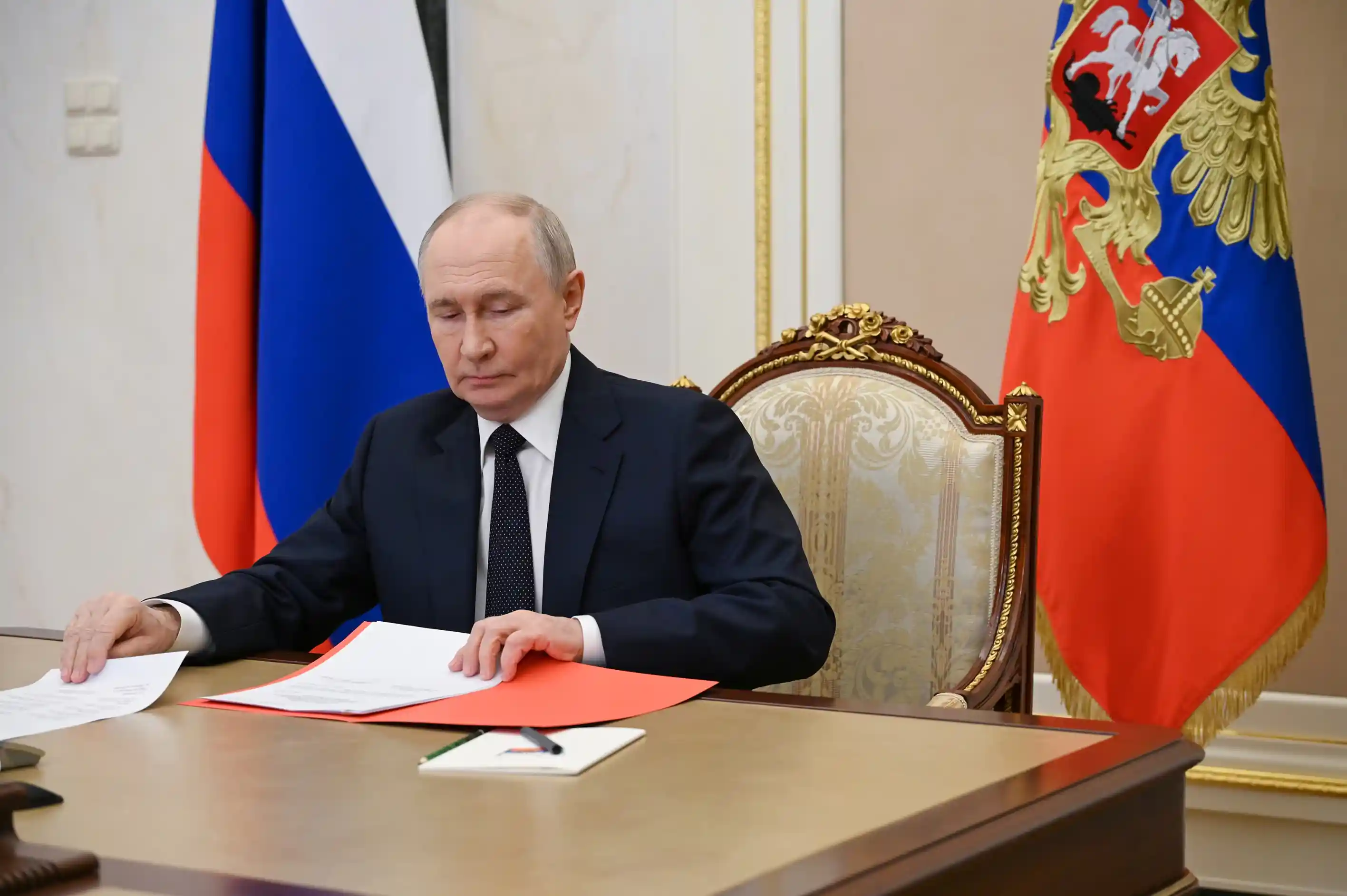
Nadezhdin will seek to compete against Vladimir Putin in the 2030 elections, who could extend his term until 2036
The presidential elections concluded on March 18, 2024, with a wide victory for Vladimir Putin, who obtained a fifth term at the helm of the Kremlin. Thanks to the constitutional reform approved in 2020, which reset the count of his terms, the leader will be able to run again in 2030 and, if re-elected, remain in power until 2036.
In recent months, Nadezhdin had continued to express criticism about the internal situation of the country. In previous statements, he maintained that an increasing number of citizens were beginning to associate everyday problems, such as the rising cost of living, difficulties in public services, and restrictions on internet access, with the policies implemented by Putin's government.