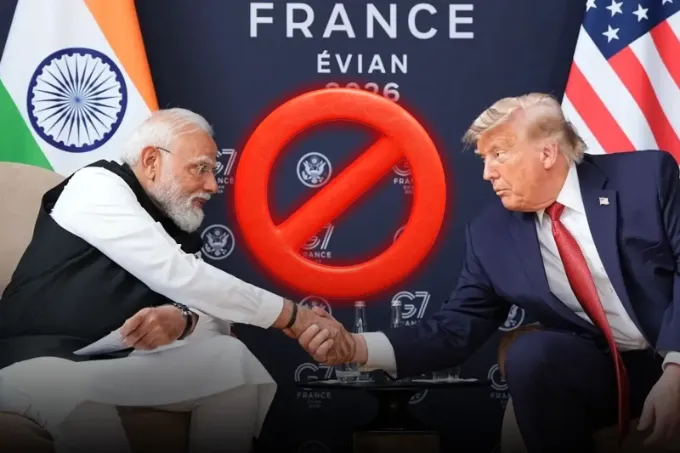
Negotiations between the United States and India to reach a trade agreement remain stalled after a new round of talks concluded without consensus on an interim deal. Although both governments reiterated their willingness to continue dialogue, differences over tariffs, market access, and trade concessions prevented an understanding that had generated expectations in recent weeks.
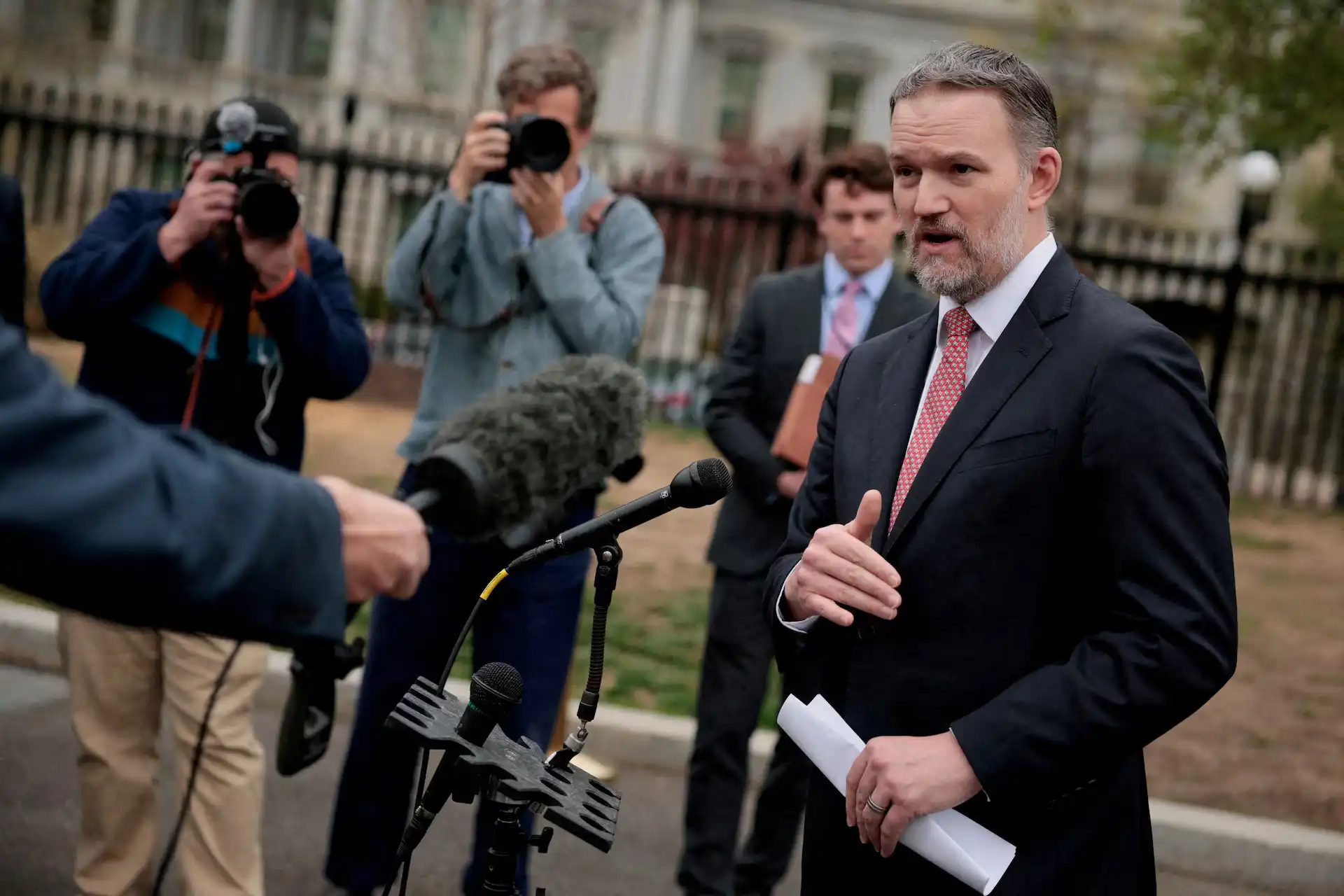
The disagreement became evident after the visit to New Delhi by the U.S. Trade Representative, Jamieson Greer, who last month held meetings with Indian officials to advance a preliminary agreement. Despite initial optimism, the talks ended without concrete results.
According to sources close to the negotiations, the government of Prime Minister Narendra Modi decided not to accept the conditions proposed by Washington, considering that the proposal did not meet its main demands. Among these were obtaining preferential tariff treatment compared to competitors like China and receiving guarantees that the United States would not impose new tariffs once the agreement was signed.
Indian authorities also maintained their refusal to make concessions in sectors considered strategic, especially agriculture. A government official stated that New Delhi has no intention of accelerating an agreement that it does not consider favorable or of conceding on issues that are part of its red lines in the negotiation.
After Jamieson Greer's visit to India, the Modi government decided not to accept U.S. concessions to finalize a trade agreement
From Washington, however, the stance has been that any preferential access to the U.S. market must be accompanied by equivalent commitments from India. The administration of President Donald Trump argues that trade agreements must be based on reciprocity and guarantee concrete benefits for American workers, businesses, and producers.
The trade policy promoted by Trump has been marked by a strategy of increased pressure on U.S. trading partners. Under the principle of "America First," the White House has defended the use of tariffs as a tool to correct trade imbalances and negotiate more favorable conditions for the U.S. economy.
Currently, most products from India are subject to a 10% tariff when entering the U.S. market. However, the Trump administration is evaluating the imposition of new tariffs on several countries, including India, as part of investigations related to excess industrial capacity and goods allegedly produced through forced labor.
Washington has also proposed additional tariffs of up to 12.5% for dozens of countries that have not taken sufficient measures to prevent the marketing of goods linked to questionable labor practices. India has rejected these accusations and maintains that it does not engage in such conduct.
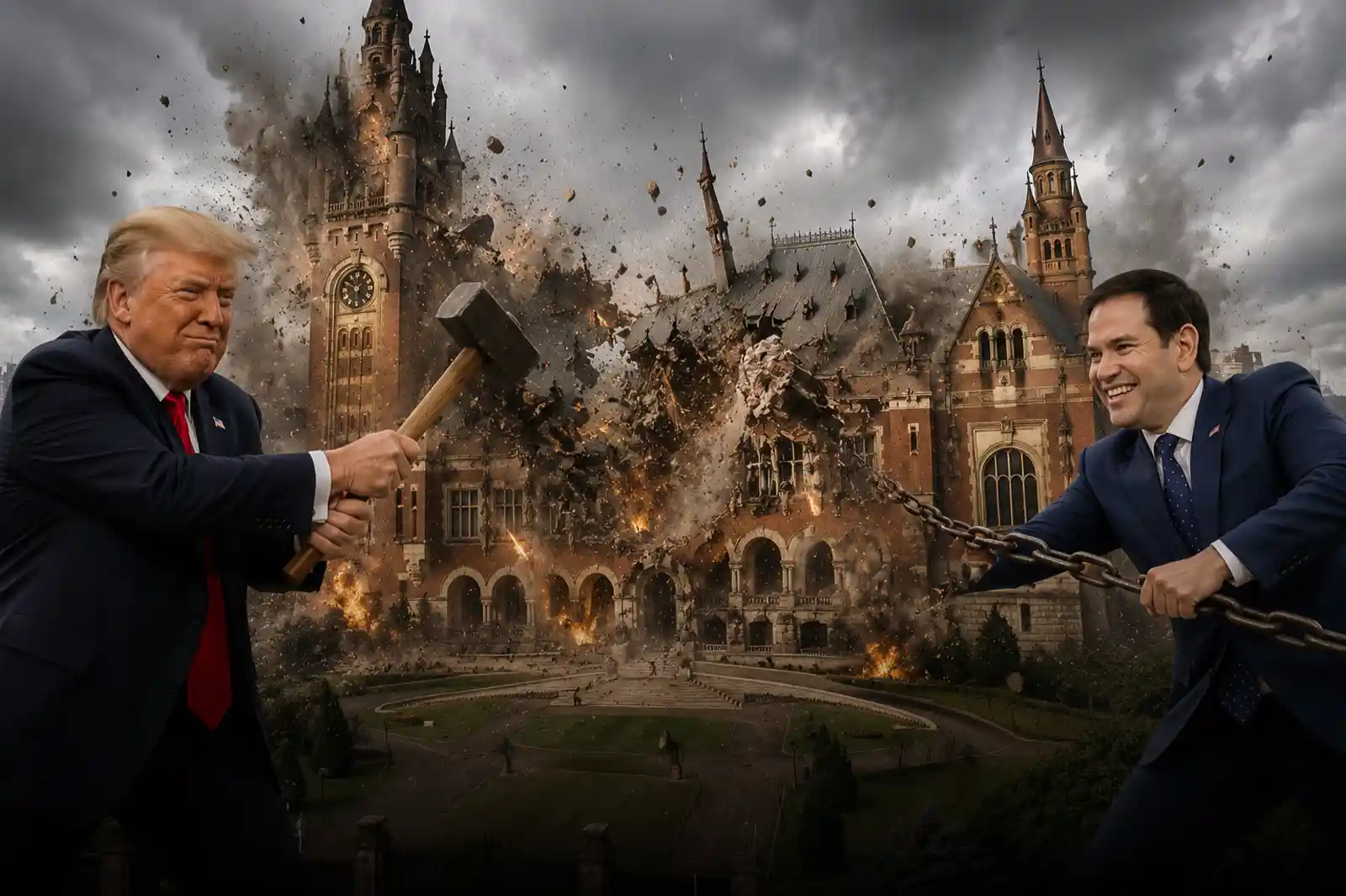
The Trump administration is implementing a policy of strong pressure on trading partners with which the United States has a trade deficit
Despite the stalemate, both parties keep negotiations open. India's Commerce Minister, Piyush Goyal, stated on Monday that the two countries remain "fully committed" to seeking a balanced and beneficial agreement for both economies. He explained that discussions continue to progress with the aim of reaching a treaty that offers tangible advantages for businesses, farmers, workers, and consumers in both countries.
In the same vein, India's Secretary of Commerce, Rajesh Agrawal, noted that the overall framework of the agreement is already prepared and that only the right moment to formalize its signing remains to be defined.
From the U.S. administration, they also expressed confidence that the talks will continue, although they acknowledged that negotiations have progressed slowly due to the complexity of the process and the differences that persist over several fundamental aspects of the treaty.
Meanwhile, India's negotiating position has strengthened thanks to the recent performance of its economy. Analysts highlight that the growth of exports, the signing of new trade agreements with other markets, and the reduction of some international risks have given New Delhi greater leeway to negotiate without the need to quickly accept the conditions proposed by Washington.
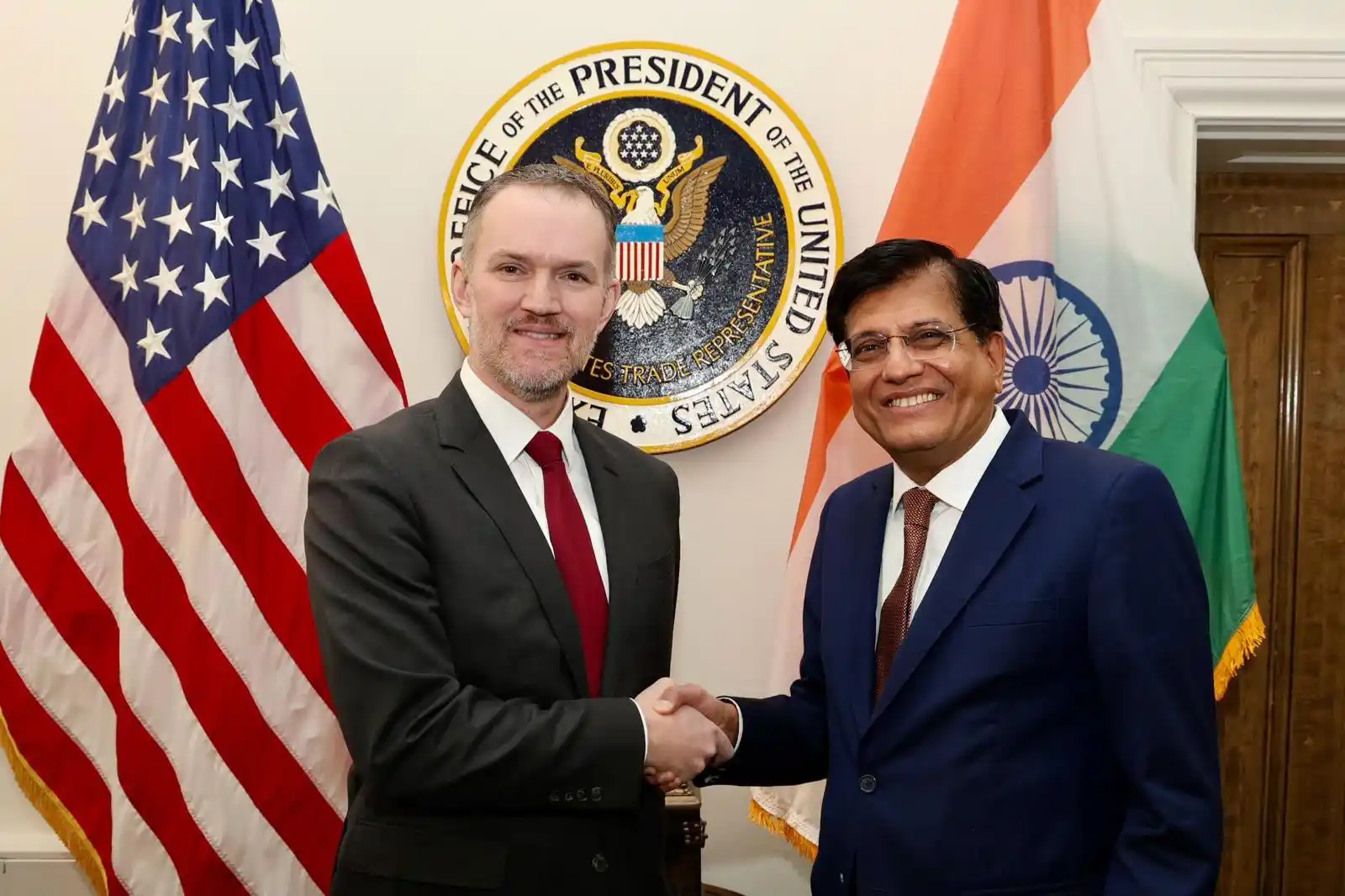
The Indian Minister of Commerce assured that talks to reach an agreement are ongoing and they will seek a solution that satisfies all parties
Between April and June, Indian merchandise exports grew by about 15% compared to the same period last year, driven mainly by the increase in the value of oil product shipments. Additionally, exports to Gulf countries have recovered to pre-conflict levels with Iran, while sales to the U.S. market also recorded an increase.
India is also advancing in the diversification of its trade relations. A free trade agreement with the United Kingdom will come into effect this month, and authorities expect to conclude a similar agreement with the European Union early next year, which partially reduces the pressure to immediately finalize a deal with the United States.
Furthermore, the country's economic outlook has improved. Goldman Sachs recently raised its growth forecast for India in 2026 to 6.8%, while reducing its inflation and current account deficit estimates, aided by falling international oil prices.
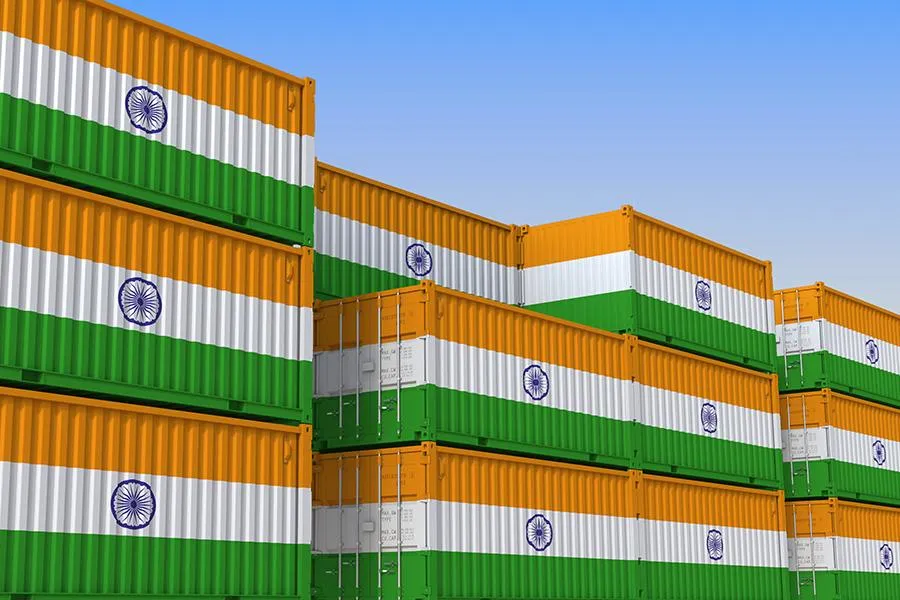
India has seen a significant rebound in trade in recent years, during which exports grew by nearly 15%