
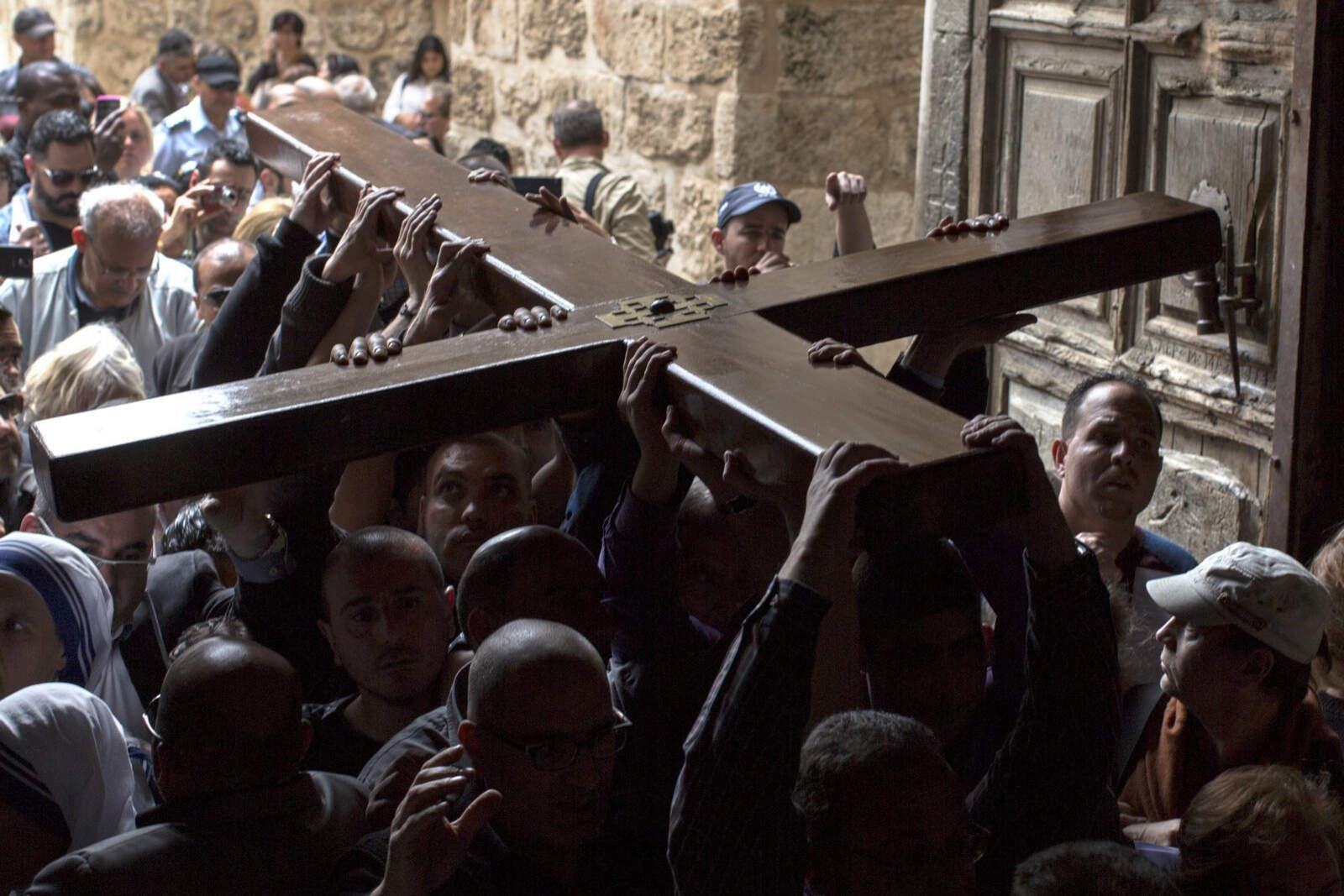
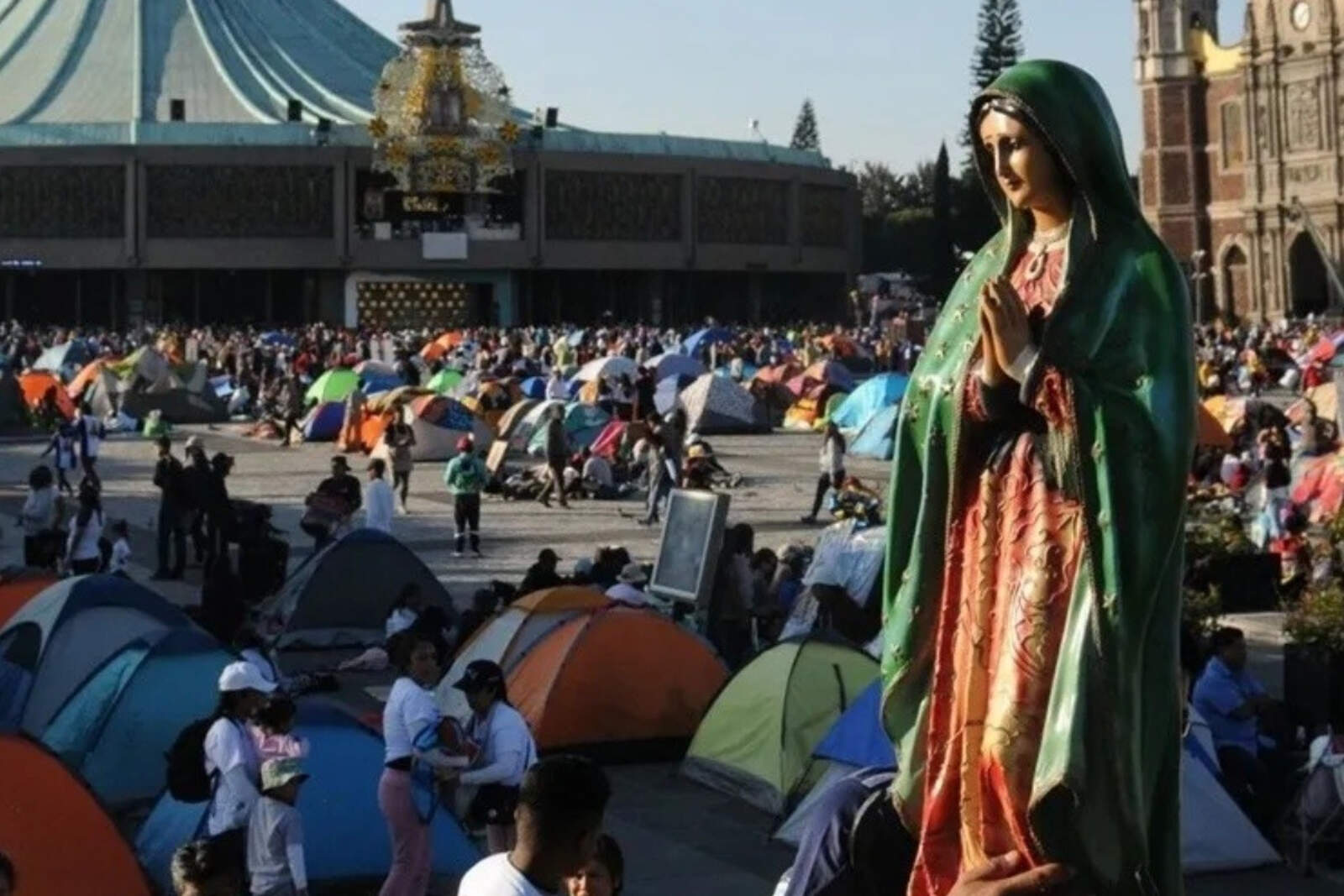
Beyond being a moment of rest, Holy Week is, for millions of people in Mexico, the most important period of the liturgical calendar.
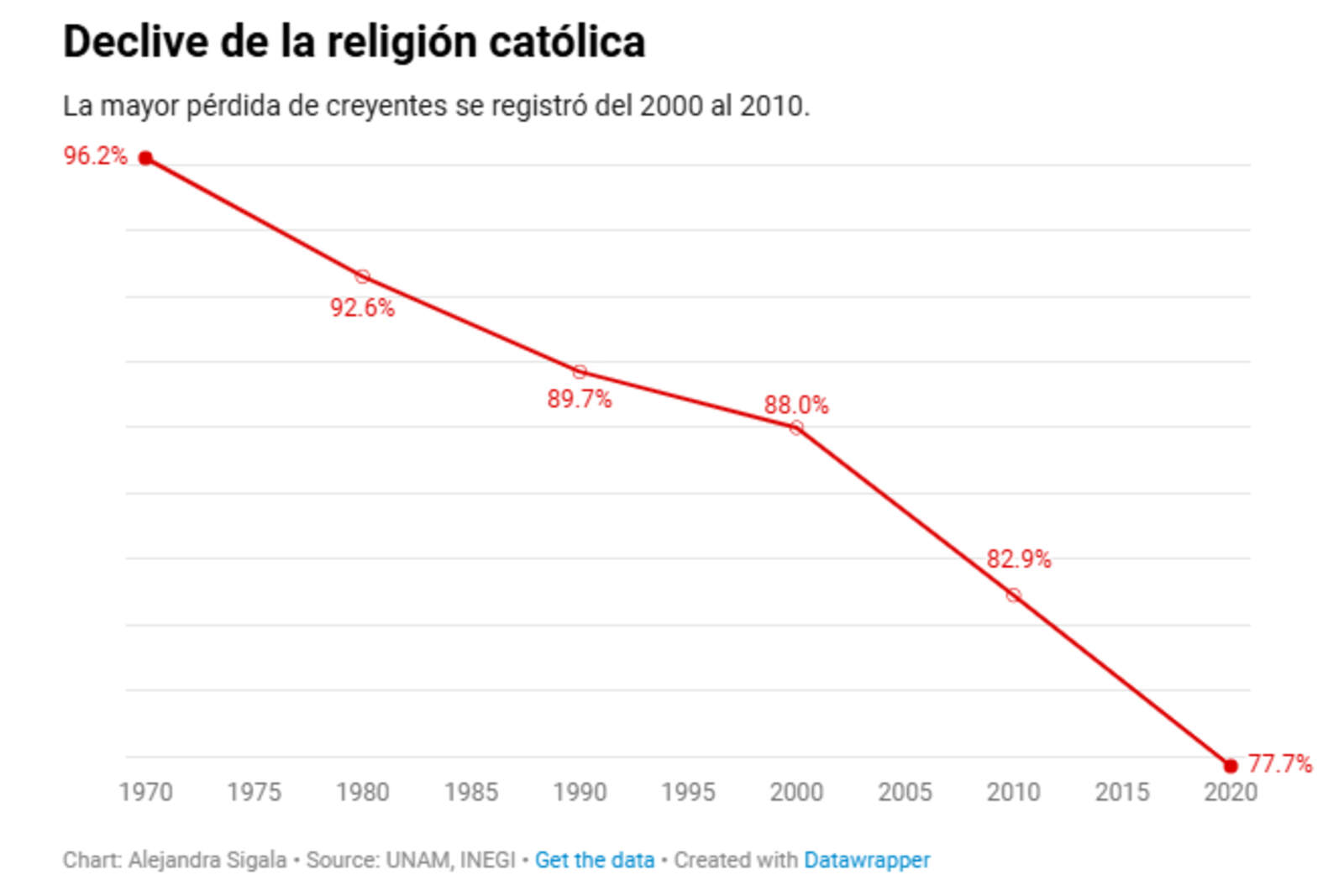
However, this tradition is experienced today in a profoundly different social context than in past decades. Catholicism, the historically predominant religion in the country, is facing a noticeable and constant decline.
Fewer Catholics, more believers "in their own way."
According to the 2020 Population and Housing Census by INEGI, 97.8 million Mexicans declared themselves Catholic. Although the figure remains significant, it represents only 77.7% of the population, a considerable drop from the 88% recorded in the year 2000.
An analysis conducted by UNAM and published in the journal Acta Sociológica explained the reasons for this decline. Among them are the loss of trust in religious institutions and a growing desire to experience spirituality freely, without intermediaries or imposed dogmas.
Many faithful continue to believe, but they do so "in their own way", away from temples and without formal affiliation.
The non-religious population grows
Meanwhile, the population that declares itself as "non-religious" has grown rapidly. In the year 2000, only 4.7% of Mexicans identified in this category. By 2020, that figure increased to 8.1%, which equates to more than 10 million people.
This group is composed mainly of men (56.1%) and young people between 25 and 34 years old. The phenomenon has also been analyzed by INEGI and by organizations like CONAPRED, which recognize the growing religious diversity of the country as part of a generational and cultural change.
A country of many faiths
The same study reveals that there are 32 different active religions in Mexico, from popular cults to religious expressions of oriental, ethnic, or African origin. Some highlighted figures: