He was a pilot, a police officer, and a rebel. Maduro's regime accused him of being a terrorist; today, Óscar Pérez is remembered as a symbol of resistance
The final operation and the allegation of execution
On January 15, 2018, security forces located Pérez and his group in a house. During the operation, which was partially broadcast on Instagram, Pérez himself insisted that he wanted to surrender and negotiate his handover. "We are surrendering", he repeated in several videos, while he denounced that the forces were firing to kill them.
Hours later, the government announced that Pérez and six of his companions had died in an alleged "shootout". However, later accounts, autopsy photographs and complaints by international organizations cast doubt on that version and asserted that they killed him.
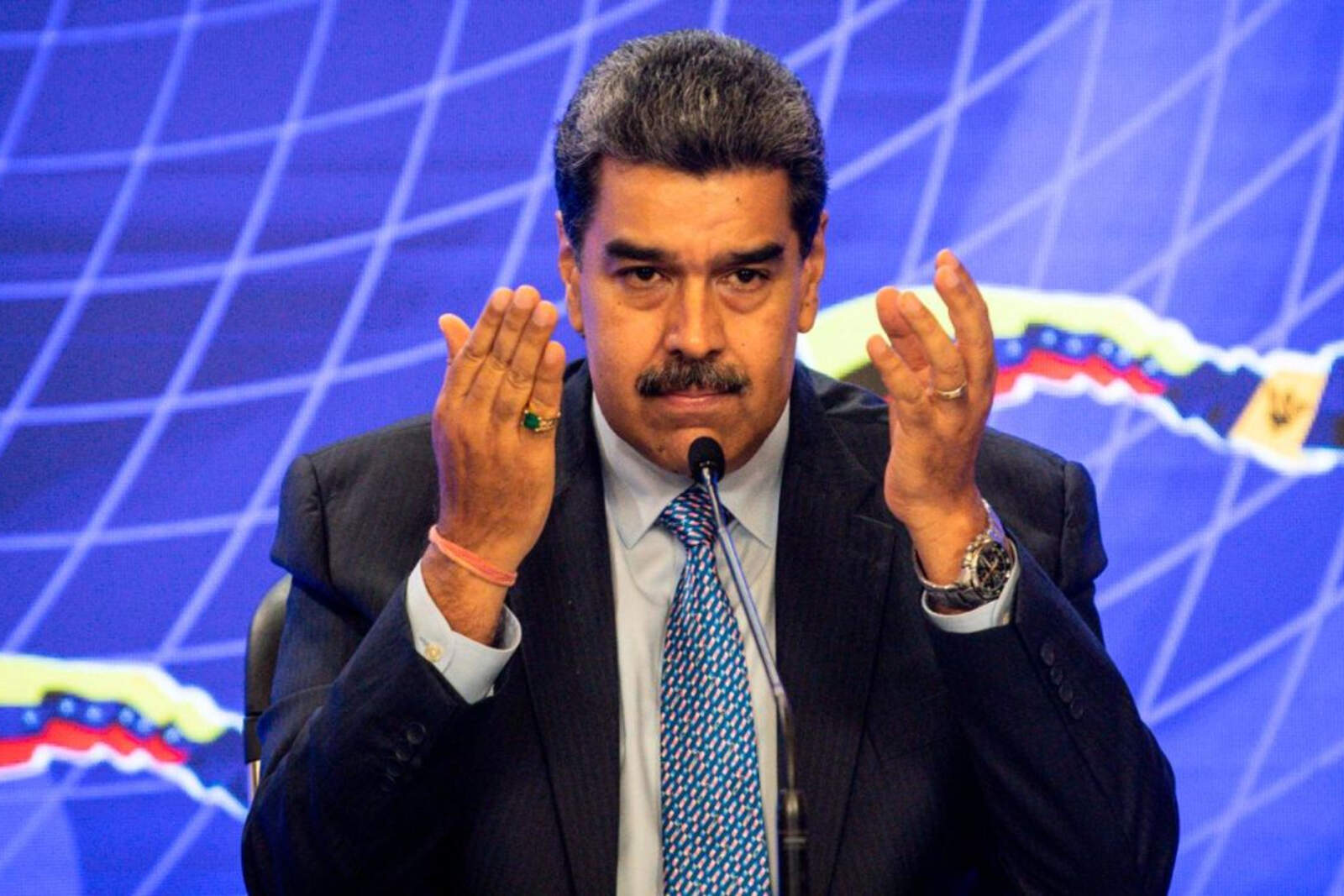
Maduro utilizaba organizaciones del narcotráfico para trasladar cocaína a los Estados Unidos
NGOs described the operation as a possible extrajudicial execution. Pérez's body showed gunshot wounds to the head and fractures consistent with an excessive use of force.
From "terrorist" to symbol of freedom
After his death, the regime tried to bury his image, his body was held for days and buried under irregular conditions. Even so, his image transcended. For many Venezuelans, Oscar Pérez embodied the desperation of a country plunged into an unprecedented humanitarian, economic and institutional crisis.
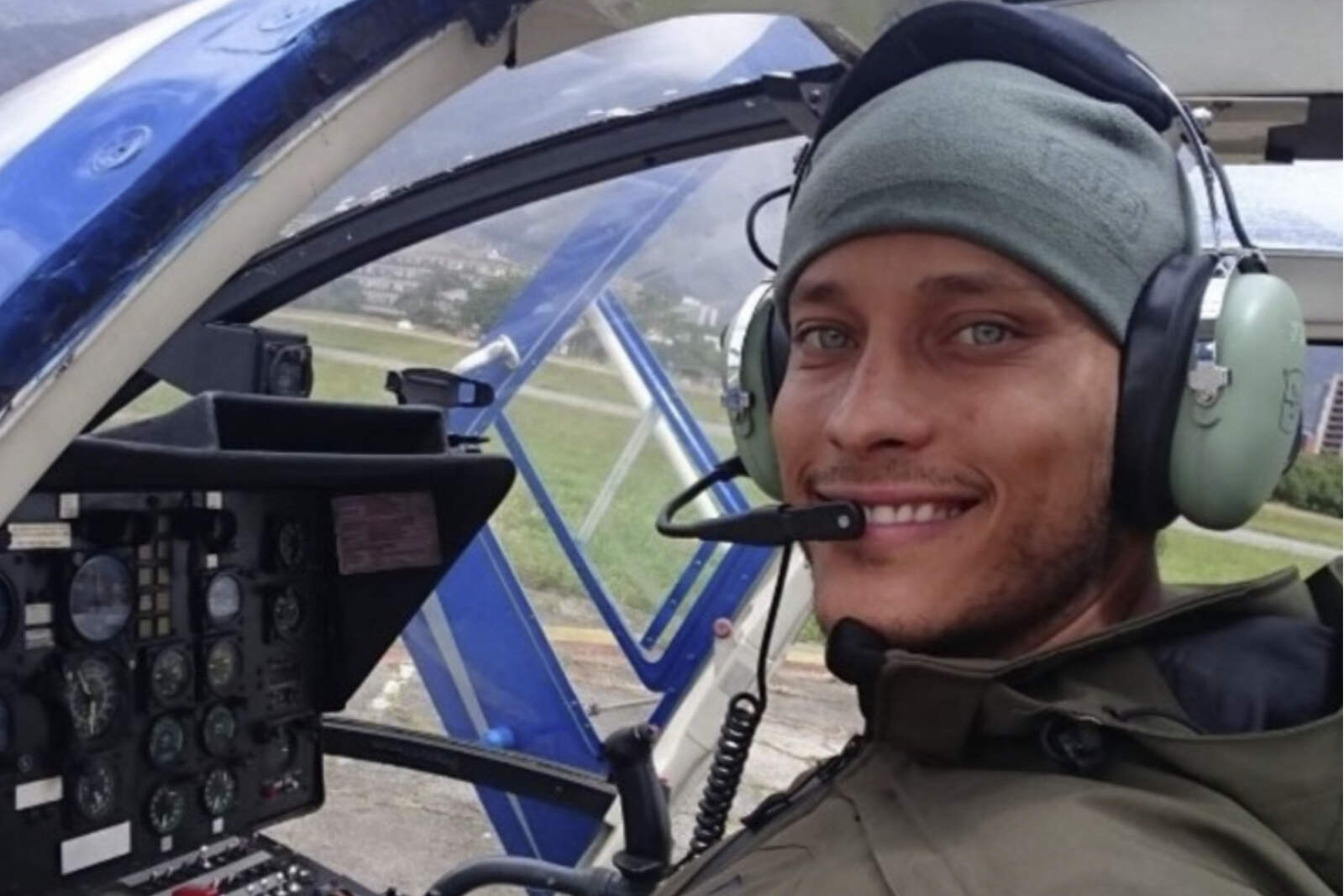
Esta imagen del piloto fue tomada en 2015, cuando cumplía funciones en la Policía
Eight years after his murder, and with the Chavista regime already fallen, his figure is beginning to be openly vindicated. What for years was officially presented as "terrorism" is now read as an act of rebellion in the face of a dictatorship.
Oscar Pérez did not manage to start the uprising he envisioned. But his story was recorded as that of a man who, from within the state, decided to no longer obey. Today, his name is part of the memory of those who resisted when doing so meant paying with their lives.
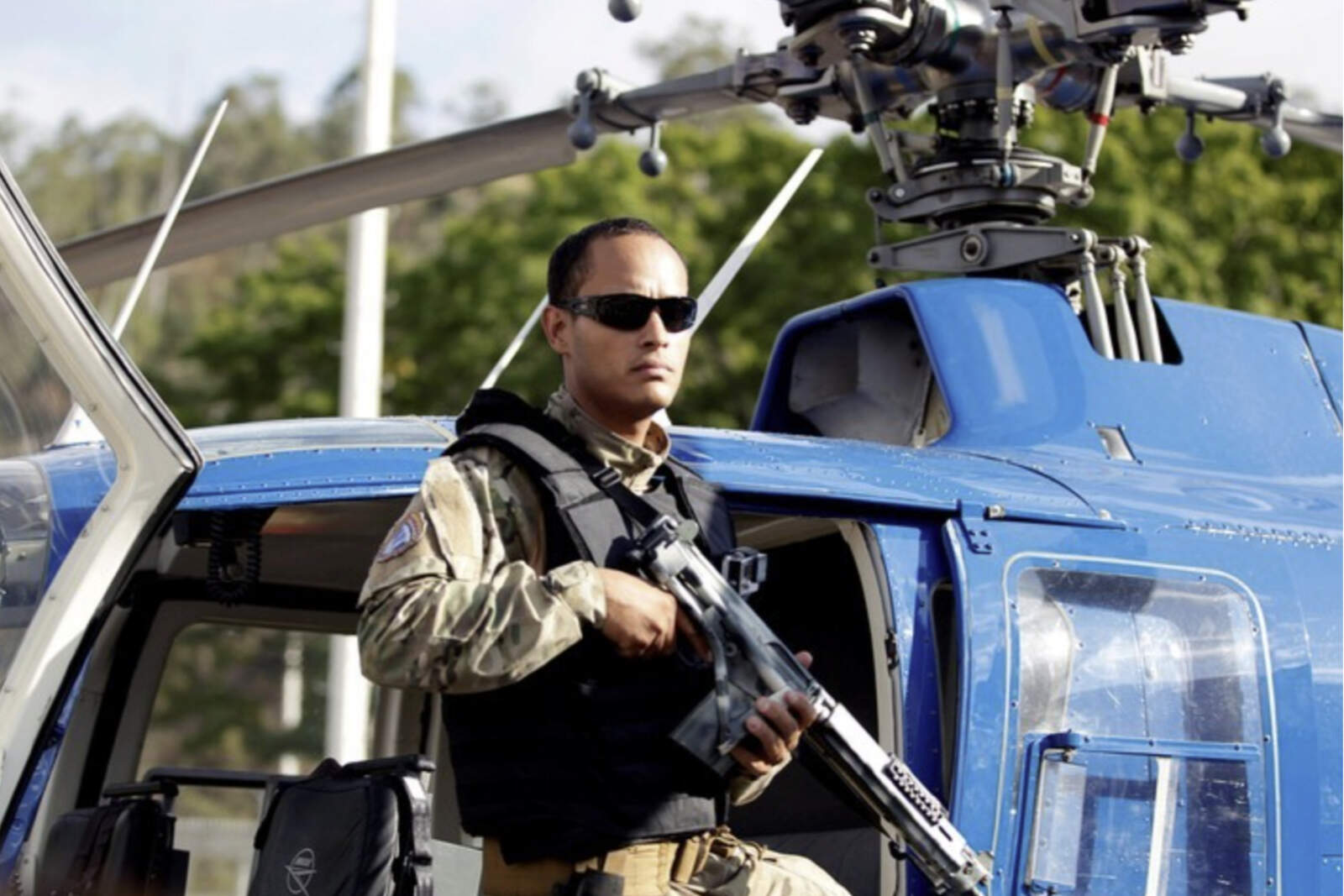
Oscar Pérez was an inspector and investigator of the Scientific, Penal and Criminal Investigations Corps (CICPC). He was also a helicopter pilot, combat diver, paratrooper and specialist in tactical operations. For more than fifteen years he was part of the security forces of the Venezuelan state, until he decided to break with the system.
In June 2017, amid the massive protests against the Chavista regime, Pérez stole an official helicopter and flew over Caracas. From the air he unfurled a banner with the slogan "350 Freedom", in allusion to Article 350 of the Venezuelan Constitution, which authorizes civil disobedience in the face of a tyrannical government.
He also threw stun grenades and fired blank bullets at official buildings to draw public attention, without causing any victims. From that moment on, he presented himself as part of an informal coalition of soldiers, police officers and civilians willing to confront Nicolás Maduro's dictatorship.
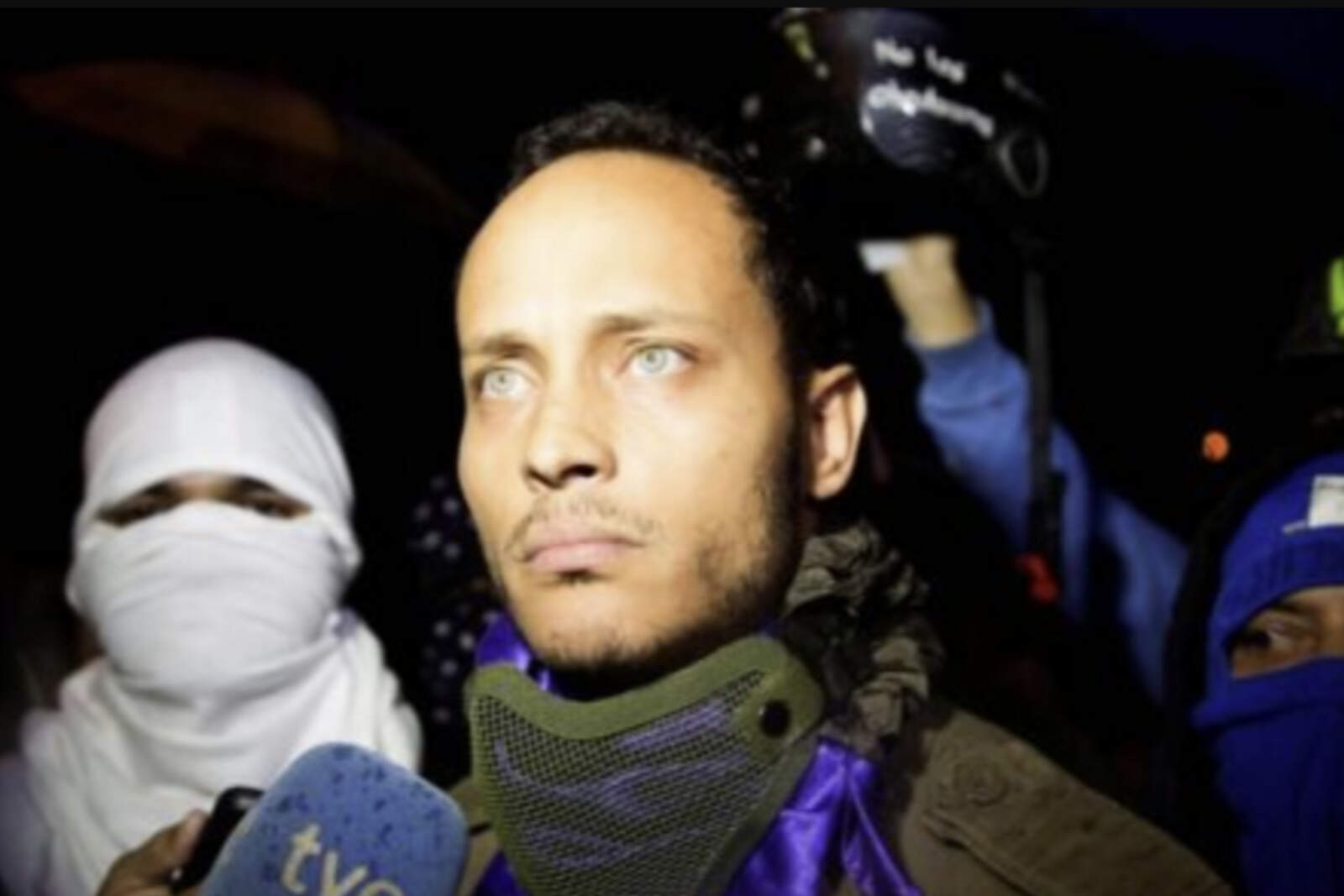
Oscar Pérez en julio de 2017, días después de su toma de un helicóptero de la Policía
Persecuted as a "terrorist" by the regime
The government replied by labeling him a "terrorist" and ordered his capture at the national and international level. Pérez went underground, from where he disseminated videos and messages on social media. Through them, he called for popular rebellion and denounced corruption within the security forces and the state apparatus.
In interviews and private messages, he maintained that high-ranking officials protected drug trafficking networks and that many investigations were deliberately halted. "They were the ones who trafficked drugs", he stated in reference to figures within the government itself.
For months, Pérez became one of the most wanted men in the country. At the same time, he became a symbol for opposition sectors that saw in him a figure of resistance in the face of a regime that had militarized the streets and nullified dissent.
Pérez, piloto de aeronaves, paracaidista profesional y buzo militar. En las redes sociales se definía como un "patriota"