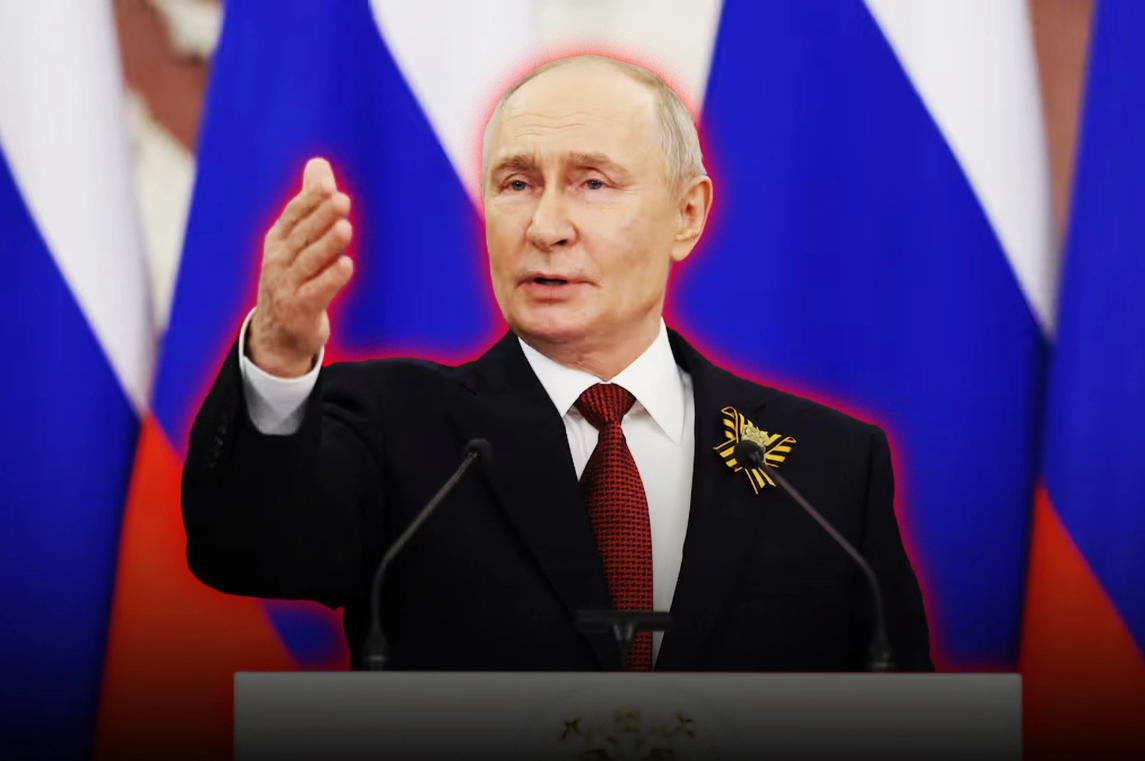
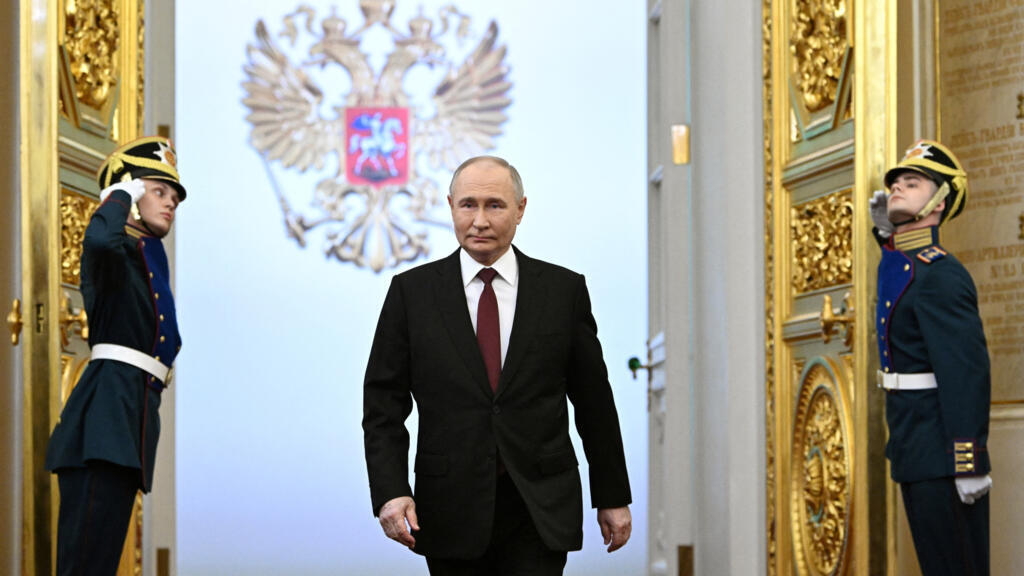
The Lower House of the Russian Parliament approved new legislation that formally authorizes President Vladimir Putin to deploy troops outside the country under the pretext of protecting Russian citizens abroad. The measure, pushed by the State Duma, raises concerns in Europe and among NATO allies, as it expands the legal grounds for possible Russian military interventions in other territories.
The bill was approved on May 13 by the State Duma, the lower house of the Russian Parliament, and now only Putin's signature is needed for it to officially come into effect. The president has a period of 14 days to enact the law.
According to official documents from the Russian Parliament, the legislation was designed to ''protect the rights of Russian citizens'' facing arrests, detentions, trials, or other judicial actions initiated by foreign governments or international courts. According to Moscow, these measures would be adopted without Russia's participation or recognition.
The Russian parliament approved legislation that will allow Putin to deploy military forces in third countries.
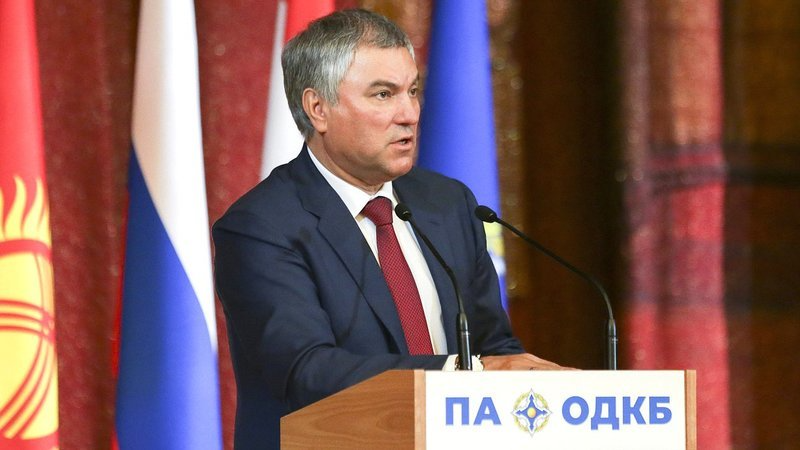
The president of the State Duma, Vyacheslav Volodin, publicly defended the initiative and accused the West of using justice as a political tool. ''Western justice has become a repressive machine to persecute those who disagree with decisions imposed by European officials,'' Volodin stated. ''In these circumstances, it is important to do everything possible to ensure that our citizens abroad are protected,'' he added.
The statements raised new alarms in Europe as the Kremlin has previously used the argument of protecting Russian citizens and Russian-speaking populations to justify military actions in neighboring countries. This rhetoric was central during the unilateral annexation of Crimea in 2014, as well as at the onset of the conflict in eastern Ukraine and later in the escalation of the war against Ukraine in 2022.
The chairman of the Duma's Defense Committee, Andrey Kartapolov, stated that the legislation aims to respond to what he described as a growing campaign of ''Russophobia'' abroad. He claimed that Russia needs additional mechanisms to defend its citizens against governments deemed hostile.
The president of the Russian parliament defended the initiative and accused Western governments of politicizing justice.
The approval of the law comes amid heightened tensions between Moscow and the West over the war in Ukraine. Since the beginning of the Russian invasion, several European countries and NATO members have warned about the risk of the conflict spreading to other regions of the continent.
The missile and drone offensives launched by Russia against Ukraine, and vice versa, have repeatedly caused incidents near NATO territories, raising concerns about regional security. In response, European governments have accelerated military modernization programs, increased defense spending, and strengthened intelligence capabilities.
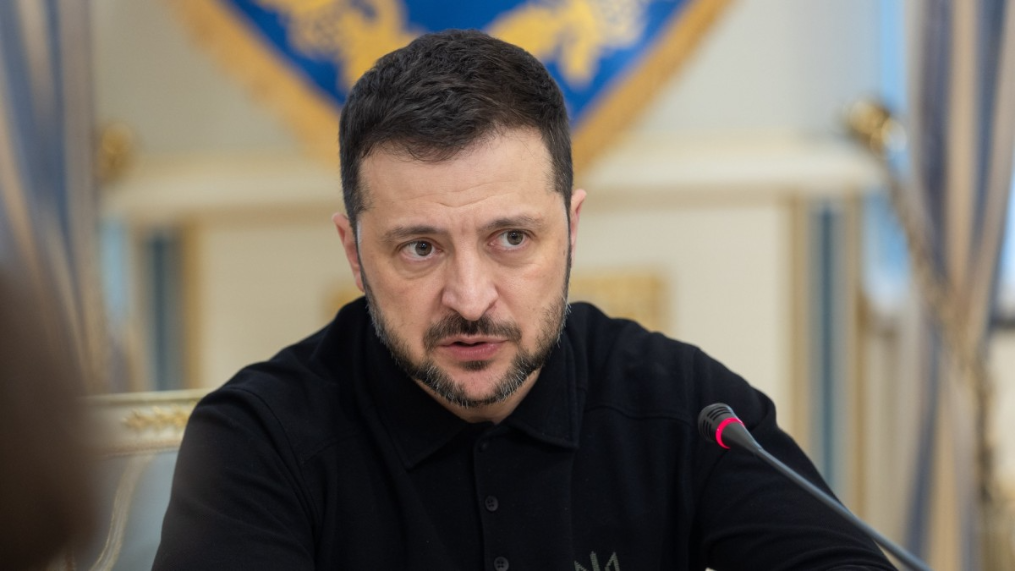
The president of Ukraine, Volodymyr Zelenski, recently warned that the tightening of internal control in Russia and the increasing restrictions on digital platforms could foreshadow new military mobilizations and possible future offensives. Zelenski even suggested that Baltic countries could become new targets of Russian pressure.
Meanwhile, several European nations have begun to review their security structures. This week, the Swedish government announced that it will move forward with the creation of a new intelligence agency focused on external threats, a measure directly linked to the impact of the war in Ukraine and fears of new aggressive actions from Moscow.
Zelensky criticized Russia for the new legislation and warned that the rest of the European continent, especially the Baltic region, could become a new target for Russia.