The President of the United States, Donald Trump, is evaluating the possibility of resuming military actions against the Iranian regime amid a growing escalation of tensions in the Middle East, according to regional intelligence reports cited by several media outlets.
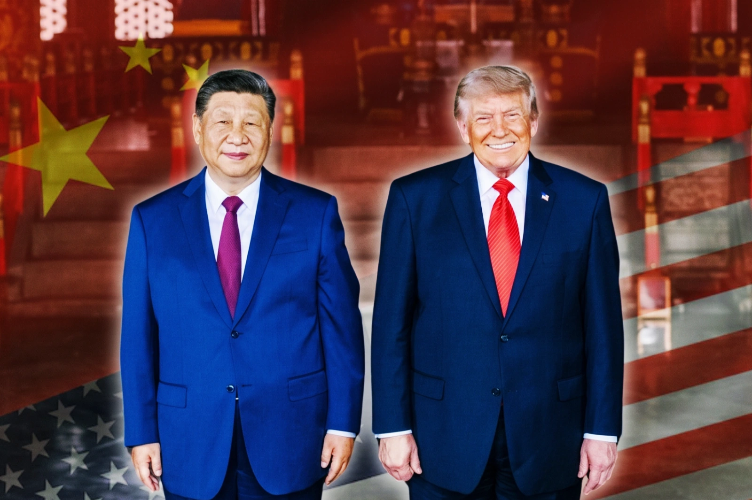
The situation arises shortly after the recent face-to-face meeting between Trump and Chinese President Xi Jinping, while Washington watches with concern the movements of the Iranian regime and its refusal to abandon its nuclear ambitions.
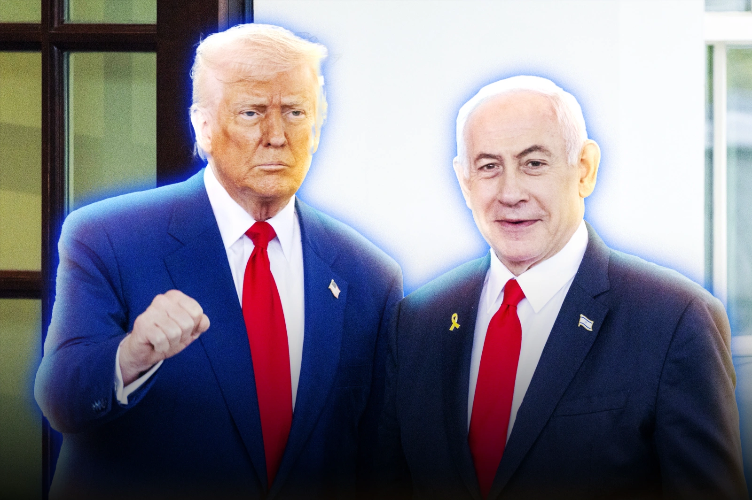
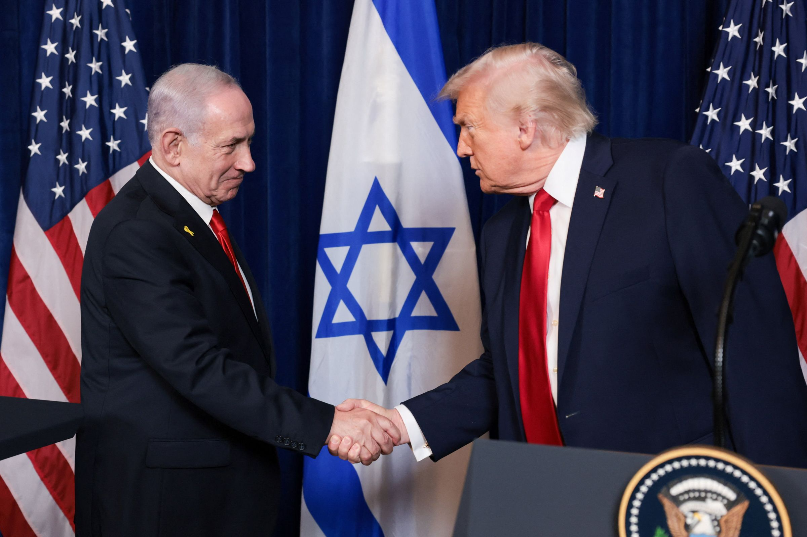
The possible reactivation of military operations is one of the topics generating the most anticipation during the week, as this Sunday night, Trump is scheduled to have a conversation with Israeli Prime MinisterBenjamin Netanyahu. Netanyahu publicly confirmed the dialogue and stated that Israel continues to closely monitor events related to Tehran.
''Our eyes are also open regarding Iran,'' Netanyahu declared on Sunday morning. The Israeli leader also noted that he will speak with Trump to learn details of his trip to China and address ''other issues,'' hinting that the Iranian situation holds a priority place on the bilateral agenda.
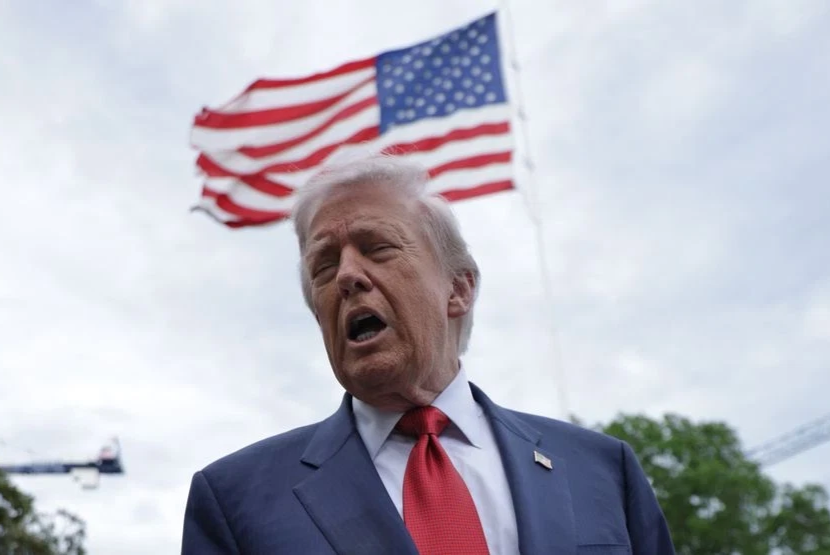
Donald Trump will have a conversation with Netanyahu on Sunday night and is considering reactivating military operations in Iran.
According to regional intelligence officials, there is a perception within Iran that Trump could order new military strikes due to his growing frustration with the tactics used by Tehran. Among the factors that may have increased tension are the closure of the Strait of Hormuz and the Iranian refusal to give up its nuclear ambitions.
The cited sources indicated that the Iranian regime is implementing a strategy of ''deception and delay'' with the aim of buying time and politically complicating a potential U.S. offensive. According to these assessments, Iranian authorities believe that if they manage to extend the crisis for at least two weeks, the scenario could become more complex for a new military campaign both politically and operationally.
Furthermore, intelligence officials maintain that Tehran believes certain upcoming international events, such as the World Cup and the celebrations for the 250th anniversary of the United States, could work in its favor and reduce the chances of an immediate response from Washington.
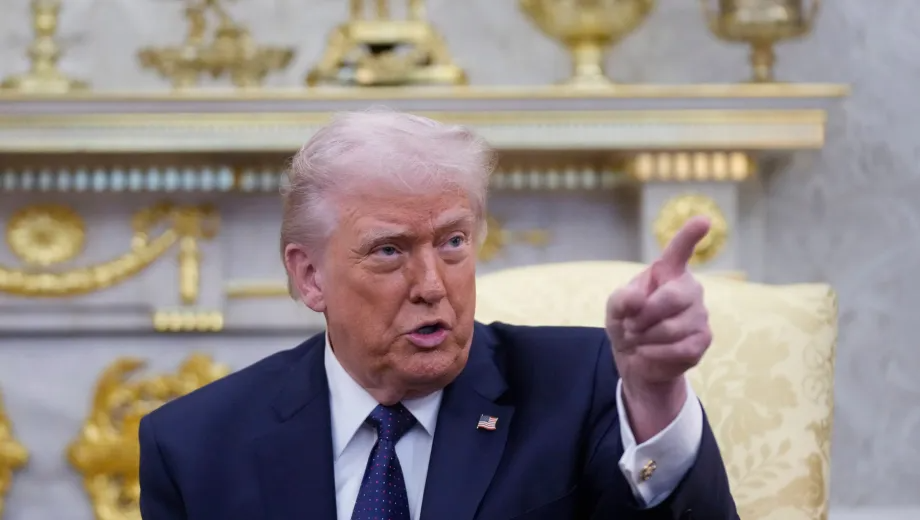
The President of the United States has expressed his displeasure with the Iranian regime due to its refusal to abandon the nuclear program.
Meanwhile, the effects of international pressures and the U.S.-led blockade are beginning to be strongly felt within Iran. A senior Israeli official stated that signs of a growing fuel crisis are already being observed, with long lines at gas stations and distribution problems in various regions of the country.
The economic deterioration is also reflected in the sustained increase in prices, rising unemployment, and inflation that continues to accelerate. ''It is worsening exponentially,'' the Israeli official stated while describing the impact of the internal Iranian crisis.