The Prime Minister of Armenia, Nikol Pashinyan, achieved a resounding victory in the legislative elections held on Sunday, in a decisive vote to define the geopolitical orientation of the country after years of tensions with Russia and following the traumatic military defeat suffered against Azerbaijan in 2023.
According to preliminary results released by the electoral commission, the ruling party Civil Contractsecured 49.8% of the votes, a significant lead over its main rivals. The Strong Armenia Allianceobtained 23.2%, while the Armenian Alliance reached 9.9%. Both opposition forces maintain positions favorable to a closer relationship with Moscow.
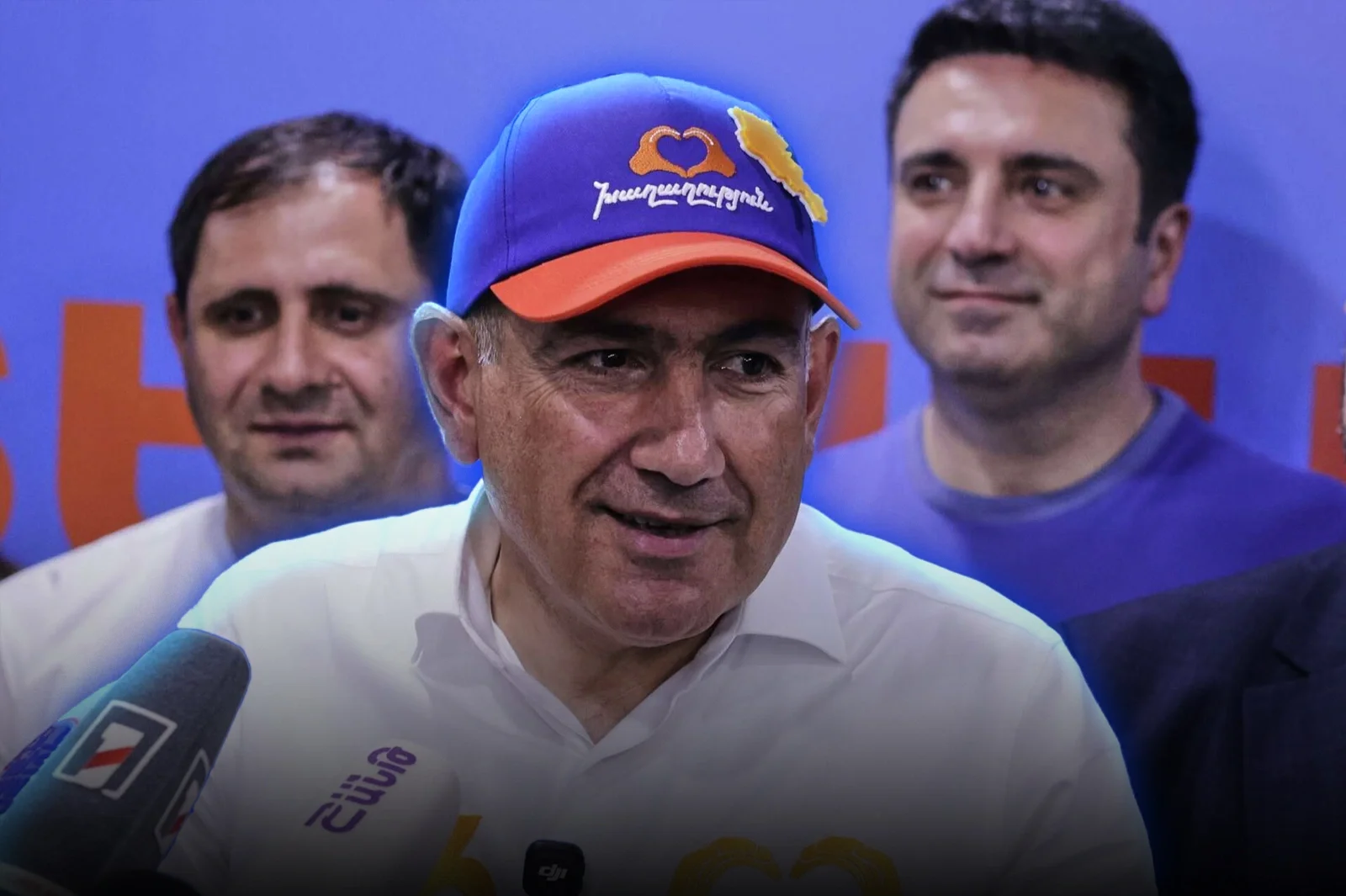
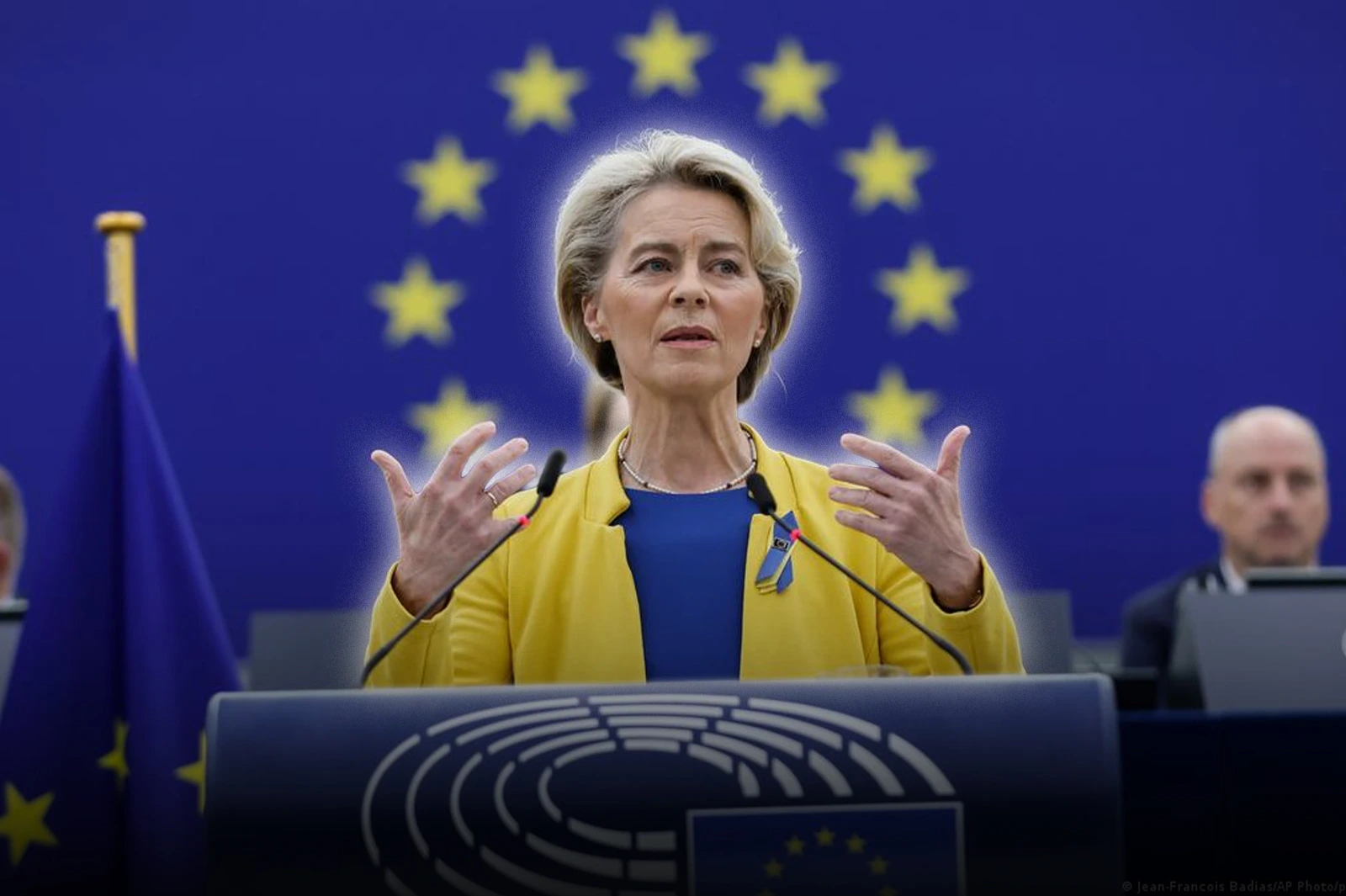
The election was closely watched in both Europe and Russia as it represented a test for the strategy promoted by Pashinyan for several years: reducing political dependence on Moscow and deepening ties with the West. After the results were announced, the leader celebrated the victory and stated that citizens had supported a project based on ''peace, regional prosperity, and cooperation.''
Pashinyan achieved a victory in the Armenian elections and promised closer ties with Western countries
The victory is particularly relevant as it occurs in a context of political weariness for the Prime Minister. Although he has held power since 2018, various polls showed a significant drop in his popularity compared to previous elections. However, the ruling party managed to clearly prevail in an election in which 19 parties and political alliances participated.
Voter turnout reached 59%, a significant figure given the polarization affecting the country. Most of the smaller parties failed to surpass the thresholds necessary to gain parliamentary representation.
The result also represents a setback for the sectors closest to the Kremlin. Among them are the Strong Armenia Alliance, led by the Russian-Armenian businessman Samvel Karapetyan, and the Armenian Alliance, headed by former president Robert Kocharyan, both advocates for maintaining close cooperation with Russia.
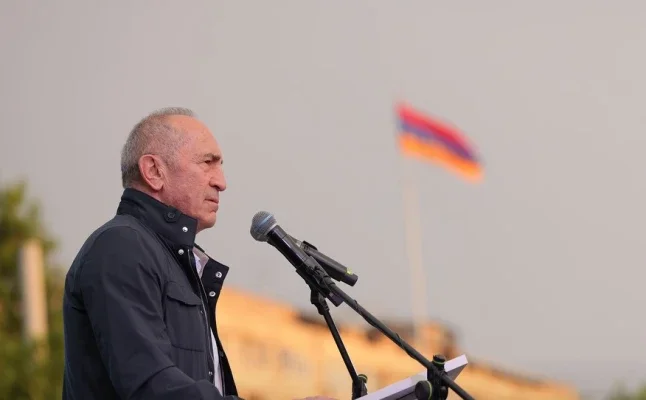
Former Armenian President Robert Kocharyan finished in third place in the voting
From Moscow, the reaction was immediate. The spokesperson for the Russian Foreign Ministry, Maria Zakharova, denounced Western pressures on opposition parties and claimed that the electoral campaign was marked by strong polarization. She also asserted that there was external interference aimed at favoring the pro-Western orientation of the current government.
Tensions between Armenia and Russia have increased in recent months. Moscow has repeatedly warned about the economic risks that would entail a departure from the Russian orbit. Armenia heavily depends on trade with Russia and is part of the Eurasian Economic Union, a bloc led by the Kremlin that allows it to access trade and energy advantages.
Before the elections, Russian President Vladimir Putin publicly reminded Armenia of the economic benefits it could lose if it decides to move towards closer integration with the European Union. Among them, he highlighted the preferential prices of Russian gas, a fundamental resource for the Armenian economy.
Additionally, in the weeks leading up to the vote, Russia restricted the import of several Armenian products, including flowers, fruits, vegetables, mineral water, and brandy, measures that served as a signal of political pressure.
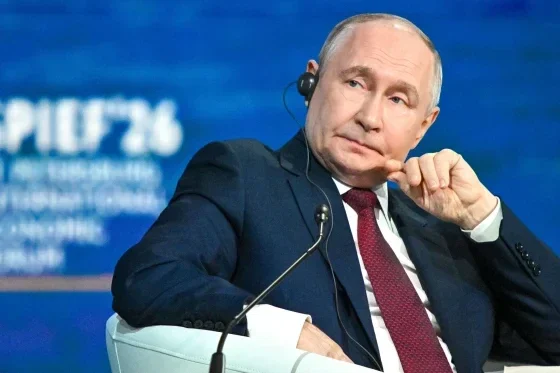
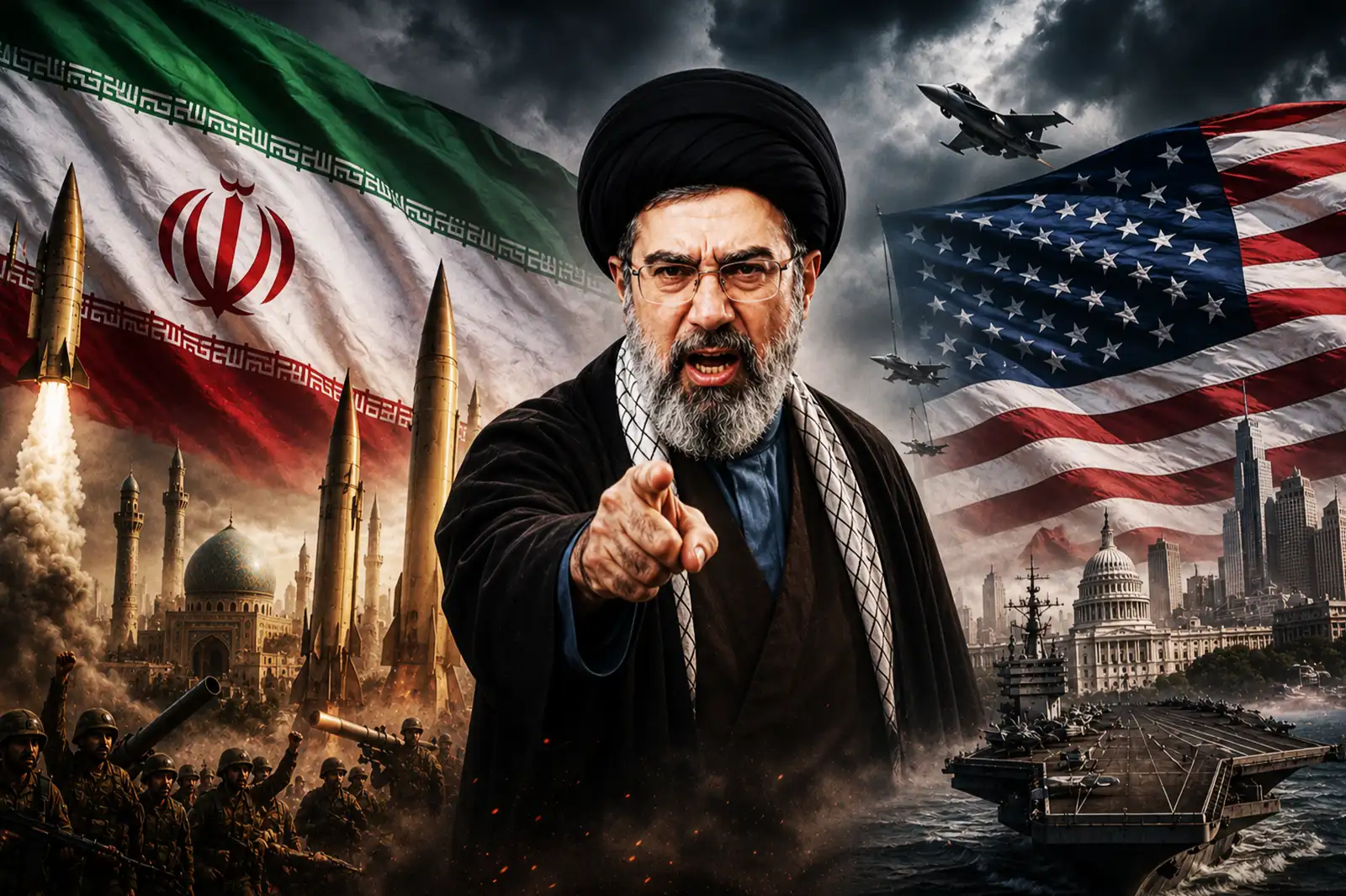
The Russian president warned about taking commercial benefits from Armenia if it strengthened its ties with the West
Despite this, Pashinyan has insisted on maintaining a balanced foreign policy. After the results were known, he stated that Armenia would continue to strengthen its relations with the West without abandoning its participation in the Eurasian Economic Union for the moment. The leader has recently promoted legislation aimed at initiating the process of rapprochement with the European Union, although the country is still far from obtaining formal candidate status.
One of the main challenges for the government remains the issue of Nagorno-Karabakh. The region, historically populated by ethnic Armenians, was reclaimed by Azerbaijan through a military offensive in 2023 that provoked the exodus of more than 100,000 inhabitants. Many citizens blame Pashinyan for the concessions made during the negotiations following the conflict.
The search for a definitive peace agreement with Azerbaijan continues to deeply divide Armenian society. While part of the population believes that normalizing relations is necessary to ensure regional stability, others feel that the government has ceded too much ground on essential issues for national identity.
With this electoral victory, Pashinyan gains new political support to continue his reform project and rapprochement with the West. However, he will have to manage a deeply divided society and balance the European aspirations of part of the population with the reality of an economy that still heavily depends on Russia. The result confirms that Armenia has chosen to maintain the course initiated by the current Prime Minister, although the internal and external challenges facing the country remain considerable.
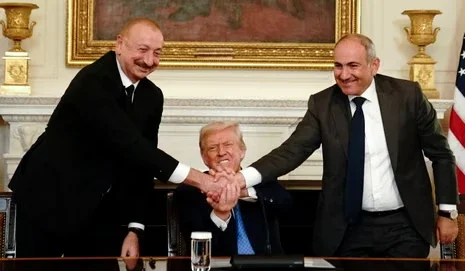
The government of Donald Trump was key in achieving a peace agreement in the Nagorno Karabakh conflict