La ciudad de Córdoba registra más de 90 macrobasurales a cielo abierto
Funding and overlapping functions
Opposition members warned that, although the 2025 municipal budget allocated nearly $268 billion to environmental programs, the results on the ground are insufficient. According to the councilor, the lack of coordination among different departments led to overlapping functions and lack of oversight.
The survey adds that municipal debris sites operate without permanent technical staff or proper waste sorting. It also reports that their proximity to homes and watercourses increases health risks.
"Each point on the map is a warning sign. Córdoba needs concrete solutions, not environmental propaganda," said an opposition councilor.
El informe contabilizó casi 300 focos ilegales de residuos entre micro y macro depósitos.
Municipal response
From the ruling party, Environment Secretary Gabriel Martín defended the improvised management and downplayed the figures presented by the opposition. He acknowledged the existence of up to 130 consolidated dumps, but indicated that many of the surveyed sites are temporary dumping points.
The official highlighted that the Municipality supposedly recovered more than 100 properties that were turned into public spaces. He explained that some sites, such as those in Spilimbergo and Roque Arias, remained active despite municipal action due to the habit of dumping waste.
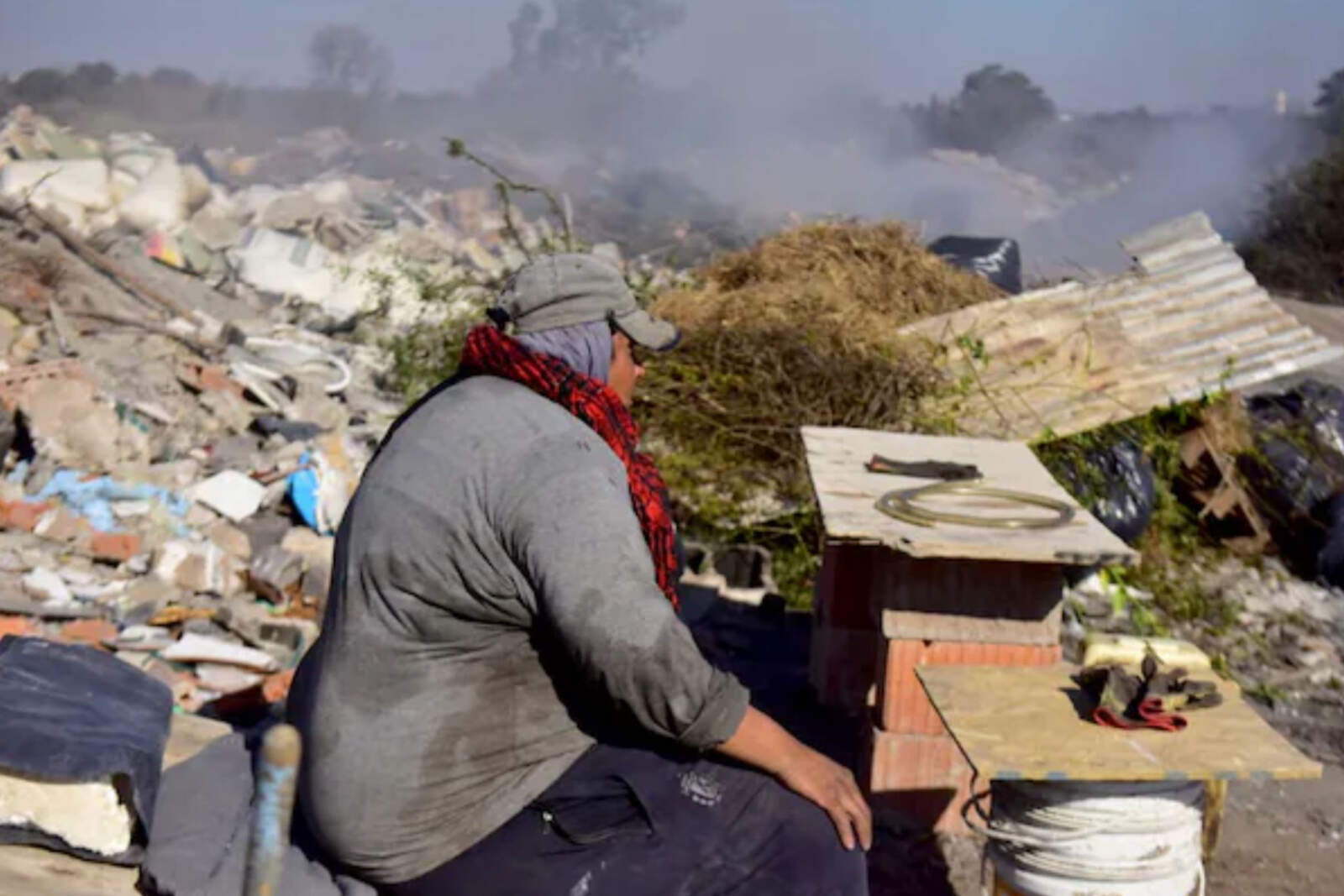
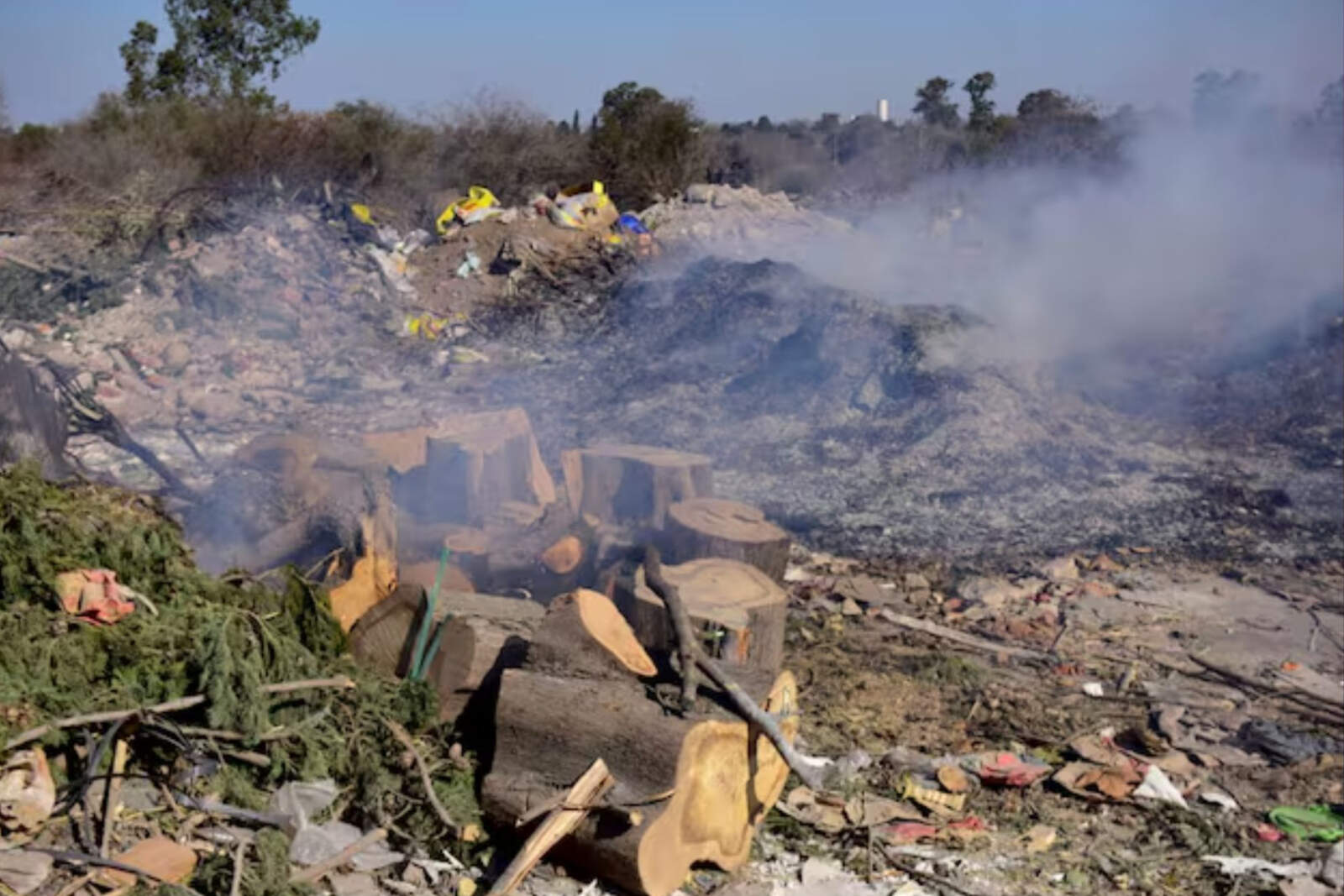
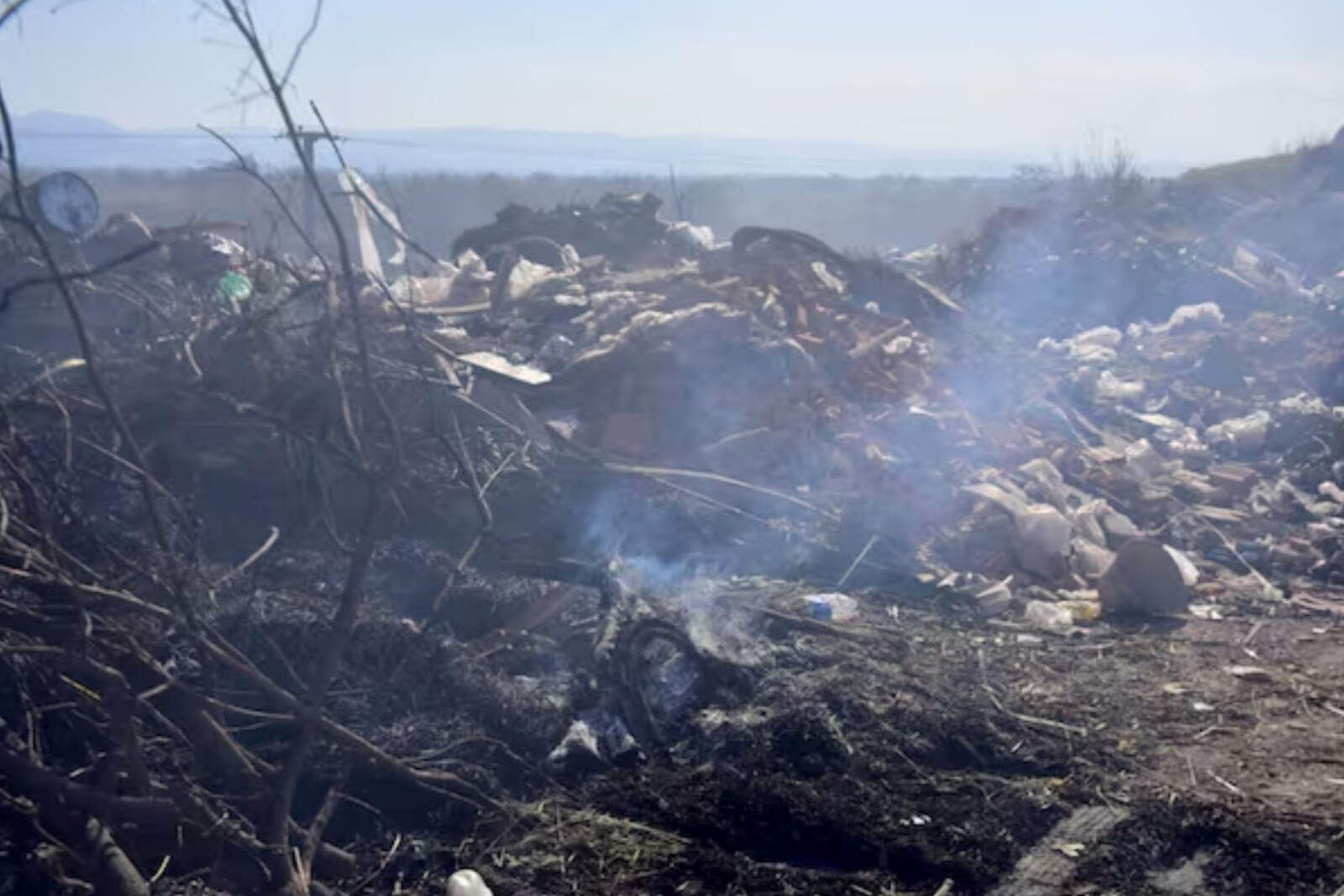
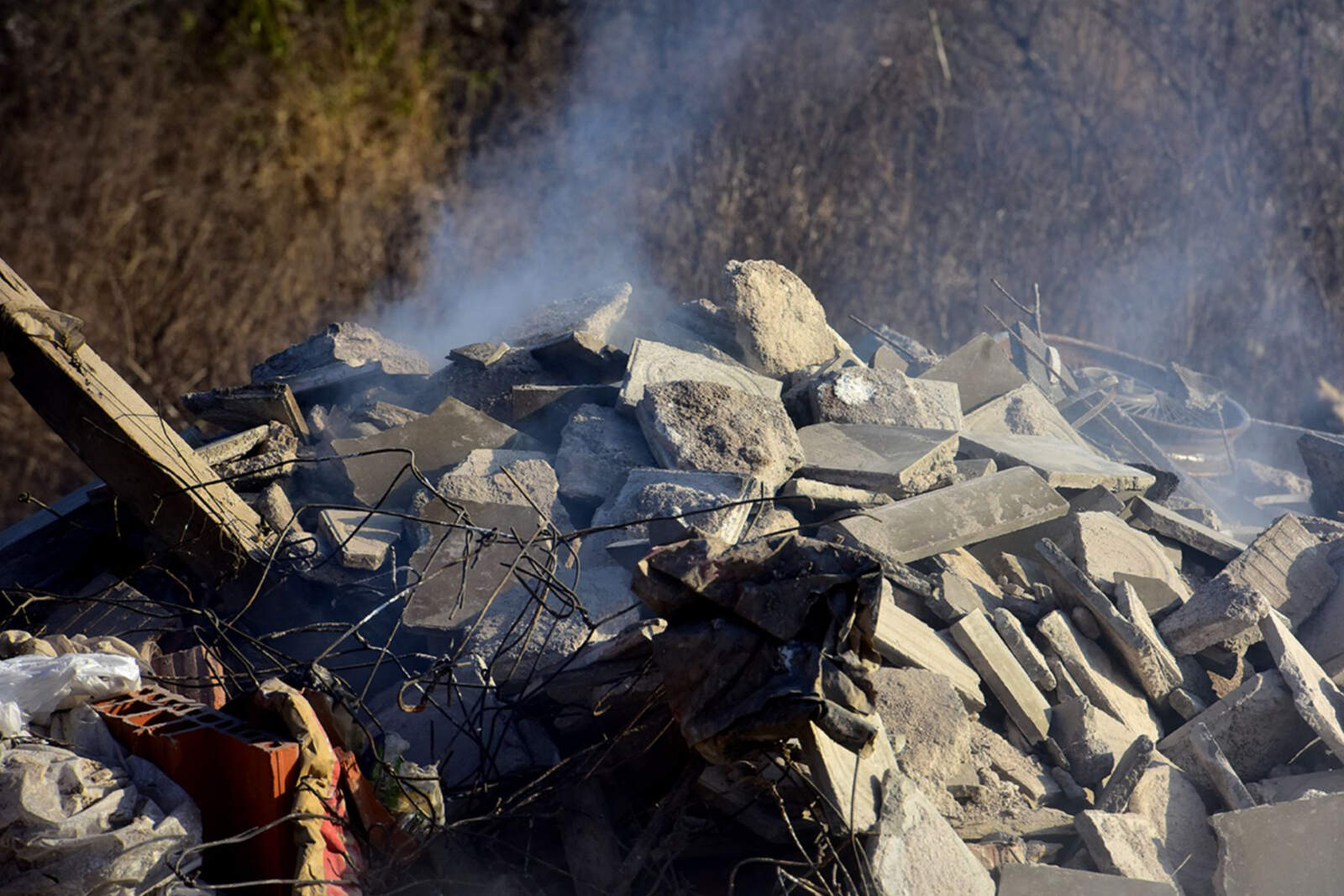
En los macrobasurales predominan restos de obras y escombros acumulados en grandes volúmenes.
The city of Córdoba records more than 90 large open-air dumps, according to a survey conducted by an opposition councilor. The report counted nearly 300 illegal waste sites, including both small and large deposits. The councilor questioned the lack of planning in municipal management.
Tres de estos focos fueron noticia reciente: los basurales de Spilimbergo y Juan Martínez
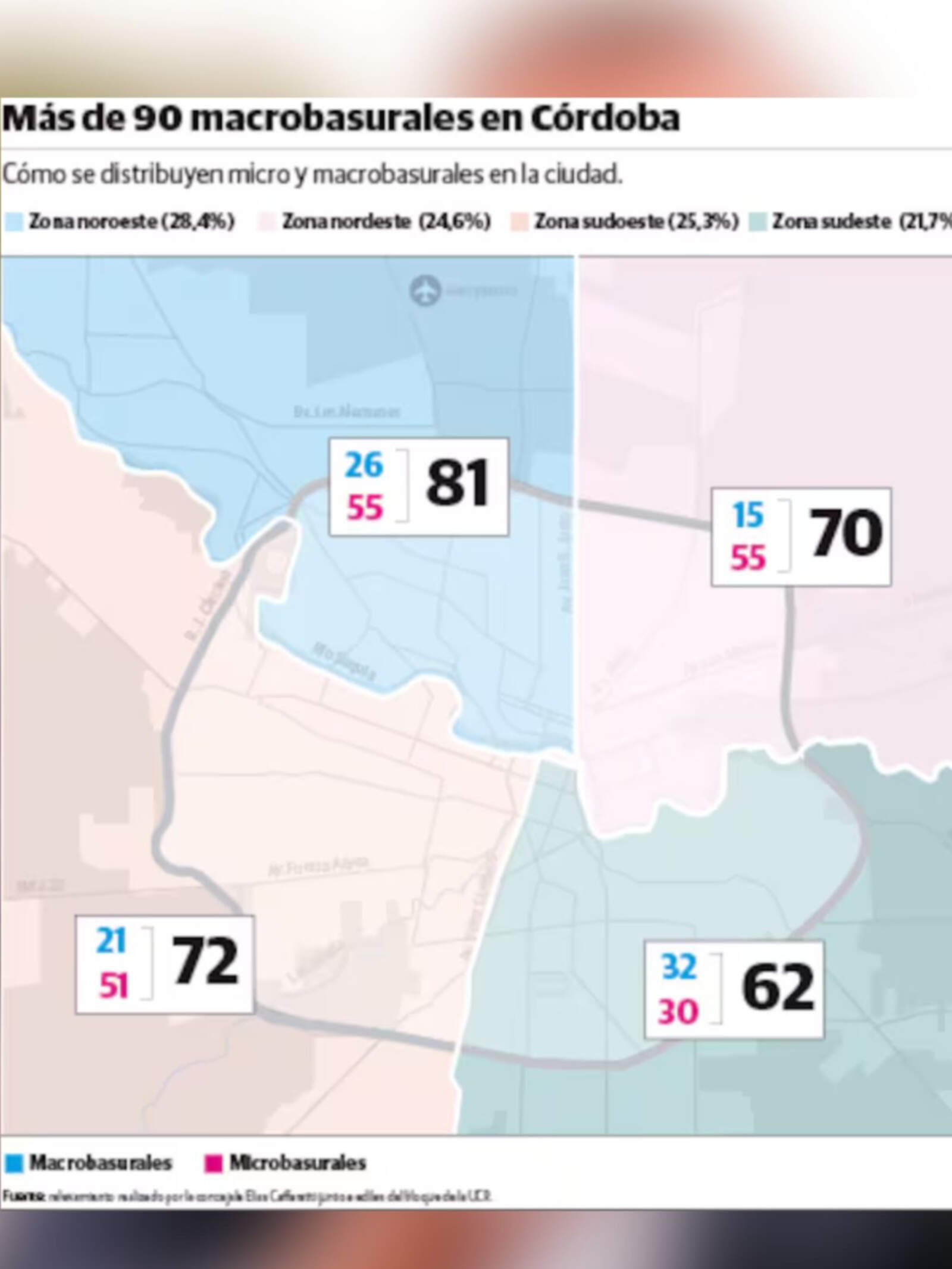
The study included geolocated mapping and photographic records of various critical points in the capital. 28.4% of the dumps are located in the northwest, while the southwest accounts for 25.3% of the cases. The rest are distributed between the northeast and southeast.
Three of these sites were recently in the news: the Spilimbergo and Juan Martínez dumps, which caught fire, and the Costa Canal dump, near the airport.
El 28,4% de los basurales se encuentran en el noroeste, mientras que el sudoeste concentra el 25,3% de los casos.
Waste composition
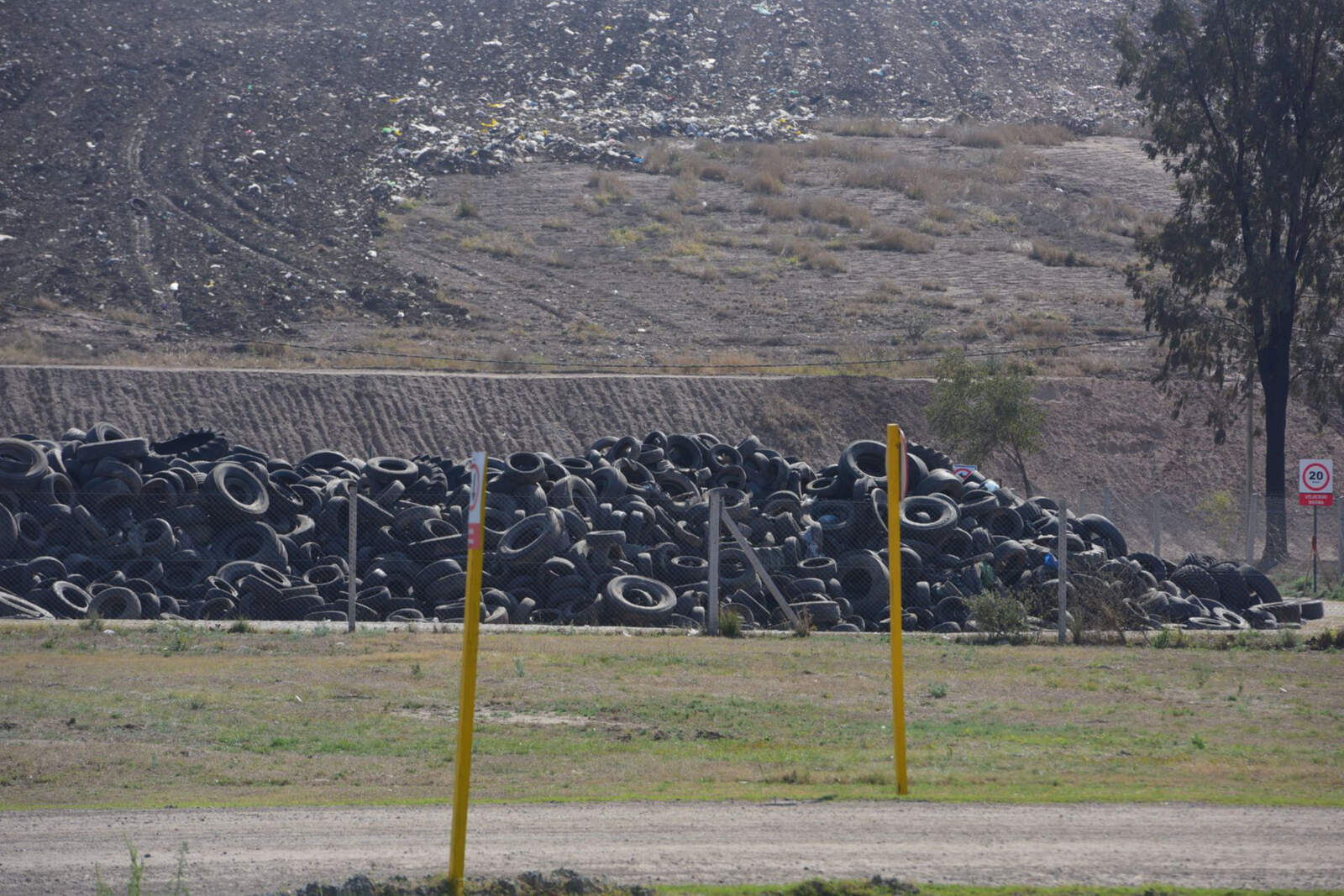
In the large dumps, construction debris and rubble accumulated in large volumes predominate. Tires, metal posts, and large prunings were also found. The report indicates that these materials should be managed through regular collection systems.
The survey also detected the presence of hazardous waste such as glass, dead animals, and chemical containers. This situation poses a risk to residents of nearby areas. The problem is exacerbated in vulnerable neighborhoods with deficient services.
In the small dumps, meanwhile, mainly household waste was found. These include decomposing food scraps, appliances, and unused furniture.