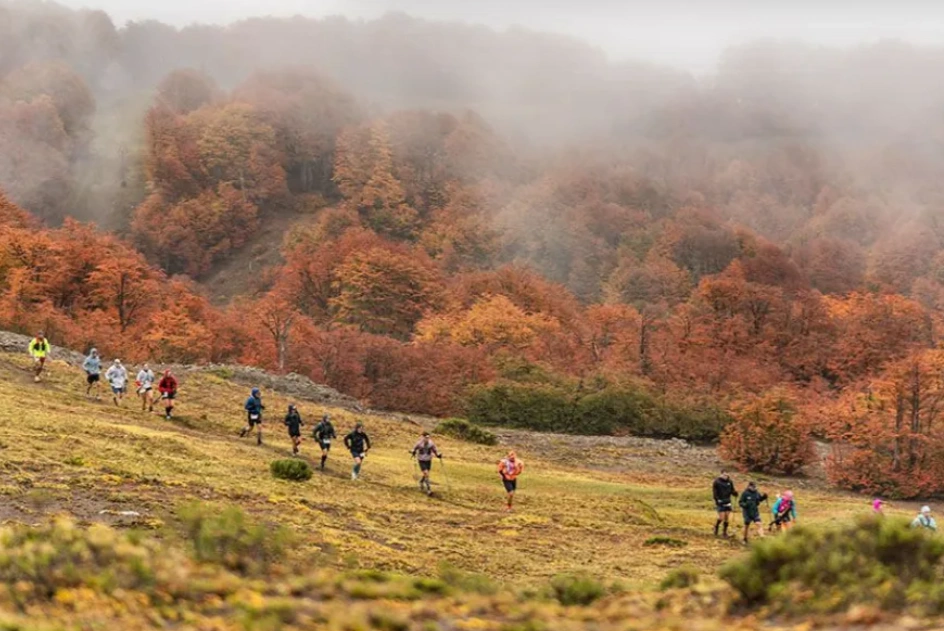

The 16th edition of the Patagonia Run once again positioned the province of Neuquén as one of the country's main destinations for sports and nature tourism, generating a strong economic, tourist and labor impact throughout the region.
The event brought together more than 6,000 runners from Argentina and abroad, consolidating itself as one of the most important trail running festivals in America and as a key tool for boosting the local economy.
High occupancy and sustained tourist movement
According to data from the San Martín de los Andes Tourism Observatory, during the first days of April, there was 71% hotel occupancy, with peaks above 80% in the central days of the competition
.Unlike traditional tourism, the Patagonia Run generates widespread demand throughout the week. Visitors began arriving at the beginning of Holy Week and stayed at the destination for several days, even after the race ended
.This behavior makes it possible to sustain tourist activity beyond long weekends, providing stability to the sector.

A profile of tourists with higher spending and longer stays
Sports tourism associated with this type of event has different characteristics compared to conventional tourism
.Participants typically have:
Higher purchasing power
. Extended stays of between 4 and 7 nights.
Travels accompanied by family members, coaches or teams.
This profile has a direct impact on the level of consumption at the destination, increasing spending on accommodation, cuisine, equipment and experiences.
In Neuquén, the average tourist expenditure is around 270,000 pesos per person per day, although during the Patagonia Run this value increases due to the specific demand linked to the event.
Economic impact on the entire value chain
The movement generated by the Patagonia Run translates into an enormous economic impact, affecting multiple sectors of the local economy
.Among the main beneficiaries are: