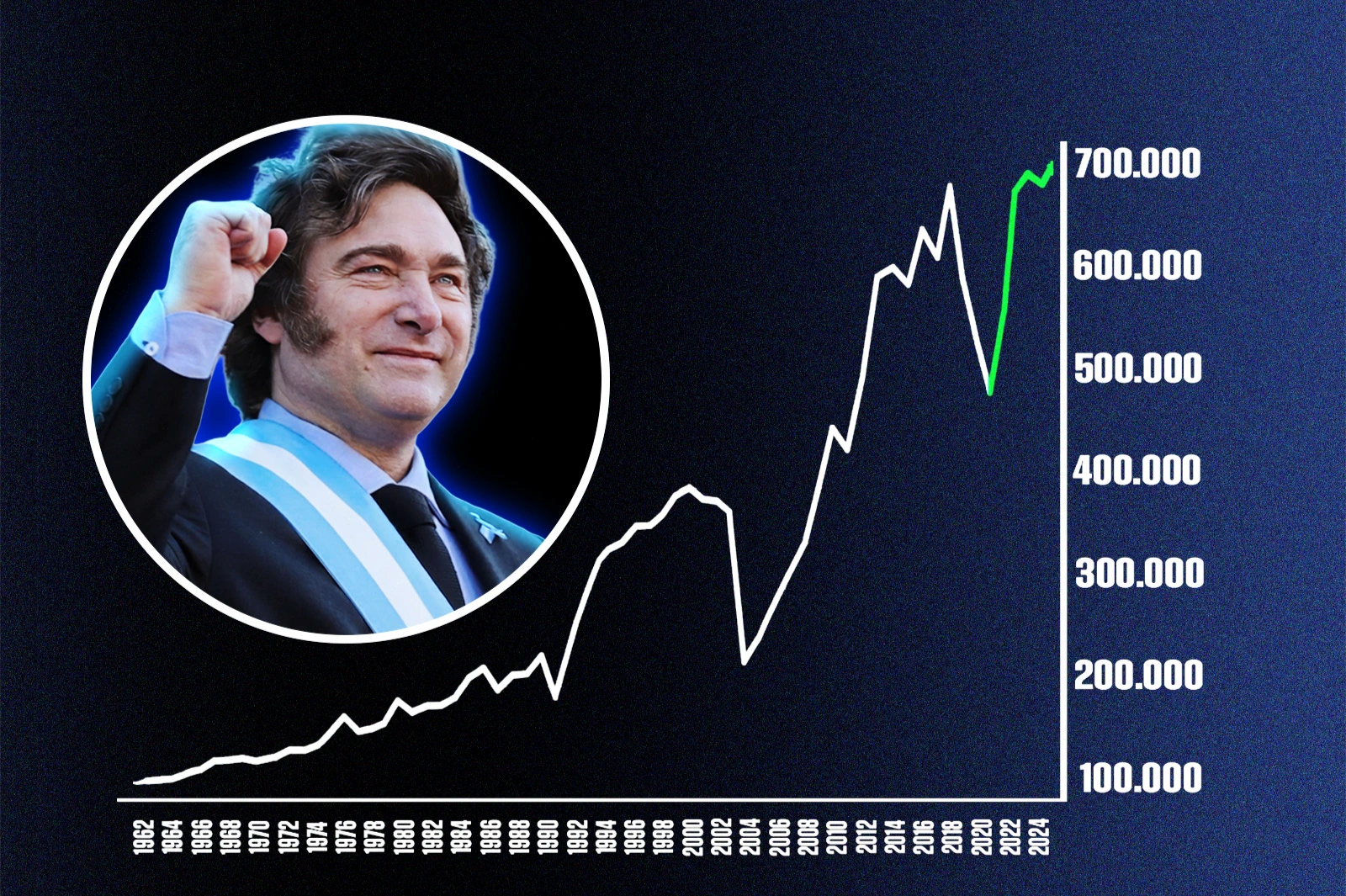










In addition, dynamism was concentrated in key productive sectors. Financial intermediation led with an increase of 24.7%, followed by mining and agriculture, which once again positioned themselves as pillars of the real economy. This change in the structure of growth reflects a reallocation of resources to more competitive and value-generating activities
.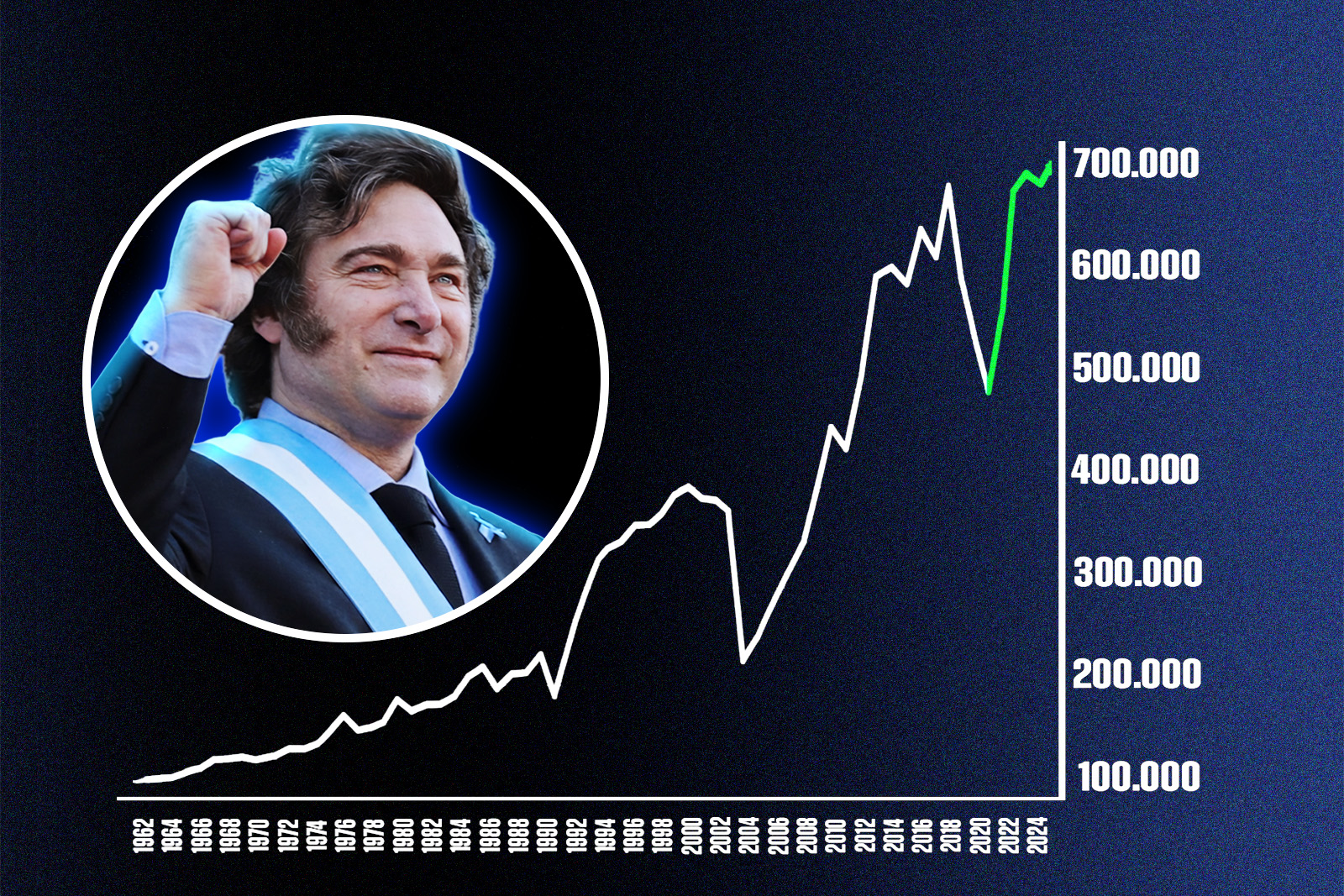
In quarterly terms, the economy maintained a positive trend towards the end of the year, with growth of 0.6% compared to the previous quarter in the seasonally adjusted series. This figure, far from being lower, indicates that the level of activity not only reached a historic peak, but that it did so on an upward trajectory, leaving a stronger base for 2026
.The record reached in 2025 marks the end of a period characterized by stagnation and volatility, and the beginning of a growth process based on investment, production and macroeconomic normalization. For the first time in years, the Argentine economy is not only growing, but it is breaking its own historic ceiling.