In a new attack on freedoms, Pedro Sánchez announced the prohibition of access to social networks for minors under 16 years of age
Compartir:
The Spanish President, Pedro Sánchez, announced on Tuesday a package of measures that will mark a drastic shift in the country's digital regulation. Among the most controversial decisions, the Executive will move forward with the ban on access to social networks for minors under 16. In addition, it will impose new legal and criminal liabilities on large technology platforms.
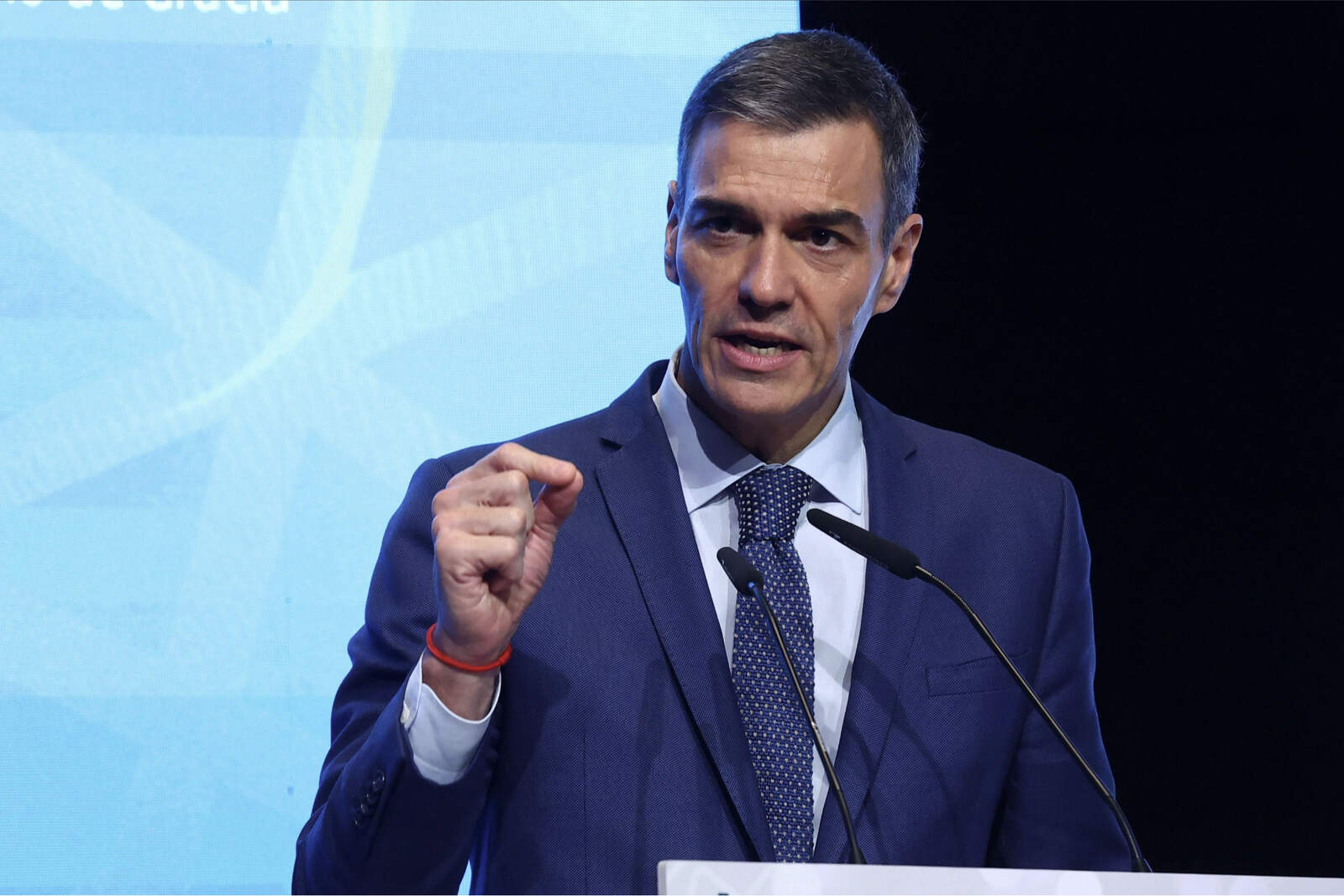
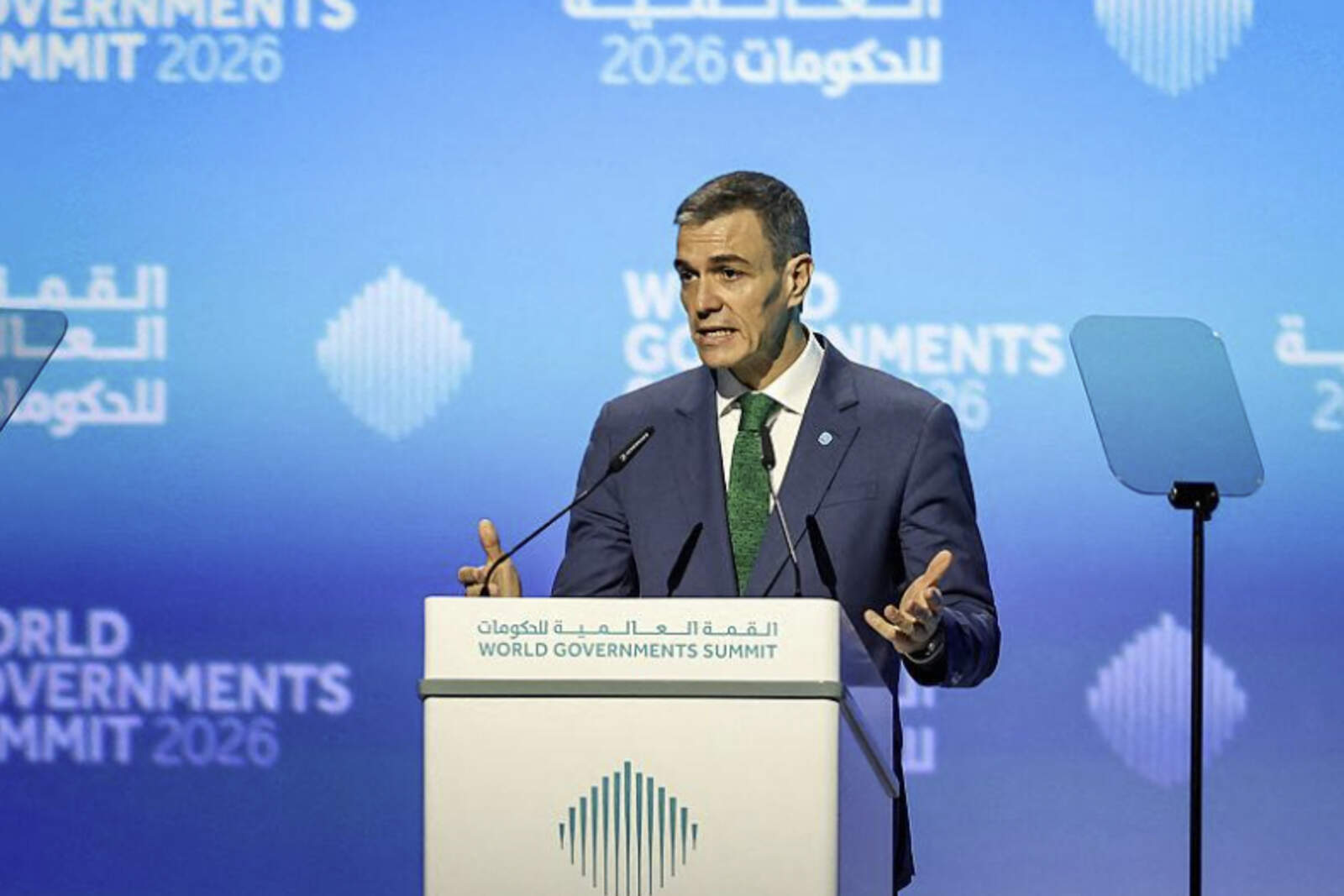
The announcement was made during Sánchez's speech at the World Governments Summit, in a plenary session that brought together heads of State and Government. There, the Spanish leader stated that "social networks have become a failed State", in which "laws are ignored and crimes are tolerated".
Pedro Sánchez durante su discurso en la Cumbre Mundial de Gobiernos en Dubái
Ban on social networks for minors
According to Sánchez himself, the ban will enter into force as of next week, when the Council of Ministers will approve the corresponding reforms. The measure will require digital platforms to implement "effective age verification systems", discarding the current mechanisms based on simple user declarations.
"Checkboxes will no longer be enough. There will be real barriers that work", the Head of the Executive emphasized. The stated objective is to prevent minors under 16 from accessing social networks such as TikTok, Instagram, or similar platforms.
Behind the slogan of imposing "real barriers that work", Pedro Sánchez's announcement omits a central question: what exactly those mechanisms would be and at what cost. In practice, there are no effective age verification systems that do not involve moving forward on sensitive personal data. This could include anything from the requirement of official documentation to biometric validation or cross-checking with state databases.
Under the pretext of protecting minors, the Spanish Government is opening the door to greater collection and centralization of private information, deepening state control over citizens' digital lives.
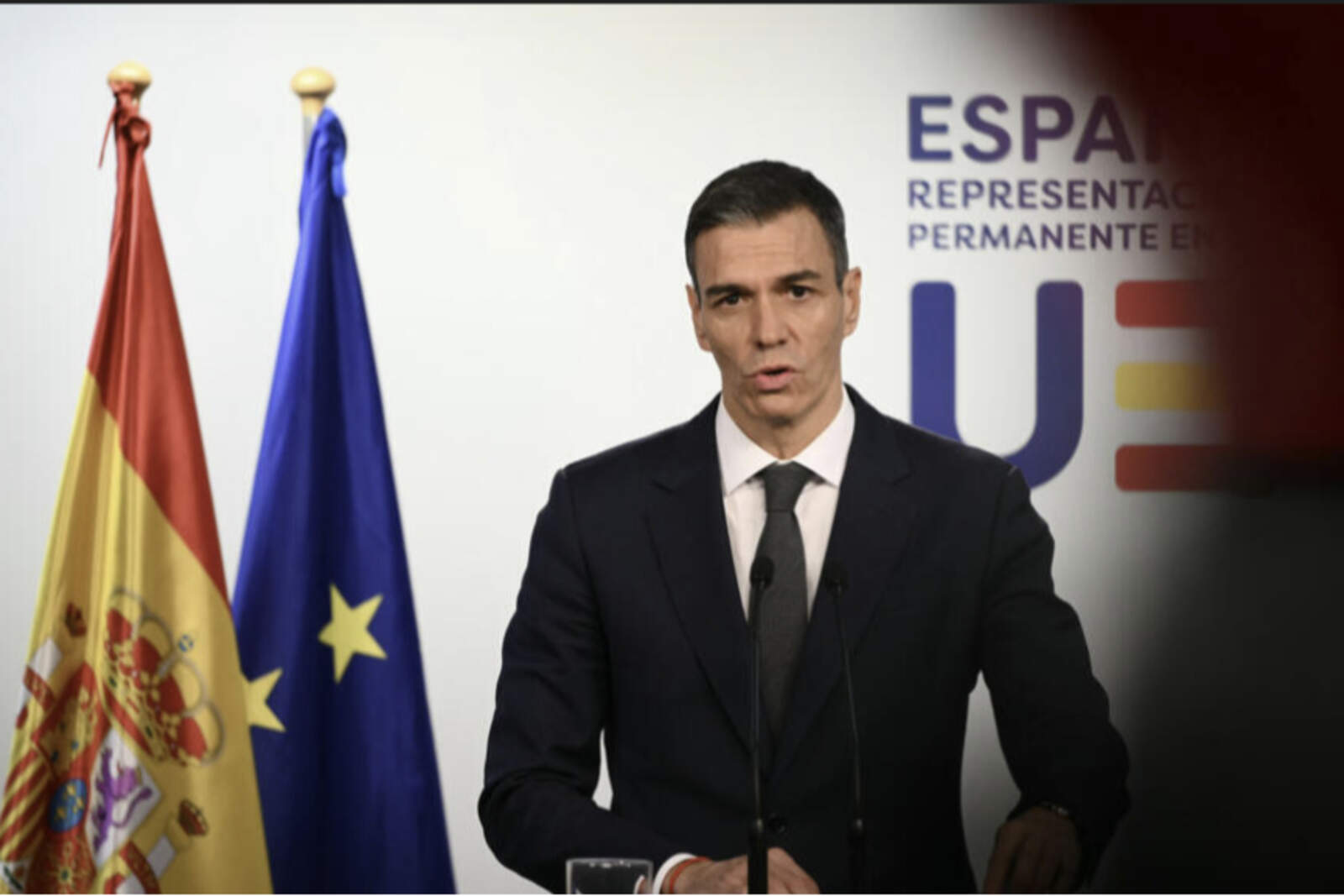
Sánchez durante su intervención en un foro internacional, donde anunció un endurecimiento de la regulación sobre redes sociales
In addition, experience shows that this type of ban doesn't prevent minors from accessing social networks, but instead pushes them to falsify their digital identity in order to circumvent controls. The result is not a safer environment, but a more opaque one with less real information.
The initiative is part of the bill on the protection of minors in digital environments, which is currently being processed in the Spanish Congress. This is aligned with similar "progressive" proposals that are beginning to be debated in other European countries such as France and Portugal.
Criminal liability and algorithmic control
The package announced also includes a deep change in the framework of legal liabilities. Sánchez confirmed that platform executives will be considered legally responsible for violations that occur on their networks when they do not remove illegal content or content considered "hate speech".
Meanwhile, the Spanish Government will move forward with the criminal classification of algorithmic manipulation and the deliberate amplification of illegal content, an unprecedented measure in the European sphere. According to the leader, these practices will no longer be able to rely on technological opacity or on the lack of specific regulation.
España avanza en penalizaciones para directivos de plataformas digitales
Likewise, the Executive will work together with the Prosecutor's Office to investigate possible violations committed by platforms such as Grok, TikTok, and Instagram. This way, the door will be opened to legal cases against global technology companies.
"Footprint of hate and polarization"
Another of the central announcements was the creation of a state system of tracking, quantification, and traceability, aimed at identifying what the Government called "footprint of hate and polarization". This tool will seek to measure how digital platforms supposedly amplify extreme discourse and contribute to social fragmentation.
Finally, Sánchez reported that Spain has joined the "Coalition of the Willing Digital". This coalition is made up of five European countries that are promoting stricter, more coordinated, and more agile regulation of large technology platforms.
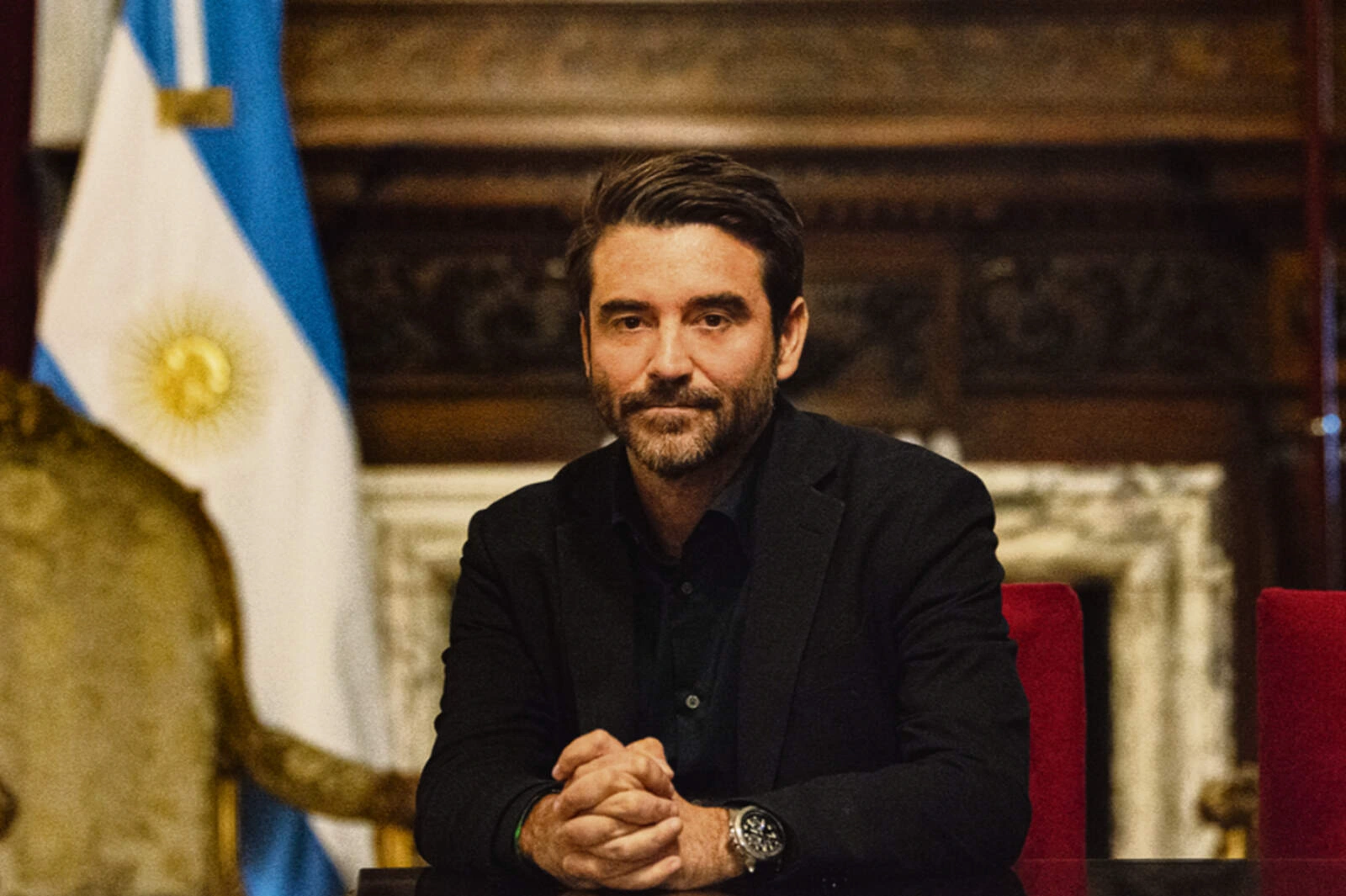
Líderes y funcionarios durante una cumbre internacional sobre gobernanza digita
The package of measures anticipates a significant advance of state control over the digital ecosystem. This way, a debate is being reopened about the boundaries between the protection of minors, corporate responsibility, and individual freedom in the online environment.