The Spanish president once again placed abortion at the center of the debate by announcing his intention to introduce it into the Constitution. The goal would be to "enshrine women's freedom to decide about their lives," in the words of the socialist leader. The proposal reignited strong criticism from the opposition, which denounced an ideological use of the Magna Carta for partisan purposes.
In his speech, Sánchez insisted that "there can't be any setbacks in rights that have been won" and linked the measure to the feminist agenda promoted by the Spanish Socialist Workers' Party (PSOE) since it came to power. The initiative presents enormous political challenges, since any constitutional reform in Spain requires reinforced majorities in both chambers, as well as a possible referendum.
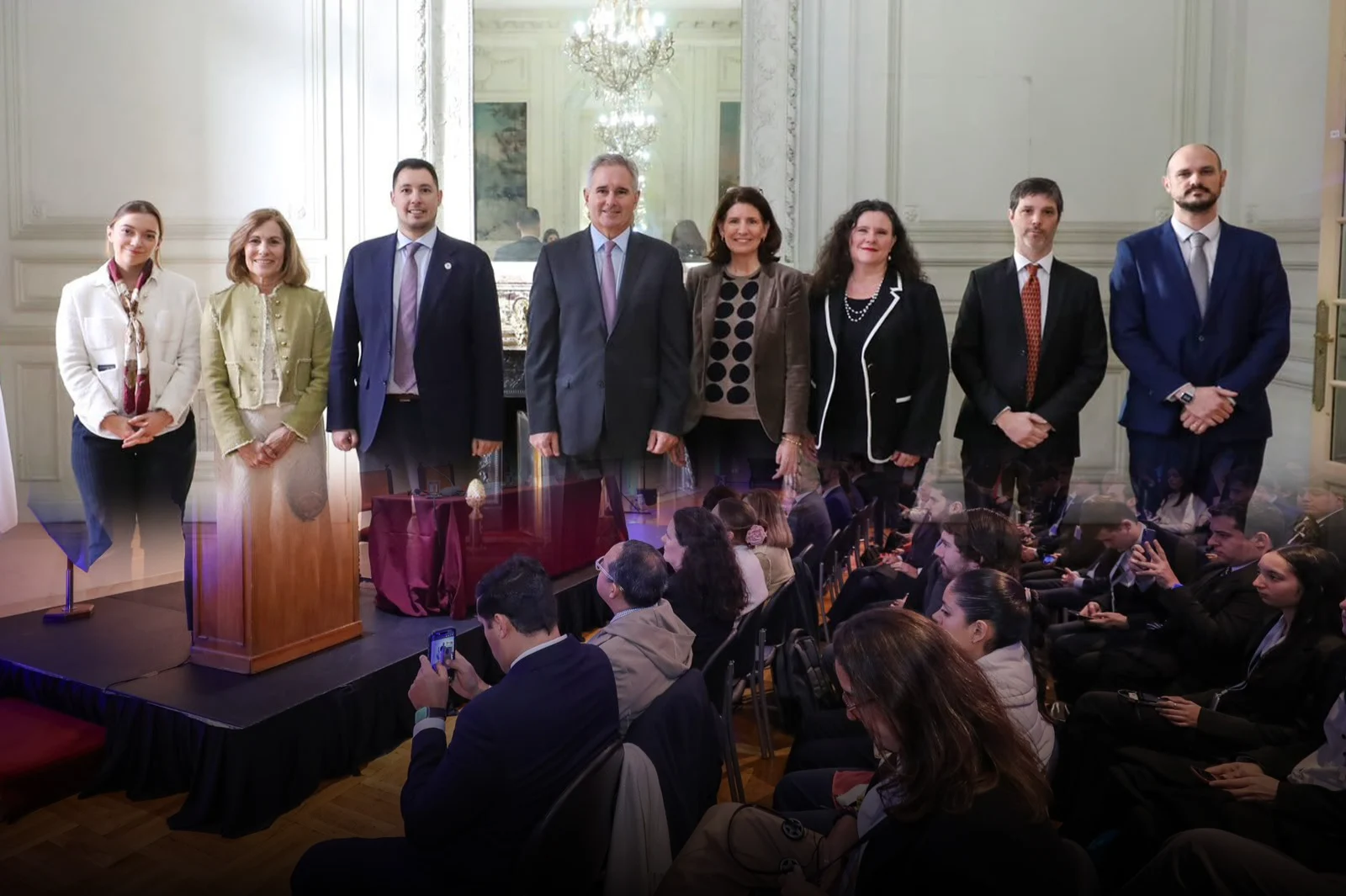
José Luis Martínez-Almeida, alcalde de Madrid.
Madrid City Council approved on Wednesday a proposal initiated by Vox to inform mothers before having an abortion about post-abortion syndrome. Health authorities have the responsibility to inform those undergoing procedures about the psychological consequences it brings to their lives. The president and the left were scandalized by this and reacted accordingly.
The proposal arises in a context of political wear for the Executive, which is experiencing a crisis of confidence and seeks to set the agenda on sensitive issues to mobilize its electorate. Progressive sectors celebrated the announcement, but from the opposition and various social leaders, there are questions about the Government using the Constitution as an instrument of ideological propaganda.
Spaces such as the People's Party (PP) and Vox warned that this is an attempt to force a nonexistent consensus in Spanish society and recalled that the 1978 Constitution was conceived as a framework for common coexistence, not as a cultural battleground. Meanwhile, jurists and constitutionalists point out that introducing such a controversial issue could open the door to a political use of the Magna Carta for circumstantial purposes.
Abortion in Spain has been regulated since 2010 by a law that allows voluntary termination of pregnancy up to 14 weeks (3.3 months), extendable in specific cases. Although PSOE now defends raising that legal framework to constitutional status, the measure would shield the practice and make any future debate about its limits or regulations more difficult.
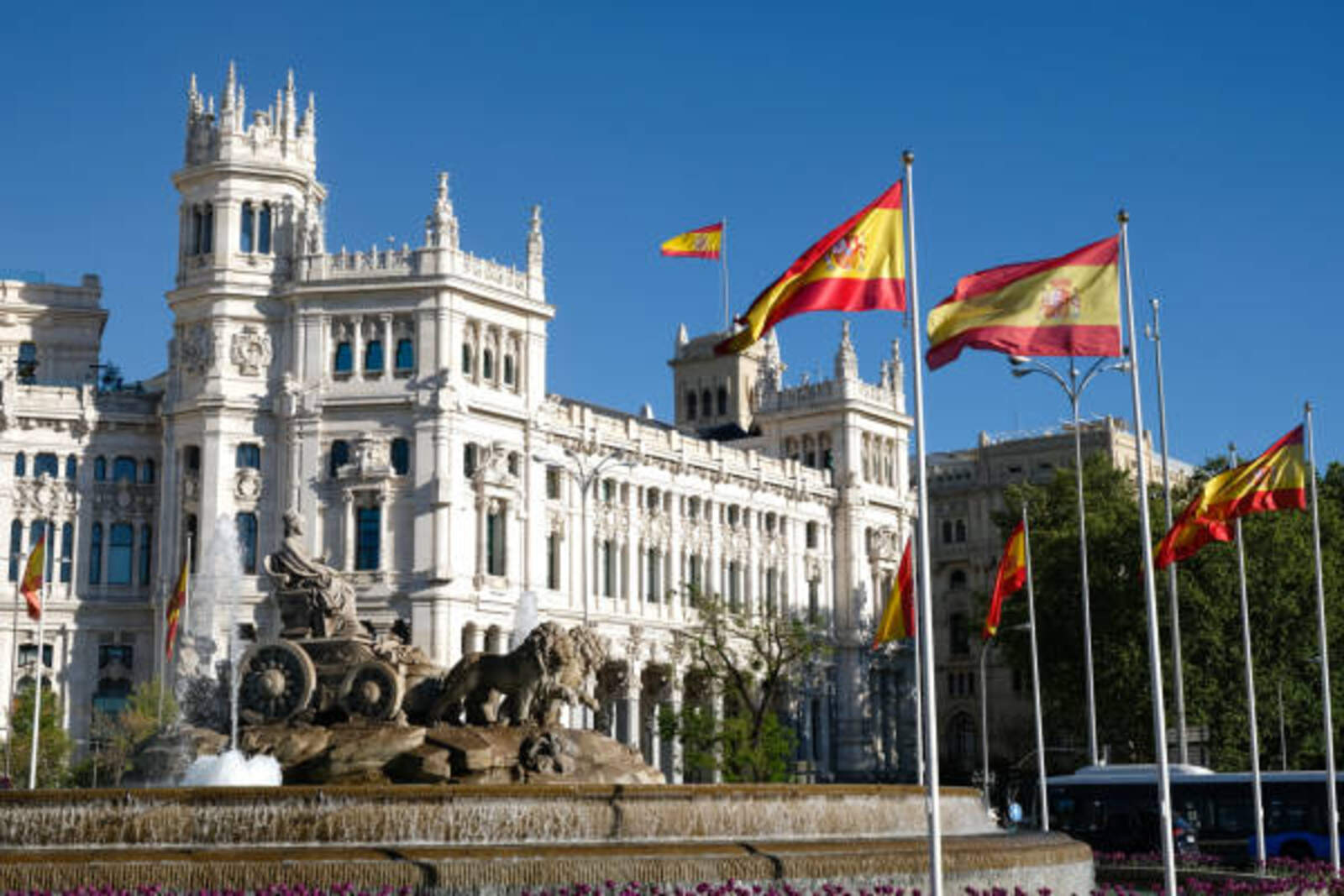
Banderas españolas flameando en Madrid.
Beyond its legislative viability, the proposal once again shows the strategy of Spanish socialism: polarize, shift public discussion toward identity causes, and present itself as the guarantor of supposed "rights" in the face of a demonized right. The result is an increasingly fractured country, where constitutional consensus is diluted in favor of short-term ideological agendas.