This Friday, October 10, the Congress of Peru approved the removal of PresidentDina Boluartefor "permanent moral incapacity". In a nighttime session, 124 legislators voted in favor of a motion of vacancy, far surpassing the required minimum.
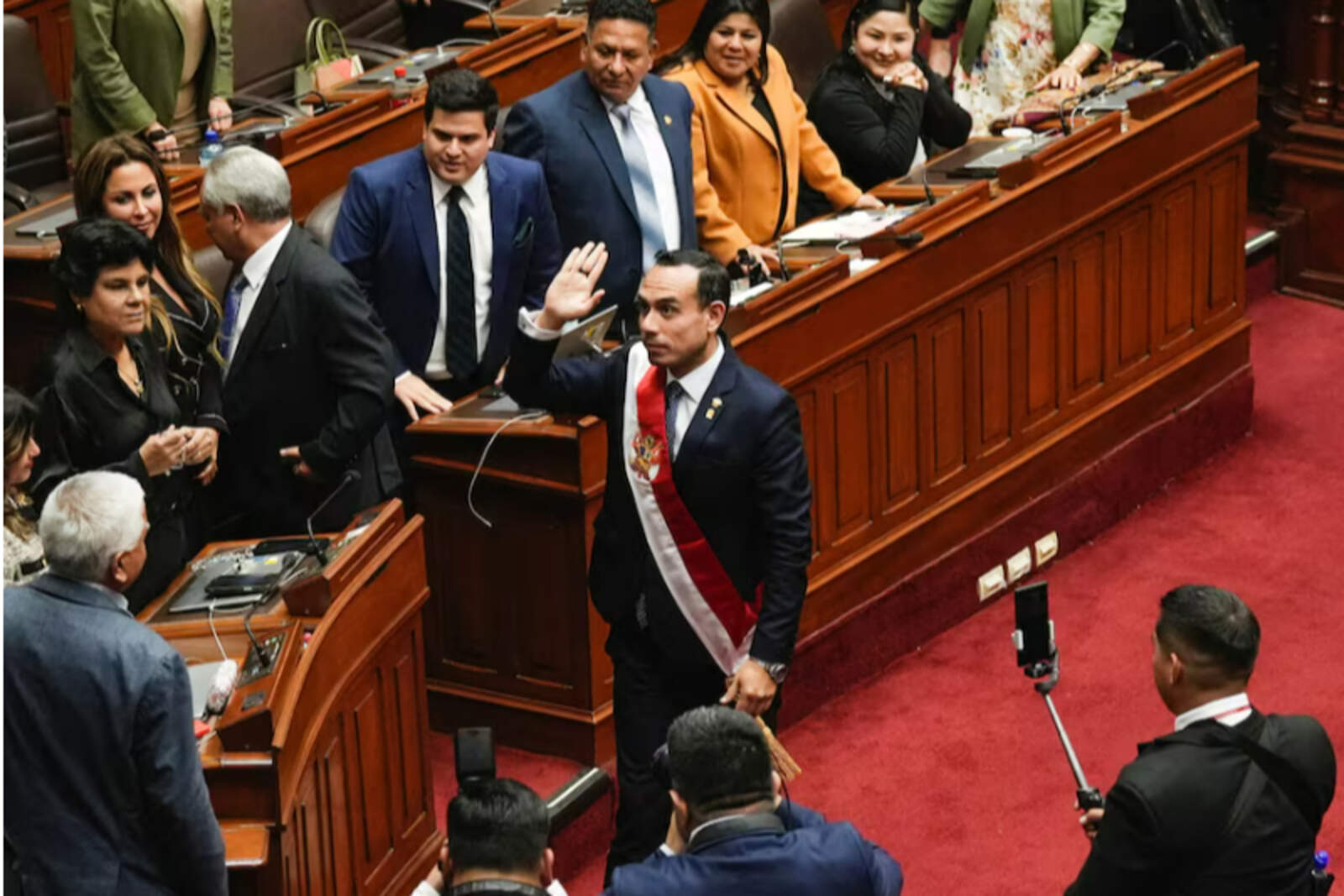
El nuevo presidente del Perú, José Jerí, saluda el día de su juramentación.
As a result, José Enrique Jerí Oré, president of Congress, was sworn in that same night as interim president to serve until the elections scheduled for April 2026.
Boluarte did not attend the Congress Plenary nor did she present any personal defense during the session that approved her removal. Her lawyer, Juan Carlos Portugal, stated that they did not attend because they believe the legislative body violated due process. "Today, the national parliament, that democratic forum for debate par excellence, renounced this guarantee and will consummate its violation. Due process is a right, not an illusion, a decorative act, or mere formality. We won't validate it!" he said.
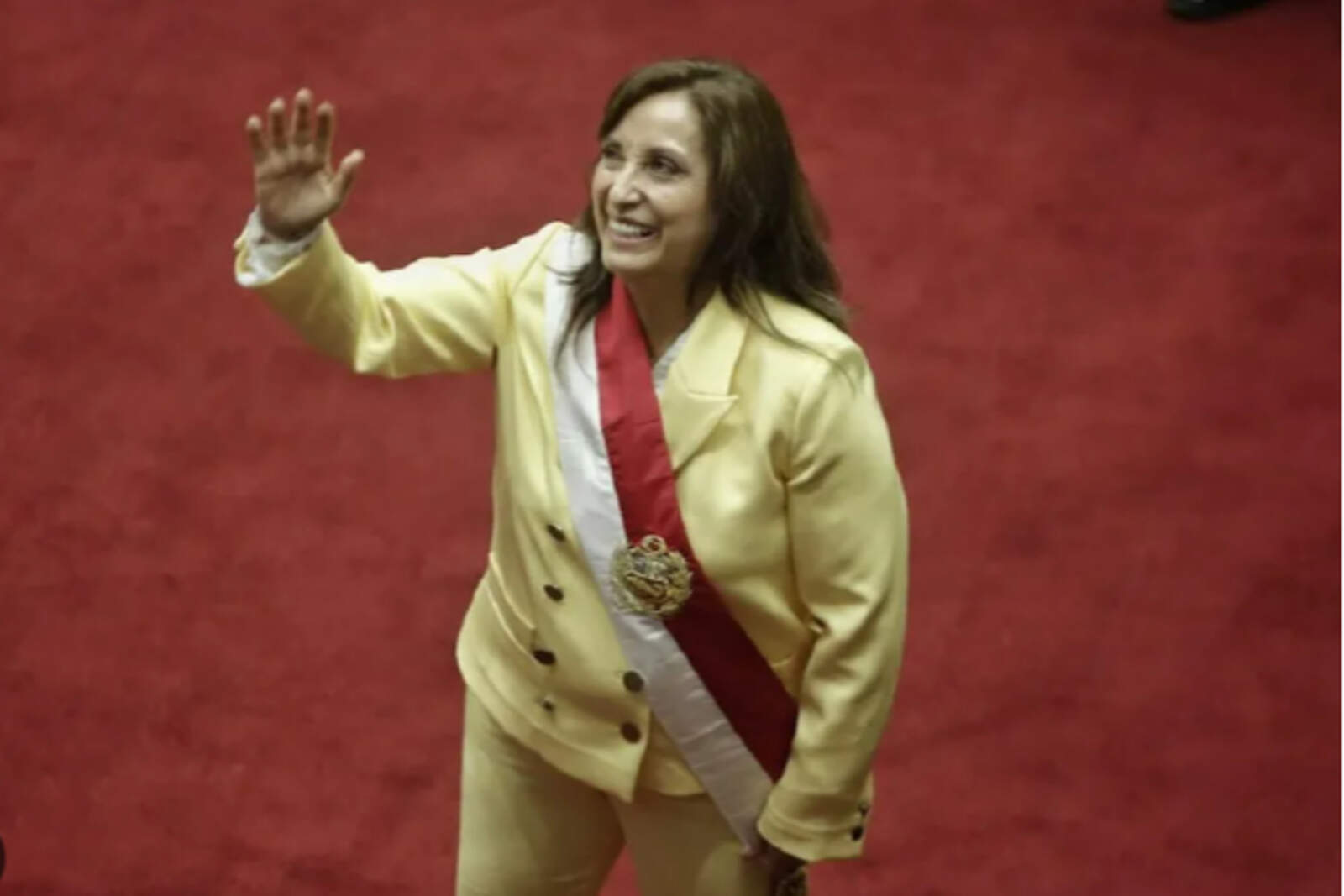
Dina Boluarte, ex presidente de Perú.
After the vacancy, the former president delivered a message from the Government Palace, in which she highlighted her legacy and defended her administration. She then said: "At all times, I called for unity, for working together, for fighting for our country. In this context, I haven't thought about myself but about the more than 34 million Peruvian men and women." Her speech was interrupted by the signal cut on local channels when Jerí was being sworn in as the new president.
Accumulated crisis: mass protests, disapproval, and parliamentary fracture
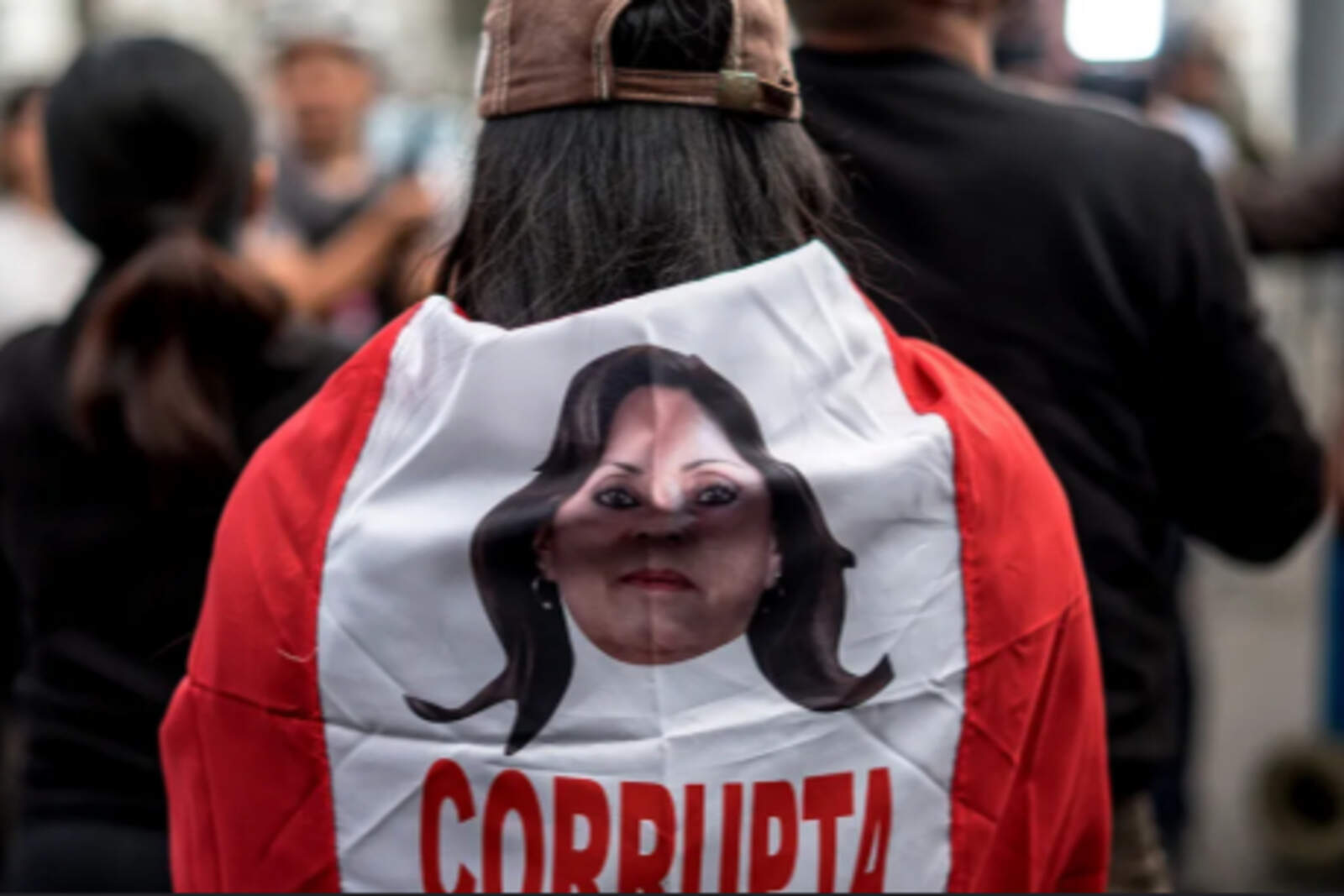
The removal was not an isolated event, but rather the accumulated consequence of a deep political, social, and governance crisis. Peru experienced weeks of mobilizations in several regions, with populations demanding the end of Boluarte's term.
The numbers speak for themselves: a Datum International poll indicates that her disapproval rate is 93%. Added to this are the criticisms from citizens and protests over the country's security situation. The triggering episode occurred a few hours after a shooting at a concert in Lima —cumbia group Agua Marina— that left several injured and fueled outrage over the wave of crimes shaking the country.
Protestas masivas contra la entonces presidente, Dina Boluarte.
Congress, traditionally fragmented, no longer offered her support. Caucuses such as Fuerza Popular and Renovación Popular —which had once made pacts with her Executive— joined the vacancy. The breakdown of those alliances was key: by losing support, Boluarte was left isolated in the Legislature.
This problem has a long history in Peru, which has experienced a sequence of presidential crises in recent years. In just a few institutional terms, several presidents have already been removed, resigned, or failed to complete their term.
Who is Dina Boluarte?
Dina Ercilia Boluarte Zegarra was born on May 31, 1962, in Chalhuanca, Apurímac region, Peru. Her rural origins allowed her to connect with indigenous and leftist sectors.
She was elected as vice president on Pedro Castillo's ticket (2021) and also held the position of Minister of Development and Social Inclusion until the end of 2022. When Castillo attempted to dissolve Congress, he was removed and Boluarte assumed the presidency by constitutional succession.
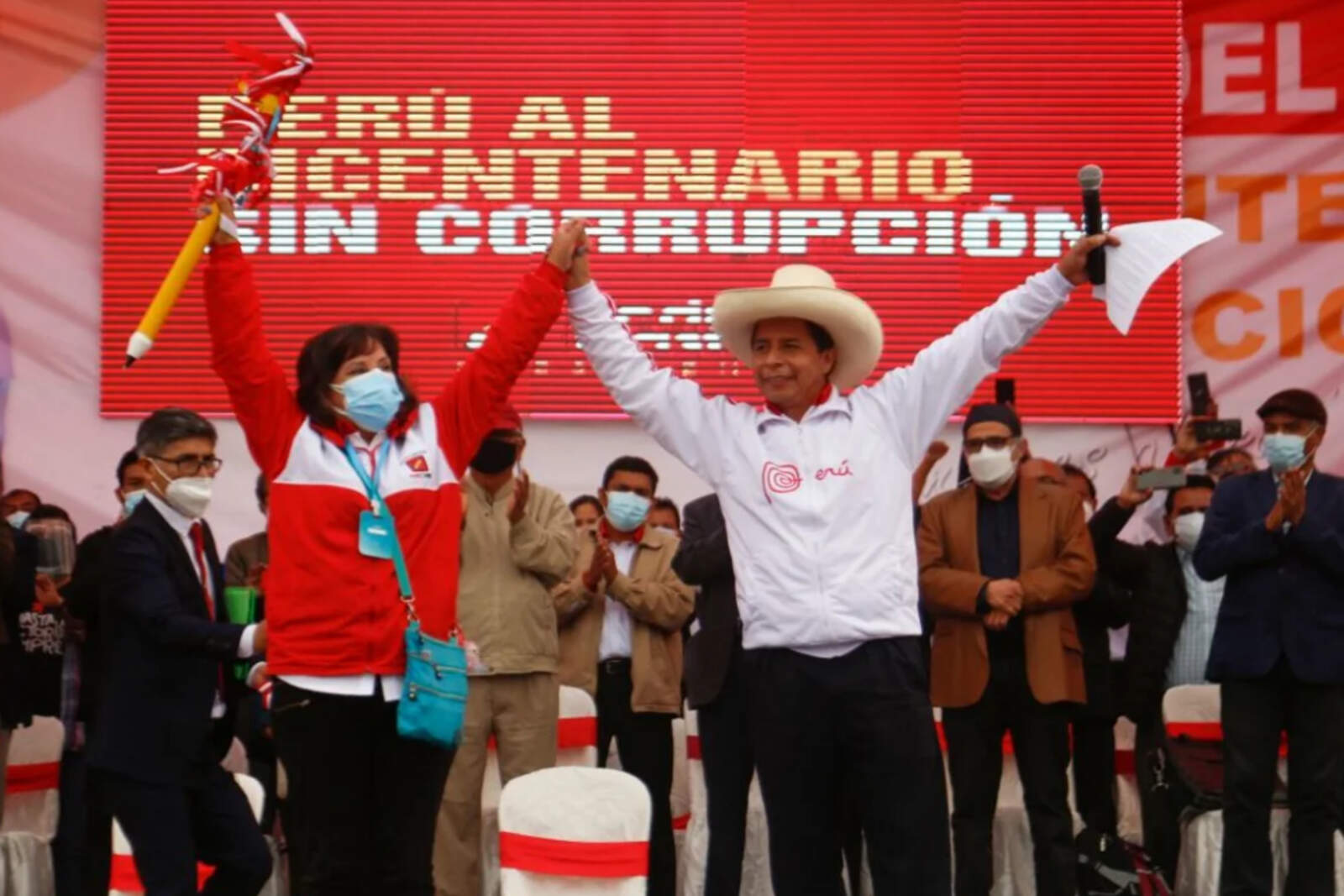
El entonces candidato presidencial por Perú Libre, Pedro Castillo, y su vicepresidenta, Dina Boluarte, en 2021.
Until that moment, she had been a member of the Perú Libre party, with Marxist-Leninist leanings, from which she was expelled in 2022.
During her presidential administration, she faced mass protests, criticism for repression, and multiple constitutional complaints. She was also implicated in the "Rolexgate" scandal, for illicit enrichment with undeclared watches.
Insecurity, corruption, and the collapse of the Boluarte project
The most notable failure of her term was the inability to contain the crime wave. In the first eight months of 2025, more than 6,000 homicides were reported, a record for that period in recent years. Meanwhile, reports of extortion increased by more than 20%.
The Rolexgate scandal and accusations of illicit enrichment further undermined her credibility. She attempted to rebuild her political base by seeking alliances with conservative parties, but those negotiations collapsed amid the governance crisis and social pressure.
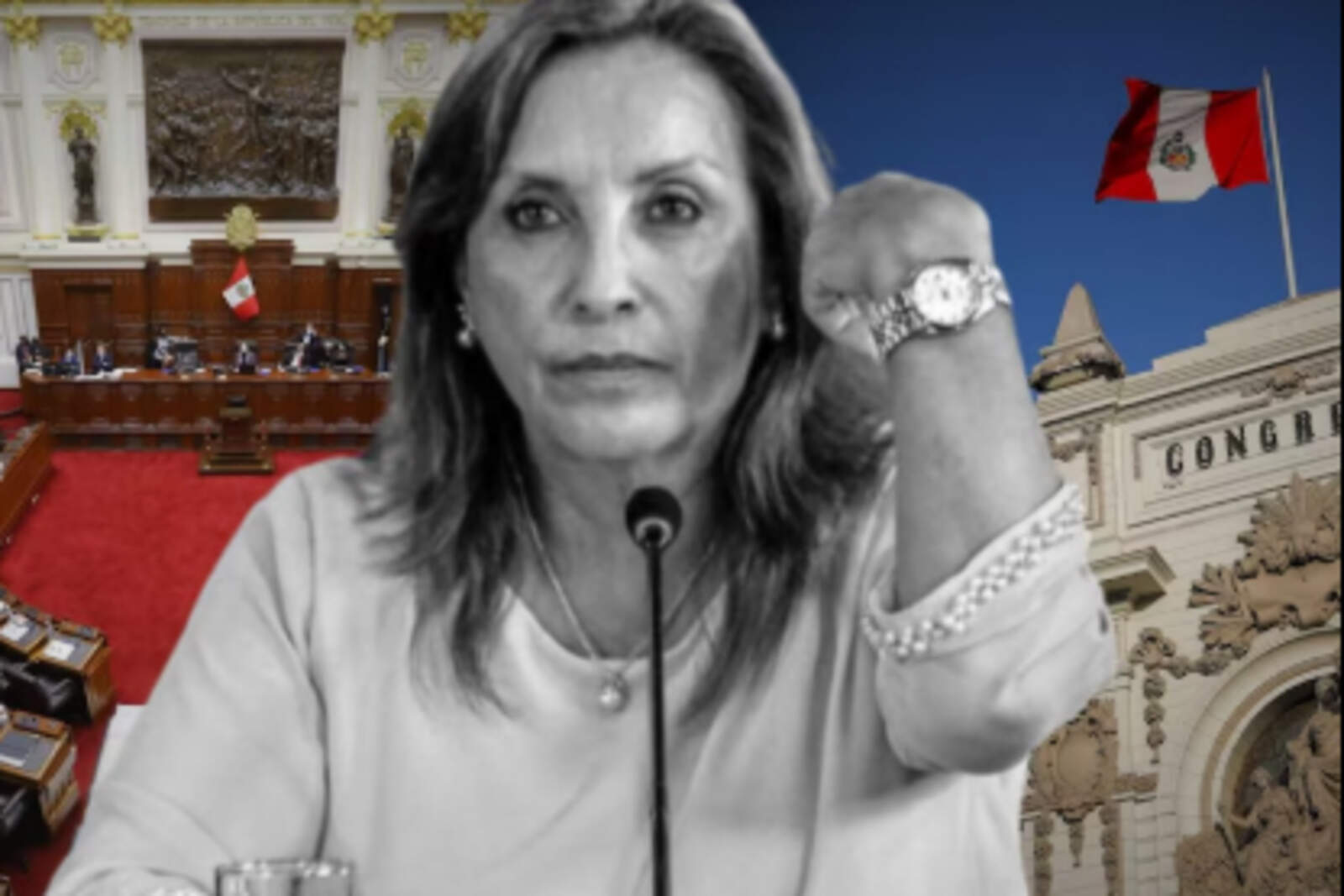
El “Rolexgate” fue un escándalo de corrupción que involucró a Dina Boluarte a comienzos de 2024, cuando la prensa reveló que poseía y usaba varios relojes de lujo.
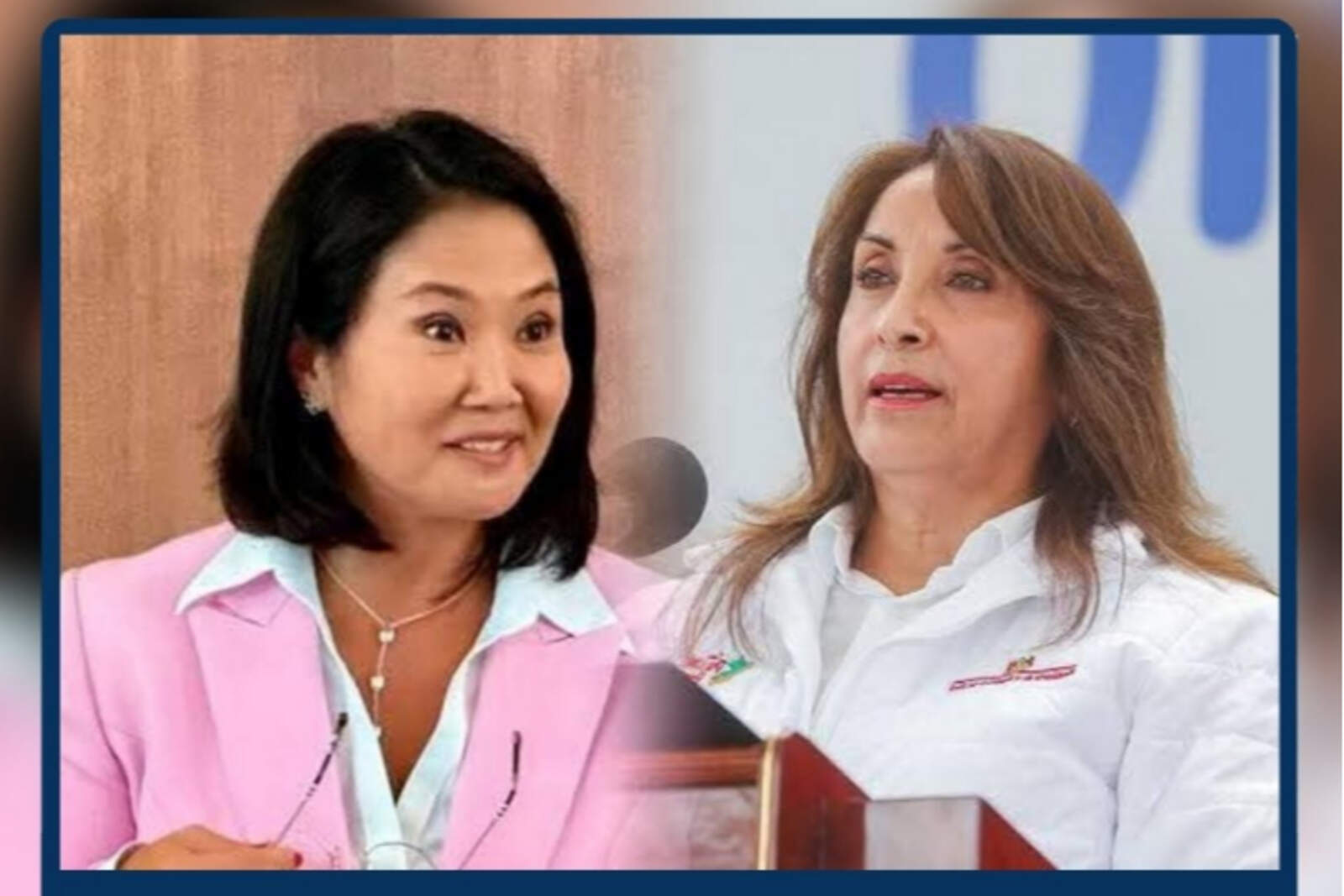
The leader of Fuerza Popular, Keiko Fujimori, distanced herself and rejected any political connection with the former president. "They say I'm to blame for Dina. First of all, Dina wasn't on my ticket, she was on Pedro Castillo's. It seems some people have a bad memory," she said ironically.
Fujimori recalled that Boluarte assumed the presidency by constitutional mandate after Castillo's failed coup in December 2022, and categorically denied having participated in an alleged "shadow government". The statement reinforces the idea that, despite Boluarte's attempts to approach Fujimorismo sectors during her administration, that relationship was never organic or political, but purely circumstantial in the face of the crisis.
In the end, her "pragmatic center" project did not withstand the Peruvian political fracture and social discontent. Today, the vacancy marks an institutional restart for Peru.