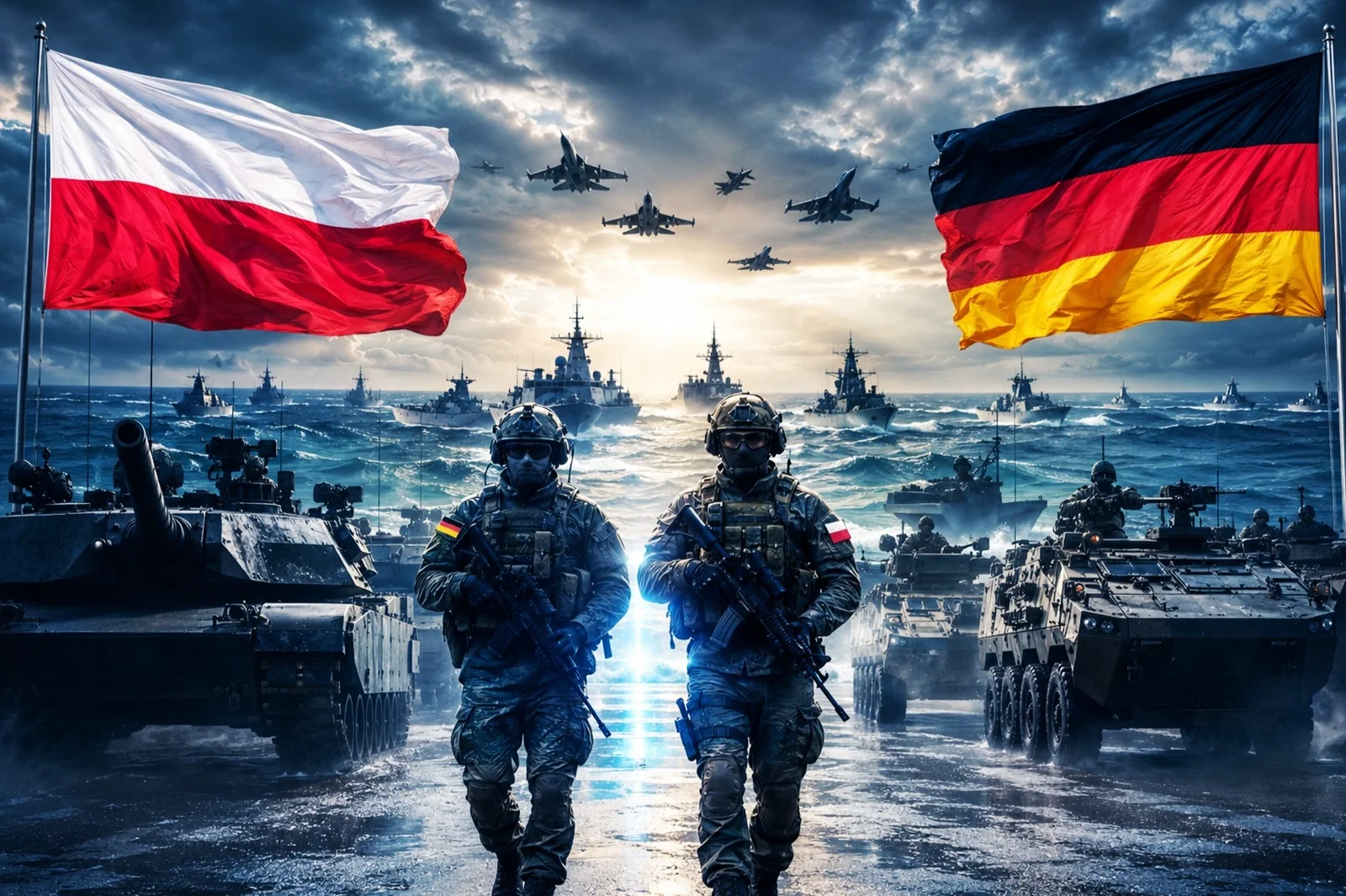
Warsaw and Berlin deepened their cooperation on security in response to the increasing Russian military activity in the region. The agreement aims to improve operational coordination and strengthen NATO's eastern flank
Germany, for its part, continues to deepen the shift in its defense policy initiated after the Russian invasion of Ukraine. Berlin has significantly increased its military spending and has taken a more active role in European security, especially in Central and Eastern Europe.
The cooperation also reflects the growing military integration among European countries in the face of an increasingly complex security environment. The governments of Warsaw and Berlin believe that closer coordination will allow for quicker responses to potential crises and strengthen NATO's deterrent capacity in the region.
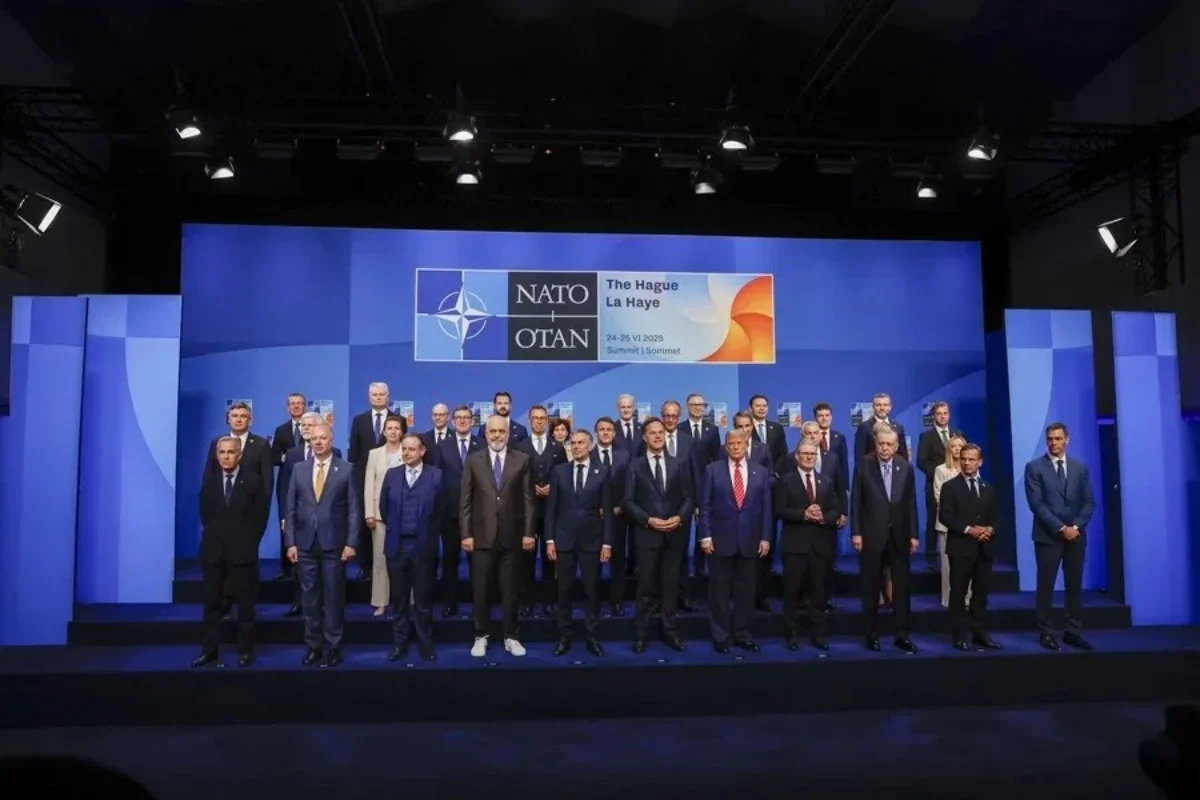
The NATO countries committee
The alliance is particularly important because it unites two of the main military powers of continental Europe in an area considered key to the stability of the continent. The agreement also sends a political signal of Western unity in the face of the security challenges posed by the war in Ukraine.
With this initiative, Poland and Germany seek to consolidate a more coordinated defense system in the Baltic Sea, reinforcing regional security and strengthening cooperation among allies at a time of heightened geopolitical tension in Europe.
Poland and Germany announced a new military alliance aimed at more closely coordinating the defense of theBaltic Sea, one of the most sensitive strategic regions in Europe since the onset of the war between Russia and Ukraine.
The agreement includes greater cooperation between the armed forces of both countries, including joint planning, information sharing, operational coordination, and strengthening defensive capabilities in the Baltic area. The initiative seeks to improve the response capacity to potential threats to regional security and reinforce the protection of critical infrastructure.
The German Prime Minister Friedrich Merz
Authorities from both countries emphasized that the Baltic Sea has become an area of growing strategic importance due to increased tensions with Russia. The Russian military presence in the region and various incidents related to underwater cables, maritime routes, and energy infrastructure have led NATO members to increase surveillance and cooperation in defense matters.
For Poland, one of the staunchest supporters of Ukraine, the agreement represents an additional step in its military strengthening strategy. Warsaw has promoted a significant modernization program for its armed forces in recent years and has called for a greater allied presence on NATO's eastern flank.