
There is a persistent error in public life. It is believed that crises can be avoided with better intentions. It is expected that the next minister will be more honest, that the next president will resist temptation, and that the next central bank board will “do things right.” Societies that ruin themselves do not usually do so due to a lack of warnings. They do it because they leave in someone else's hands the power to break the most fundamental rule of economic coexistence: do not print money to cover expenses.
This rule cannot be upheld with speeches. It is upheld with prohibitions. When an institution can finance the Treasury, sooner or later it will do so. Not because all its officials are corrupt, but because politics rewards immediate relief and punishes deferred costs. Issuing money offers a visible benefit today and a diffuse harm tomorrow. This asymmetry explains why Argentine inflation was not a climatic accident. It was the predictable result of a design.
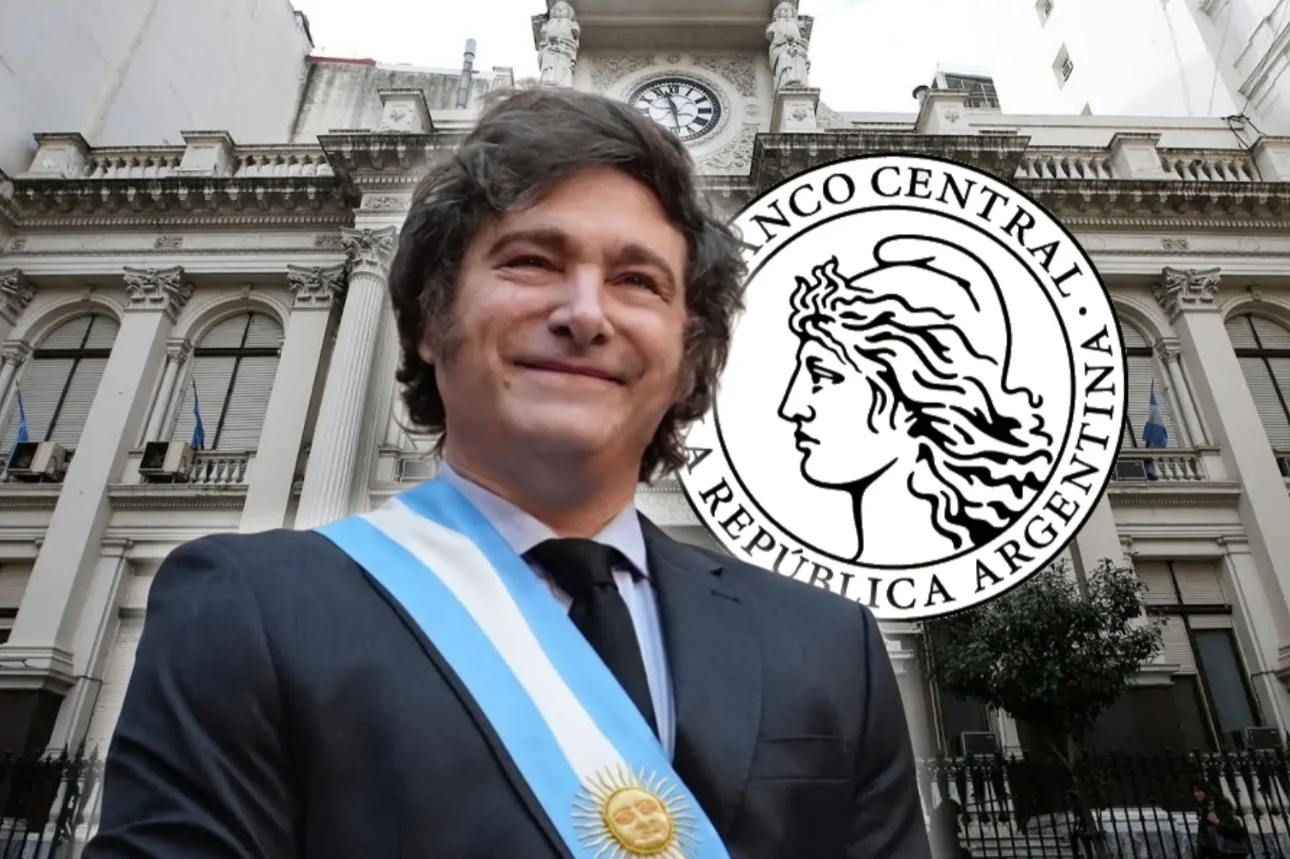
Deputies gave half approval to the reform of the BCRA's Organic Charter. The text still needs to pass through the Senate, and until then, the current legal regime does not change. But the core of the initiative is clear. The Central Bank ceases to have a multiple mandate inherited from 2012 and regains a primary mission: to preserve the value of the currency. At the same time, it is stripped of the power to lend to the State, to advance funds, and to purchase public debt in the primary market.
There lies the thesis. A stable currency does not arise from the virtue of those in power. It arises from the legal impossibility of using it as a cash box. As long as the BCRA can cover the deficit with paper, fiscal discipline will be a desire and not an obligation. The Government stated this with an eloquent number. Under the current scheme, temporary advances would have allowed transferring to the Treasury an amount equivalent to more than eighty percent of the monetary base. That is not a technical tool. It is an open door.









