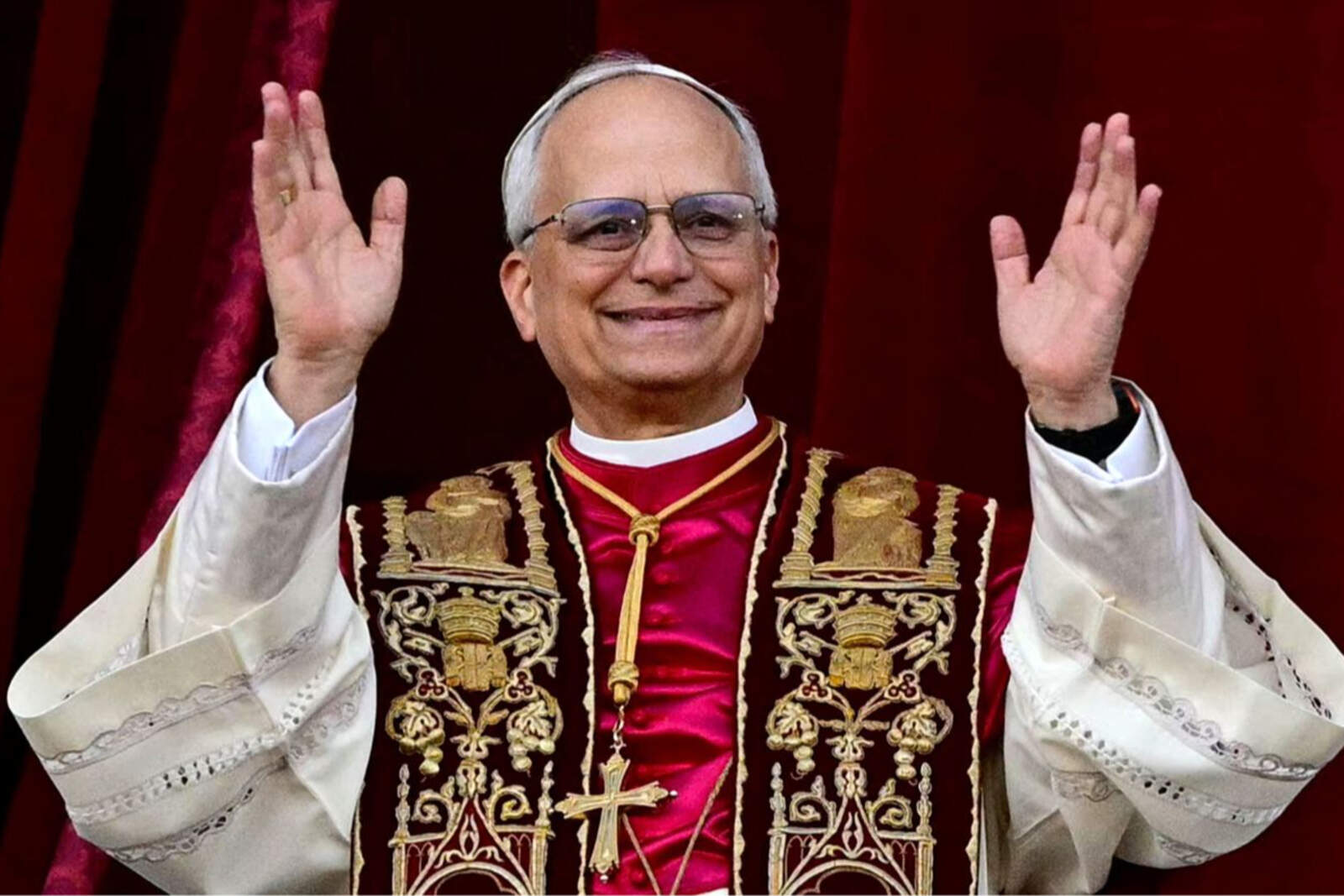
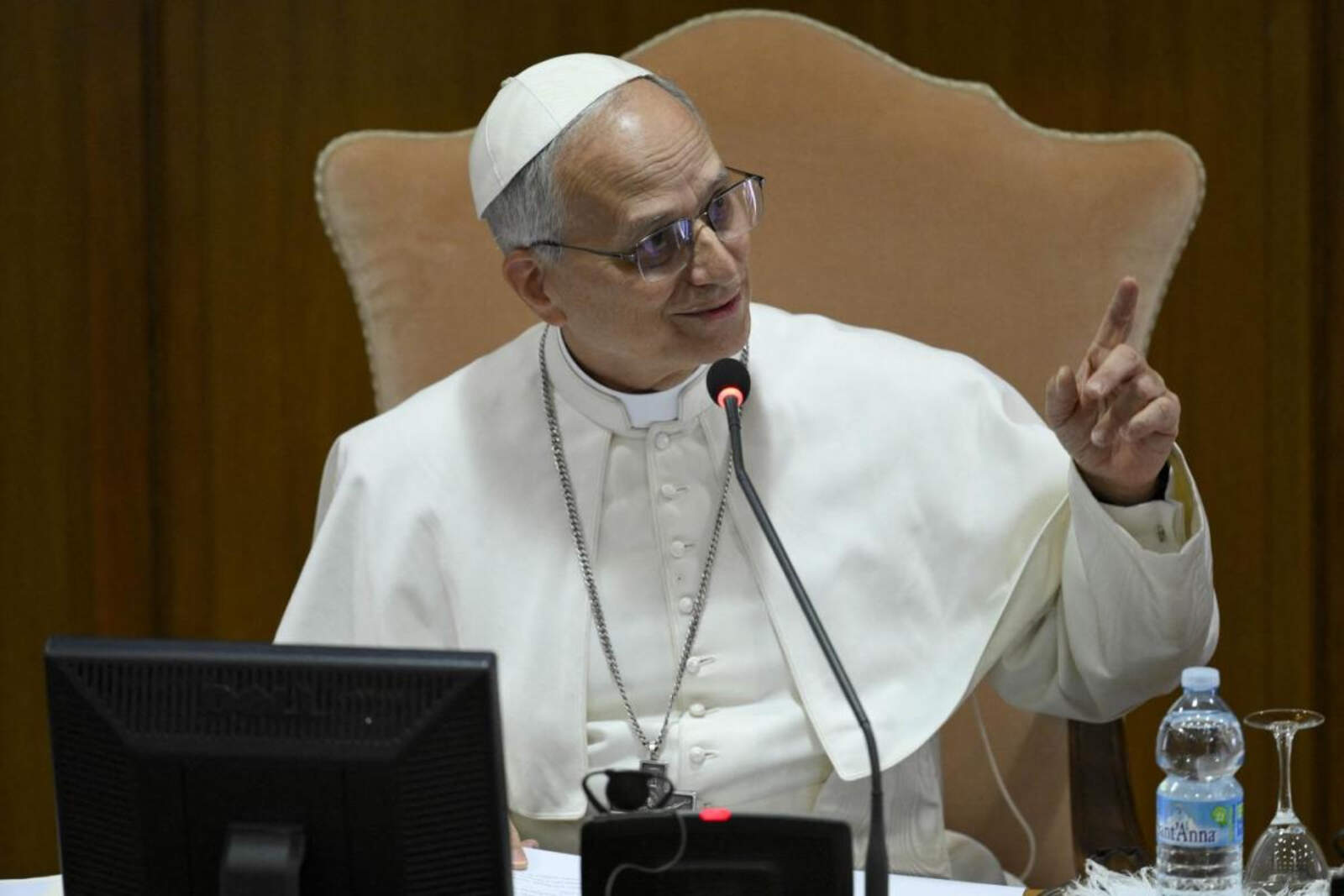
"Many brothers and sisters, even today, because of their testimony of faith in difficult situations and hostile contexts, bear the same cross of the Lord. Just like Him, they are persecuted, condemned, killed", the pope stated in his homily.
El papa León XIV denunció la persecución contra los cristianos en el mundo.
The event, which coincided with the Feast of the Exaltation of the Cross and the pontiff's 70th birthday, resumed the "commemoration of the martyrs and witnesses of the faith" held in the year 2000 by John Paul II.
Representatives of Eastern Catholic churches and non-Catholic Christian communities, such as Orthodox, Lutherans, Anglicans, and Protestants, participated in the ceremony, reflecting the ecumenical dimension of the issue.
Leo XIV, the first American pontiff and of Augustinian origin, began his message by remembering "all those who in these 25 years have shed their blood for their fidelity to Christ", and specifically mentioned emblematic figures such as Salvadoran archbishop Óscar Arnulfo Romero, murdered in 1980 during a mass; the religious sister Dorothy Stang, associated with the defense of landless peasants in the Amazon; and the Iraqi priest Ragheed Ganni, executed byIslamic State after refusing to close his church.
"There would be many examples because unfortunately, despite the end of the great dictatorships of the 20th century, the persecution of Christians has not yet ended. In fact, in some parts of the world it has increased", the pontiff emphasized.
Inició su mensaje recordando a “todos aquellos que en estos 25 años han derramado su sangre por su fidelidad a Cristo”.
The commemoration took place at Saint Paul Outside the Walls, the site where the tomb of the apostle Paul is located, martyred during the Roman Empire, which highlighted the historical continuity of the violence inflictedagainst Christians from the earliest centuries to the present day.
The pope, who worked for years as a missionary in Peru, described the victims of these persecutions as "women and men, religious sisters and brothers, laypeople and priests, who pay with their lives for their fidelity to the Gospel, their commitment to justice, the struggle for religious freedom where it is still violated, and their solidarity with the poorest".
With his message, Leo XIV once again brought the issue of religious freedom and the need to guarantee it in contexts where Christians face limitations, harassment, or direct violence to the international agenda, highlighting that these situations persist even under governments that formally present themselves as democratic.