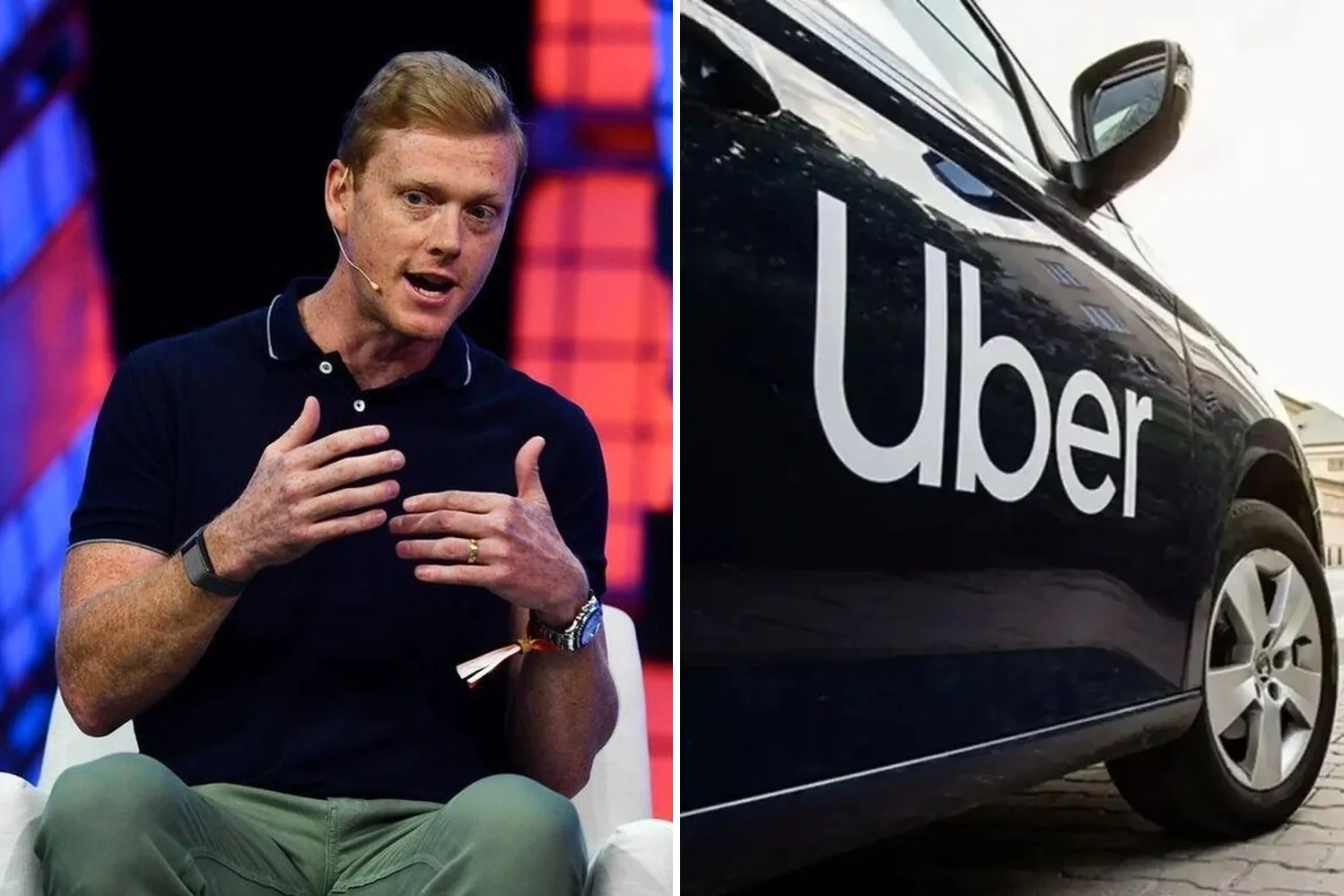
Andrew Macdonald acknowledged that there is no clear connection between the increased use of artificial intelligence and the delivery of useful features for users, despite the company's heavy spending.
Uber is starting to question the return on its heavy investments in artificial intelligence. After exhausting its annual AI budget in just four months of 2026, the company is wondering if it is really getting concrete benefits from these million-dollar expenses.
In an interview with Rapid Response, Uber's president and chief operating officer, Andrew Macdonald, admitted that they do not find a direct relationship between the increase in token consumption for tools like Claude Code and the creation of more useful features for users.
“That connection is still not there, you see? It may be that implicitly more things are being launched, but it is very difficult to draw a line between one of those metrics and say ‘now we are producing 25 percent more useful features for the consumer’,” Macdonald noted.
The challenge of measuring real impact
The executive acknowledged that while some technical indicators show astronomical growth, it is complicated to justify the spending when it does not clearly translate into visible improvements for customers. “I think in the coming quarters and years it may become clearer, but today it is difficult,” he added.
In 2025, Uber allocated $3.4 billion to research and development efforts, a 9 percent increase from the previous year. This increase is largely explained by bets on AI, although tangible results still raise internal doubts.
Last month, CEO Dara Khosrowshahi mentioned that the company was offsetting these investments by hiring fewer human employees. Macdonald elaborated on that idea and suggested that it will be necessary to compare token consumption and its costs against the number of employees.
“If a direct line cannot be drawn with how many useful features and functionalities are being sent to users, that trade-off becomes harder to justify,” he explained.
Concerns in the tech sector
This positioning by Uber marks a turning point in the widespread enthusiasm for AI seen in recent years. Many companies in the sector invested heavily expecting quick gains in productivity, but executives are beginning to demand more concrete evidence.
Macdonald emphasized that while the technology shows impressive advances in internal metrics, the translation to real value for the business and its users is still not as evident as expected.
The company, which operates in dozens of countries and generates billions in revenue, is now looking to balance its innovation strategy with a more pragmatic view of costs. This internal debate could influence how other major tech companies approach their AI budgets in the near future.
For now, Uber will continue to invest in artificial intelligence, but with a more critical and demanding perspective on the results it truly generates for its daily operations and the experience of its users.