
The Chinese regime has once again intervened in its economy. This time, it set maximum fuel prices to contain the impact of the rise in oil, driven by the war in the Middle East
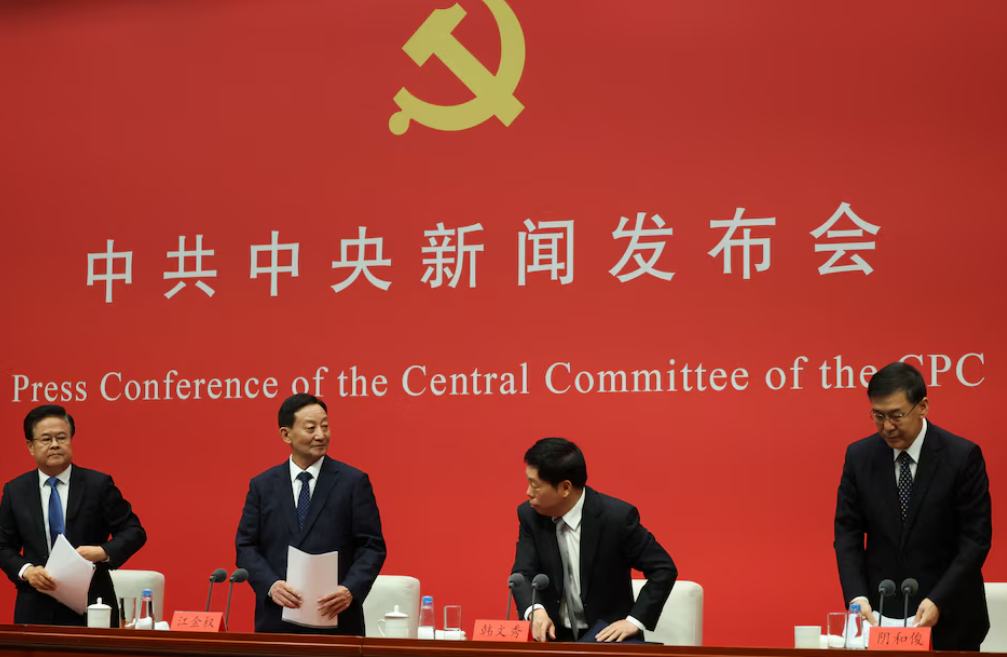
.The measure was announced by the National Development and Reform Commission (NDRC). According to the government, the objective is to prevent the international rise in crude oil from hitting consumers and companies outright
.However, the move also exposes the weaknesses of the Chinese model, which depends on state controls to cushion external shocks.
How the new limits on gasoline and diesel work The
authorized adjustment increases the price of gasoline by 1,160 yuan per ton. In the case of diesel, the increase will be 1,115 yuan.
But these increases are artificially limited. They represent about half of what would have been appropriate under the market system
.Without intervention, gasoline would have risen 2,205 yuan per ton. The diesel, 2,120
yuan.
A system that depends on state control
The decision marks an unusual event. This is the first intervention of its kind since 2013, when China established its current pricing scheme.
Under normal conditions, fuels are adjusted according to the international value of oil. But the escalation of the conflict in the Middle East altered that mechanism
.The barrel topped $100 at several recent times. Tension in the Strait of Hormuz and attacks on energy infrastructure created global uncertainty.
Faced with that scenario, Beijing chose to intervene directly, instead of allowing the market to reflect real prices.